Cashmere and other luxuries for the holidays

I went online to order some smoked salmon and bagels to ship to my brother in California and discovered that it’s so expensive, I could just as easily ship him some caviar and champagne. 

That led me to thinking about luxurious edible gifts for the holidays and whether there are any health benefits that we could use to justify the purchase and consumption of foods we don’t need.

The short answer is basically no. 

Champagne? It’s fun and can be affordable these days but we try not to tout alcohol to our readers on the health page (although of course if you drink responsibly and moderately, you will be just fine). 

You could make a case for foie gras being sort of good for you, but it’s impossible to think of foie gras without thinking about the cruel process by which it’s made. I’m not really all that sentimental and it’s possible I might eat foie gras without guilt but I certainly could never recommend it to other people as a splurge. Too cruel. 

And once you get into that mindset, really, caviar? It’s little tiny eggs harvested from a pregnant mother fish. Again, I’m not really very sentimental and I might end up eating caviar over the holidays. But I can’t really recommend that other people treat living creatures so cruelly for a non-necessity food (and let’s be honest, the beef and poultry industries aren’t exactly wonderful to the living creatures we end up cooking and eating).

There was some talk in 2014 about harvesting caviar without killing the fish first; the idea was to massage the eggs out just before they would have been laid anyway (perhaps with the help of a doula). I wasn’t able to find any sources for what was being marketed as “cruelty-free caviar,” but honestly I didn’t look exhaustively.

What I did look for exhaustively is cashmere. And yes, cashmere is not edible. It does have a place here on the health page, however, because the cashmere market seems to be suffering from the impact of our increasingly warm winters. 

Cashmere is a true luxury item in the sense that it can’t really be farm-raised. There are special goats raised in Mongolia and China and their bodies produce the best, long fibers when the weather is horrendously cold.  Longer fibers make softer yarn that doesn’t pill (pilling refers to those little balls that start to pop up on your less expensive, short-fiber fabrics after a few months of wear).

At the same time that the quality of cashmere has been decreasing, the demand for it has risen exponentially. Companies such as Uniqlo are selling decent quality cashmere for under $100. 

The starting price for a high-quality cashmere sweater is about $300. I’m not much of a label snob but even I can see and feel the difference between my $80 Uniqlo cashmere and a more expensive version. 

The high demand for cashmere combined with the warming climate has created a dip in the quality of the sweaters you can buy. In addition to the fibers being shorter, a really good sweater used to be made with two or three layers of yarn; now most cashmere is single ply. 

One business article on cashmere that I read while researching this article suggested buying from a company called Everlane, which Lakeville Journal Associate Editor Alexander Wilburn said all well-heeled young people already know about. Everlane sells Class A cashmere at Uniqlo prices (a cashmere turtleneck costs $120, the V-necks and crew necks for men and women are $100; the prices rise and fall depending on the market price of the raw cashmere and they are at a relative low point now, so it’s worth checking out the Everlane website). 

Cashmere is still a relatively cruelty-free luxury. So is silk, which is not as much of a 21st-century fabric, although silk undergarments are still considered the warmest thing going. For coats, of course, fur is extremely warm but, again, cruel. 

This is the age of microfibers and technical fabrics. Everything that’s made in a factory on the planet has consequences. This is a judgment free article; choose to buy whatever luxuries you want for Christmas. But for me, cashmere might be the most luxurious, most humanistic holiday gift around. 

Latest News

Living art takes center stage in the Berkshires

Contemporary chamber musicians, HUB, performing at The Clark.

D.H. Callahan

Northwestern Massachusetts may sometimes feel remote, but last weekend it felt like the center of the contemporary art world.

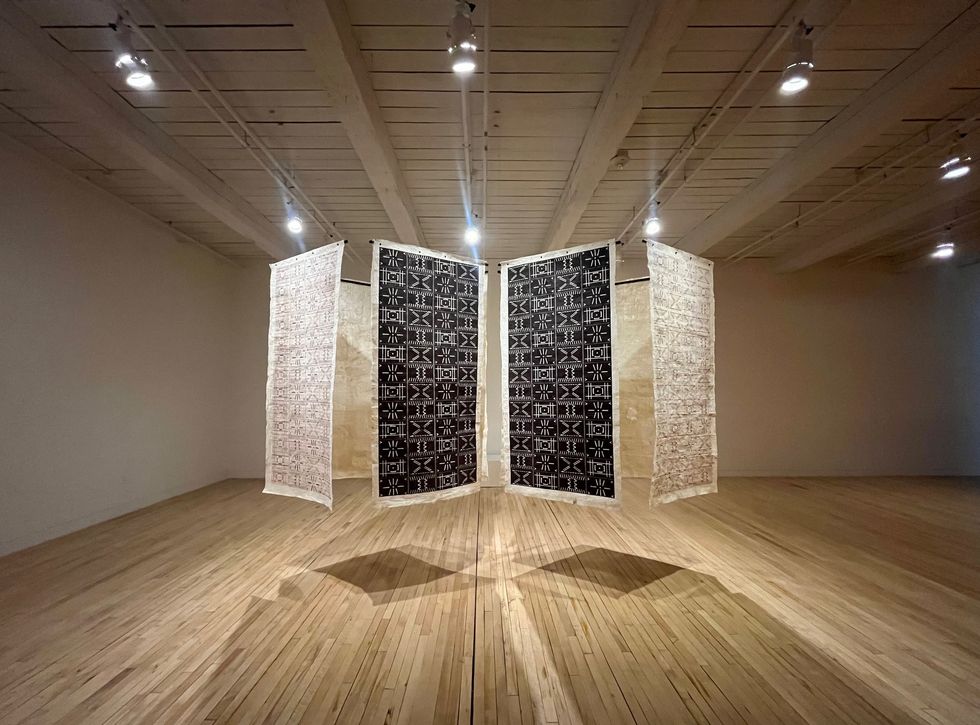
Within 15 miles of each other, MASS MoCA in North Adams and the Clark Art Institute in Williamstown showcased not only their renowned historic collections, but an impressive range of living artists pushing boundaries in technology, identity and sound.

Keep ReadingShow less
Persistently amplifying women’s voices

Francesca Donner, founder and editor of The Persistent. Subscribe at thepersistent.com.

Aly Morrissey

Francesca Donner pours a cup of tea in the cozy library of Troutbeck’s Manor House in Amenia, likely a habit she picked up during her formative years in the United Kingdom. Flanked by old books and a roaring fire, Donner feels at home in the quiet room, where she spends much of her time working as founder, editor and CEO of The Persistent, a journalism platform created to amplify women’s voices.

Although her parents are American and she spent her earliest years in New York City and Litchfield County — even attending Washington Montessori School as a preschooler — Donner moved to England at around five years old and completed most of her education there. Her accent still bears the imprint of what she describes as a traditional English schooling.

Keep ReadingShow less
Jarrett Porter on the enduring power of Schubert’s ‘Winterreise’
Baritone Jarrett Porter to perform Schubert’s “Winterreise”
Tim Gersten

On March 7, Berkshire Opera Festival will bring “Winterreise” to Studio E at Tanglewood’s Linde Center for Music and Learning, with baritone Jarrett Porter and BOF Artistic Director and pianist Brian Garman performing Franz Schubert’s haunting 24-song setting of poems by Wilhelm Müller.

A rejected lover. A frozen landscape. A mind unraveling in real time. Nearly 200 years after its premiere, “Winterreise” remains unnervingly current in its psychological portrait of isolation, heartbreak and existential drift.

Keep ReadingShow less
google preferred source

Want more of our stories on Google? Click here to make us a Preferred Source.
A grand finale for Crescendo’s 22nd season

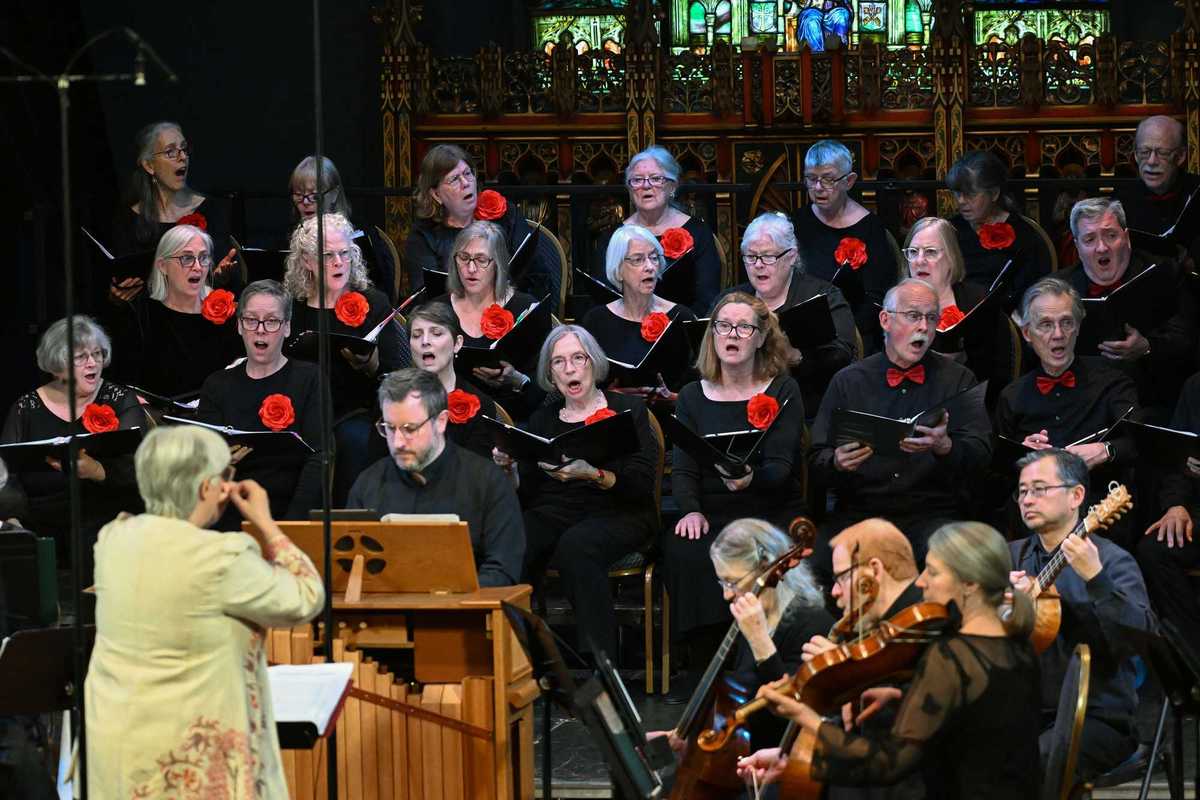
Christine Gevert, artistic director, brings together international and local musicians for a season of rare works.

Stephen Potter

Crescendo, the Lakeville-based nonprofit specializing in early and rarely performed classical music, will close its 22nd season with a slate of spring concerts featuring international performers, local musicians and works by pioneering composers from the Baroque era to the 20th century.

Christine Gevert, the organization’s artistic director, has gathered international vocal and instrumental talent, blending it with local voices to provide Berkshire audiences with rare musical treats.

Keep ReadingShow less

Leopold Week honors land and legacy

Leopold Week honors land and legacy

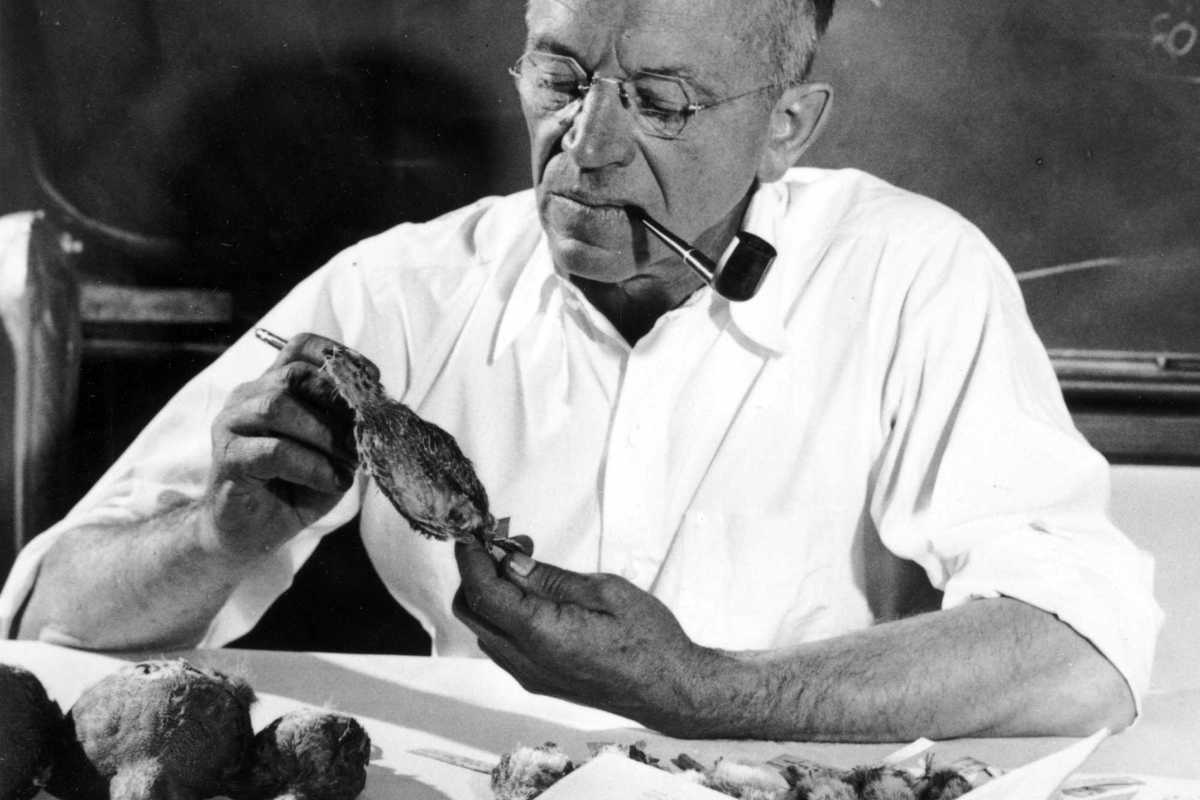
Aldo Leopold in 1942, seated at his desk examining a gray partridge specimen.

Robert C. Oetking

In his 1949 seminal work, “A Sand County Almanac,” Aldo Leopold, regarded by many conservationists as the father of wildlife ecology and modern conservation, wrote, “There are some who can live without wild things and some who cannot.” Leopold was a forester, philosopher, conservationist, educator, writer and outdoor enthusiast.

Originally published by Oxford University Press, “A Sand County Almanac” has sold 2 million copies and been translated into 15 languages. On Sunday, March 8, from 3 to 5 p.m. in the Great Hall of the Norfolk Library, the public is invited to a community reading of selections from the book followed by a moderated discussion with Steve Dunsky, director of “Green Fire,” an Emmy Award-winning documentary film exploring the origins of Leopold’s “land ethic.” Similar reading events take place each year across the country during “Leopold Week” in early March. Planning for this Litchfield County reading began when the Norfolk Library received a grant from the Aldo Leopold Foundation, which provided copies of “A Sand County Almanac” to distribute during the event.

Keep ReadingShow less

Erica Child Prud’homme

Erica Child Prud’homme

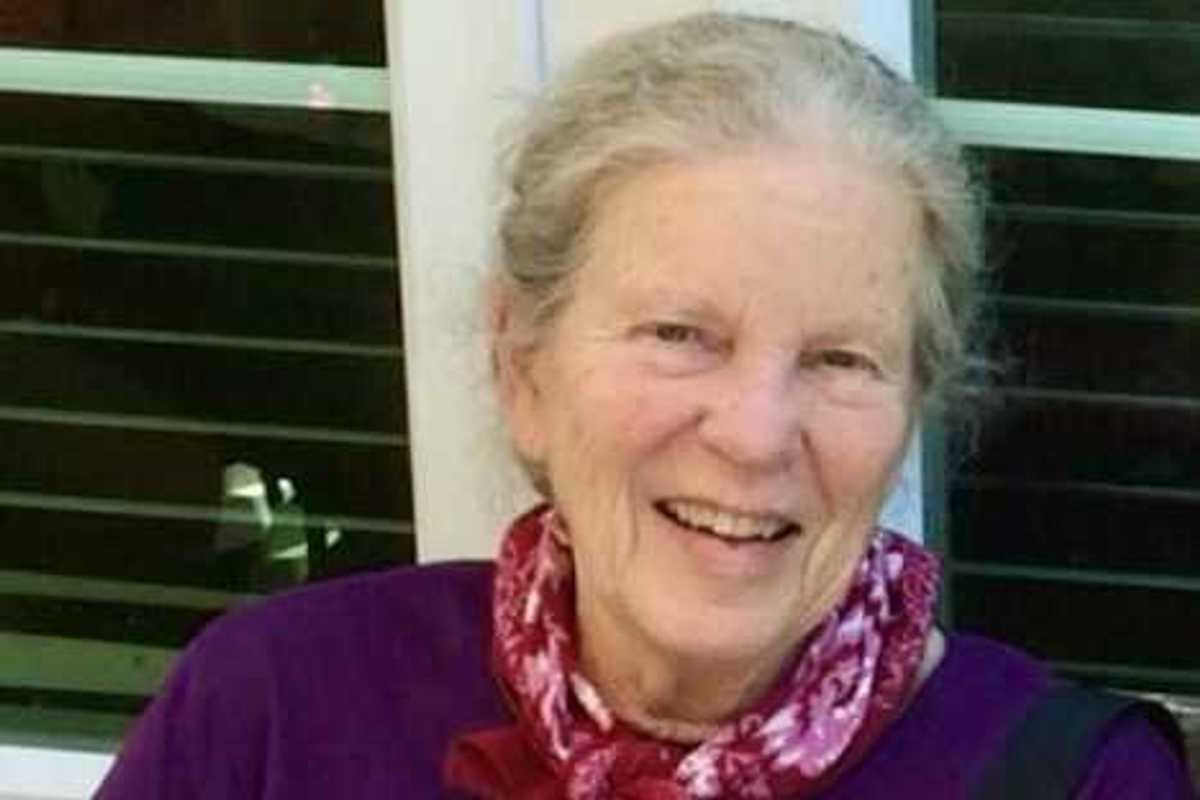
WEST CORNWALL — Erica Child Prud’homme died peacefully in her sleep on Jan. 9, 2026, at home in West Cornwall, Connecticut, at 93.

Erica was born on April 27, 1932, in Doylestown, Pennsylvania, the eldest of three children of Charles and Fredericka Child. With her siblings Rachel and Jonathan, Erica was raised in Lumberville, a town in the creative enclave of Bucks County where she began to sketch and paint as a child.

Keep ReadingShow less
google preferred source

Want more of our stories on Google? Click here to make us a Preferred Source.
google preferred source

Want more of our stories on Google? Click here to make us a Preferred Source.