‘A stone is a thought that the earth develops over inhuman time.”
This line from Louise Erdrich’s story “The Stone” served as inspiration for photographer Sarah Prud’homme when creating her new series that is now on display at the Cornwall Library in Cornwall, Conn.
The exhibit entitled Inhuman Time opened to the public on Saturday, Jan. 21.
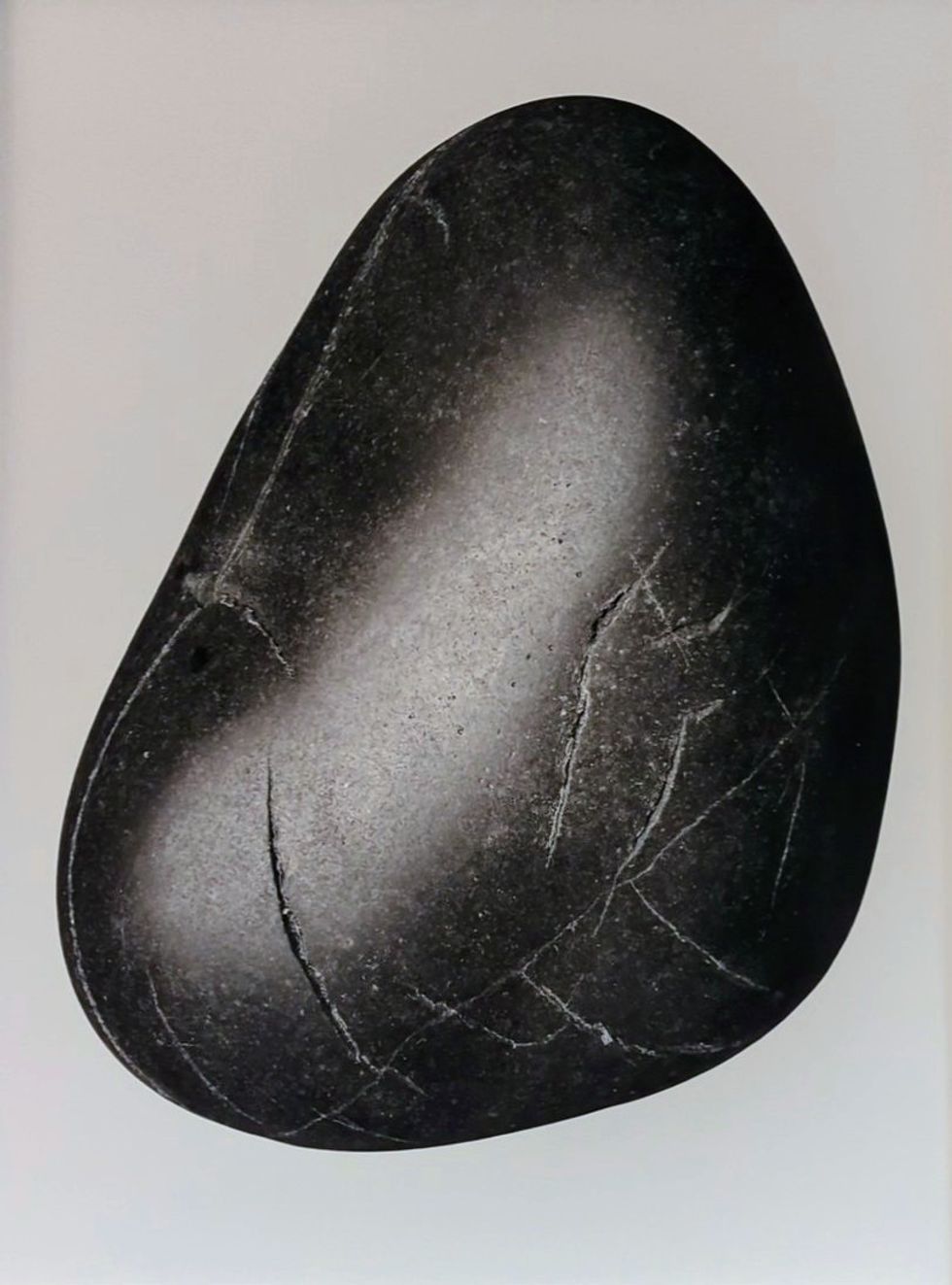
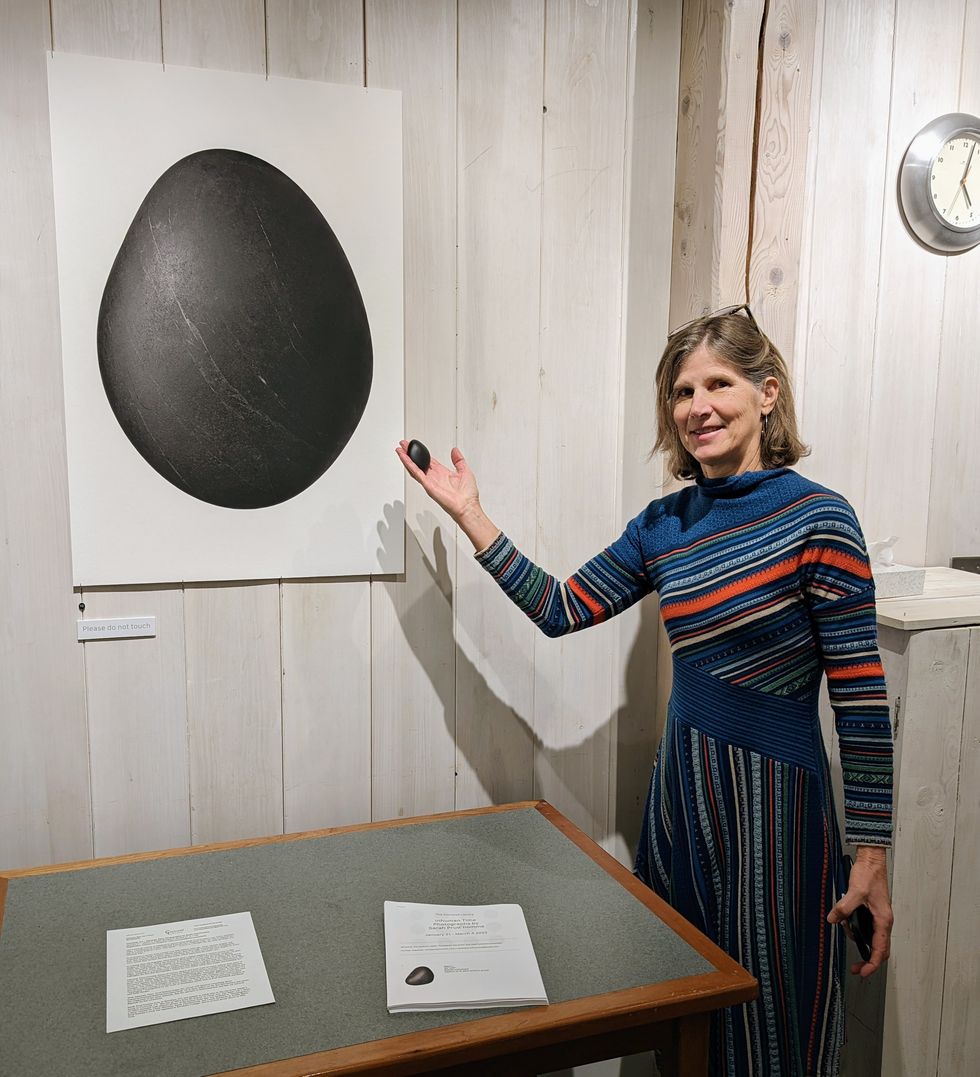
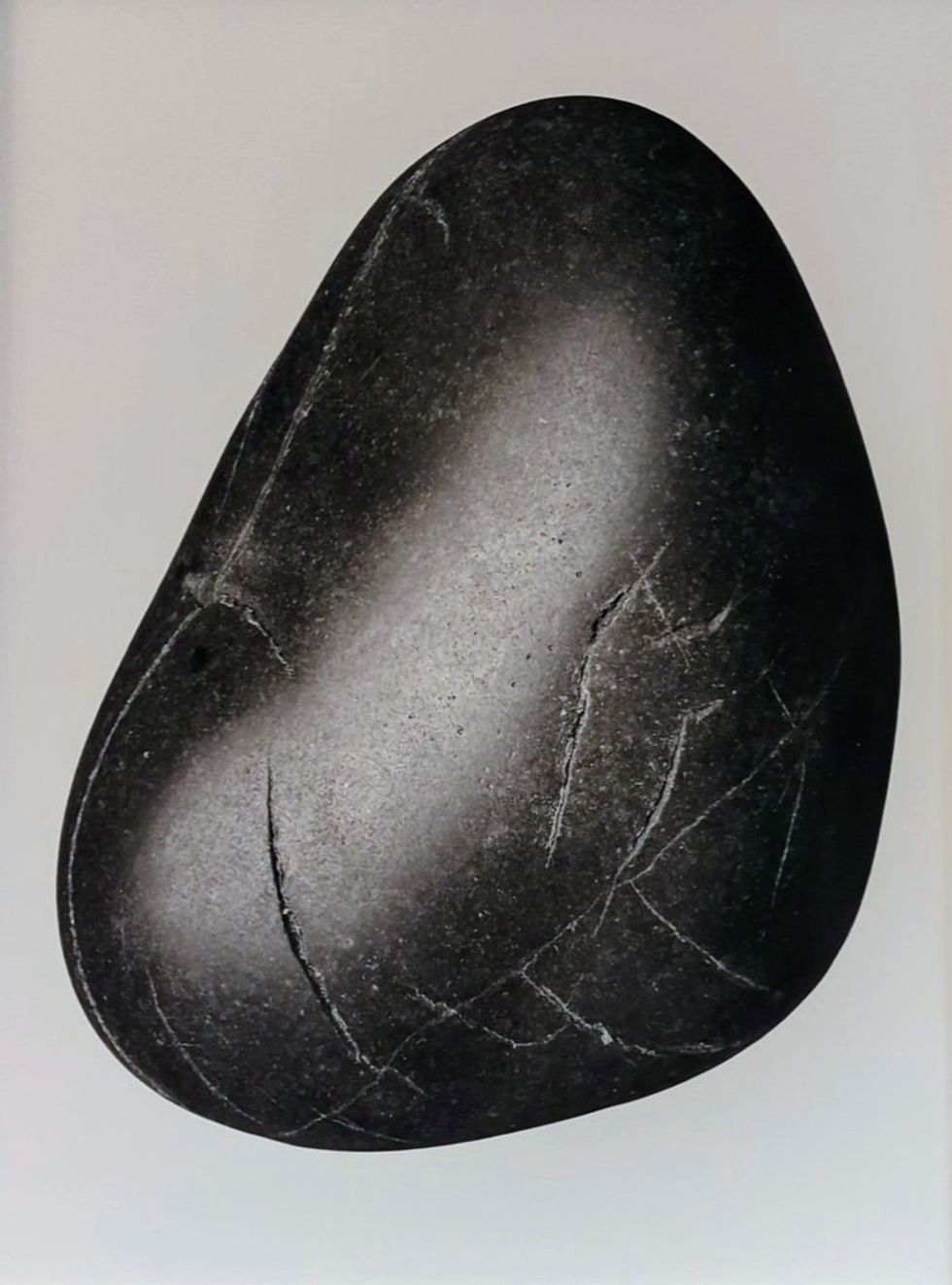
Prud’homme described the series as “a meditation on stones from New England’s coasts,” and says the natural world has always been a key influence on her art.
“I was just struck how nature could form something like this,” said Prud’homme as she held one of the roughly 400-million-year-old basalt stones. “These are from a cove which is very narrow, and because the wave action was so intense, they became very rounded.”
Many of the stones in Prud’homme’s series were found along the coast of Maine and were formed when volcanic magma erupted to the surface almost half a billion years ago.
“Mostly basalt, they have high concentrations of magnesium, iron, and calcium, which gives them a rich black hue.”
Prud’homme hoped the series would allow viewers to “reflect on the fact that humans and stones are composed of the same minerals, that the universe is interconnected, and that our survival depends on this awareness.”
The images on display were created by layering up to 50 unique photographs of each stone into a “hyper-focused composition that appears both flat and three dimensional.”
“Inhuman Time” is Sarah Prud’homme’s debut exhibit at the Cornwall Library and her first solo show since 2012. The prints will be on display in the library through March 4.
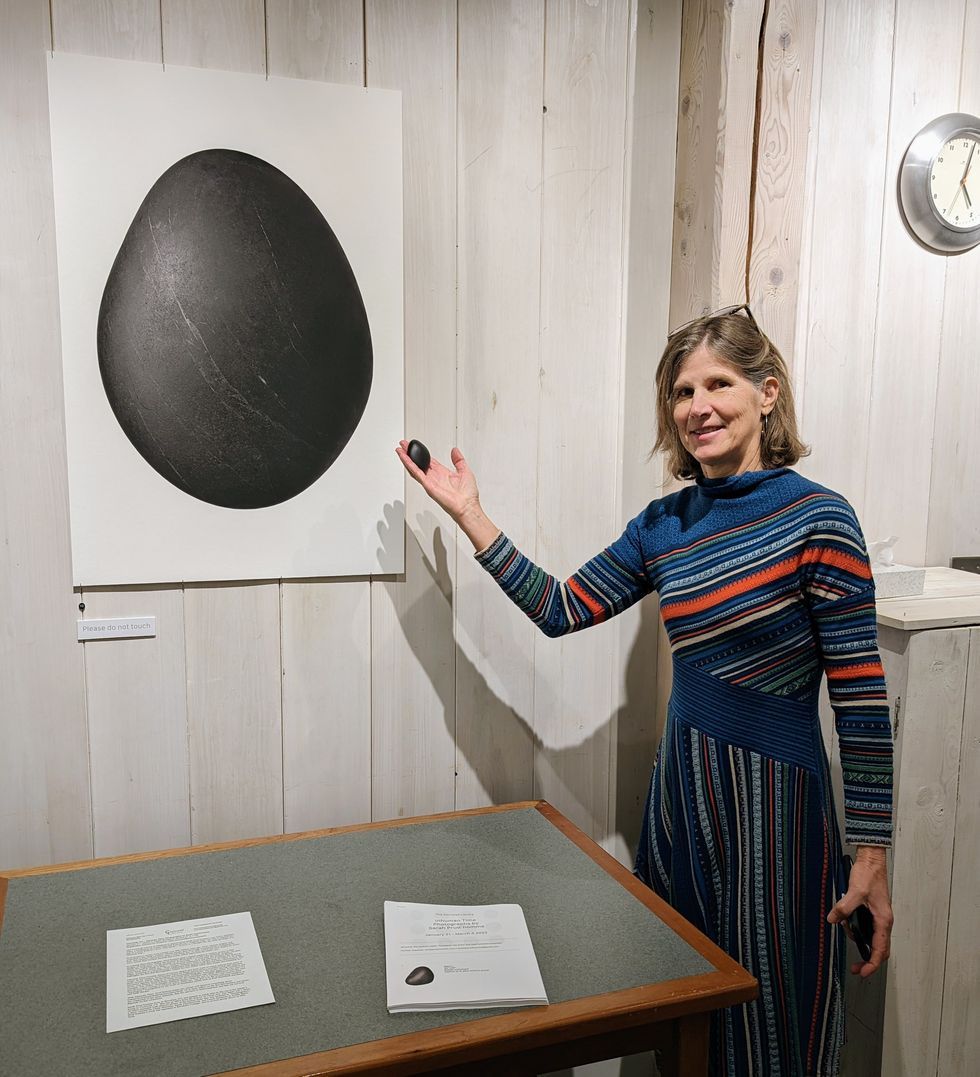
Photographer Sarah Prud'homme at the opening of her show at The Cornwall Library. Photo by Riley Klein
Photographer Sarah Prud'homme at the opening of her show at The Cornwall Library. Photo by Riley Klein

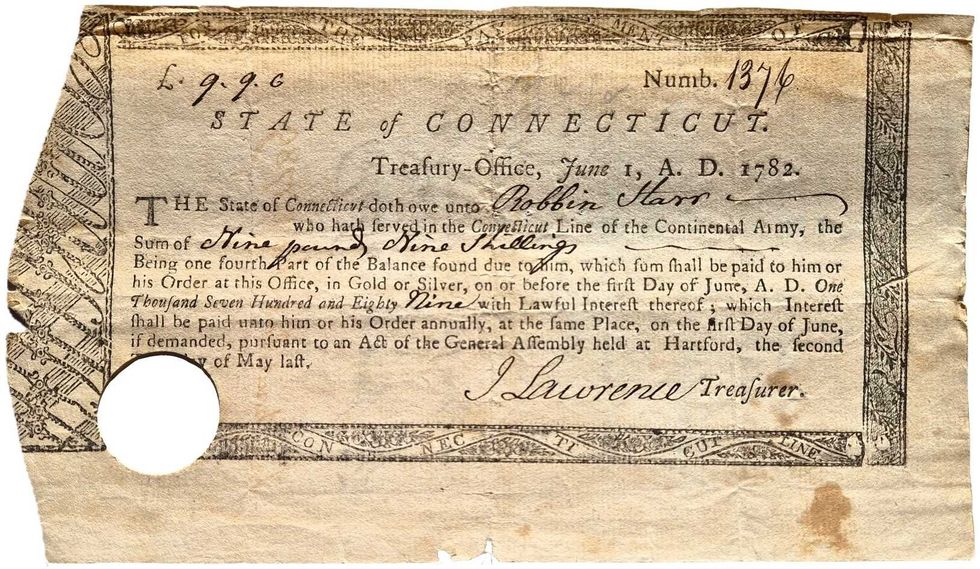 Pay Bill for Robin Starr’s service in the Continental Army.Courtesy the Alex Breanne Corporation
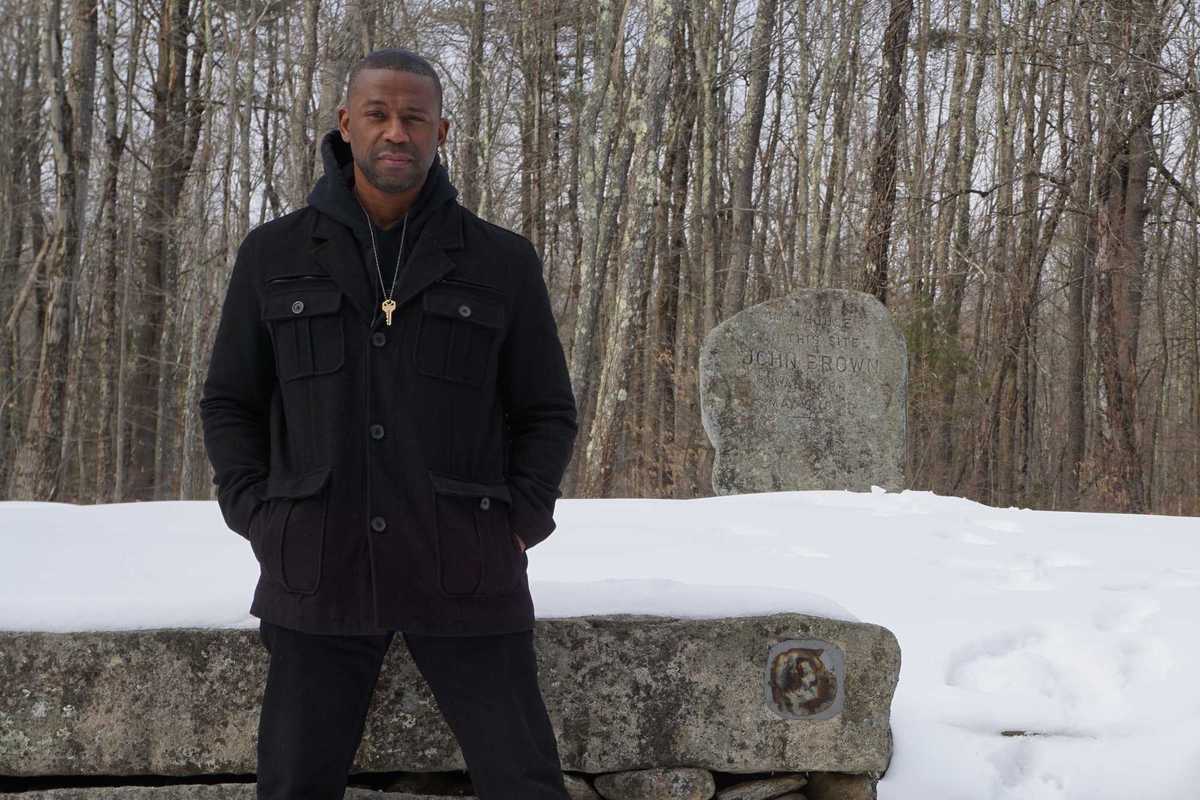
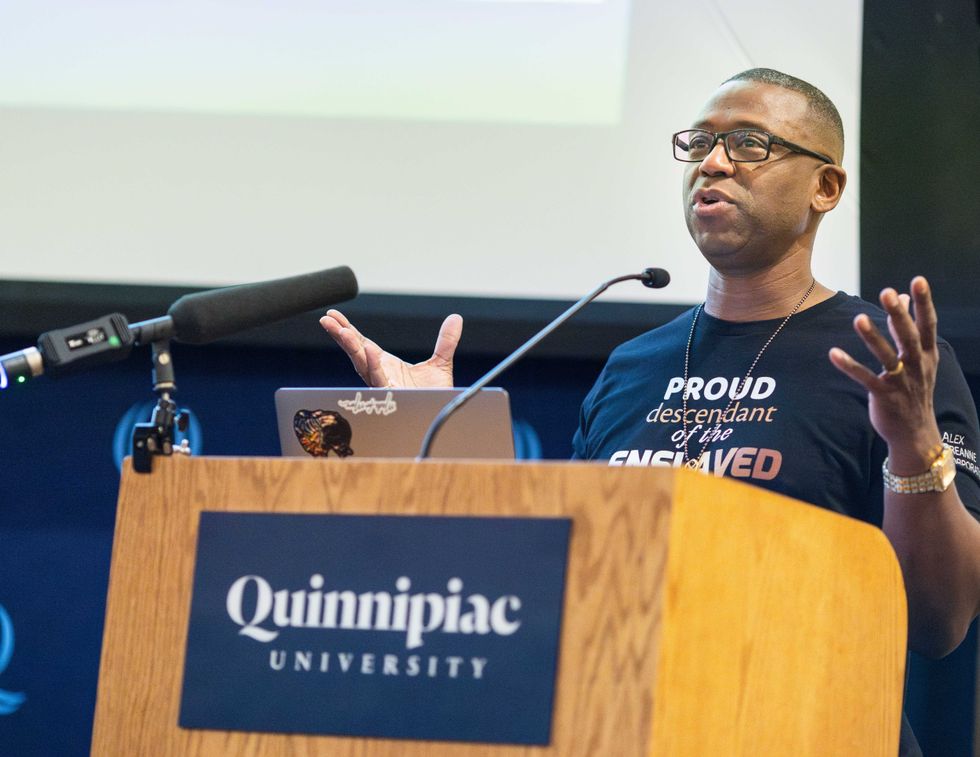 John Mills speaking at Quinnipiac University.Courtesy the Alex Breanne Corporation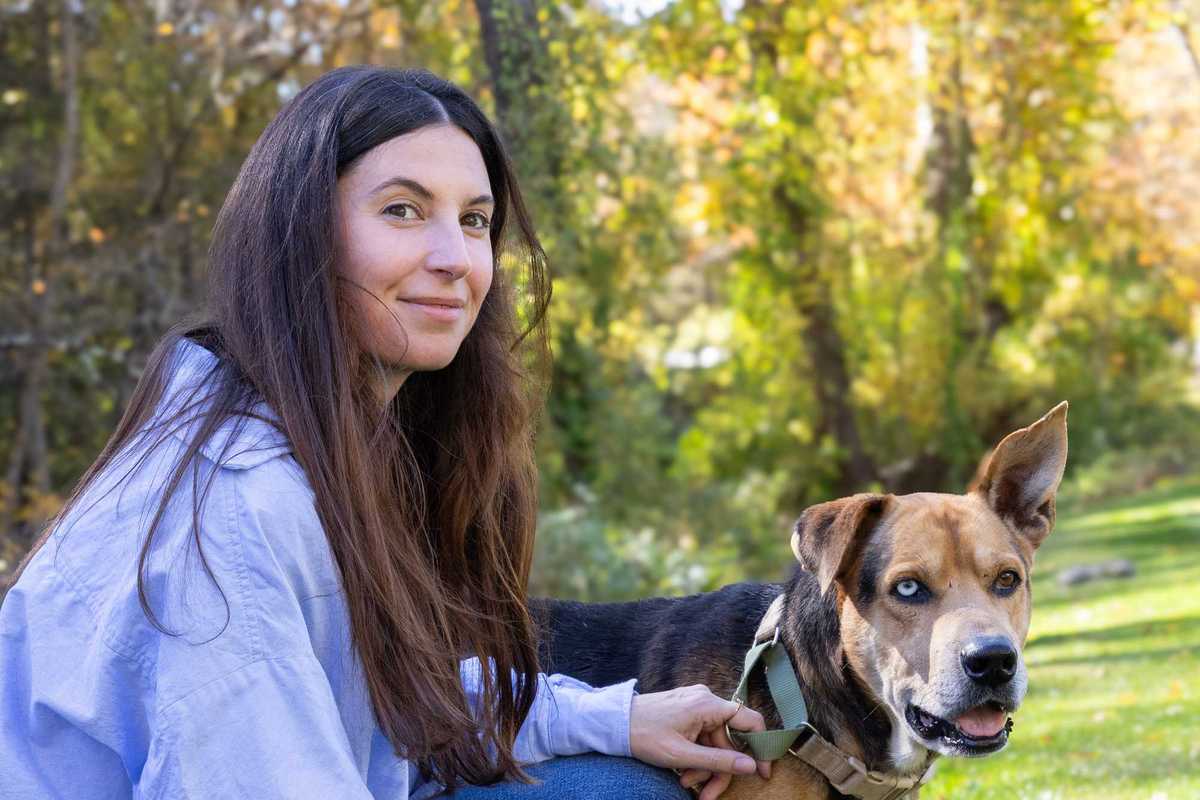
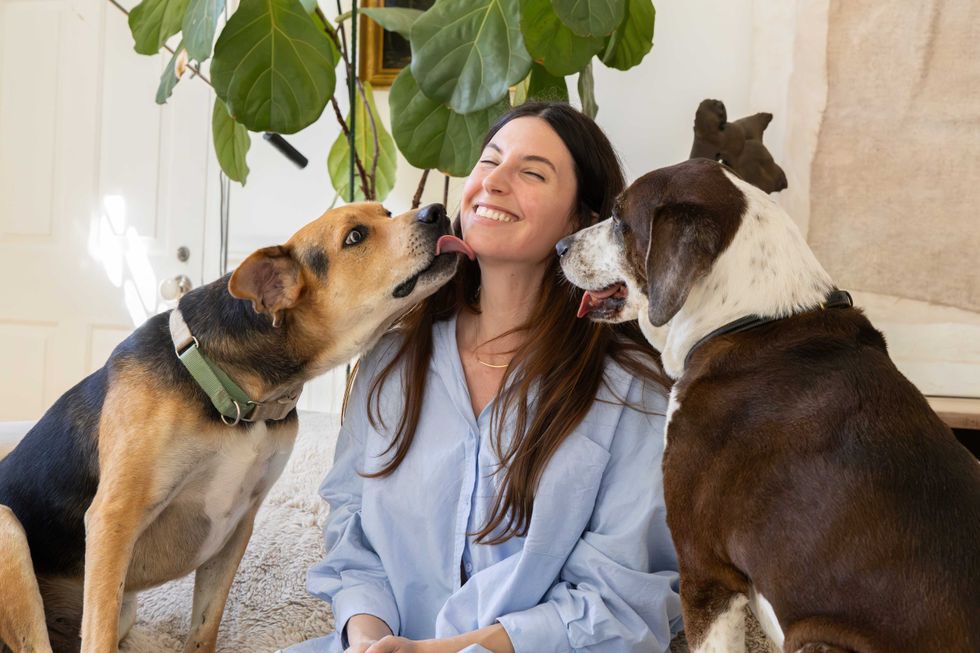 Stephanie Saetta,with her rescue dog George and Blue (left), a shepherd mix awaiting his forever home.Madi Long
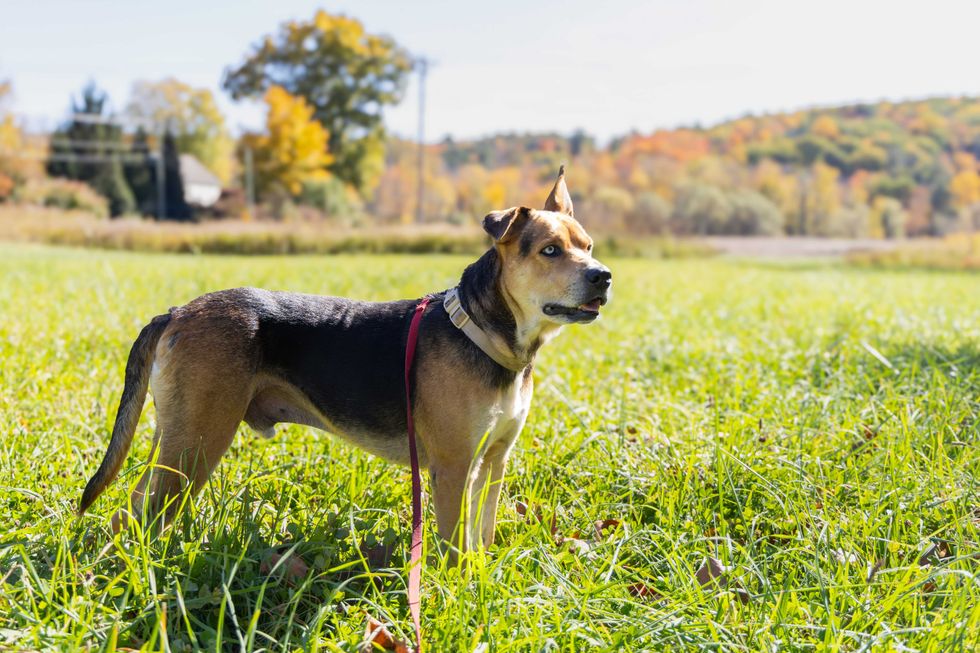 Blue, a 7 year-old Shepard mix, is waiting for his forever home. Madi Long