When you stand on the sidelines of a prep school sporting event, it’s fun and beautiful and traditional in a way that’s not that different from reading an F. Scott Fitzgerald short story or watching an old film or television show.
Prep school sports are different from, say, Big 10 sports or even large high school football games. For one thing, the settings are intimate and almost always lovely. The parents and athletes and even the coaches seem timeless. Spectators dress neatly. They bring their well-behaved lovely dogs. It’s all picturesque.
And in fact the sports action is often very good. In the Tri-state region there are a half dozen independent boarding schools, some of which have championship teams in ice hockey, basketball, baseball, golf, wrestling, swimming and diving, track and field and cross-country, tennis and soccer.
The regional high school in Falls Village also has some outstanding athletes and athletics (golf, girls basketball, tennis and cross-country in particular are worth watching).
Most matches in these sports are held outdoors and therefore, even with COVID restrictions in place, the public can come watch. The schools post their schedules on their websites.
Many of the most exciting sports are in autumn and winter. But in spring there is rowing. The Salisbury School in Salisbury, Conn., and the Kent School in Kent, Conn., have long and distinguished histories in this ultra-prep sport.
A day out
on the water
With rowing, you don’t get the fun of standing on the sidelines of a grassy field in autumn, wearing a toggle coat and cashmere sweater.
Instead, you get to spend a beautiful spring day standing on the shore of a lake or river watching the young athletes power their small boats gracefully along the surface.
Anyone who’s read and loved the nonfiction bestseller “The Boys in the Boat” understands that rowing has a long and glorious history in the U.S. and England.
For those who read that book and are thirsty for more knowledge, or for those who are just learning about rowing, a new book written by a Kent School alumnus (and rower) lays out the history and high points of the school’s century-long commitment to rowing.
The book is called “Kent School Boat Club: The First 100 Years” and was published this spring by Peter Davis Mallory, Class of 1963.
It is also a history of the school and its founder and headmaster, the Rev. Frederick Sill, who had been a coxswain on the Columbia rowing team in his youth. Students at Kent began to badger the headmaster to start a rowing program; it seemed logical, as the school is right on the Housatonic River, which is at its most powerful in spring.
Some rowing shells and equipment were found and off they went. The school is now co-educational and there is a strong women’s team as well; and the school’s deluxe boathouse sits proudly on the riverbank, with a six-person indoor rowing tank and displays showing the blazers and trophies worn and won at past regattas in the U.S. and England.
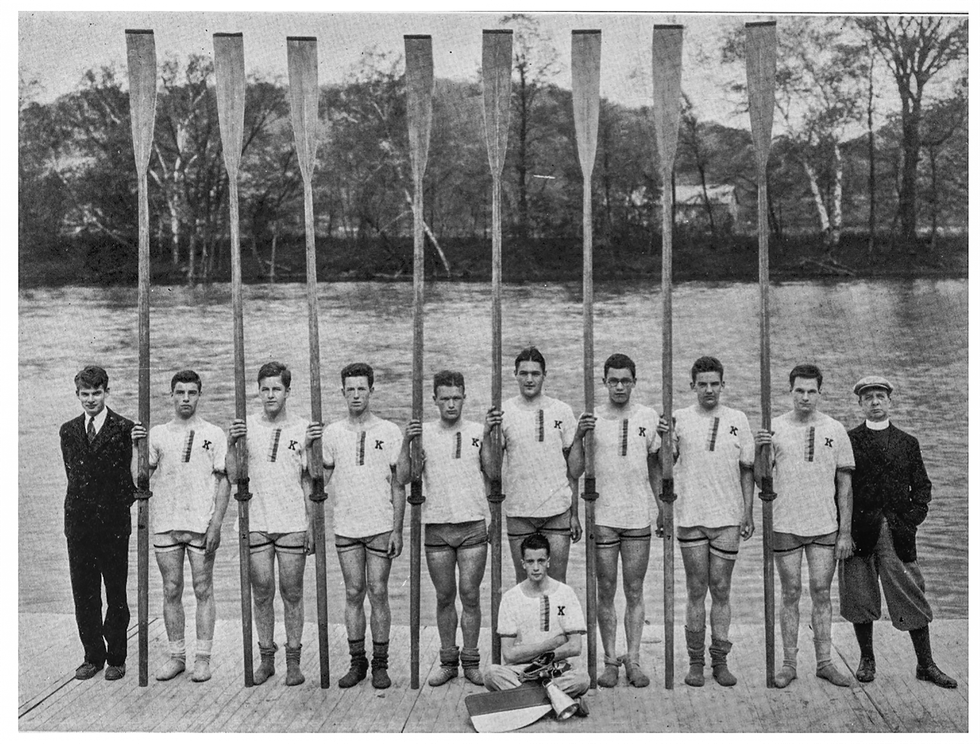
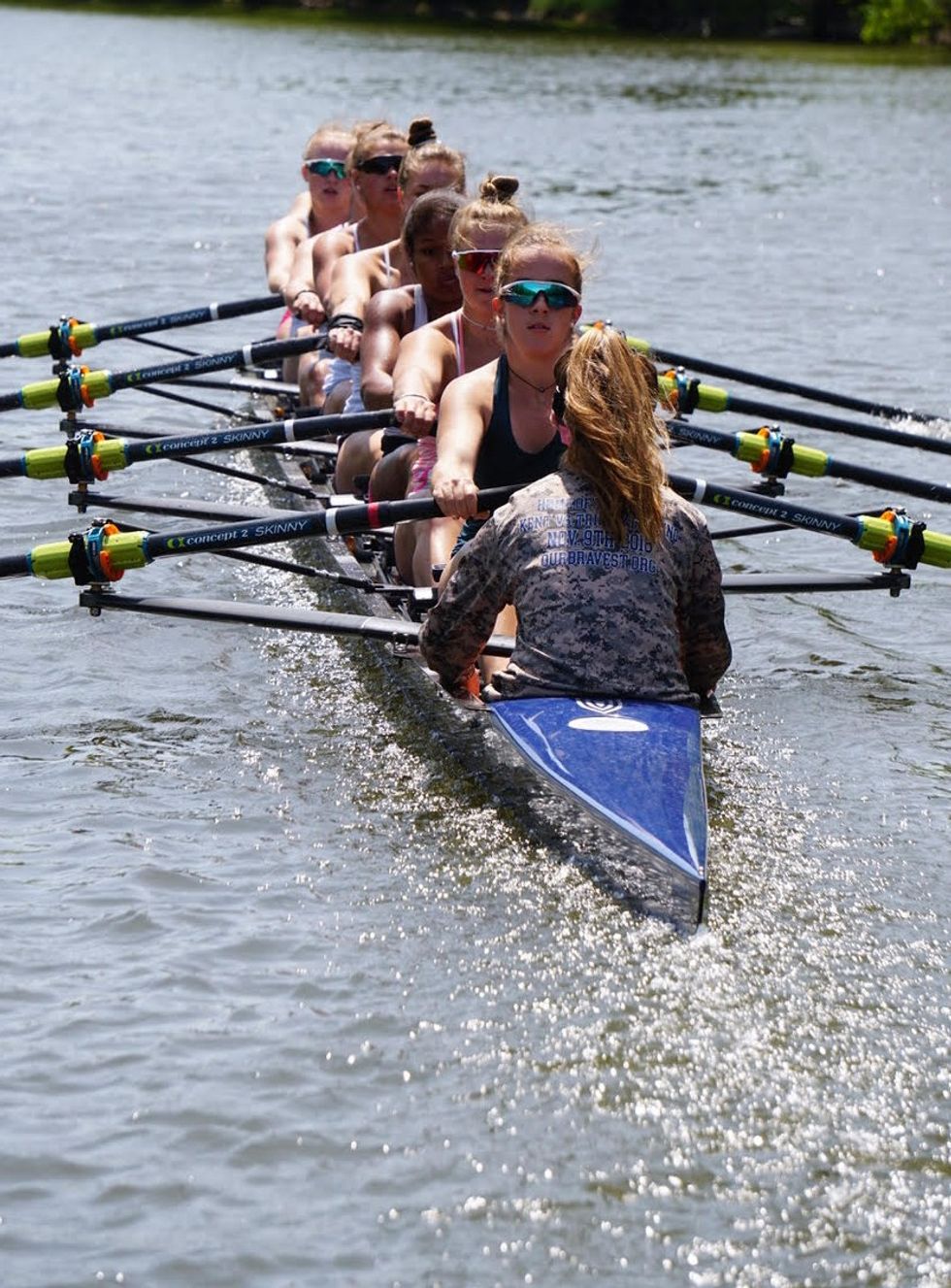
If you can’t or don’t want to venture south to Kent (or north to Salisbury) to watch a live crew competition, this book is a decent substitute. It’s full of photos that start off old and nostalgic and preppy and end up in gloriously modern full color.
“Kent School Boat Club: The First 100 Years” can be ordered from the Kent School store (call 860-927-6141).
The cost is $150 for the two volume-set (1922 to 1982 and 1983 to 2021).
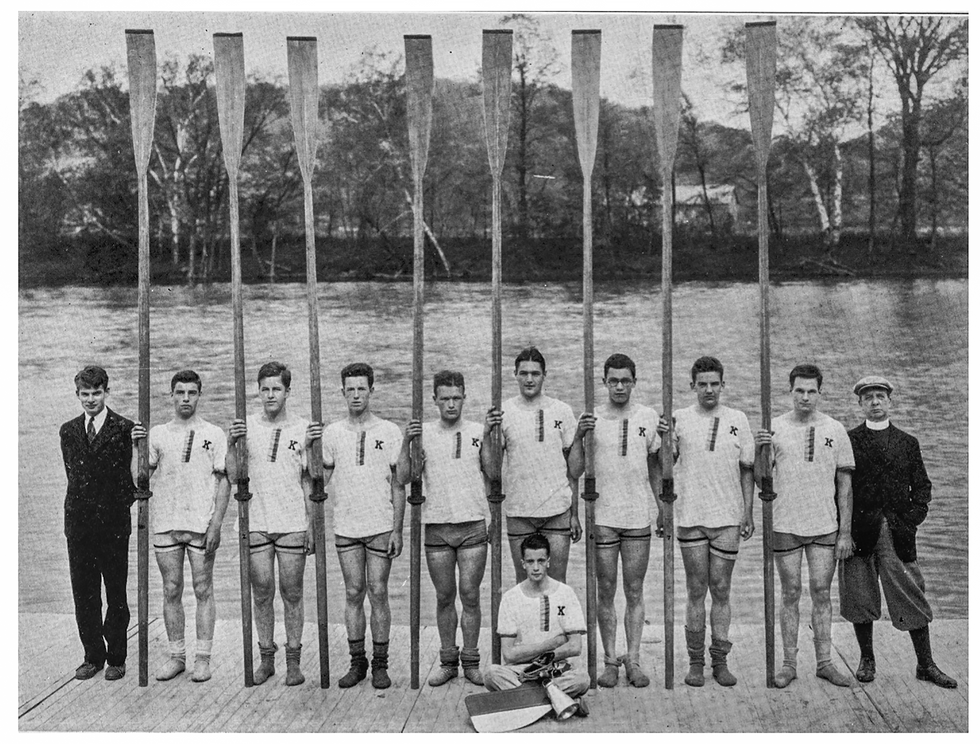
Peter Davis Mallory’s history of the Kent School championship rowing team includes portraits of every team, including many that are charming trips back in time, such as this one from 1928. Photo from “Kent School Boat Club: The First 100 Years”
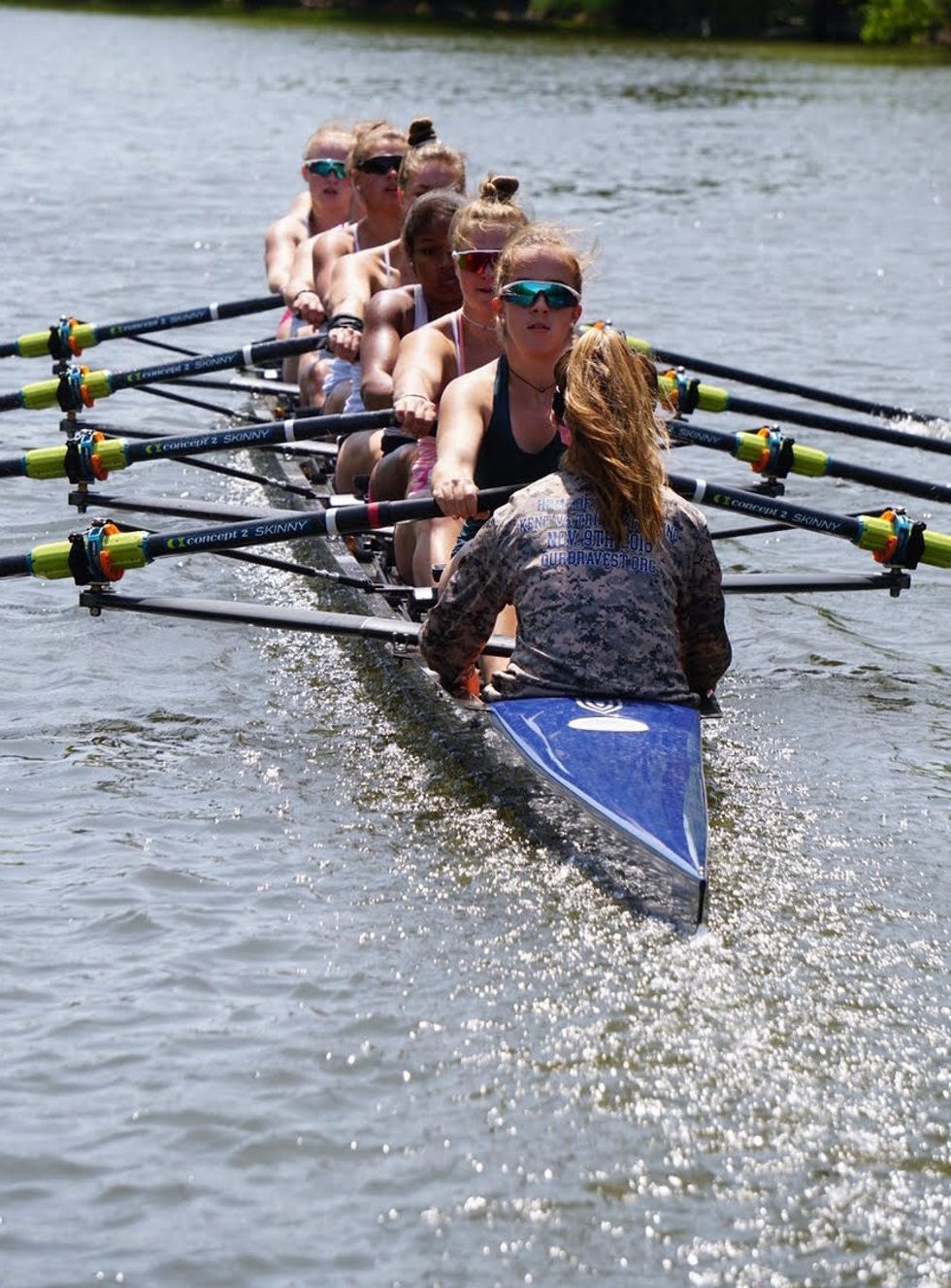
“Kent School Boat Club” has photos from the club’s earliest days in the 1900s up to today. Photo from “Kent School Boat Club: The First 100 Years”



 Justine and Victor Valla in their studio with a painting of Victor’s,”Jonah and the Whale.” Robin Roraback


 A ceramic vase by Kathleen Heidemann.Provided
  Joy Brown’s delightful ceramic sculptures.Provided