KENT — Should a town employee who works two part-time jobs at Town Hall get the same health insurance benefits that full-time employees receive? That was the question the Board of Selectmen discussed at a special meeting on Thursday, Dec. 3.
As the town’s tax collector, Deborah Devaux is scheduled to work for 24 hours a week. She is also scheduled to work 10 hours a week as the Sewer Commission clerk.
In January 2008, the Board of Selectmen amended the town’s personnel policy to specifically allow Devaux to have the same health-insurance benefits as full-time employees, as long as she works a combined total of at least 30 hours a week at both positions.
First Selectman Bruce Adams said Devaux was invited to the meeting and was informed that the policy would be discussed. However, Devaux was not present.
Despite this, the policy was discussed at length by the selectmen and Town Clerk Darlene Brady.
“This is a fairly longstanding issue,� First Selectman Bruce Adams said. “I am hoping to put it to rest at this meeting.�
Brady told the board that Devaux is not working the full number of hours she is scheduled to work.
“I don’t feel that the time cards [Devaux has filed with the town] support that she is working 24 hours a week as a tax collector,� Brady said. “Yet, they are showing concurrent hours being utilized between the two positions and a paycheck is being received separately from the Sewer Commission for the 10 hours she is supposed to work.�
Brady added that she never supported the personnel policy that allows Devaux to get health-insurance benefits from the town in the first place.
“As a department head, if I feel by looking [at the personnel policy] that a part-time worker can get health-insurance benefits, my responsibility is that if someone works 24 hours in my department they should have the same opportunity to receive benefits,� Brady said. “It also concerns me as a taxpayer, because the policy states that the hours for both jobs should not be worked concurrently, yet they continue to be worked concurrently.�
Adams said he met with Brady and Devaux several times throughout the year to discuss the issue. He was a selectman for the past two years and was elected first selectman in November.
“I think that the [hourly] requirements are being met [by Devaux],� Adams said. “She pointed out to me that she does some work at home, primarily clerical work, which may not show on a timecard.�
“Why would those hours not be recorded on a timecard?� Brady asked.
“Also, if this was a company, would you allow somebody to come in on your payroll and get paid so many hours and yet do someone else’s work for another company on your time?�
Selectman George Jacobsen said he has issues with the policy and the hours Devaux is scheduled to work.
“This whole thing is a fabrication to collect benefits, essentially,� Jacobsen said. “To put it simply, it’s a fabrication as to whether she works 30 hours, 33 hours or 27 hours. I personally have great difficulty with this section [in the personnel policy] written for one person.�
Jacobsen suggested that, starting with the next fiscal year (July 1, 2010), the town should increase the salary of the tax collector so Devaux can pay for her own insurance instead of collecting health benefits from the town.
“It would be a hell of a lot easier if we tell her that she can buy group insurance and we’ll increase your salary by $5,000 to purchase it,� Jacobsen said. “End of story. Buy it if you want it. That’s the way out of this.�
The board did not make any formal decisions on the matter, but indicated that the situation would be discussed further at a future meeting.



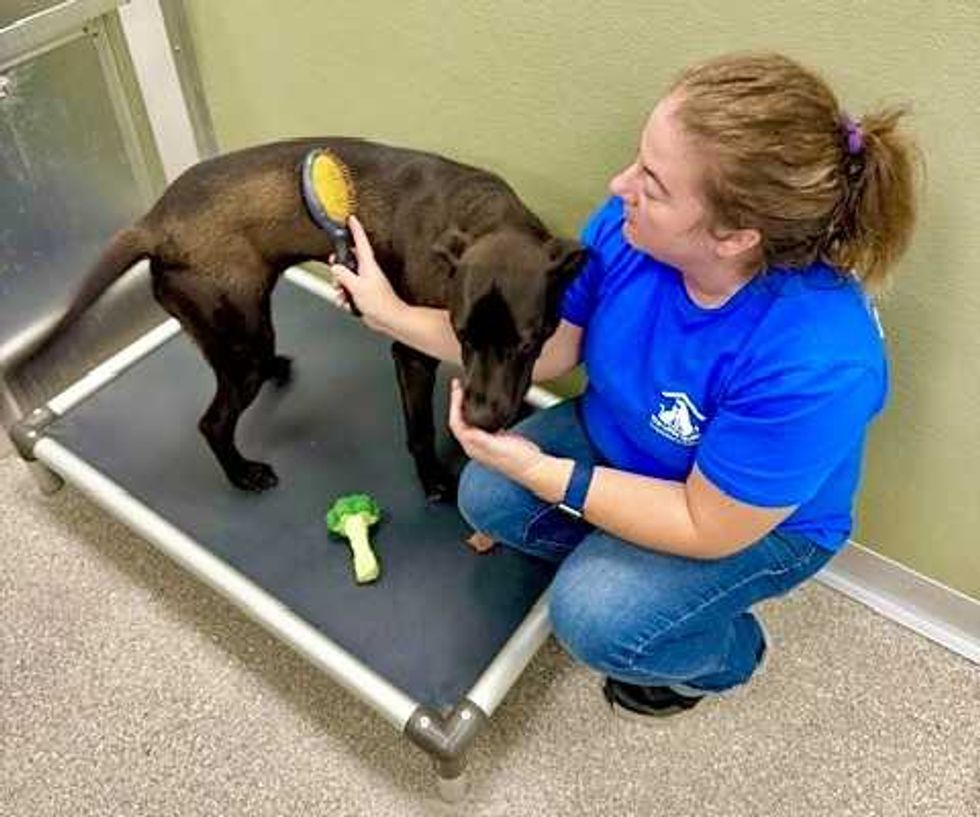 Tiffany Lemelin, shelter manager, brushing Marsala upon arrival.Provided
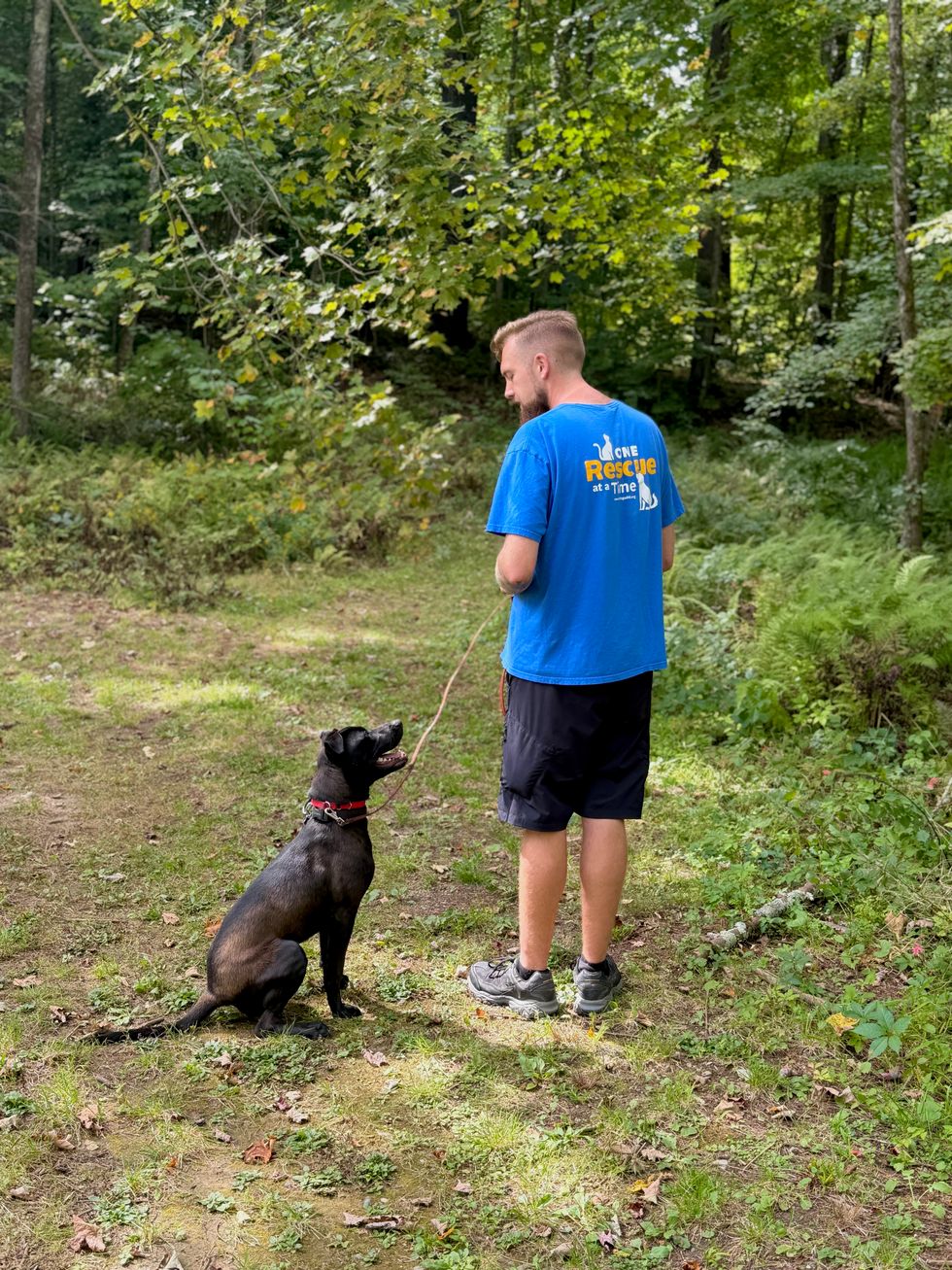 Michael DeBarba, certified dog trainer working with Marsala.Jennifer Almquist
 Marsala wins a heart.Jennifer Almquist

 Sadie, center, a Carolina dog, plays with her friend Negra, a terrier mix. Bella Linda, the small poodle, has since been adopted.L. Tomaino
 Wesley, a young, exuberant mix, is looking for an active home.L. Tomaino
 Bonnie and Clyde, an affectionate terrier pair.L. Tomaino

 Provided