LIME ROCK – After months of public hearings, the Salisbury Planning and Zoning Commission unanimously approved a broad set of new regulations last week governing operations at Lime Rock Park, including racing hours, noise monitoring and enforcement.
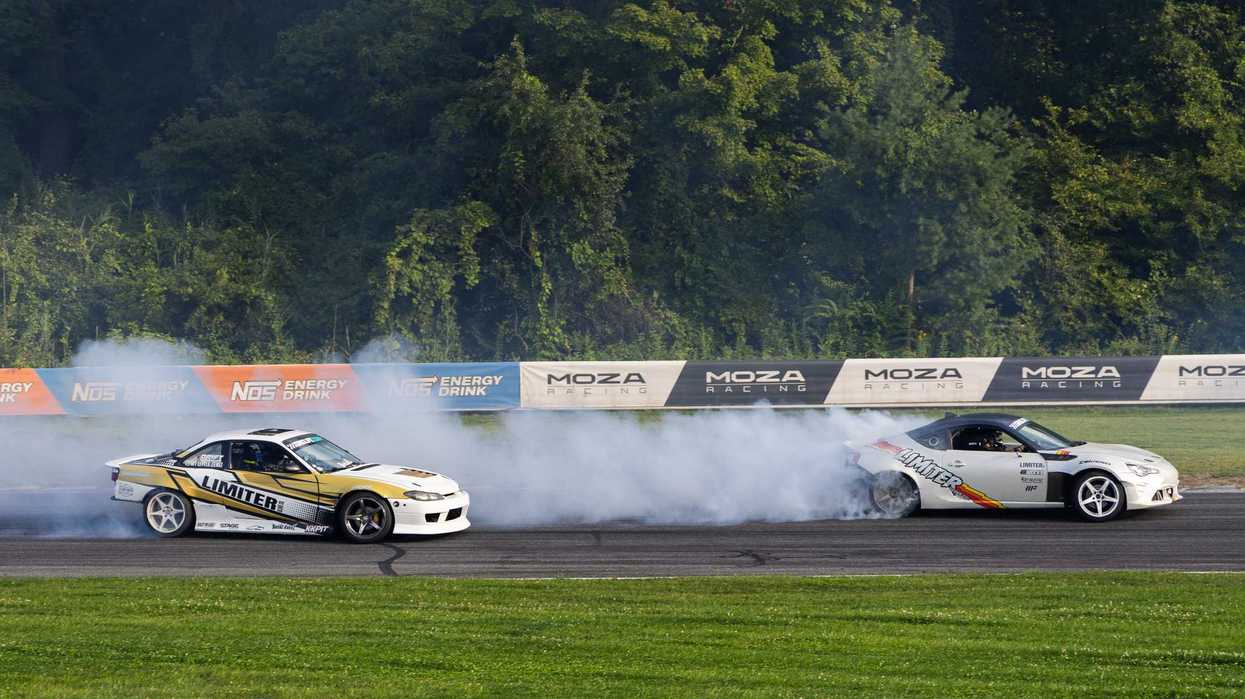
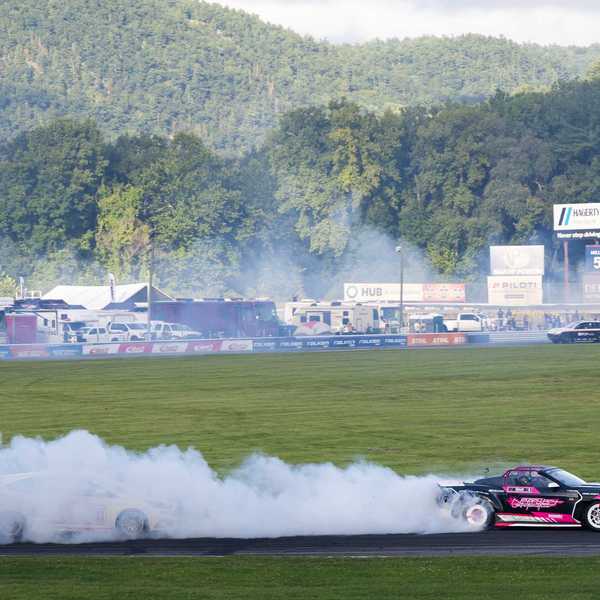
But drifting emerged as the most contentious part of the package. The new regulations continue to allow the activity at the track while limiting it to one two-day event per year and imposing new air-quality monitoring requirements.
The Tuesday, Aug. 18, approval by the commission was promptly put to the test over the weekend during GridLife, the one event on the track’s annual calendar that features the controversial drifting activity.
The only substantive change to the draft regulations presented to the commission was a change to the enforcement of drifting, a vehicle demonstration that produces plumes of tire smoke and noise. The topic has emerged as a sticking point in debates over new regulations for the track, first proposed to the Salisbury Planning and Zoning Commission in May. At that time, track administrators said the changes were meant to update town zoning rules to reflect recent changes to a decades-old court agreement governing the race track.
Throughout the months-long public hearing process this summer, Lime Rock’s president and CEO Dicky Riegel said the regulations were the result of five years of conversations between the track and the Lime Rock Citizens Council, a residents’ group formed amid longstanding tensions between the racetrack and its neighbors.
Riegel said the new regulations represent the beginnings of a better relationship with neighbors and the town. The new rules retain a long-standing ban on Sunday racing, first established by a 1959 court injunction. They also establish new limitations on unmufflered racing, eliminate overnight racing, impart tighter hours overall and implement further traffic control, noise monitoring and enforcement provisions.
While the Commission responded positively overall to the proposed changes, several P&Z members remained wary of clauses in the new regulations surrounding drifting. The newly adopted rules limit drifting to one event of two consecutive days per year, with no more than three 15 minute demonstrations per day involving no more than ten cars.
Riegel and Lime Rock Park general partner Bill Rueckert said the drifting provisions impose restrictions where little regulation existed. Riegel said the track has voluntarily operated under the terms of an amended stipulation agreement since 2022, limiting drifting to two days per year as a gesture of its commitment to being a good neighbor.
Still, some commissioners said they’d rather not see drifting at all. P&Z member Danella Schiffer said that while compromise is an admirable goal, it often “represents watered down solutions — the subject of drifting is case in point.”
Commissioner Allen Cocklerline, who has in past meetings described the activity as “offensive,” responded that while he may not like drifting, P&Z has an obligation toward Salisbury’s businesses as well as its residents.
“You’re right Danella, it’s a compromise,” he said. “Life would be better without drifting — for us. But it might not be better for the track, and the track is a business entity in town.”
The smoke created by drifting remained a point of contention. Salisbury’s interim Land Use Administrator Jeremy DeCarli said that a clause that defined nuisance tire smoke as hanging above tree line for 15 seconds was removed for being too subjective.
He said the provision was “really just something that is impossible for the zoning enforcement officer to enforce.” He and P&Z’s attorney Charles Andres replaced that measure with a condition that the track add two additional air quality monitors to the two that are already operational on site, and a rule that air quality at the track must comply with state and federal standards.
This approach, Andres said, relies on “more objective criteria promulgated by agencies whose job it is to do this stuff.” Riegel confirmed on Thursday, a day before GridLife kicked off, that the two monitors on site were operational, and that orders had already been placed for the two additional units.
“We do what we say we’re going to do,” Riegel said, adding that the new approach benefits the track, the commission and residents alike as it “takes away all subjectivity.”
DeCarli noted on Thursday that since the nuisance language remains in court documents, residents are still able to take legal action if they feel the smoke to be excessive.
Ultimately, the Commission approved the new regulations unanimously, with Schiffer giving a “cautious, reserved yes.”
“I’m not comfortable with drifting,” P&Z Chair Cathy Shyer said, “but I think the most sensible thing to do at this point in time is to monitor it as effectively as we can. I’m sure we’ll hear from the public if there are problems.”
The two currently operatng air monitors were in place for last year’s GridLife event, and did not record any air quality index spike as a result of the drifting, Riegel and Rueckert said. Shyer asked DeCarli to file a report following this year’s drifting demonstration.







 Tiffany Lemelin, shelter manager, brushing Marsala upon arrival.Provided
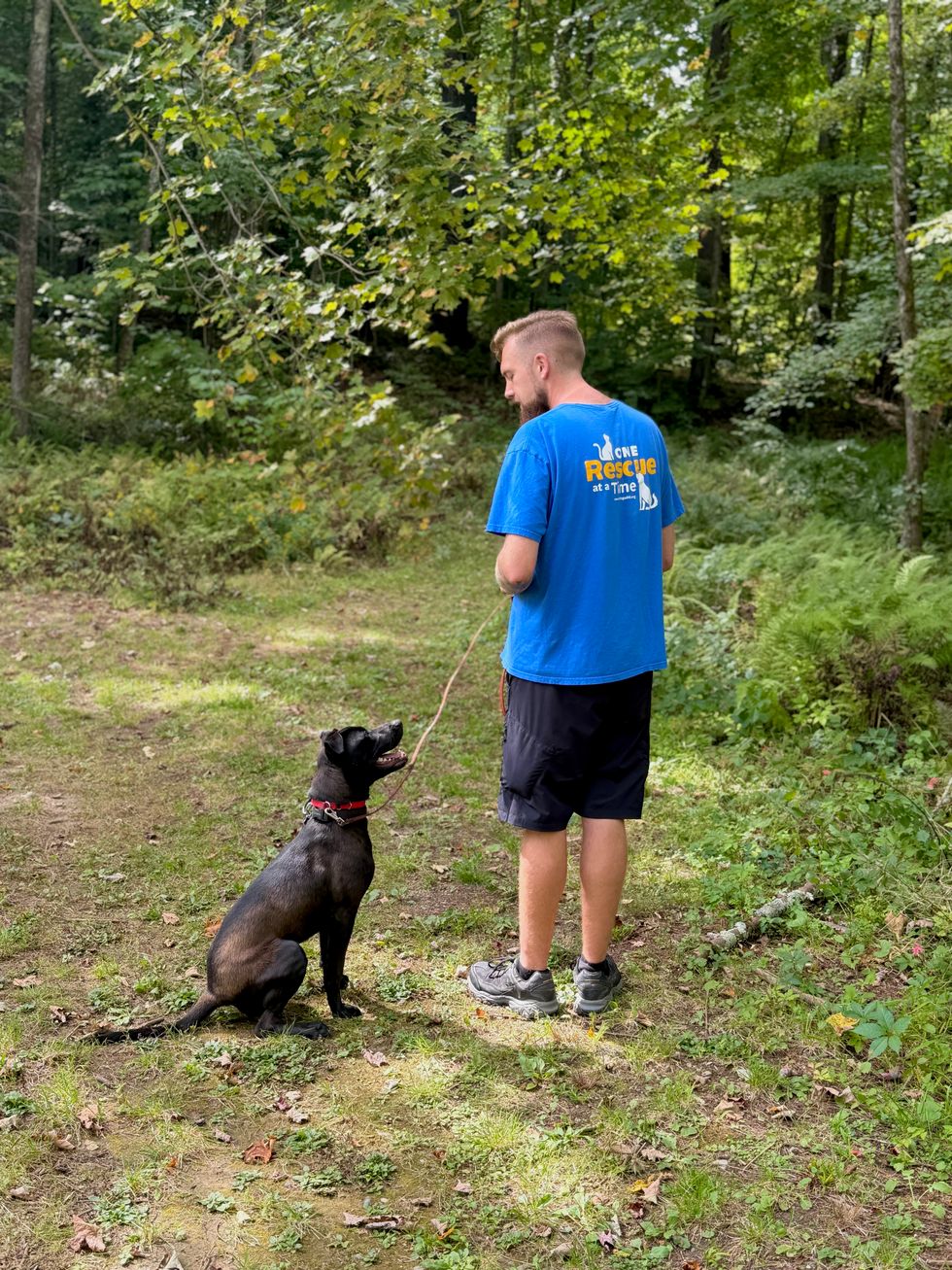 Michael DeBarba, certified dog trainer working with Marsala.Jennifer Almquist
 Marsala wins a heart.Jennifer Almquist

 Sadie, center, a Carolina dog, plays with her friend Negra, a terrier mix. Bella Linda, the small poodle, has since been adopted.L. Tomaino
 Wesley, a young, exuberant mix, is looking for an active home.L. Tomaino
 Bonnie and Clyde, an affectionate terrier pair.L. Tomaino
 Provided