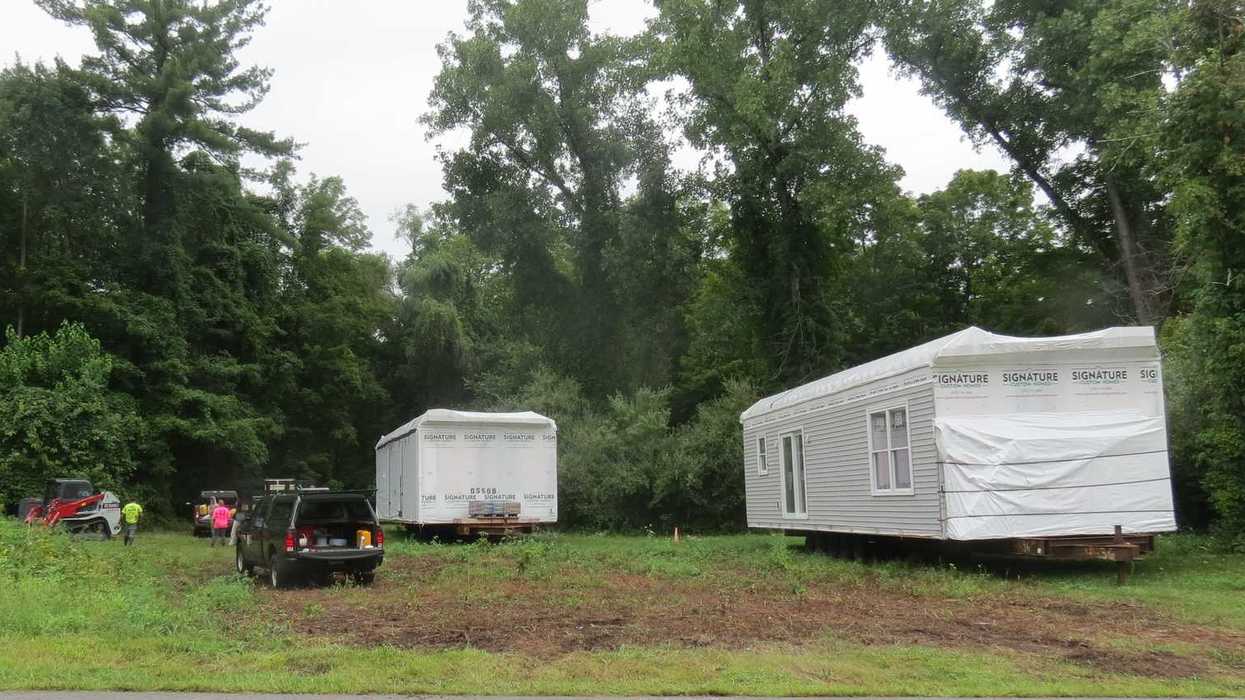
CORNWALL — The sight of two new modular homes at the Millard Brook property on Route 7, led some passing motorists last week to wonder whether the proposed affordable housing development on the site was becoming a reality.
But the homes, which were still wrapped, were headed elsewhere.
Ginni Block, president of the Cornwall Housing Corporation, said the homes are part of the Litchfield County Affordable Homeownership Program, an initiative of the Litchfield County Center for Housing Opportunity that is placing 10 homes on scattered sites throughout the region.
Four are in Cornwall. Two homes on Town Street have already been completed and occupied.
The two temporarily stored at Millard Brook are destined for properties on Dark Entry Road. One has three bedrooms and the other has two.
Block said the homes were placed at the Millard Brook site until they could be transported to their permanent locations. By Wednesday, Sept. 2, one had been moved and the other was about to be relocated.
The program sells homes at prices affordable to households earning below the area median income. It is funded by the Connecticut Department of Housing, along with contributions from participating towns and nonprofit organizations.
The homes are priced between $240,000 and $300,000. The homeowners will own their houses, while the Cornwall Housing Corporation will retain ownership of the land beneath them, helping preserve the properties’ long-term affordability.
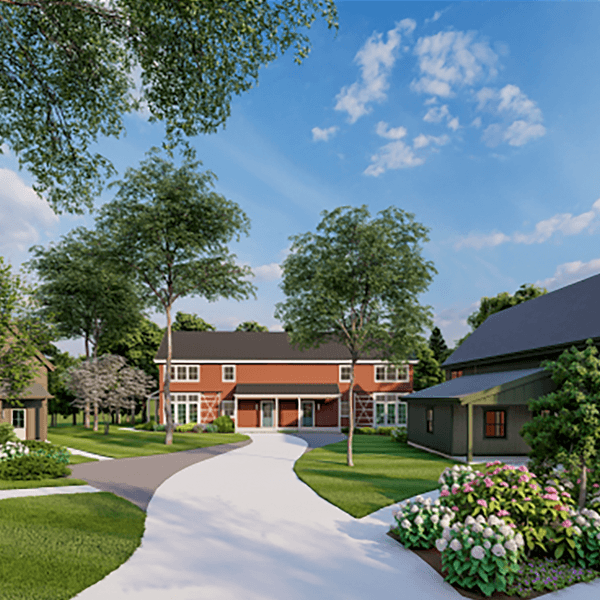
The Millard Brook property itself is owned by affordable housing consultant David Berto. The housing corporation holds an option to purchase it and is considering the development of up to 24 affordable units, likely to be rentals.
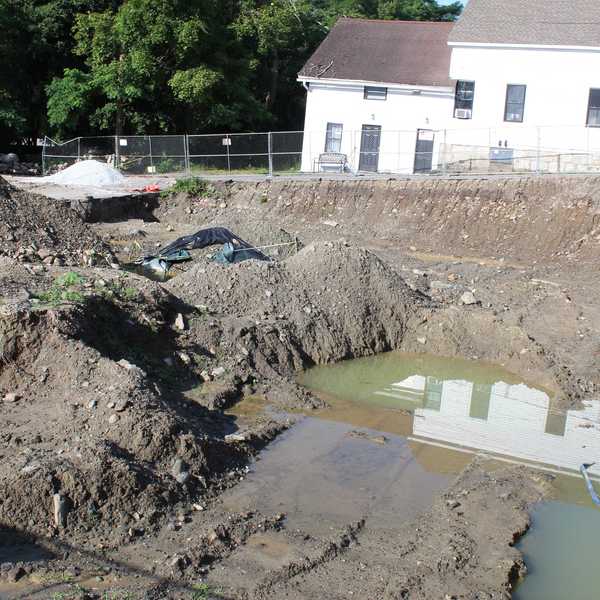
The residentially-zoned property is awaiting a Phase II environmental assessment because of its industrial history. If the assessment determines the site is suitable for development, the housing corporation is expected to purchase the property and begin the town approval process.
Neoweld Corp., a metal fabricator that manufactured steel blankets used in welding, once operated at the site. The operation contaminated the soil and groundwater, according to the U.S. Environmental Protection Agency.
The property was added to the federal Superfund program in 1994. The following year, the EPA excavated approximately 300 cubic yards of contaminated soil and replaced it with clean fill before seeding the area with grass.
The property was later acquired by Richard Burkhart, whose development plans did not materialize. The town eventually took possession because of unpaid taxes, and Berto subsequently purchased it from the town.





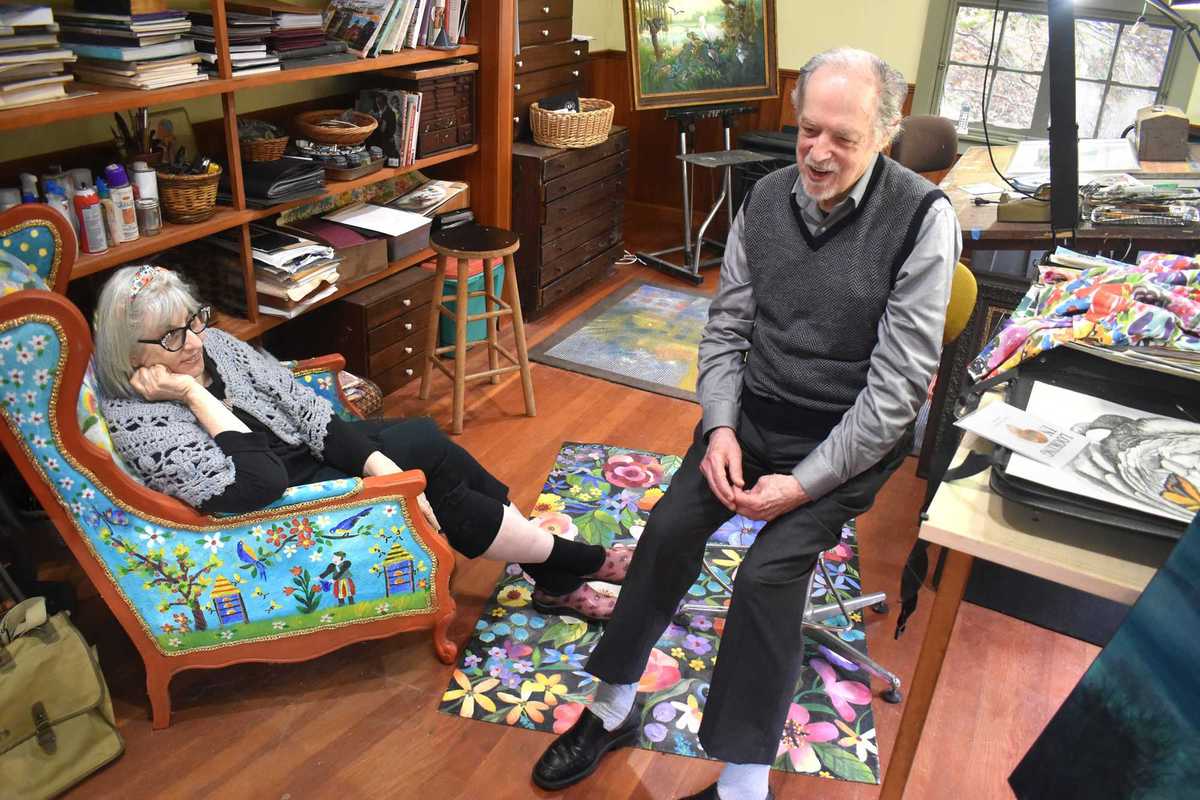
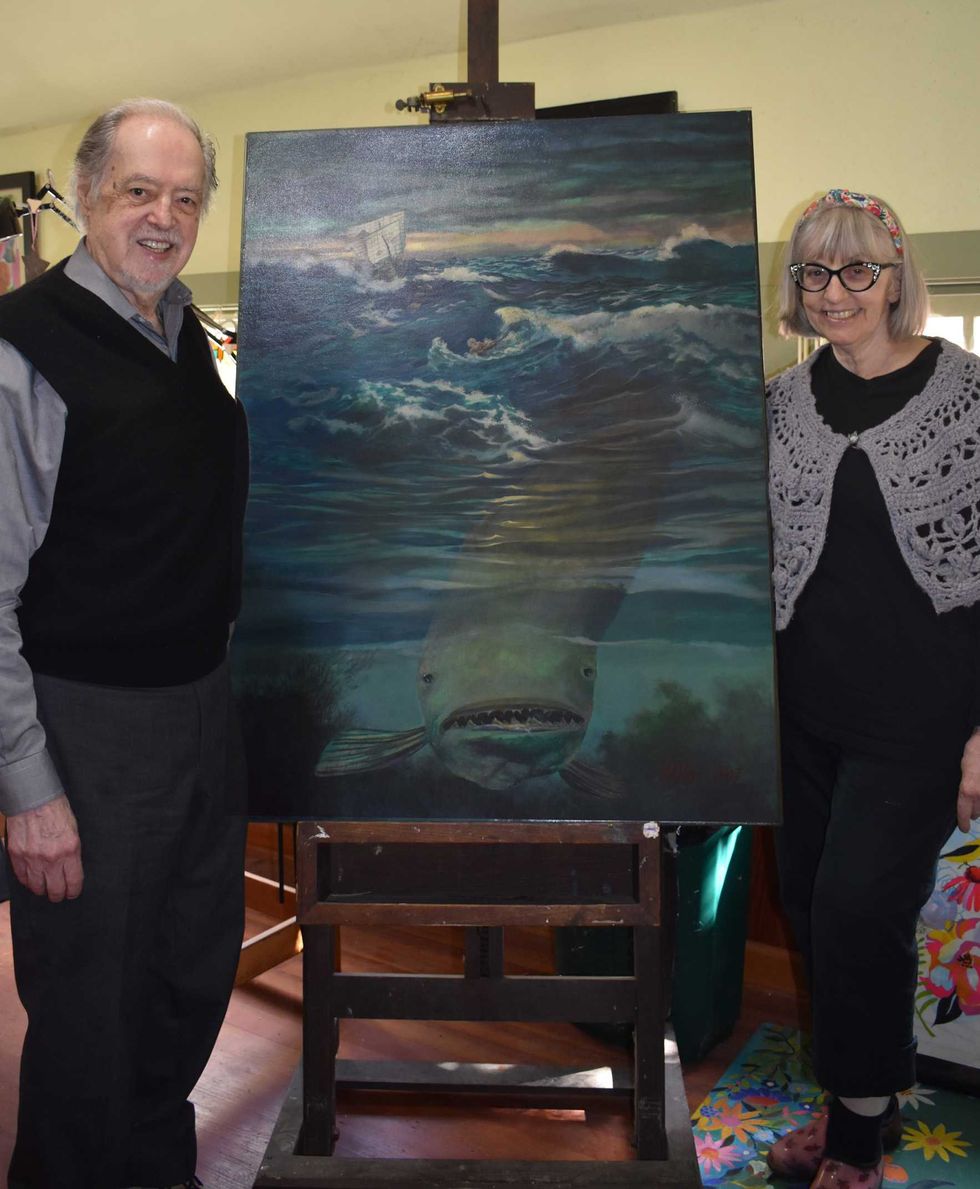 Justine and Victor Valla in their studio with a painting of Victor’s,”Jonah and the Whale.” Robin Roraback


 A ceramic vase by Kathleen Heidemann.Provided
  Joy Brown’s delightful ceramic sculptures.Provided