SALISBURY — Shortly after construction crews dug the foundation for Holley Place, an affordable housing development in Lakeville, crews noticed the smell of fuel oil and brought concerns to the Salisbury Housing Committee (SHC), the developers of the project.
The Salisbury Board of Selectmen discussed the matter during a special meeting on Monday, July 20, confirming that the findings will impact the overall cost and construction timeline for the proposed 14-unit housing project. The discovery of contaminated soil, which occurred in mid-June, forced the project to pause with environmental testing expected to last for at least an additional month.
Holley Place, located at 11 Holley St. in Salisbury, is a project developed by the SHC as a 15,000-square-foot complex with three stories. Officials broke ground on March 24, 2026 after a five-year application and planning process and the building was expected to be ready for occupancy in spring 2027, although that timeline may shift. When complete, the building will feature 10 one-bedroom and four two-bedroom apartments — and a garage beneath the structure with 22 parking spaces.
The SHC, a private non-profit organization, currently owns and operates 50 units of affordable rental housing in Salisbury. Jocelyn Ayer, a consultant for the SHC, shared a written statement to the Board of Selectmen during the meeting addressing the environmental concerns.
Ayer recounted the events after workers from LaRosa Construction discovered the soil that smelled of fuel oil, noting they immediately contacted an environmental consultant to test the soil. Testing confirmed that fuel-impacted soil was present on site, and crews shared the results with the SHC and the Connecticut Department of Energy and Environmental Protection (DEEP).
Ayer said the SHC then immediately hired its own environmental consultant to do further testing to determine the extent of the contaminated soil and notified the town.
Salisbury’s environmental consultant, Russell Dirienzo of Arcadis, said the contaminated soil is not hazardous and that it is not unusual to discover contamination when digging up a historic site.
The 0.31-acre Holley Street property was donated to the town in 1967 by the Belcher family, with the condition that the town demolish the structure originally known as the Holley Block, which dated to the 1890s. The building was subsequently torn down, and the site was later transformed into Bicentennial Park before being identified as a location for affordable housing.
The SHC did conduct a Phase I Environmental Site Assessment before it closed on the funding for the project and said no environmental concerns were identified at that time.
“We are now awaiting a proposal from our environmental consultant with a cost and timeline for the additional testing,” the timeline stated. While the exact timeline remains unclear, officials said it will lead to increased costs and construction delays.
SHC also engaged an environmental consultant, Steve DiNapoli of Big East Environmental in Norwalk, who will continue to work with Dirienzo.
First Selectman Curtis Rand provided little comment on the matter during the July 20 meeting, but said the SHC has been “very cooperative” throughout the process.
Asked about the party responsible to fund and manage potential soil remediation, Selectman Barrett Prinz said, “let’s find out what the problem is first. There might not be a problem.”
Other business
During the July 20 meeting, additional business was discussed, including the recommendation to town meetingto accept a $611,000 bid from Burlington Construction of Torrington to update the historic railroad station on Ethan Allen Street. Updates would include raising the building, adding a new foundation, and moving it back several feet.
The recommendation comes after box trucks continued to hit the roof of the building.
Rand invited additional ideas and comments before an August town meeting.


 Tiffany Lemelin, shelter manager, brushing Marsala upon arrival.Provided
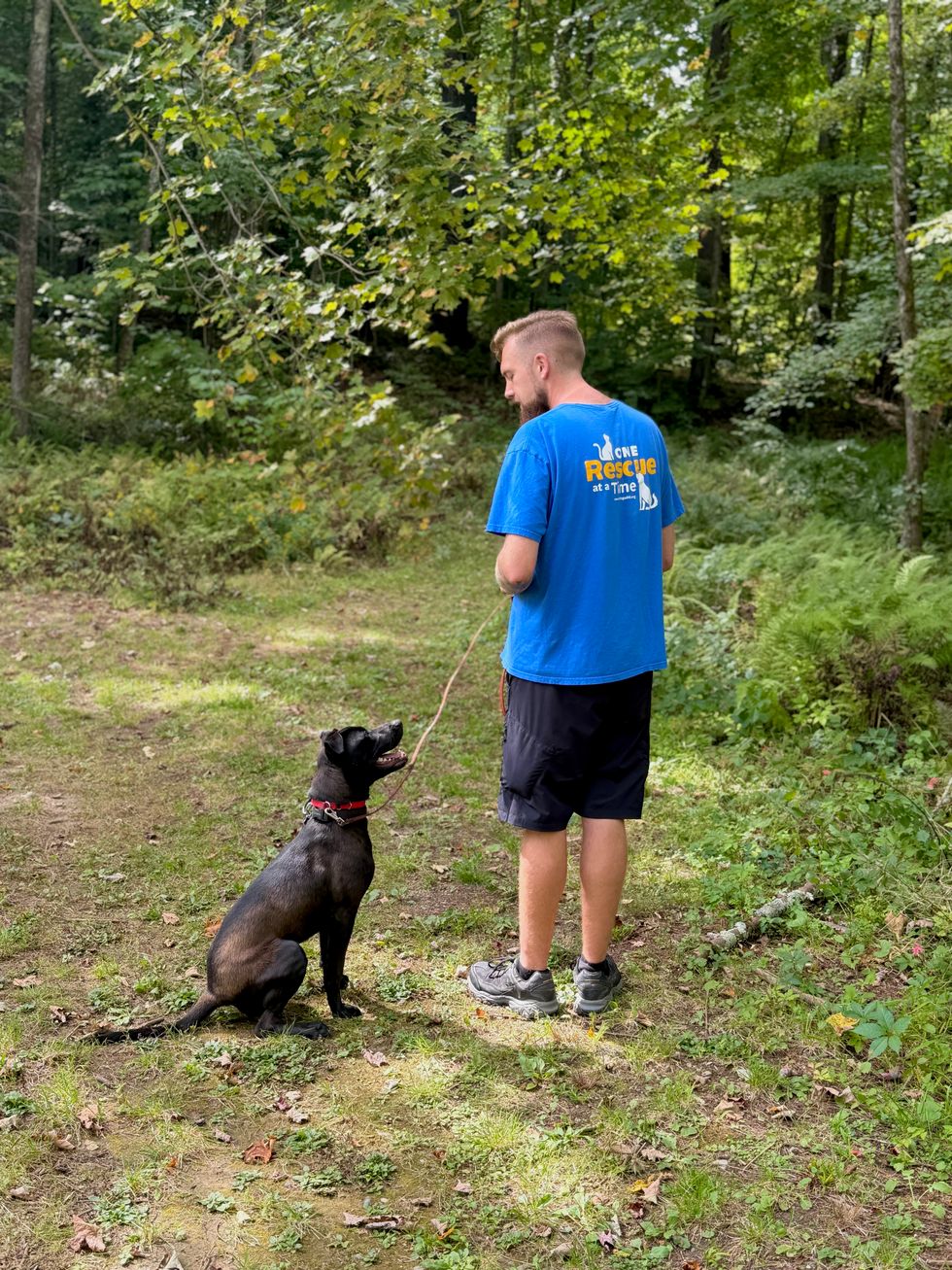 Michael DeBarba, certified dog trainer working with Marsala.Jennifer Almquist
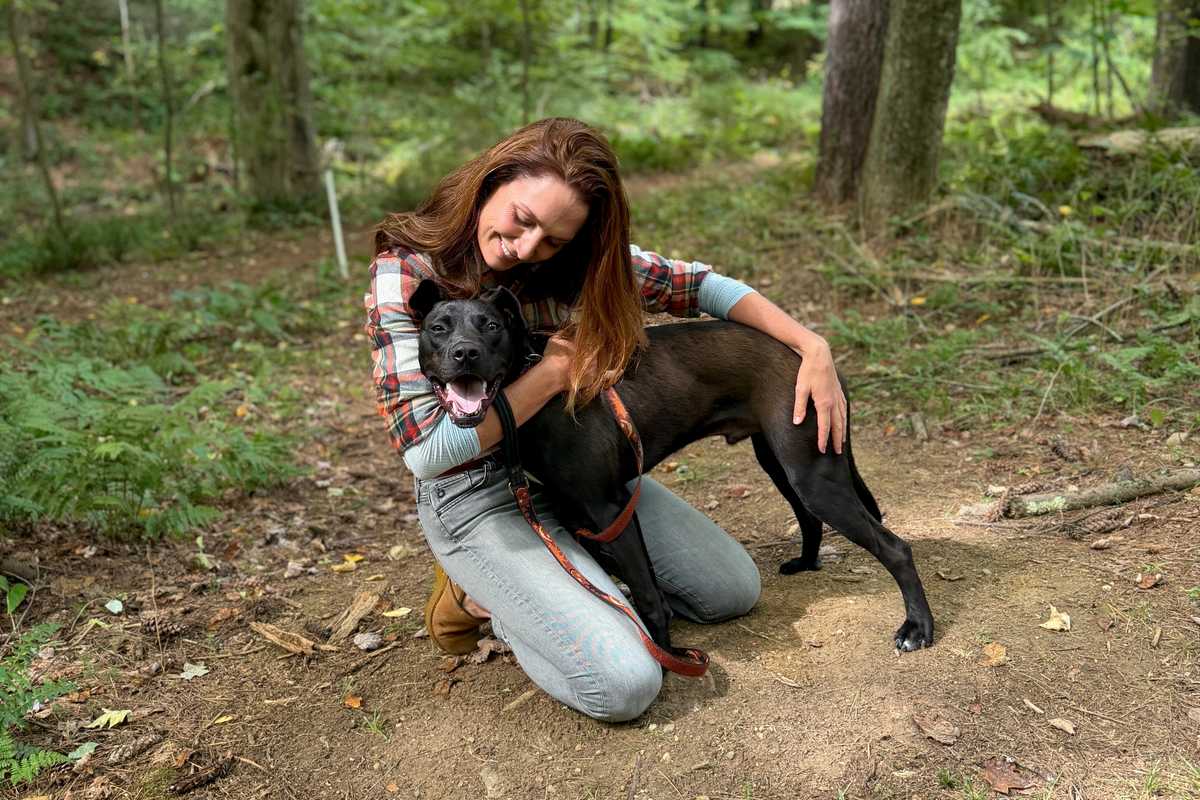 Marsala wins a heart.Jennifer Almquist
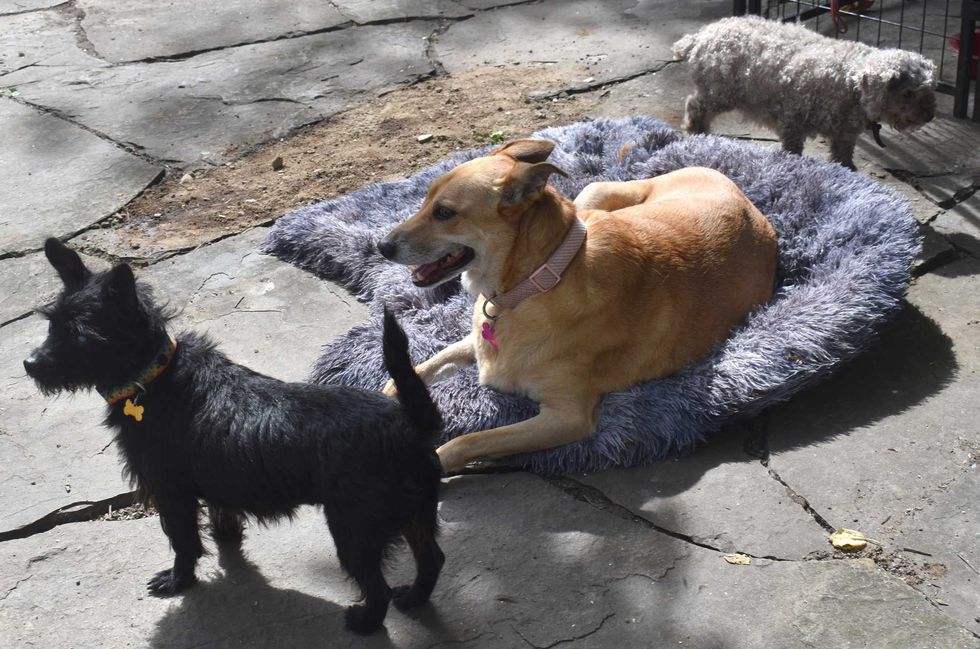 Sadie, center, a Carolina dog, plays with her friend Negra, a terrier mix. Bella Linda, the small poodle, has since been adopted.L. Tomaino
 Wesley, a young, exuberant mix, is looking for an active home.L. Tomaino
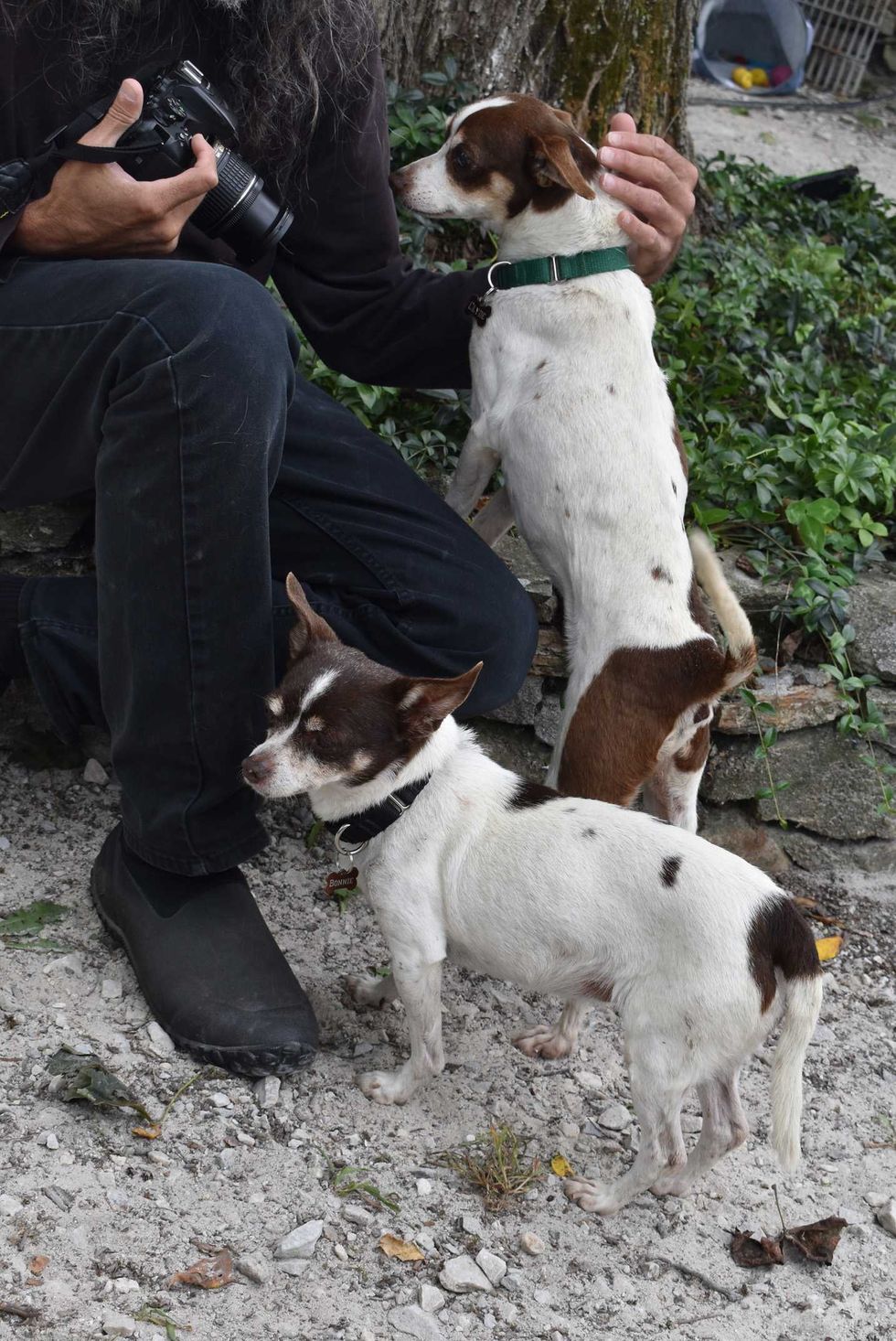 Bonnie and Clyde, an affectionate terrier pair.L. Tomaino
 Provided