Earth Day March for Science in Washington: Think like a proton

Steady rain, soggy fields, sharp-pointed umbrella ribs, and long lines at security checkpoints failed to dampen the spirits of the 12,000 or so participants in the March for Science in Washington, D.C., on Earth Day, April 22. 

People of all ages, and from all over the country, convened for the purpose of celebrating the wonders and the importance of science, as well as protesting new policies that would both decrease funding for scientific research and detract from evidence-based decision-making in health, industry, and public service. (Though one sign claimed another purpose: “I came for the pi.”) 

The crowd listened to four hours of speeches and musical entertainment, followed by the march down Pennsylvania Avenue ending at the Capitol building. As the people around us danced to the music, Rob recalled hearing Ike and Tina Turner sing at his protest debut, the first Earth Day celebration in 1970. 

The marchers included babies in strollers, toddlers on shoulders, teenagers, college students, graduate students, post-docs, doctors, professors, engineers and other active supporters of science or scientists. We met, for example, a field biologist from Seattle, a group of science majors from the University of Maryland and a professor of biochemistry at nearby George Mason University. Not surprisingly, given the size of the crowd, we did not find any familiar faces from the Northwest Corner.

After several text messages, we finally connected with a friend and fellow Nutmegger, Paul Anastas, Yale professor and the EPA’s Assistant Administrator for R&D in the first Obama administration. 

We know that many from our neck of the woods attended local marches for science. There were four satellite March for Science sites in Connecticut and over 600 worldwide. Our son, Charlie, his wife, Minna, and their daughter, Margot, marched in New Haven. 

The organizers of the D.C. march arranged an impressive variety of speakers and musical interludes. All inspired cheers and applause from the rain-soaked throng, but none more than Bill Nye (aka The Science Guy). 

The oldest scientist to enter the stage (proudly and with the aid of a walker) was 91-year-old Dr. Nancy Roman, known as Mother Hubble, former Chief of NASA’s Astronomy and Relativity Programs. Experts from nearly every field of science spoke to the crowd, sharing compelling stories of their passion for science. 

Dr. Caroline Solomon, Professor of Biology at Gallaudet University, delivered her speech in sign language, citing the significant work of other deaf scientists. Manu Prakash, born in India, recalled having no access to microscopes as a child until he built one from his brother’s eyeglasses; now his work at Stanford includes manufacturing and delivering microscopes to underserved students around the world. 

Other speakers represented the National Farmers Union, the American Indian Science and Engineering Society, the Academy of American Poets and a myriad of fields including public health, forensic science, firefighting, architecture and climate science.

As in recent marches and rallies, the handmade signs and targeted chants attracted great attention from photographers, film crews and fellow marchers. We came upon an amiable Tyrannosaurus Rex sporting a sign, “Have some respect for the dead! Seek alternatives to fossil fuels.” A toddler in a stroller offered his view of science: “Chemistry Blows My Mind.” Other sign bearers skipped the witty word play and simply credited science with saving their lives, citing advances in pharmaceuticals and medical intervention: “Fund Science, Find Cures” and “I’m able to walk today because of science.” 

The messages embedded in the signs and chants emphasized the need for reliance on evidence and facts and criticized the new administration’s dismissal and disdain of the scientific process. Other popular themes were peer review, climate change, STEM curricula, alternative energy, life-saving pharmaceutical developments, the impact of scientific breakthroughs on quality of life and the non-partisan nature of science.

All over the world, people marched to draw attention to the very real and vital role that science plays in our lives. As many speakers advised, all of us need to stay engaged in science and appreciate how our lives are served by the work of scientists. 

And one final piece of advice from a marcher: “Think like a proton. Stay positive.”

Barbara and Rob Bettigole live in Lakeville.

Latest News

Living art takes center stage in the Berkshires

Contemporary chamber musicians, HUB, performing at The Clark.

D.H. Callahan

Northwestern Massachusetts may sometimes feel remote, but last weekend it felt like the center of the contemporary art world.

Within 15 miles of each other, MASS MoCA in North Adams and the Clark Art Institute in Williamstown showcased not only their renowned historic collections, but an impressive range of living artists pushing boundaries in technology, identity and sound.

Keep ReadingShow less
Persistently amplifying women’s voices

Francesca Donner, founder and editor of The Persistent. Subscribe at thepersistent.com.

Aly Morrissey

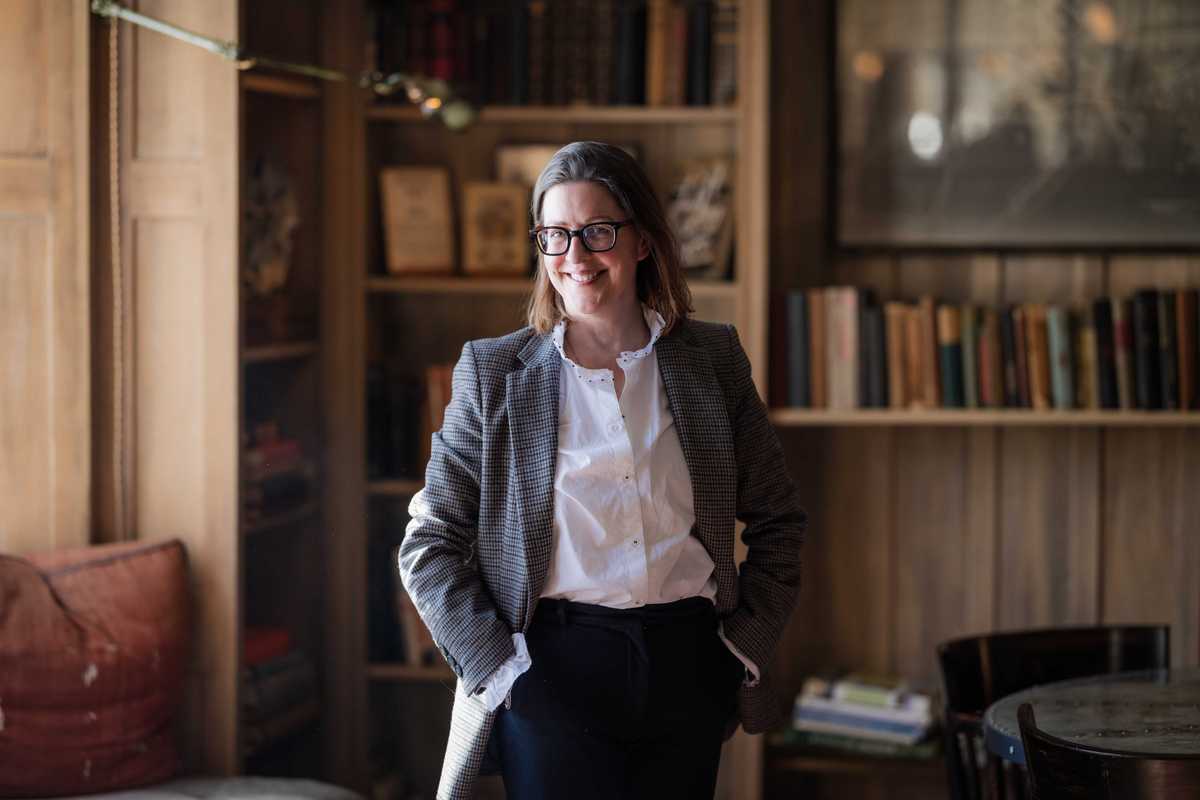
Francesca Donner pours a cup of tea in the cozy library of Troutbeck’s Manor House in Amenia, likely a habit she picked up during her formative years in the United Kingdom. Flanked by old books and a roaring fire, Donner feels at home in the quiet room, where she spends much of her time working as founder, editor and CEO of The Persistent, a journalism platform created to amplify women’s voices.

Although her parents are American and she spent her earliest years in New York City and Litchfield County — even attending Washington Montessori School as a preschooler — Donner moved to England at around five years old and completed most of her education there. Her accent still bears the imprint of what she describes as a traditional English schooling.

Keep ReadingShow less
Jarrett Porter on the enduring power of Schubert’s ‘Winterreise’
Baritone Jarrett Porter to perform Schubert’s “Winterreise”
Tim Gersten

On March 7, Berkshire Opera Festival will bring “Winterreise” to Studio E at Tanglewood’s Linde Center for Music and Learning, with baritone Jarrett Porter and BOF Artistic Director and pianist Brian Garman performing Franz Schubert’s haunting 24-song setting of poems by Wilhelm Müller.

A rejected lover. A frozen landscape. A mind unraveling in real time. Nearly 200 years after its premiere, “Winterreise” remains unnervingly current in its psychological portrait of isolation, heartbreak and existential drift.

Keep ReadingShow less
google preferred source

Want more of our stories on Google? Click here to make us a Preferred Source.
A grand finale for Crescendo’s 22nd season

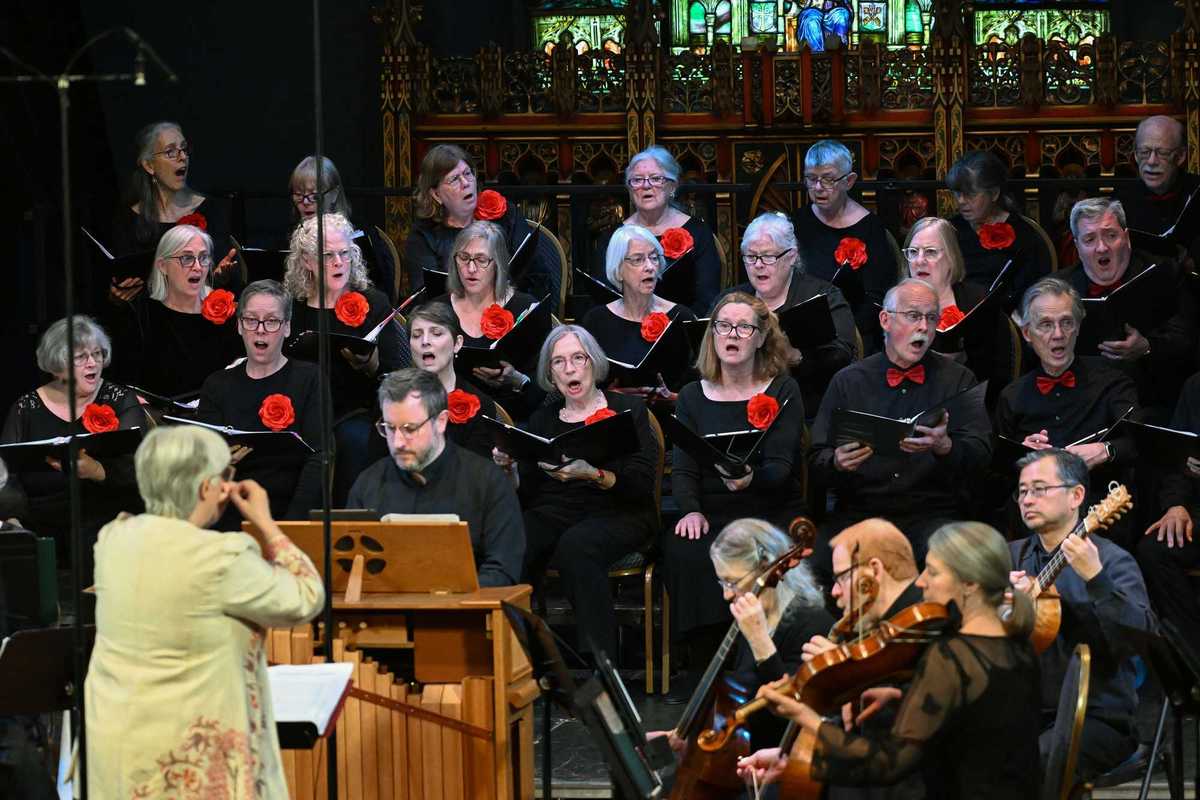
Christine Gevert, artistic director, brings together international and local musicians for a season of rare works.

Stephen Potter

Crescendo, the Lakeville-based nonprofit specializing in early and rarely performed classical music, will close its 22nd season with a slate of spring concerts featuring international performers, local musicians and works by pioneering composers from the Baroque era to the 20th century.

Christine Gevert, the organization’s artistic director, has gathered international vocal and instrumental talent, blending it with local voices to provide Berkshire audiences with rare musical treats.

Keep ReadingShow less

Leopold Week honors land and legacy

Leopold Week honors land and legacy

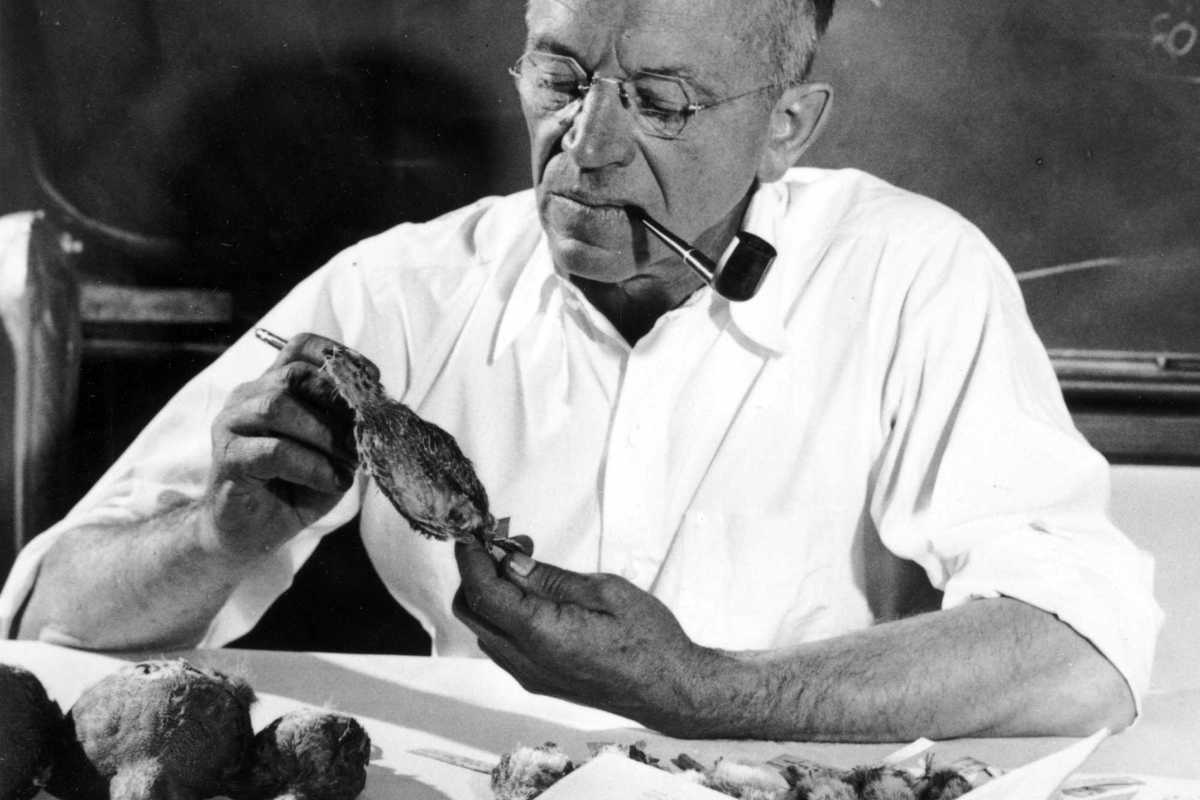
Aldo Leopold in 1942, seated at his desk examining a gray partridge specimen.

Robert C. Oetking

In his 1949 seminal work, “A Sand County Almanac,” Aldo Leopold, regarded by many conservationists as the father of wildlife ecology and modern conservation, wrote, “There are some who can live without wild things and some who cannot.” Leopold was a forester, philosopher, conservationist, educator, writer and outdoor enthusiast.

Originally published by Oxford University Press, “A Sand County Almanac” has sold 2 million copies and been translated into 15 languages. On Sunday, March 8, from 3 to 5 p.m. in the Great Hall of the Norfolk Library, the public is invited to a community reading of selections from the book followed by a moderated discussion with Steve Dunsky, director of “Green Fire,” an Emmy Award-winning documentary film exploring the origins of Leopold’s “land ethic.” Similar reading events take place each year across the country during “Leopold Week” in early March. Planning for this Litchfield County reading began when the Norfolk Library received a grant from the Aldo Leopold Foundation, which provided copies of “A Sand County Almanac” to distribute during the event.

Keep ReadingShow less

Erica Child Prud’homme

Erica Child Prud’homme

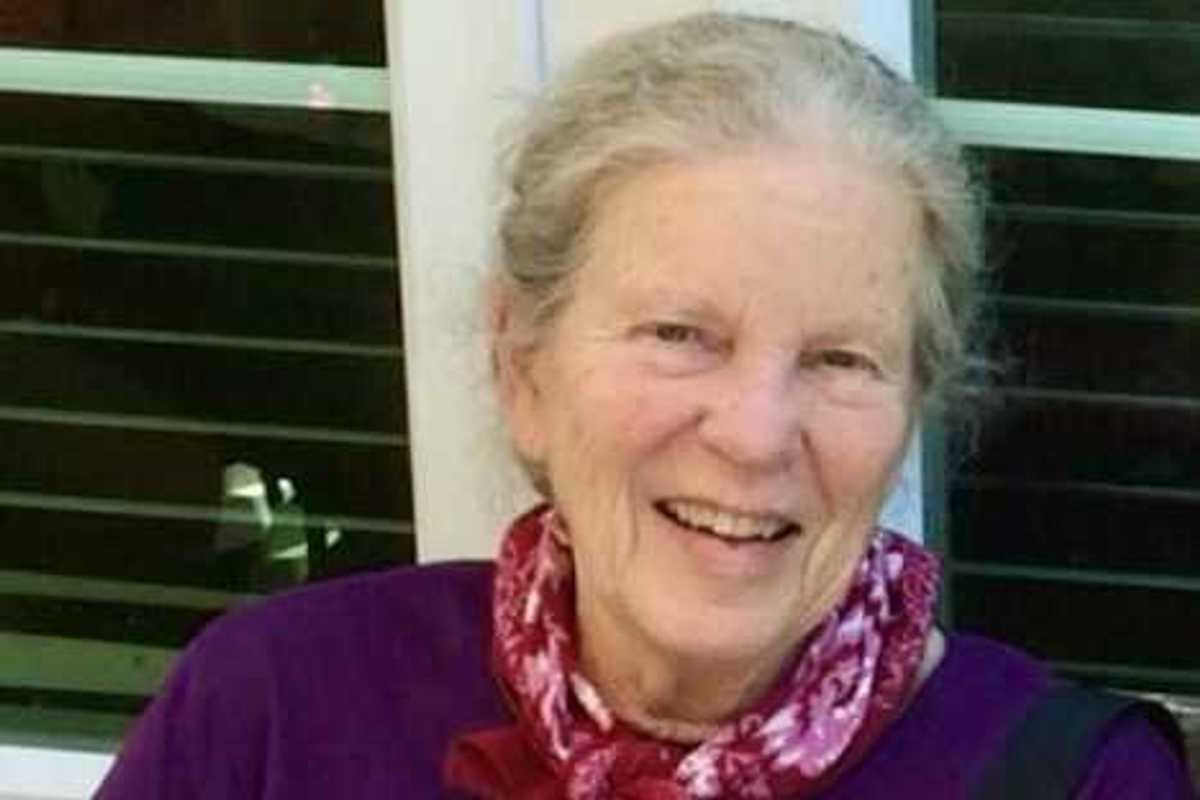
WEST CORNWALL — Erica Child Prud’homme died peacefully in her sleep on Jan. 9, 2026, at home in West Cornwall, Connecticut, at 93.

Erica was born on April 27, 1932, in Doylestown, Pennsylvania, the eldest of three children of Charles and Fredericka Child. With her siblings Rachel and Jonathan, Erica was raised in Lumberville, a town in the creative enclave of Bucks County where she began to sketch and paint as a child.

Keep ReadingShow less
google preferred source

Want more of our stories on Google? Click here to make us a Preferred Source.
google preferred source

Want more of our stories on Google? Click here to make us a Preferred Source.