Eating Cultures

The first thing I learned at the Berkshire Fermentation Festival was the definition of culture. No. This is no reference to art, to social customs, to tribal ideas about justice. Culture is a bundle of microbes that transforms milk into yogurt, flour and water into bread,  coffee beans into a cup of espresso, cabbage into kimchi,  chocolate into a candy bar, dairy into camembert and cheddar, grain into beer, olives into something good to eat (ever try a raw olive?) and soy beans combined with Bacillus subtilis var. natto, into  a viscous (some say slimy) breakfast food credited by some for strengthening the bones of Japanese post-menopausal women.

The fourth year of the Berkshire Fermentation Festival, a “day-long celebration of all things cultured” to achieve “gut health,” opened at the Great Barrington Fairgrounds early Sunday with musicians,  T-shirts urging “Lettuce, Turnup, The Beet;”  guys with lots of hair, pretty women in long skirts and brief tops, children in farm caps, New Yorkers there for the fun of it, and dogs. Lots of dogs, like Mookie, a 125-pound Bernese Mountain Dog who lives in New York City and weekends with his people in Becket, Mass.

Among the 53 vendors were book sellers promoting titles like “A Gut Feeling,” (my favorite), and companies like New Chapter, there to “deliver the wisdom of nature with whole foods and herbs that just incidentally  improve nails, hair and skin,” Lindy Webbe  from Brattleboro, Vt. told me. 

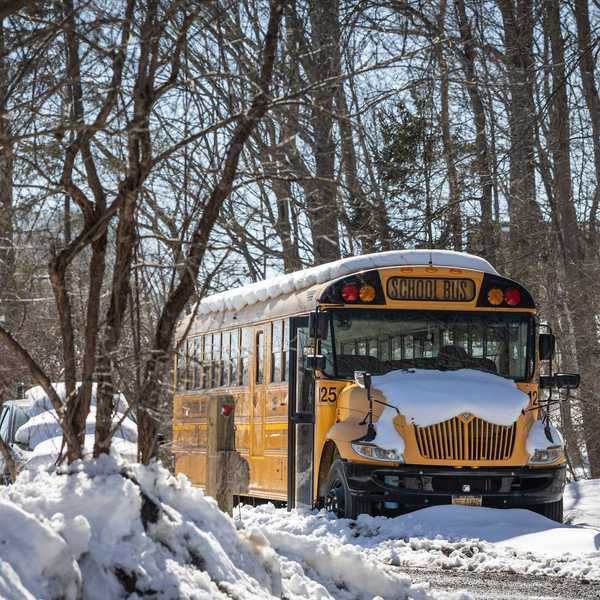
Denise Milano was offering samples of artisanal cheese from grass-fed cows, among them was one cheese she called Nimbus, which was soft, tart, rich and marvelous. During the week Milano drives a school bus but she loves her weekends promoting products from Chaseholm Farm in Pine Plains, N.Y.

Fermenting has probably been practiced for 6,000 or more years, some say. It preserves food and and transforms it into something more interesting, according to Michelle Kaplan, the festival organizer.  “It also promotes good health, good mood and good brain function.”

Among the displays of rosemary- and garlic-flavored ghee  and signs for “Gut health is gut wealth,” and “The amazing real live food company,” there was a table strewn with plucked mushrooms which caught the eye of Locke Larkin, Great Barrington’s health inspector. He wondered why no one was there to supervise the display of amanita mushrooms, one of which with its white cap and gills an observer suspected of being the deadly Destroying Angel, a strange and beautiful sight.                                      

More intriguing yet was a booth devoted to culture swapping. People were invited to contribute their own  mix of microorganisms and try someone else’s. But the most popular site as the day heated up was the beer-making demonstration. A fellow with a sample at hand declared the result, “awesome.”

And lest you get the idea that cultured food is a little bit out there, you know, crunchy and lean, Skyview Farm’s fat grilled sausages on sourdough ciabatta drew very long lines.

Berkshire Ferments, which sponsors the annual Great Barrington Fermentation Festival, describes itself as a collection of fermentation enthusiasts. 


For information, go to berkshireferments.com.

Latest News

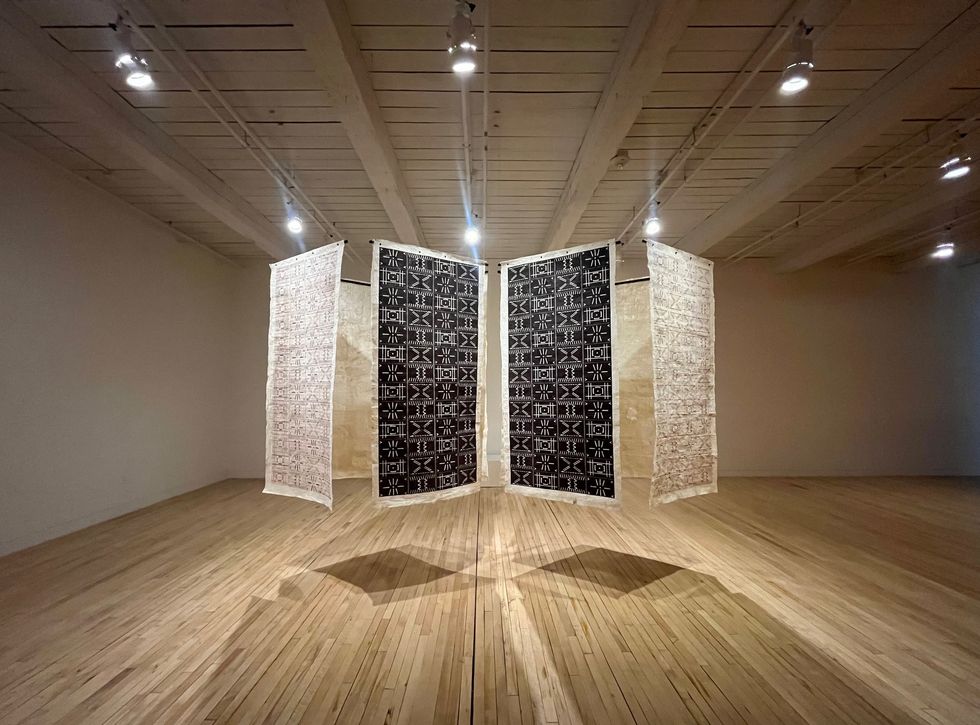
Living art takes center stage in the Berkshires

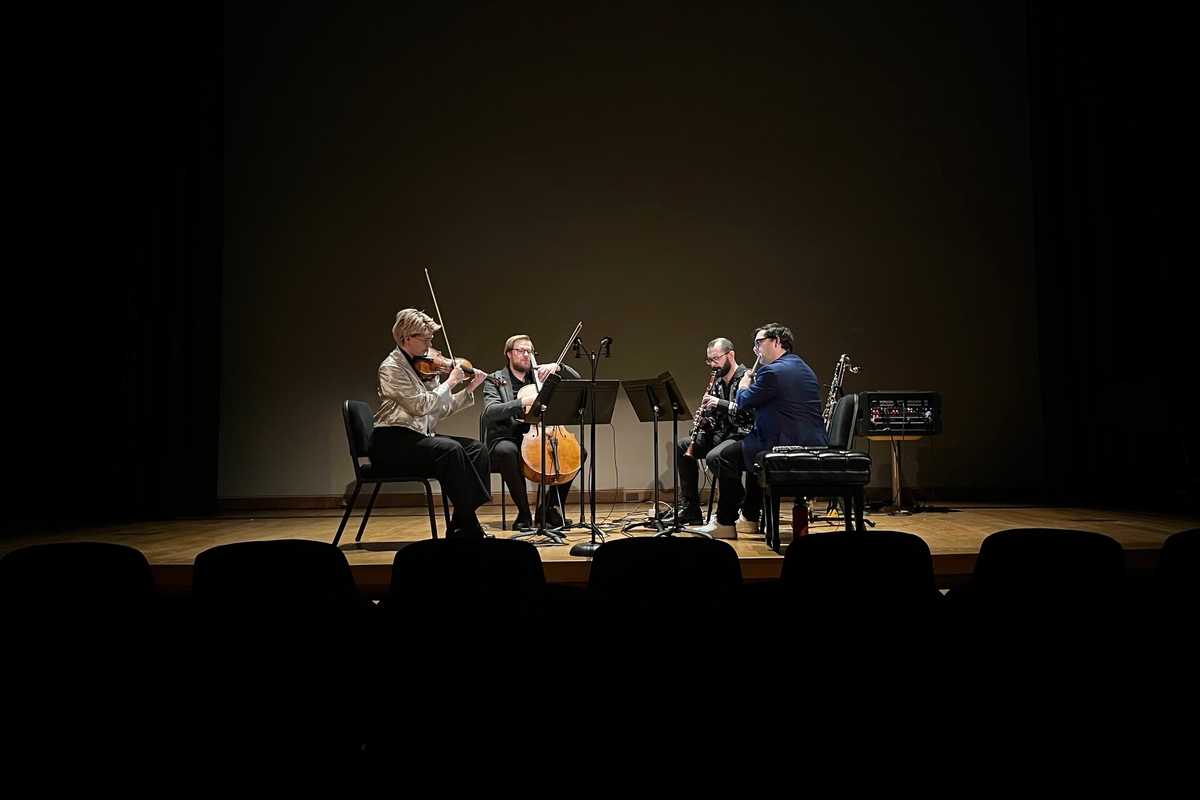
Contemporary chamber musicians, HUB, performing at The Clark.

D.H. Callahan

Northwestern Massachusetts may sometimes feel remote, but last weekend it felt like the center of the contemporary art world.

Within 15 miles of each other, MASS MoCA in North Adams and the Clark Art Institute in Williamstown showcased not only their renowned historic collections, but an impressive range of living artists pushing boundaries in technology, identity and sound.

Keep ReadingShow less
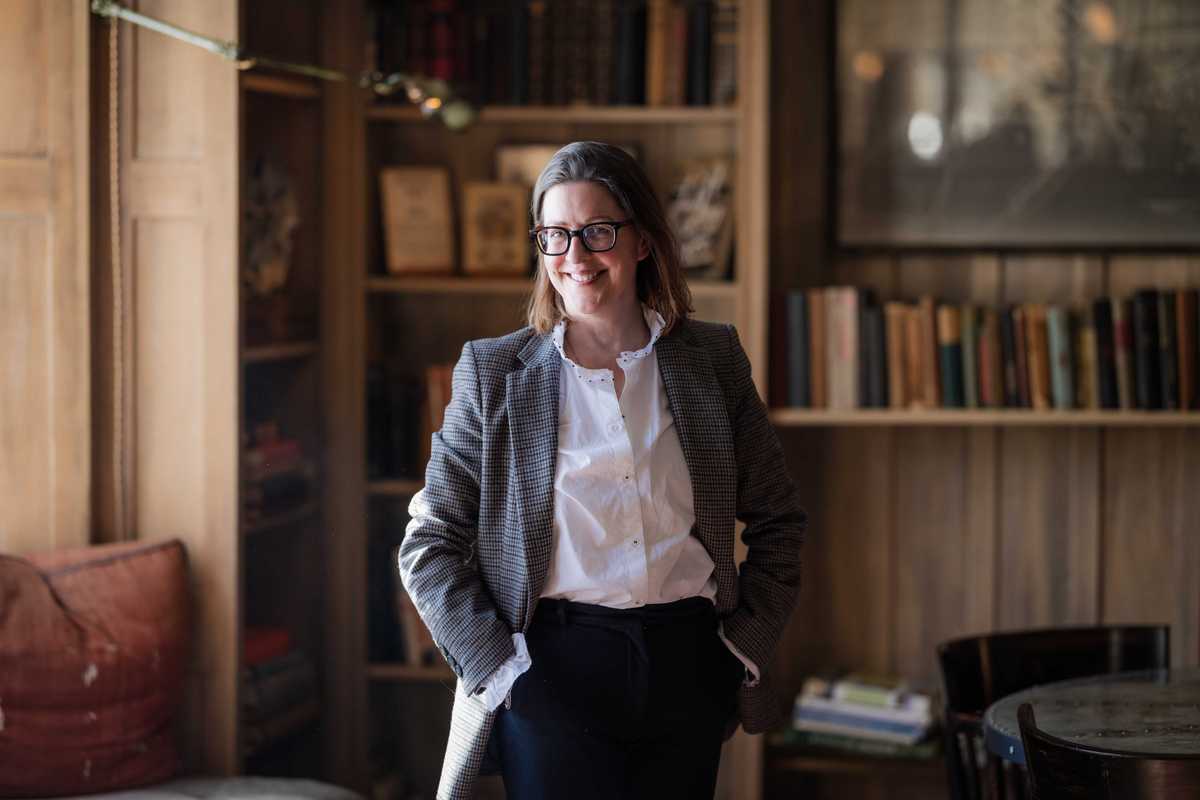
Persistently amplifying women’s voices

Francesca Donner, founder and editor of The Persistent. Subscribe at thepersistent.com.

Aly Morrissey

Francesca Donner pours a cup of tea in the cozy library of Troutbeck’s Manor House in Amenia, likely a habit she picked up during her formative years in the United Kingdom. Flanked by old books and a roaring fire, Donner feels at home in the quiet room, where she spends much of her time working as founder, editor and CEO of The Persistent, a journalism platform created to amplify women’s voices.

Although her parents are American and she spent her earliest years in New York City and Litchfield County — even attending Washington Montessori School as a preschooler — Donner moved to England at around five years old and completed most of her education there. Her accent still bears the imprint of what she describes as a traditional English schooling.

Keep ReadingShow less
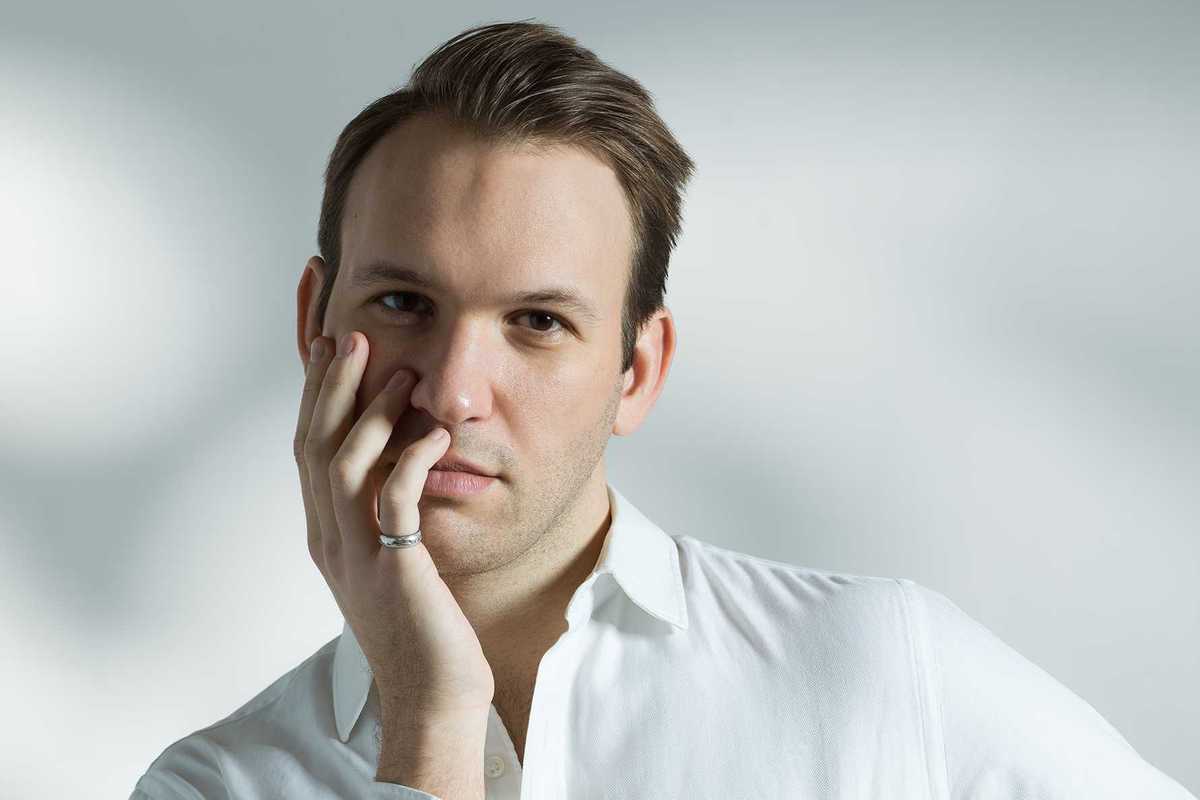
Jarrett Porter on the enduring power of Schubert’s ‘Winterreise’
Baritone Jarrett Porter to perform Schubert’s “Winterreise”
Tim Gersten

On March 7, Berkshire Opera Festival will bring “Winterreise” to Studio E at Tanglewood’s Linde Center for Music and Learning, with baritone Jarrett Porter and BOF Artistic Director and pianist Brian Garman performing Franz Schubert’s haunting 24-song setting of poems by Wilhelm Müller.

A rejected lover. A frozen landscape. A mind unraveling in real time. Nearly 200 years after its premiere, “Winterreise” remains unnervingly current in its psychological portrait of isolation, heartbreak and existential drift.

Keep ReadingShow less
google preferred source

Want more of our stories on Google? Click here to make us a Preferred Source.
A grand finale for Crescendo’s 22nd season

Christine Gevert, artistic director, brings together international and local musicians for a season of rare works.

Stephen Potter

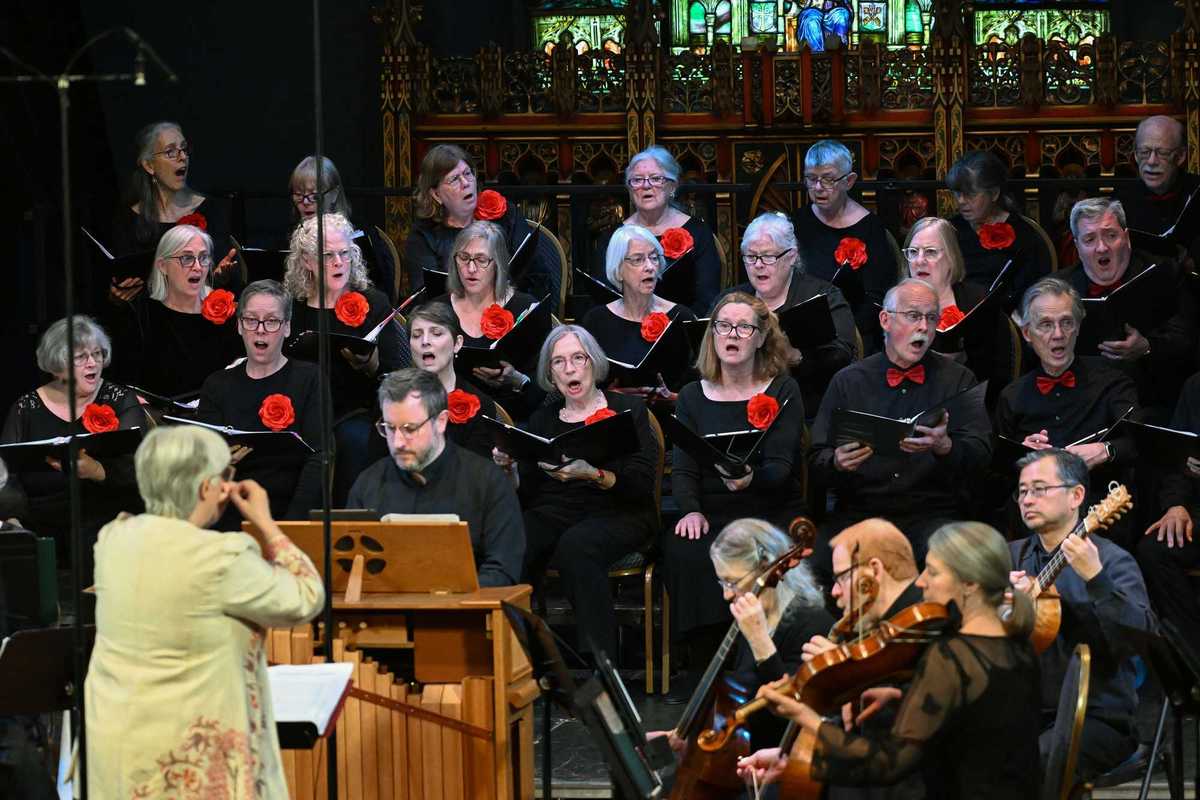
Crescendo, the Lakeville-based nonprofit specializing in early and rarely performed classical music, will close its 22nd season with a slate of spring concerts featuring international performers, local musicians and works by pioneering composers from the Baroque era to the 20th century.

Christine Gevert, the organization’s artistic director, has gathered international vocal and instrumental talent, blending it with local voices to provide Berkshire audiences with rare musical treats.

Keep ReadingShow less

Leopold Week honors land and legacy

Leopold Week honors land and legacy

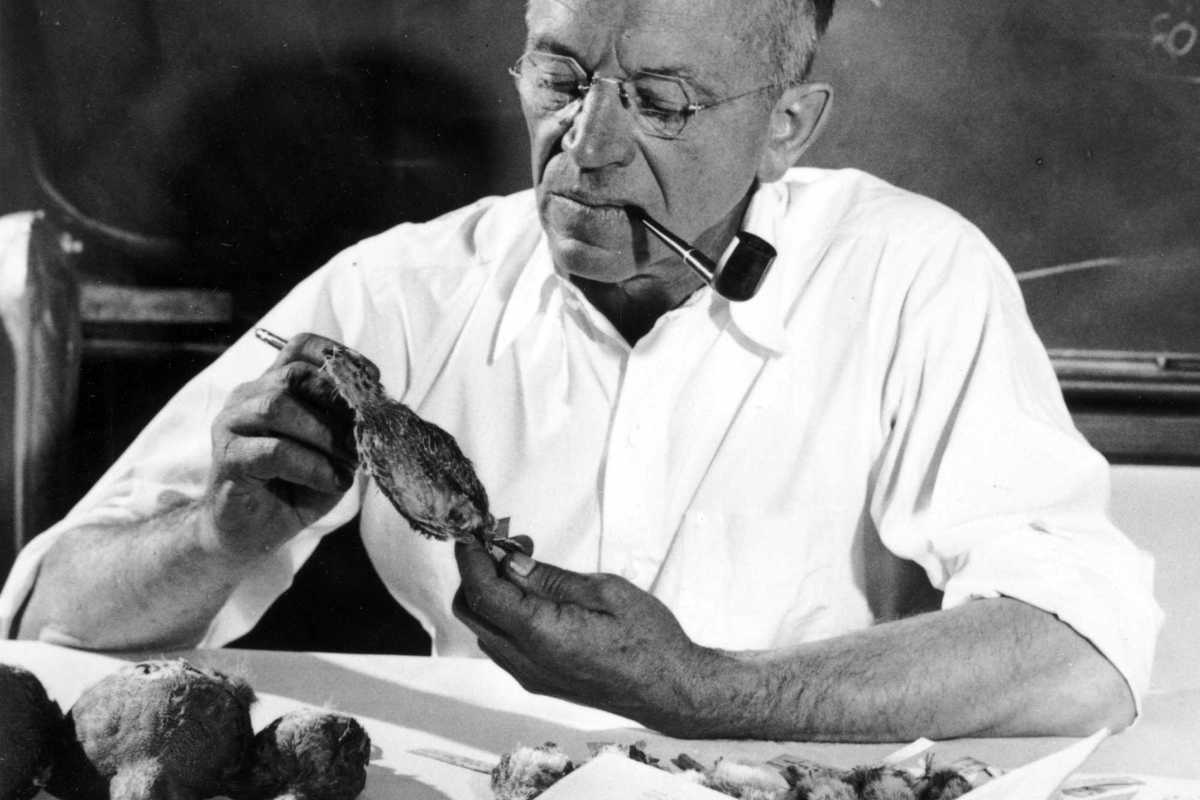
Aldo Leopold in 1942, seated at his desk examining a gray partridge specimen.

Robert C. Oetking

In his 1949 seminal work, “A Sand County Almanac,” Aldo Leopold, regarded by many conservationists as the father of wildlife ecology and modern conservation, wrote, “There are some who can live without wild things and some who cannot.” Leopold was a forester, philosopher, conservationist, educator, writer and outdoor enthusiast.

Originally published by Oxford University Press, “A Sand County Almanac” has sold 2 million copies and been translated into 15 languages. On Sunday, March 8, from 3 to 5 p.m. in the Great Hall of the Norfolk Library, the public is invited to a community reading of selections from the book followed by a moderated discussion with Steve Dunsky, director of “Green Fire,” an Emmy Award-winning documentary film exploring the origins of Leopold’s “land ethic.” Similar reading events take place each year across the country during “Leopold Week” in early March. Planning for this Litchfield County reading began when the Norfolk Library received a grant from the Aldo Leopold Foundation, which provided copies of “A Sand County Almanac” to distribute during the event.

Keep ReadingShow less

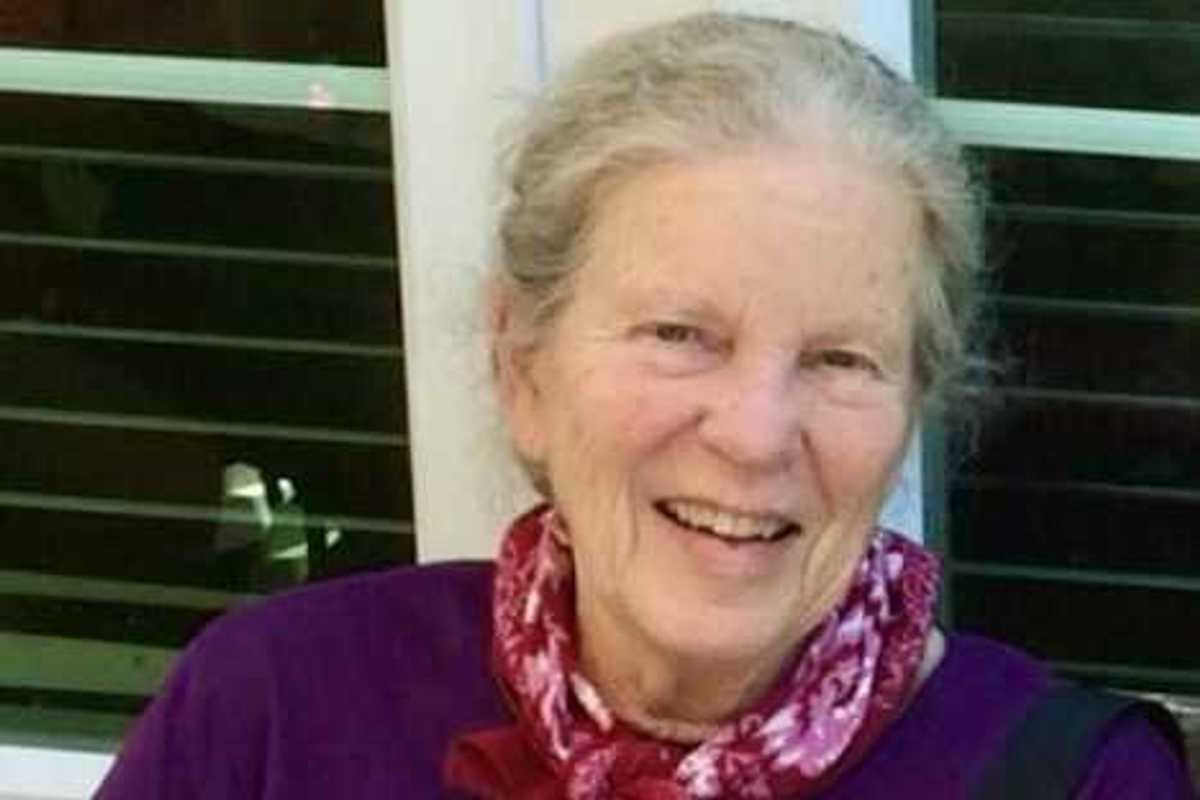
Erica Child Prud’homme

Erica Child Prud’homme

WEST CORNWALL — Erica Child Prud’homme died peacefully in her sleep on Jan. 9, 2026, at home in West Cornwall, Connecticut, at 93.

Erica was born on April 27, 1932, in Doylestown, Pennsylvania, the eldest of three children of Charles and Fredericka Child. With her siblings Rachel and Jonathan, Erica was raised in Lumberville, a town in the creative enclave of Bucks County where she began to sketch and paint as a child.

Keep ReadingShow less
google preferred source

Want more of our stories on Google? Click here to make us a Preferred Source.
google preferred source

Want more of our stories on Google? Click here to make us a Preferred Source.