Enjoy the holidays and stay healthy

Normally, this column preaches moderation. Our mantra at the holidays is, “You only eat like this once or twice a year, go for it, eat what you want, it won’t kill you.�

But this year Hanukkah, the annual celebration of (among other things) oil, follows exactly one week after Thanksgiving, the annual celebration of (among other things) high-carb foods such as stuffing, pie and mashed potatoes.

That’s a lot of heavy food for your body to handle, especially your liver and gall bladder. Especially if you have a holiday cocktail or two, or drink a few glasses of wine while eating (or cooking) your family feast.

I won’t pretend to be any kind of expert on the gastrointestinal and bile duct systems, but what I’ve gleaned from my Internet research indicates that your gall bladder and liver have to work extra hard if you eat a lot of fatty or oily foods; foods with a lot of chemical additives; cured or salted and smoked foods such as gravlax and smoked salmon; and drink alcohol.

If you want to avoid that bloated, crampy, nauseated feeling that indicates you’re overstressing your liver and gall bladder, you should (obviously) avoid the four items on that list.

But if you can’t avoid them (and since it’s the holiday season, you probably can’t — at least, not without insulting someone), you can help offset them with some of the foods that are believed to support those organs.

I’m a big believer in the power of broccoli raab and other dark leafy greens (especially the bitter ones), which stimulate your liver and help it do its cleansing thing. Dandelions, if you still have some (and if you haven’t used any chemicals on your lawn) are supposed to be super-cleansing. Add them to a salad or a stir fry.

If you’ve never cooked broccoli raab, steam it for a minute or two to reduce the size of the leaves and florets. Then saute it all in a nice clean olive oil, with some sliced or diced bits of garlic. Squeeze on some lemon juice, sprinkle with some coarse salt and freshly ground pepper.

Foods rich in sulfur are supposed to keep your liver in tiptop shape. These include garlic, onions and egg yolks.

Water is helpful. Drink lots of it. And keep in mind that water is not a generic term for all liquids, including chemical-laden soft drinks. Water is water. It not only helps keep toxins moving at a good pace through your digestive system, it also helps your kidneys do their thing.

Also excellent for your liver are high-fiber foods. These include grainy pastas and breads,  unprocessed rices, and most vegetables and fresh fruits.

Anyone who has ever attended a Hanukkah celebration knows that one of the most important holiday dishes is the fried potato pancake, also known as a latke.

There are several ways to help reduce the impact of those lovely, oily latkes on your liver. But at the end of the day, keep in mind that this is a dish loaded with salt and oil. Latkes are delicious and can warm your heart; but they’re not good for you, no matter how you cook them.

You can offset the damage in a couple of ways. Most people add onion to their latkes and most people serve apple sauce as a condiment. This is good, as apples are considered a liver-supporting food, in part because they have so much fiber. And of course the onions have sulfur.

Homemade applesauce is amazingly easy, especially if you have a crockpot: Peel your apples, cook them for eight hours on low and then mash them with a potato masher; add a smidgen of cinnamon, vanilla and, if you have them, a handful of raspberries or blackberries. If you get nice sweet, fresh apples, you won’t need to add sugar.

Cranberries are also very cleansing for your liver, but they’re a little hard to take without a lot of sugar, so this is a case of choosing your poison. Homemade cranberry sauce is a great accompaniment to latkes, and chances are you still have some in the refrigerator after Thanksgiving.

For both these condiments, try to use a homemade version, to avoid the added chemicals that are in most commercially produced foods.

As for getting some oniony flavor while modestly decreasing the toxins in your latkes, here’s a trick that’s worked for me for years and has earned a seal of approval from my fussy traditionalist father: in addition to the potatoes, I grate in some fresh apple (peel and core it first) and some daikon root, which is now readily available at the new Sharon Farm Market.

Daikon is a gigantic cousin of the horseradish root. Peel the outside layer and grate some in with your potatoes. For some reason, the added apples and daikon makes the latkes shed oil. You get a nice crisp delicious pancake that cooks quickly and isn’t as soggy or as unhealthy as the usual product.  

As with all holiday dishes, you should do a test run first to decide how much or how little apple and daikon you want to add. I won’t attemp to give a recipe here; as with all family traditions, everyone likes their latkes to taste a particular way.

However, if I were to make a conservative estimate, I’d say you could start with a ratio of one part apples and daikon to two parts potatoes. Enjoy, and mazel tov.

Latest News

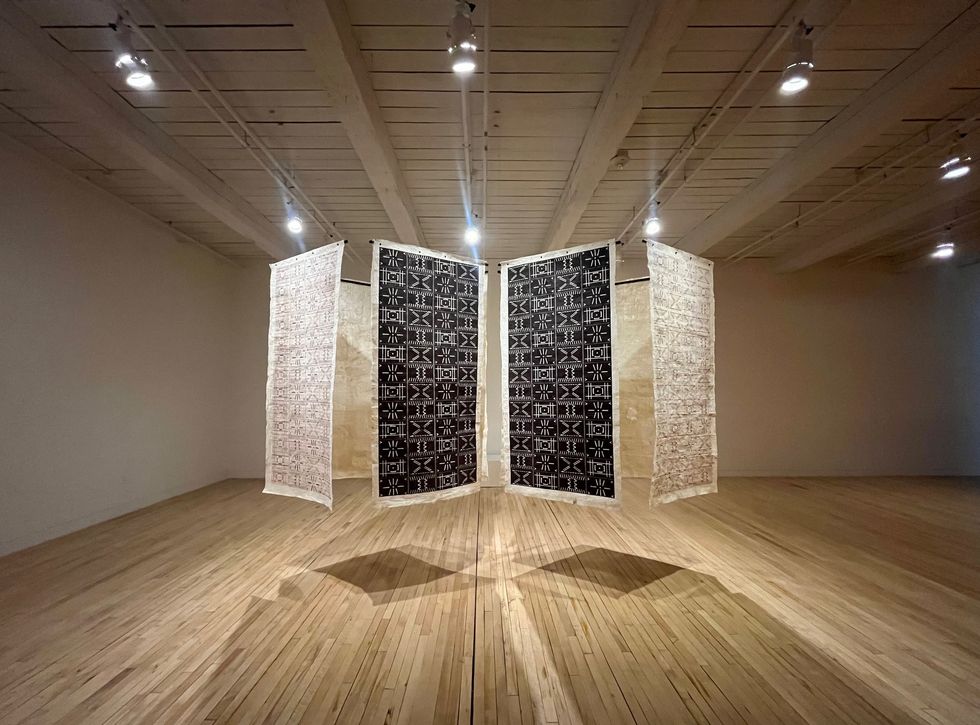
Living art takes center stage in the Berkshires

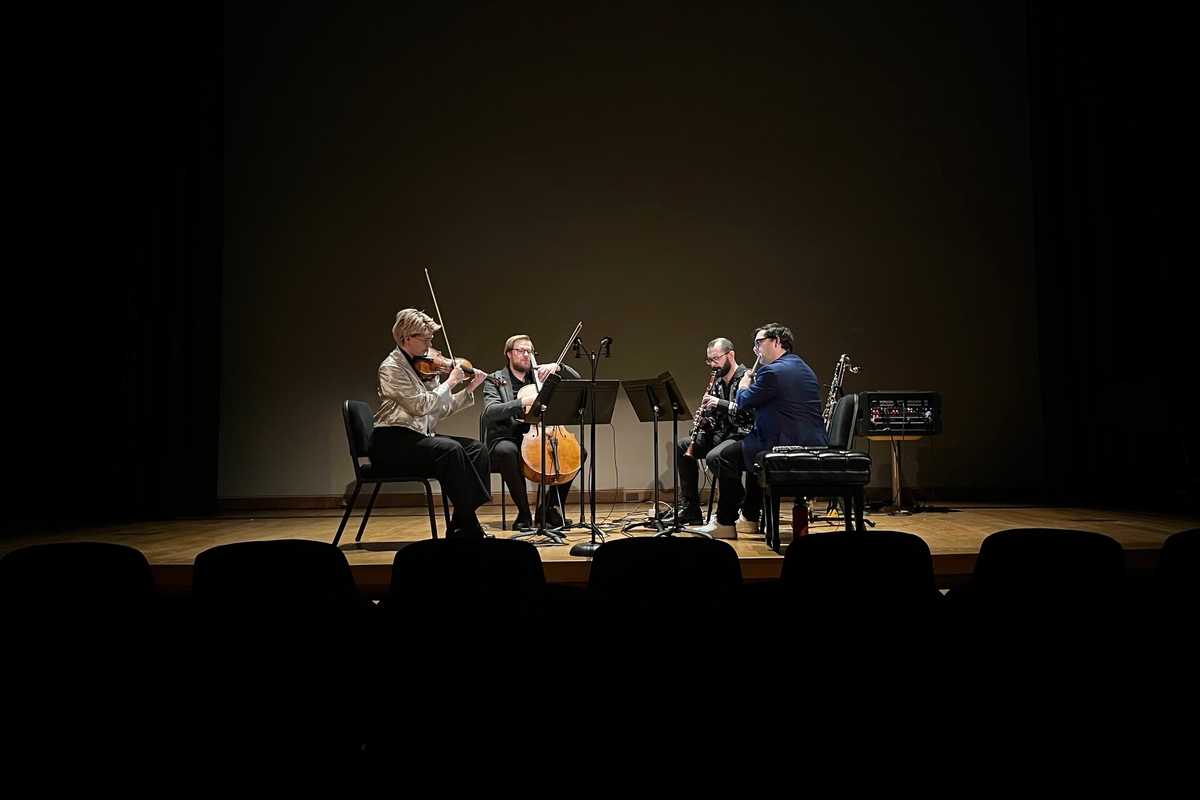
Contemporary chamber musicians, HUB, performing at The Clark.

D.H. Callahan

Northwestern Massachusetts may sometimes feel remote, but last weekend it felt like the center of the contemporary art world.

Within 15 miles of each other, MASS MoCA in North Adams and the Clark Art Institute in Williamstown showcased not only their renowned historic collections, but an impressive range of living artists pushing boundaries in technology, identity and sound.

Keep ReadingShow less
Persistently amplifying women’s voices

Francesca Donner, founder and editor of The Persistent. Subscribe at thepersistent.com.

Aly Morrissey

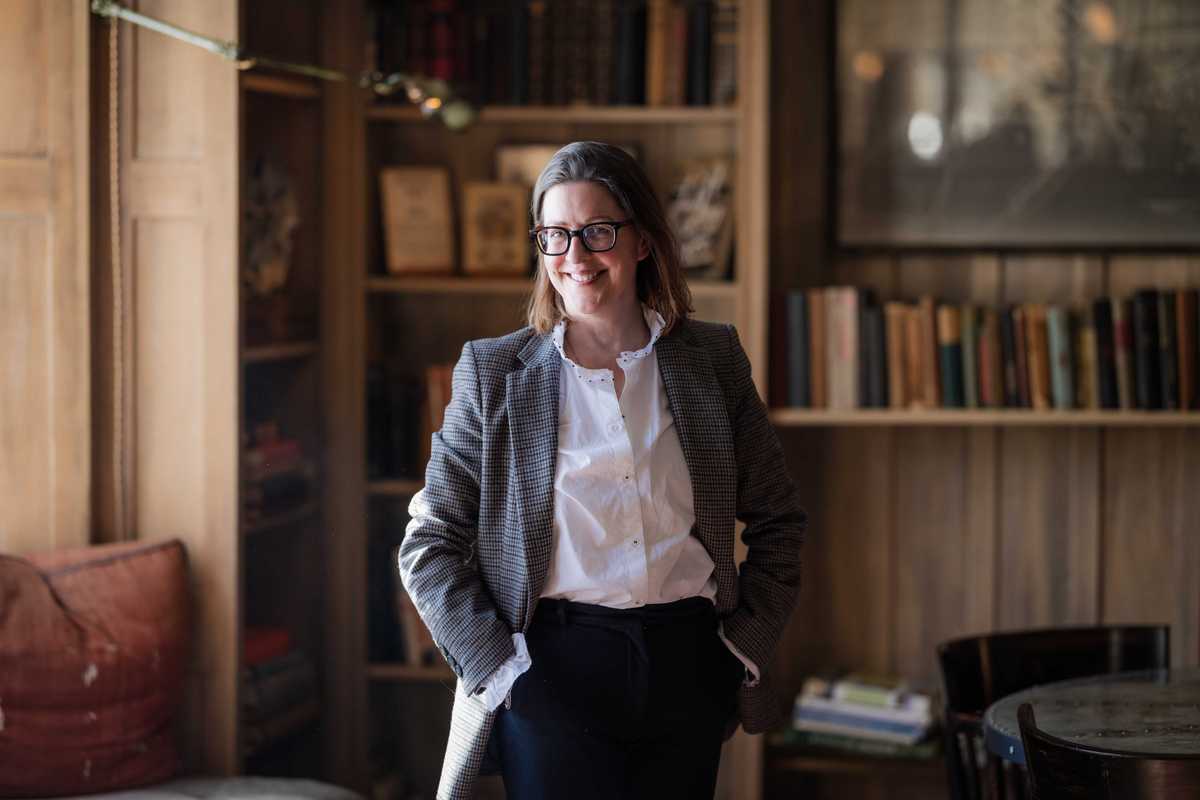
Francesca Donner pours a cup of tea in the cozy library of Troutbeck’s Manor House in Amenia, likely a habit she picked up during her formative years in the United Kingdom. Flanked by old books and a roaring fire, Donner feels at home in the quiet room, where she spends much of her time working as founder, editor and CEO of The Persistent, a journalism platform created to amplify women’s voices.

Although her parents are American and she spent her earliest years in New York City and Litchfield County — even attending Washington Montessori School as a preschooler — Donner moved to England at around five years old and completed most of her education there. Her accent still bears the imprint of what she describes as a traditional English schooling.

Keep ReadingShow less
Jarrett Porter on the enduring power of Schubert’s ‘Winterreise’
Baritone Jarrett Porter to perform Schubert’s “Winterreise”
Tim Gersten

On March 7, Berkshire Opera Festival will bring “Winterreise” to Studio E at Tanglewood’s Linde Center for Music and Learning, with baritone Jarrett Porter and BOF Artistic Director and pianist Brian Garman performing Franz Schubert’s haunting 24-song setting of poems by Wilhelm Müller.

A rejected lover. A frozen landscape. A mind unraveling in real time. Nearly 200 years after its premiere, “Winterreise” remains unnervingly current in its psychological portrait of isolation, heartbreak and existential drift.

Keep ReadingShow less
google preferred source

Want more of our stories on Google? Click here to make us a Preferred Source.
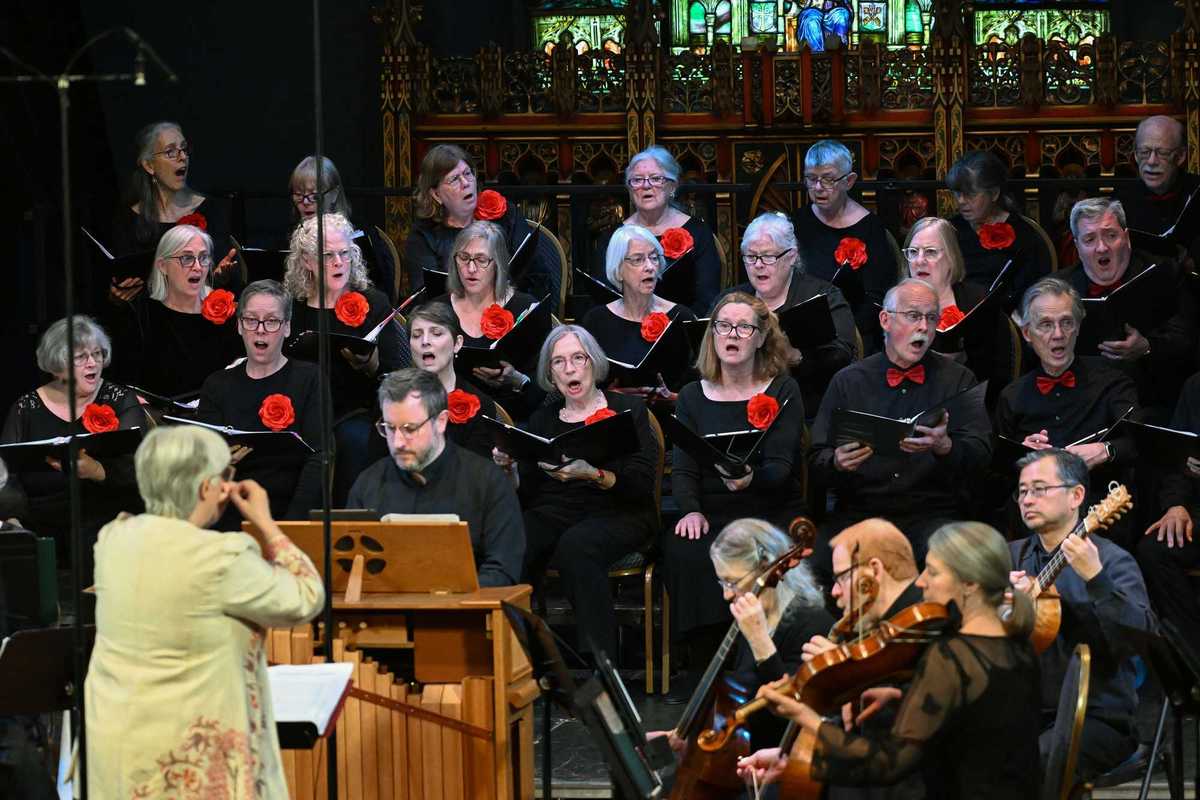
A grand finale for Crescendo’s 22nd season

Christine Gevert, artistic director, brings together international and local musicians for a season of rare works.

Stephen Potter

Crescendo, the Lakeville-based nonprofit specializing in early and rarely performed classical music, will close its 22nd season with a slate of spring concerts featuring international performers, local musicians and works by pioneering composers from the Baroque era to the 20th century.

Christine Gevert, the organization’s artistic director, has gathered international vocal and instrumental talent, blending it with local voices to provide Berkshire audiences with rare musical treats.

Keep ReadingShow less

Leopold Week honors land and legacy

Leopold Week honors land and legacy

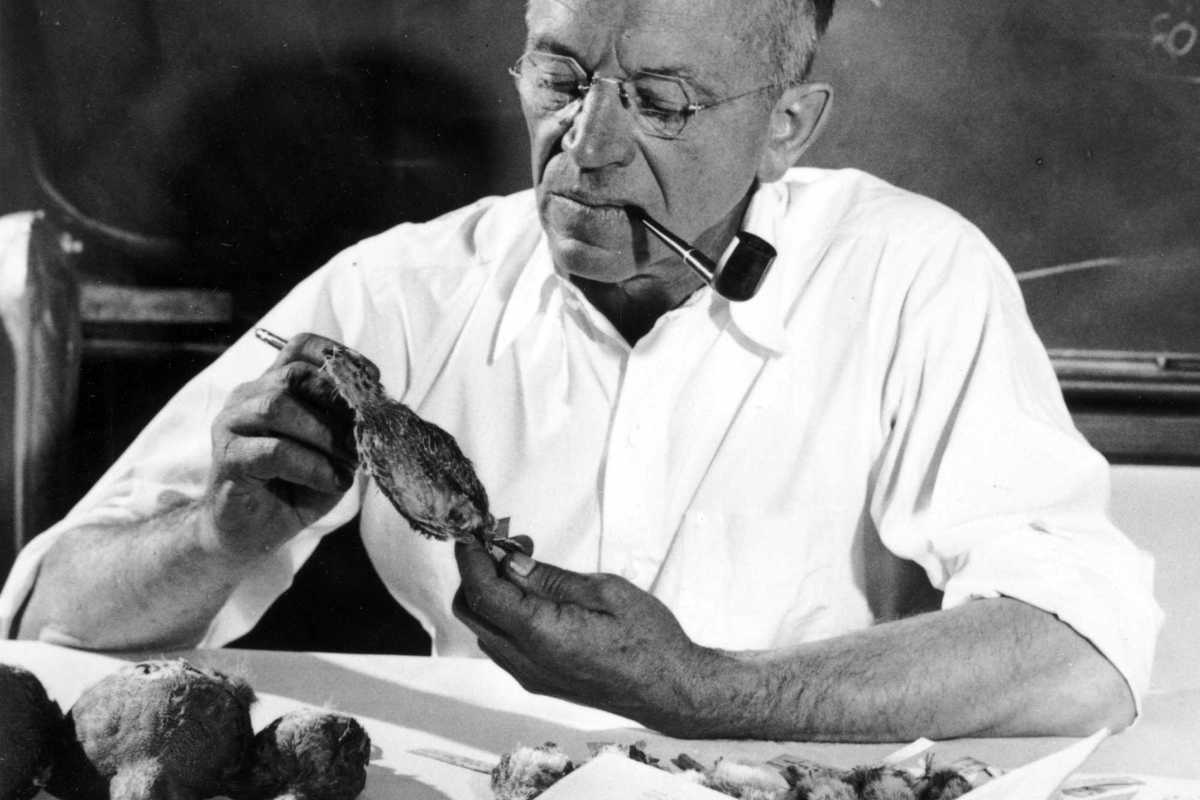
Aldo Leopold in 1942, seated at his desk examining a gray partridge specimen.

Robert C. Oetking

In his 1949 seminal work, “A Sand County Almanac,” Aldo Leopold, regarded by many conservationists as the father of wildlife ecology and modern conservation, wrote, “There are some who can live without wild things and some who cannot.” Leopold was a forester, philosopher, conservationist, educator, writer and outdoor enthusiast.

Originally published by Oxford University Press, “A Sand County Almanac” has sold 2 million copies and been translated into 15 languages. On Sunday, March 8, from 3 to 5 p.m. in the Great Hall of the Norfolk Library, the public is invited to a community reading of selections from the book followed by a moderated discussion with Steve Dunsky, director of “Green Fire,” an Emmy Award-winning documentary film exploring the origins of Leopold’s “land ethic.” Similar reading events take place each year across the country during “Leopold Week” in early March. Planning for this Litchfield County reading began when the Norfolk Library received a grant from the Aldo Leopold Foundation, which provided copies of “A Sand County Almanac” to distribute during the event.

Keep ReadingShow less

Erica Child Prud’homme

Erica Child Prud’homme

WEST CORNWALL — Erica Child Prud’homme died peacefully in her sleep on Jan. 9, 2026, at home in West Cornwall, Connecticut, at 93.

Erica was born on April 27, 1932, in Doylestown, Pennsylvania, the eldest of three children of Charles and Fredericka Child. With her siblings Rachel and Jonathan, Erica was raised in Lumberville, a town in the creative enclave of Bucks County where she began to sketch and paint as a child.

Keep ReadingShow less
google preferred source

Want more of our stories on Google? Click here to make us a Preferred Source.
google preferred source

Want more of our stories on Google? Click here to make us a Preferred Source.