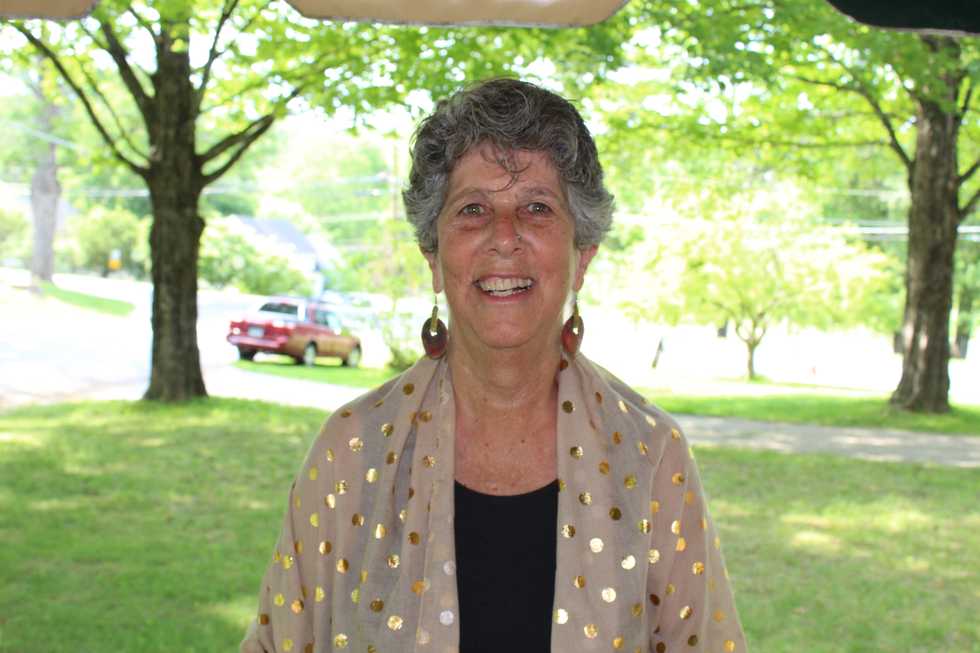
FALLS VILLAGE — In a sign of life returning to normal, author and researcher Jane Fleishman discussed her book “The Stonewall Generation” at the D.M. Hunt Library on Saturday, June 5.
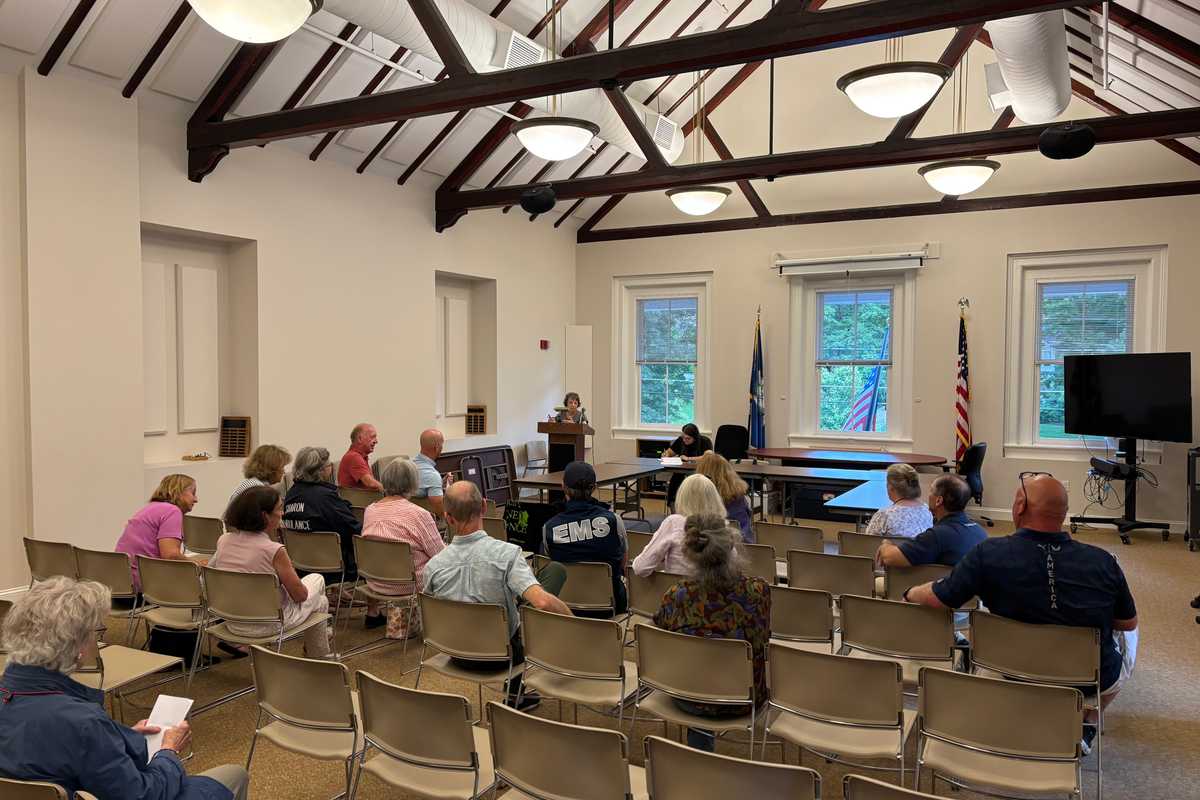
About 20 people attended, sitting under a tent outside the library.
Fleishman said she was excited to deliver a live talk, rather than another online event.
“The book’s been out a year, and this is my first live book talk,” she said cheerfully. “I mean, the whole reason an extrovert like me writes a book …”
The book is a series of interviews of what Fleishman calls “LGBTQ elders” — people who came of age around the time of the famous Stonewall riot of 1969, and two people who were there.
Stonewall is widely regarded as the flash point for gay rights in the United States.
Fleishman said she started the book after writing her dissertation, “which is the worst kind of writing, duller than dull.”
The dissertation “was just numbers; I wanted to hear the stories.”
She said she initially thought the interviews would be confined to people who were at the Stonewall Tavern when it was raided by New York City police on June 20, 1969.
“It turned out to be more than that.”
She said she approached the interviews as would an oral historian, and sent edited transcripts to the subjects for suggestions.
The themes that came up from the interviews included: invisibility, police brutality, violence, racism, sexism, homophobia, religion, loss of children and/or families, allies, and activism.
One of the subjects, whom Fleishman described as a “multiracial bisexual activist woman,” spoke of the hostility she received from her lesbian friends when she came out as bisexual.
A gay man from Dallas remembered the strategies gay people had to use to avoid arrest.
And a black lesbian woman from Washington, D.C., said she was “tired of peaceful protests” because “nothing happens.”
The woman went on to say that she finds racism and sexism to be bigger problems than homophobia.
Fleishman said she felt it important to get the stories of this aging cohort of people, and to get a sense of the history of gay people in the United States.
She noted the activism of young people today, which is slightly different than that of prior generations, and said, “My feeling is it’s time for me to take a step back.”
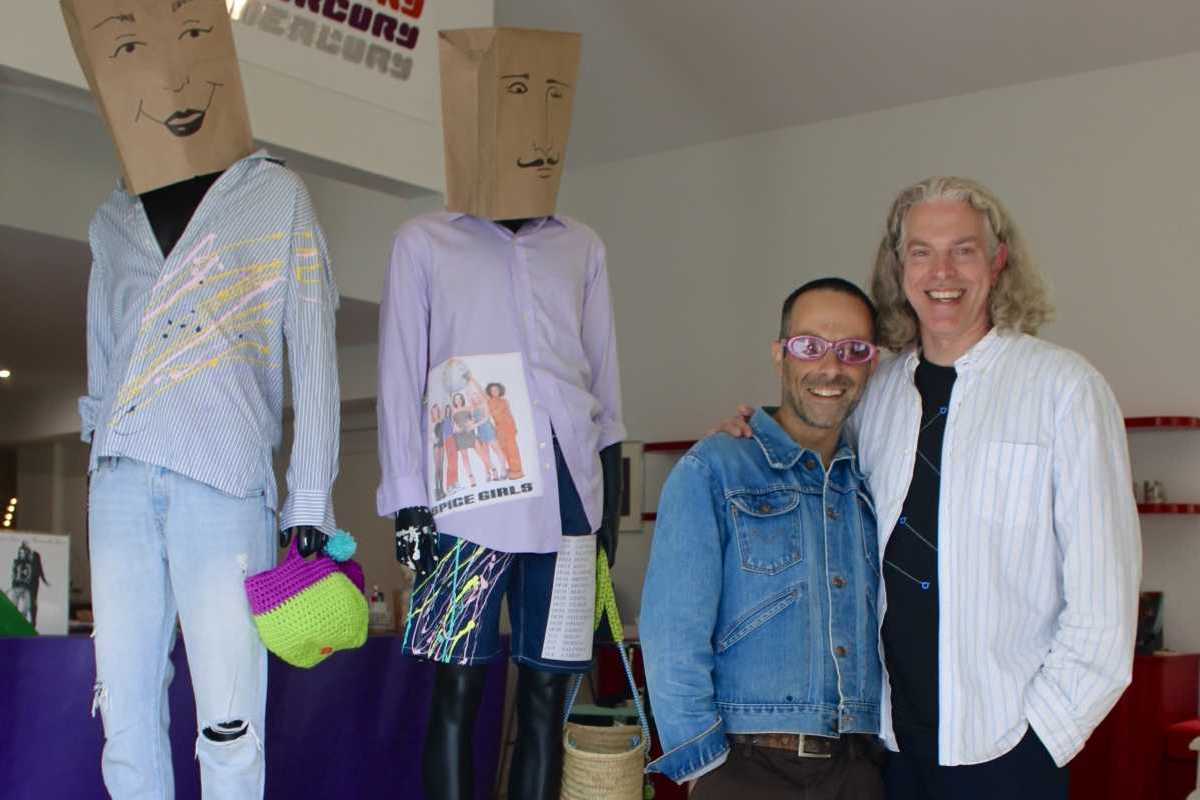
 Classic styles, bold colors, and creative concerts make up the “Imaginary Concerts” line at Peggy Mercury.Provided
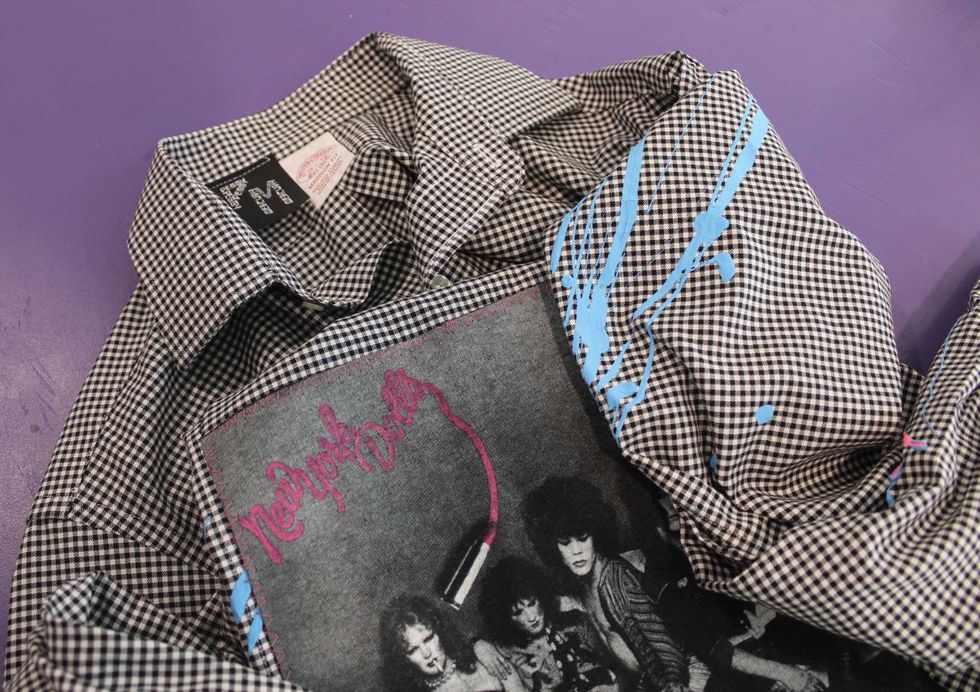
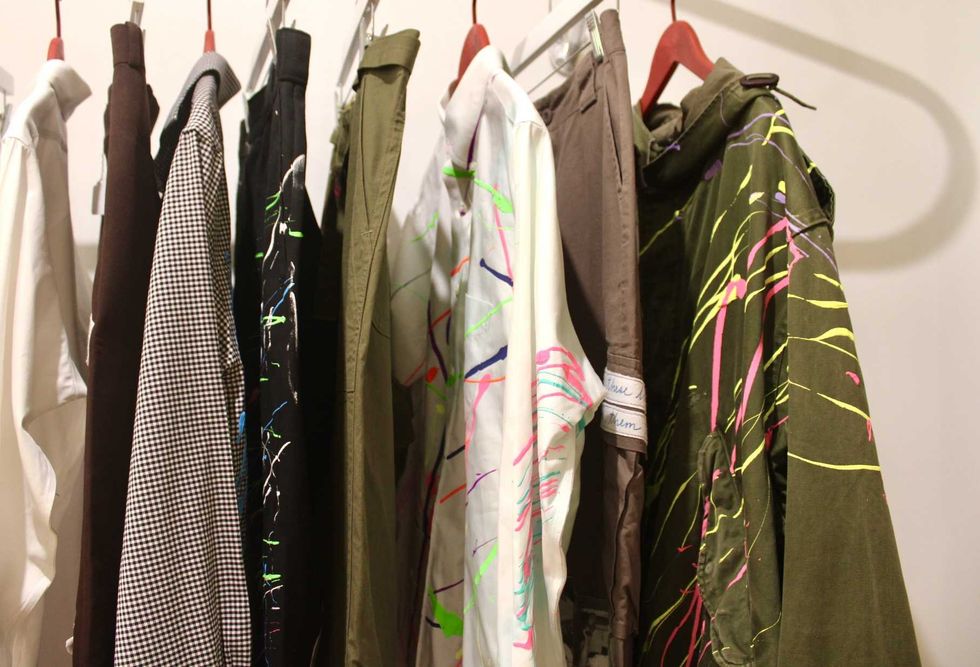 Shirts from Peggy Mercury’s first fashion line, “Imaginary Concerts,” hang on display.Provided