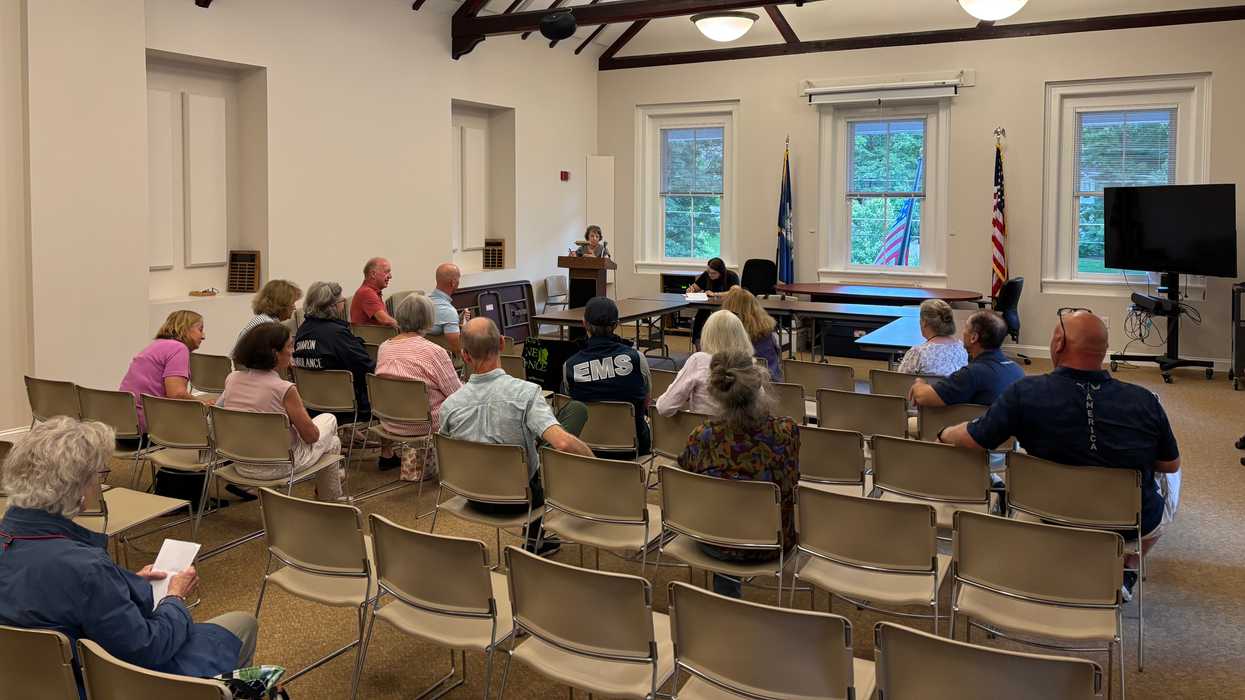
SHARON — Sharon voters unanimously approved splitting $24,000 in opioid settlement funds between the town’s ambulance service and a regional fund supporting addiction prevention, harm reduction and mental health services.
The decision Thursday, Aug. 27, came two months after voters rejected an earlier Board of Finance-backed proposal, 27-11, at a June 18 town meeting. Residents had expressed concern about directing all the money, which must be used for opioid remediation, to a regional organization rather than supporting the town’s emergency medical service.
The revised plan allocates $14,000 to Sharon Ambulance and $10,000 to the Regional Opioid Response Fund, or RORF, managed by the Northwest Hills Council of Governments.
As additional settlement payments arrive through 2039, the town will have to vote again on whether to continue splitting the money between the two groups or adopt a different distribution plan.
Sharon Ambulance has said it intends to use its share to purchase and maintain equipment used during overdose responses.
The RORF supports harm-reduction initiatives and broader mental health services across the Litchfield Hills intended to reduce addiction risks and provide resources to vulnerable residents, according to Leonardo Ghio, the council’s director of rural health.
To date, the fund has received $175,000 in opioid settlement money from towns in the region and spent approximately $133,000 on harm-reduction supplies, addiction-awareness programming, mental health support and other initiatives.
Several towns, including Kent, Falls Village and Norfolk, have allocated their entire settlement payments to the RORF. Others, including Cornwall and North Canaan, have split the money between the regional organization and local mental health and substance-use disorder services, such as Greenwoods Counseling and Referrals.
Salisbury has yet to establish a distribution plan for its funds, which total approximately $40,000 to date.
Ghio attended Thursday’s meeting with Julia Jagger, an outreach and recovery navigator with Greenwoods whose position is funded by the RORF.
Jagger previously worked from a Greenwoods outreach site at Sharon Hospital, but the service ended because of funding changes. She said she plans to resume working from the hospital with support from the settlement funding.
Jagger said her role is to connect with people in need wherever they are.
“I can go directly to people’s homes,” Jagger said. “I can meet them somewhere out here. … The whole goal of my position is to try to reduce people feeling like they need to go to Torrington or Poughkeepsie for services that they can get access to now.”
Greenwoods is not a crisis-response service, however, and in an emergency, “it’s going to be first responders that are responding,” Jagger said.
Ghio said the regional fund’s strength lies in its ability to pool payments, which are distributed unevenly among towns and often arrive in small amounts from companies implicated in the opioid crisis, including Walmart, CVS and Purdue Pharma. Combining the payments allows the council to fund more substantial regional initiatives, he said.
Ghio estimated that Sharon will receive approximately $62,000 over the full settlement-distribution period. Nearby Washington, which directs all its opioid settlement money to the RORF, has already received $52,000, he said.
By comparison, Ghio projected that Morris will receive only about $3,500 by the time all the payments have been distributed.
“What in the world is Morris going to do that will be impactful with $3,500 alone?” he said. “Pooling the money together allows us to just have that greater impact across the region, knowing that we share borders and neighbors, and that people travel from one town to the other.”


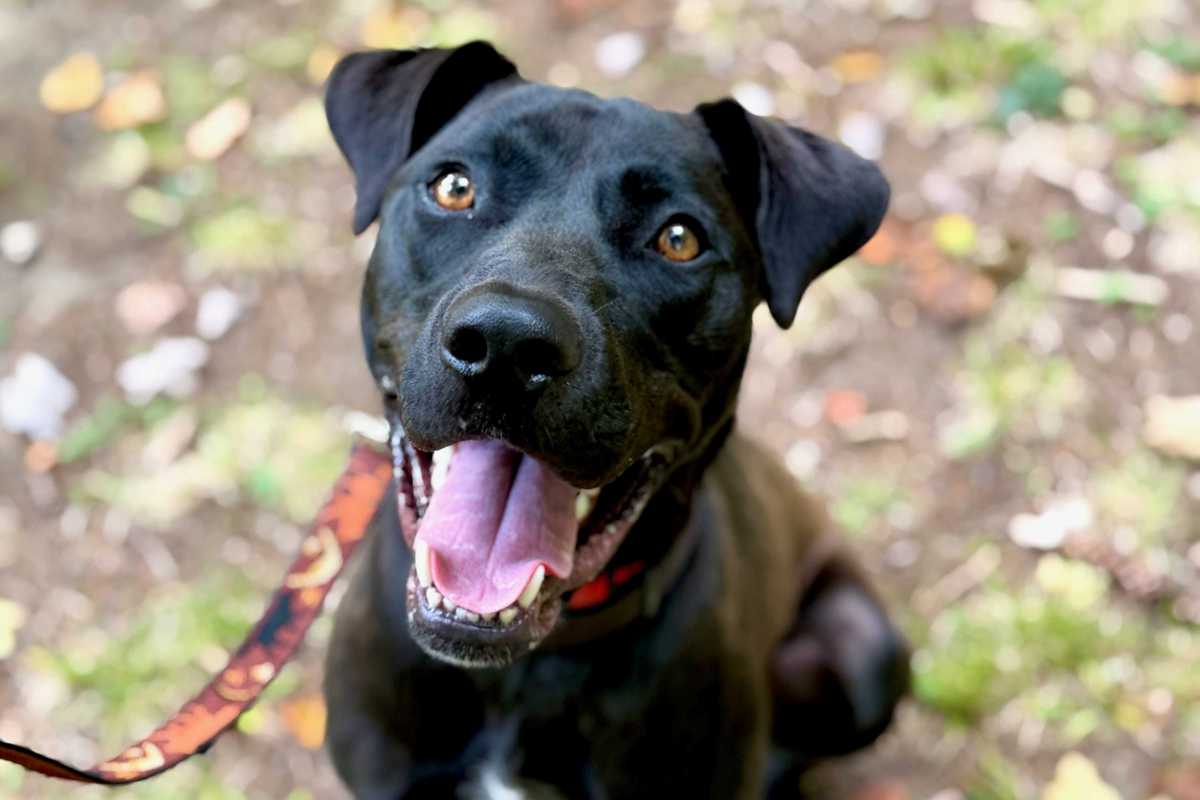
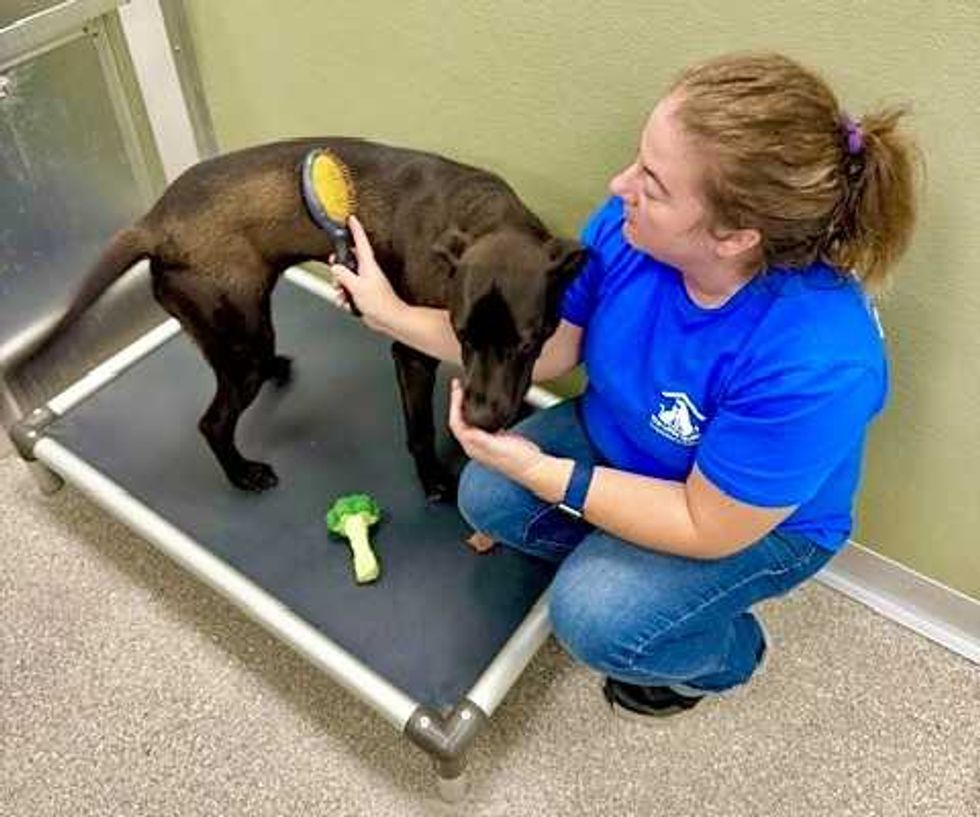 Tiffany Lemelin, shelter manager, brushing Marsala upon arrival.Provided
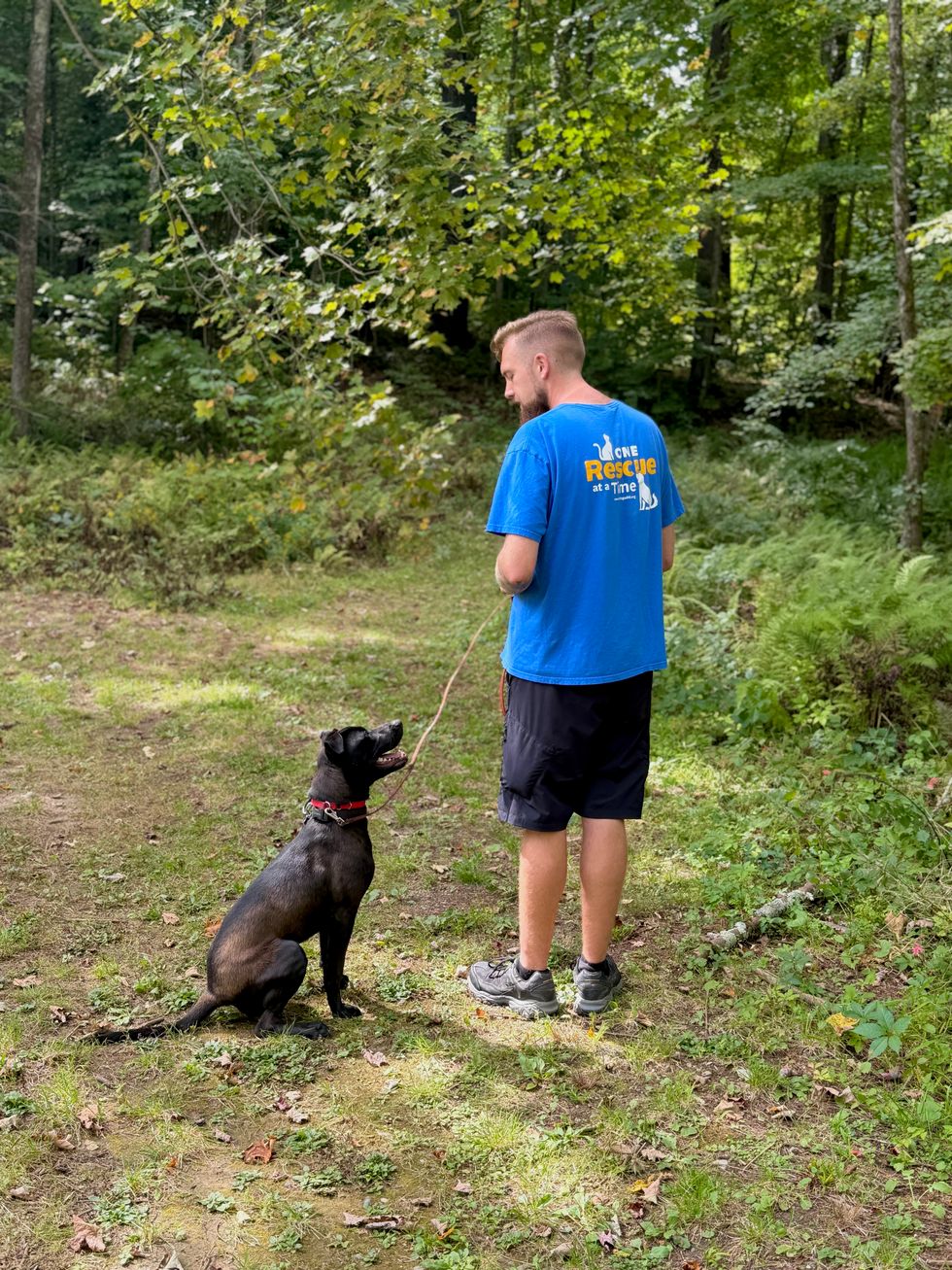 Michael DeBarba, certified dog trainer working with Marsala.Jennifer Almquist
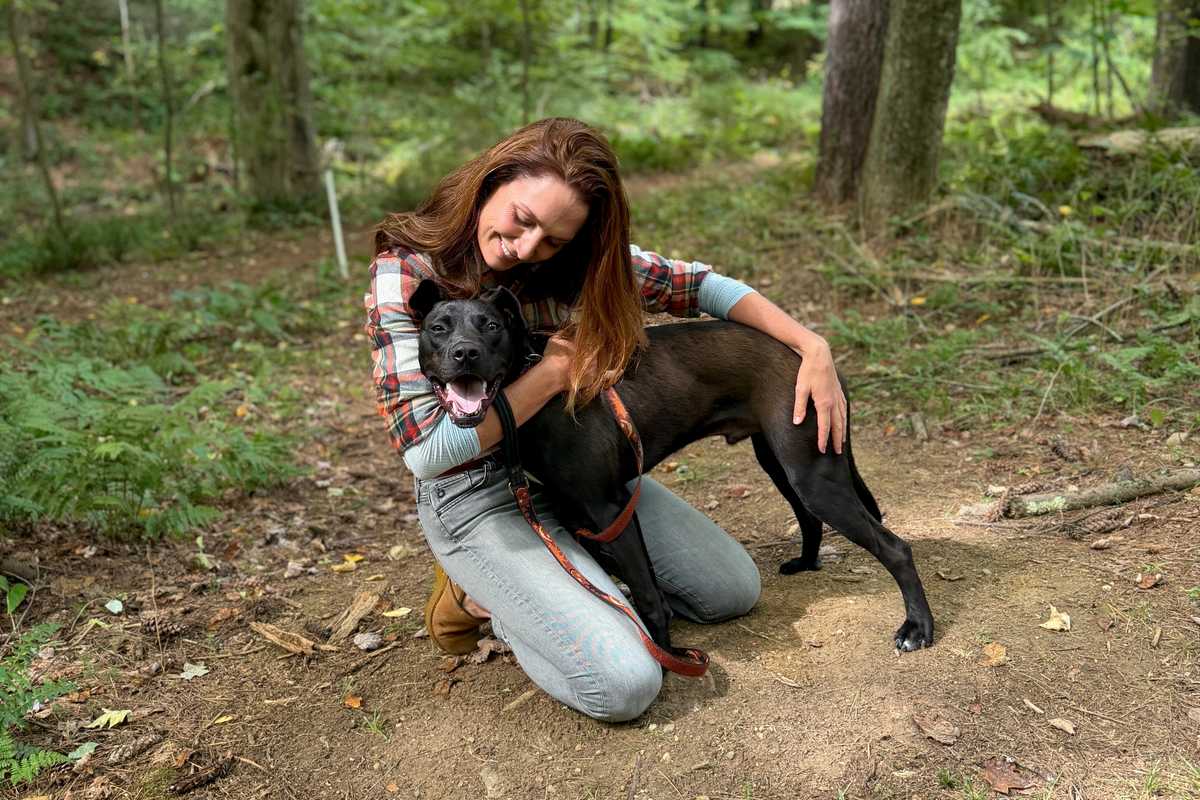 Marsala wins a heart.Jennifer Almquist
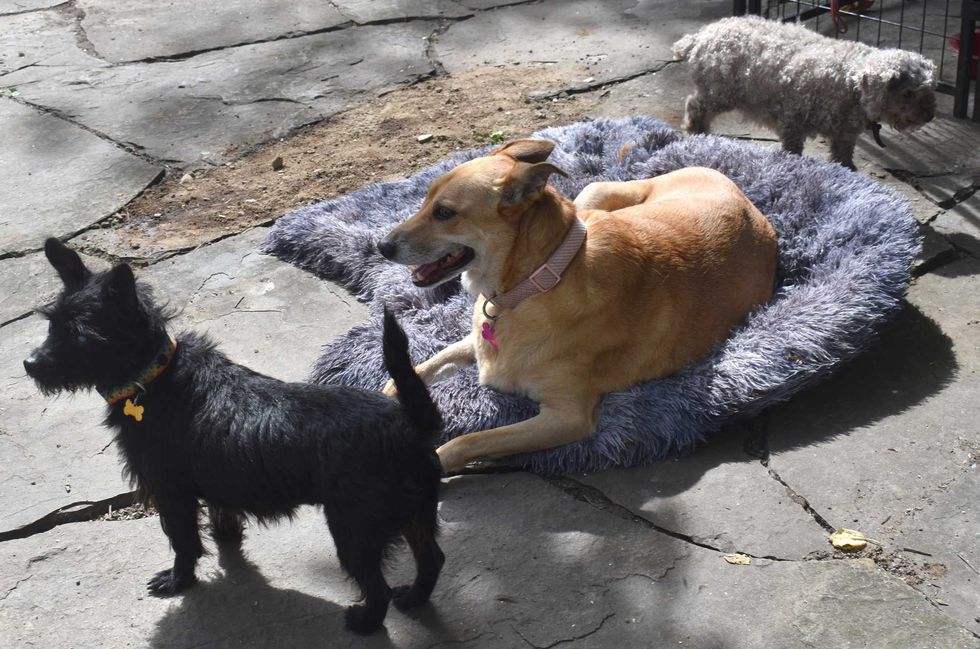 Sadie, center, a Carolina dog, plays with her friend Negra, a terrier mix. Bella Linda, the small poodle, has since been adopted.L. Tomaino
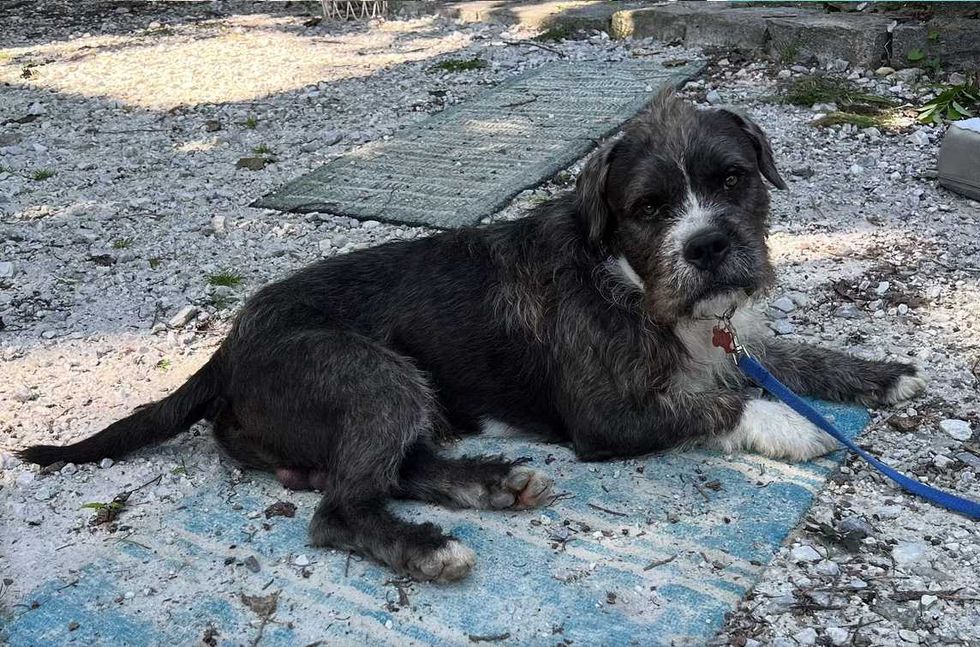 Wesley, a young, exuberant mix, is looking for an active home.L. Tomaino
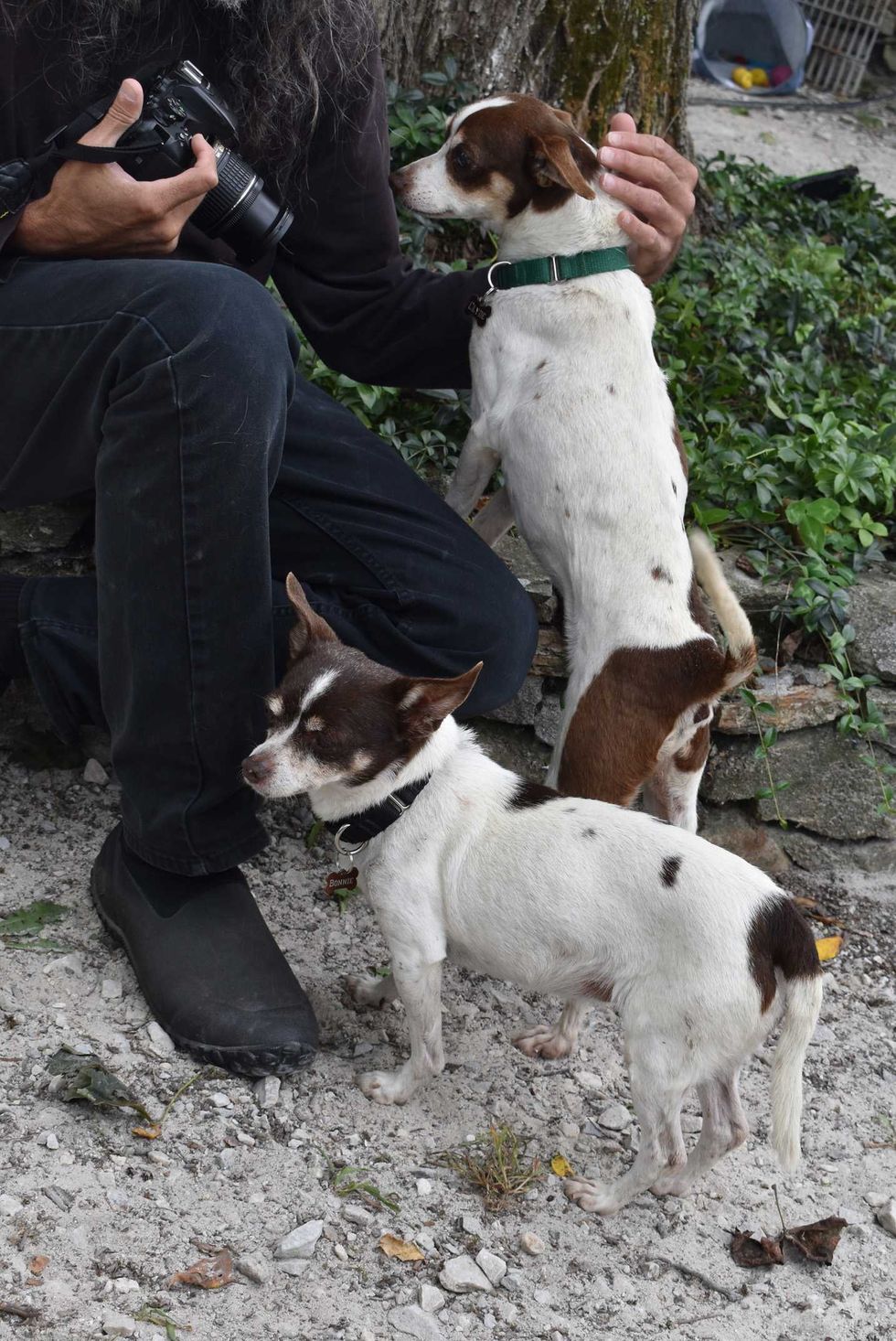 Bonnie and Clyde, an affectionate terrier pair.L. Tomaino
 Provided