FALLS VILLAGE — Former U.S. Education Secretary Miguel Cardona called for better coordination among schools, colleges, employers and government agencies to give Connecticut students more options after high school.
Cardona, who also served as Connecticut’s education commissioner, spoke at the Salisbury Forum’s first program of the season Friday, Sept. 18, at Housatonic Valley Regional High School.
He began by describing how his paternal grandparents’ move from Puerto Rico to Connecticut decades ago helped put him on a path that eventually led to a seat in President Joe Biden’s Cabinet.
“When Domino Sugar Company took over the sugar fields in Puerto Rico, he lost his job,” Cardona said of his paternal grandfather. “He moved his family to Connecticut because of the tobacco fields. They lived in the projects.”
He noted that his mother’s family moved to Meriden, where his parents married young and raised their family.
Cardona, as a teenager, enrolled in a technical high school to study automotive mechanics. His path changed when a teacher noticed his interest in social justice and encouraged him to become an educator.
“I wouldn’t have bet on me to become an adviser to a president, but the teacher saw the assets, not the deficits in me,” he said. “She was someone who believed in me and saw something in me I didn’t see.”
Cardona went on to become a teacher, principal and district administrator before being appointed Connecticut’s education commissioner and later serving as U.S. education secretary under President Biden.
“What a blessing that was, to advise the president on dealing with millions of public school students in the country,” he said.
Cardona said his priorities as state commissioner included narrowing achievement gaps among students of different backgrounds.
As federal education secretary, he helped oversee the reopening of schools during the COVID-19 pandemic and pursued changes intended to strengthen accountability in higher education and improve affordability.
Cardona currently chairs the Connecticut Career Pathways Commission, which is assessing the state’s education and workforce development systems and preparing recommendations for a five-year strategic plan.
Gov. Ned Lamont created the commission to help students navigate the choice between college and entering the workforce.
Cardona said Connecticut has many effective programs and agencies, but they do not always work together. Labor representatives, educators, elected officials and industry leaders need to communicate more closely, he said.
Cardona also described the issue as an economic imperative, citing the number of Americans struggling to repay student loans and Connecticut employers’ need for qualified workers.
“There are tens of thousands of careers in Connecticut that students don’t know about,” he said. “Some are making big salaries in the tech field without college debt. We owe it to our students to be able to meet the demands of today. If we don’t meet the demands of employers, they’ll go elsewhere.”
During a question-and-answer session, Cardona was asked about reductions at the U.S. Department of Education.
“It’s a bad idea,” he replied. “Investing in education is like investing in defense.”
He also criticized low teacher salaries, noting that educators can leave college with debt comparable to that of graduates entering substantially higher-paying professions. He pointed out that most teachers are women.
Asked about school shootings, Cardona grew somber as he recalled visiting communities where shootings had occurred.
“We’ve normalized them,” he said. “Gun violence is the number one cause of death of children. We have to do better. It’s not a red or blue issue, but an American issue.”
He warned that without action, more school shootings are inevitable.
“It’s going to happen — not if, but when,” Cardona said. “When are we going to wake up?”









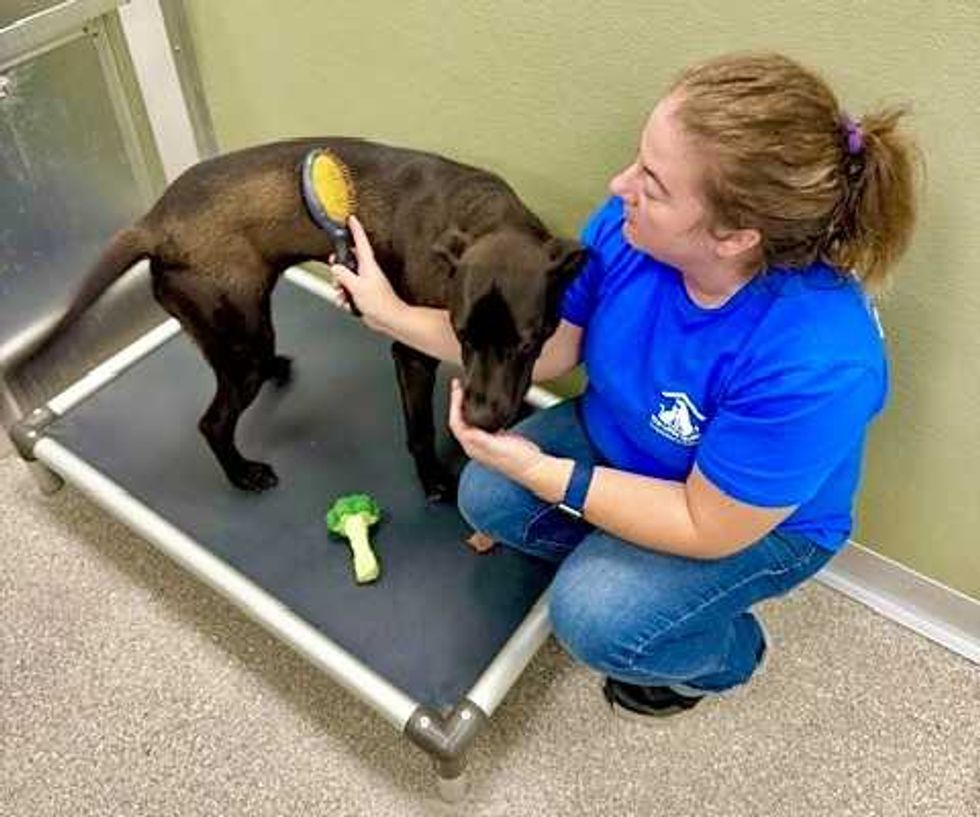 Tiffany Lemelin, shelter manager, brushing Marsala upon arrival.Provided
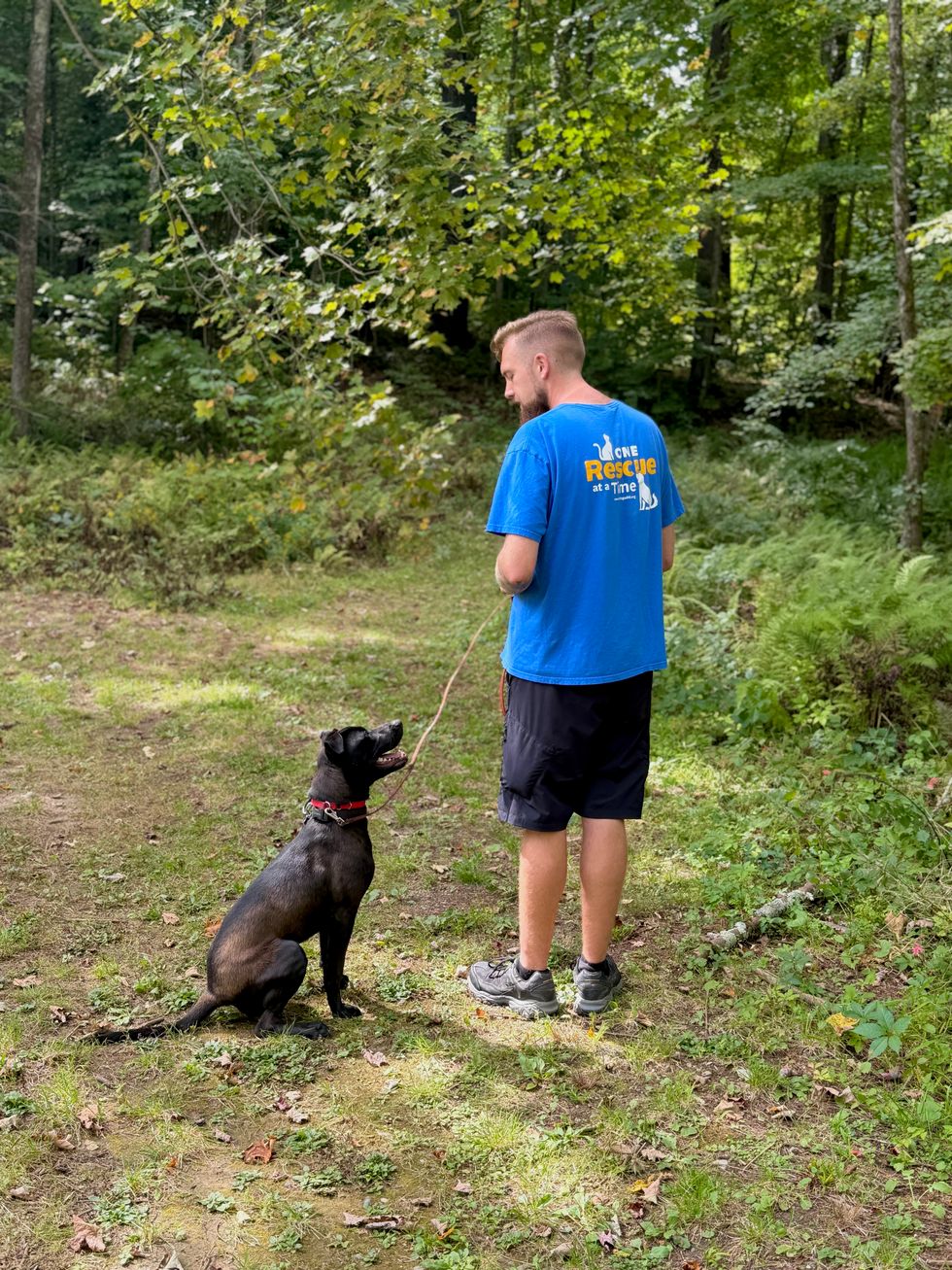 Michael DeBarba, certified dog trainer working with Marsala.Jennifer Almquist
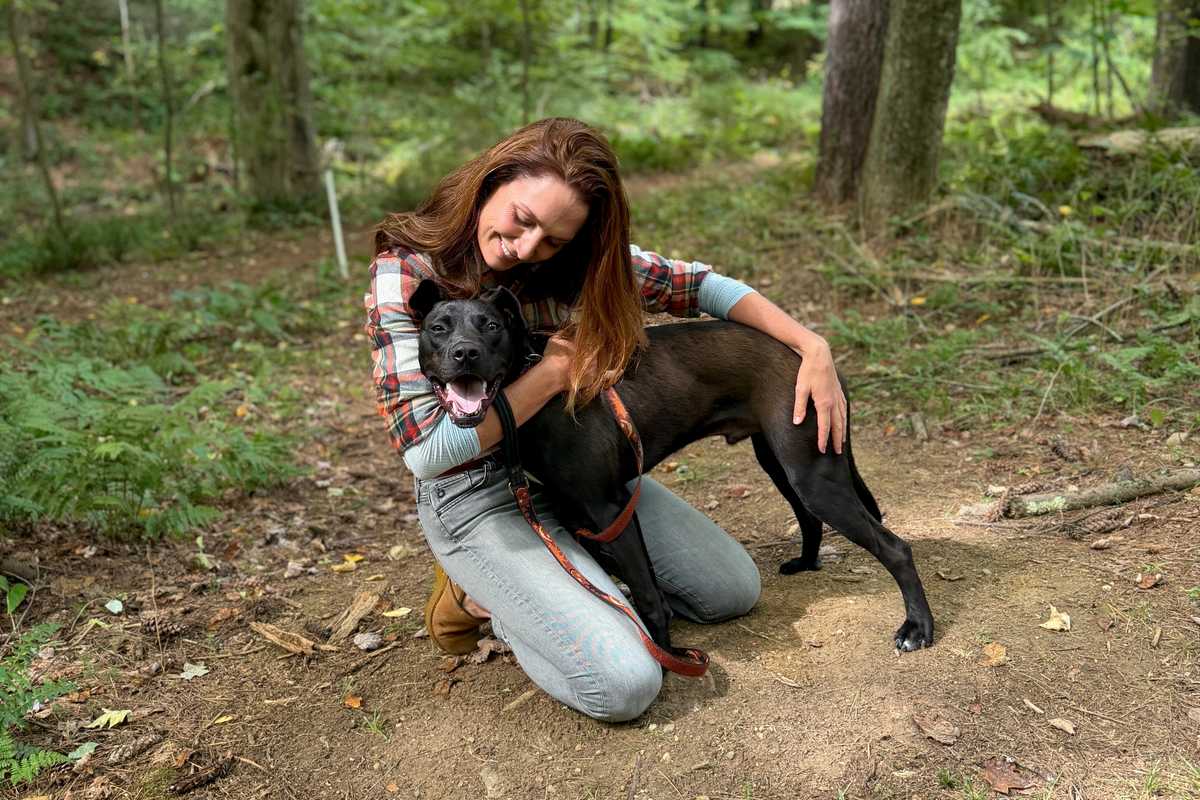 Marsala wins a heart.Jennifer Almquist

 Sadie, center, a Carolina dog, plays with her friend Negra, a terrier mix. Bella Linda, the small poodle, has since been adopted.L. Tomaino
 Wesley, a young, exuberant mix, is looking for an active home.L. Tomaino
 Bonnie and Clyde, an affectionate terrier pair.L. Tomaino

 Provided