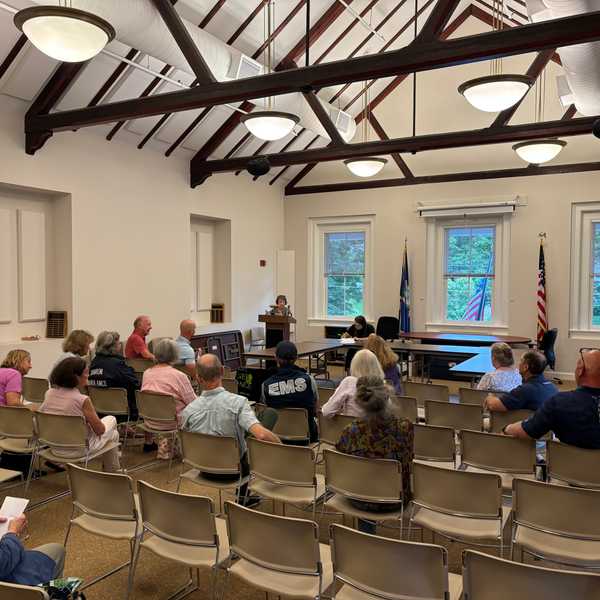
SALISBURY — Voters overwhelmingly approved spending up to $650,000 to move Lakeville’s historic train station and construct a new foundation during a well-attended town meeting on Wednesday, Sept. 16.
The proposal passed 111-37, with 105 residents voting in person and another 43 online.
The project calls for raising the Ethan Allen Street building, moving it back 19 feet and constructing a new foundation. Longer-term plans include restoring the interior and installing new heating and cooling systems.
The Board of Selectmen selected Burlington Construction’s $611,111 bid to complete the work, subject to voter approval of the funding. Voters authorized spending up to $650,000, with the balance available for engineering expenses and contingencies.
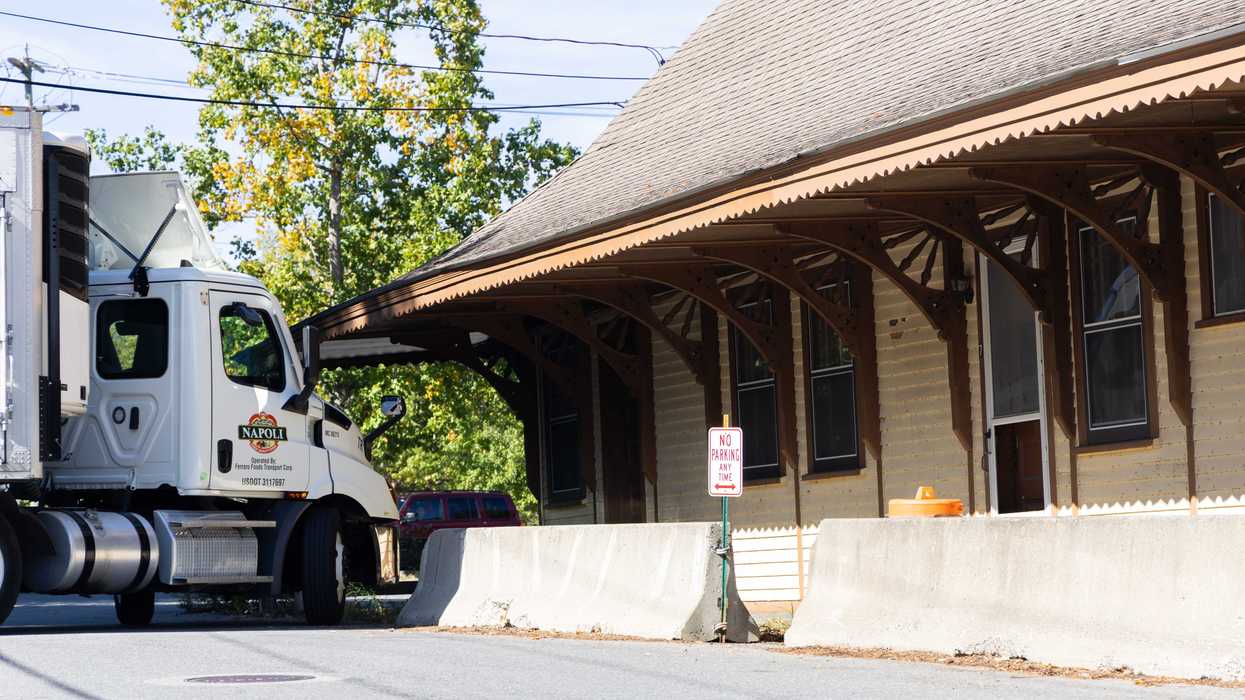
First Selectman Curtis Rand has argued for months that the project is necessary to preserve the building and improve safety at the congested intersection. Delivery trucks have struck the station’s overhanging roof multiple times in recent years.
Concrete barriers placed in front of the building have helped prevent trucks from striking it but have narrowed the busy roadway.
The intersection is especially congested in summer, when children bike to and from the town Grove and Lake Wononscopomuc.
After approving three other measures at the meeting, voters turned to the station proposal, the main item on the agenda.
“And now what we’ve all been waiting for,” Rand said.
Bill Littauer supported the project, citing his 20 years with the Lake Wononscopomuc Association and more recent involvement with the Lakeville Community Conservancy. He said both organizations have expressed interest in using the station.
Salisbury resident Victor Jermack described watching a tractor-trailer make a delivery on Ethan Allen Street, where restaurants line one side and the station extends toward the roadway on the other.
He urged the town to consider asking restaurant suppliers to use smaller trucks while the selectmen develop a complete plan for the station and determine the project’s full cost.
Tom Morrison, speaking as chairman of the Republican Town Committee, called the proposal “a no-brainer.”
“The status quo is untenable,” he said.
Margie Vail, a Salisbury resident, asked whether the town would continue to own the building. Rand said he did not know, but three nonprofit organizations had approached him about the property.
Phillip Oppenheimer of Salisbury warned that the $650,000 would cover only the move and foundation, while restoring the station would require additional spending. He said any future state grant would likely require matching funds from the town.
Oppenheimer questioned the wisdom of investing so much in a building with “no economic viability” and using money from the town’s debt service budget to pay for the project.
Cathy Shyer, who lives near the station, said she was speaking for herself and not as chair of the Planning and Zoning Commission. She described the intersection as hazardous because of the combination of trucks, cars and children riding bicycles.
“It’s a miracle we haven’t had a disaster there,” Shyer said. “I don’t care how much it costs.”
Mary Oppenheimer said moving the building back would not create additional parking along Ethan Allen Street. She suggested relocating it to another site instead.
Other residents raised concerns about the cost and its eventual use. Supporters described the project as overdue and said it would improve downtown Lakeville.
Rand said the Board of Finance could pay for the work using money from either the debt service budget line or the Bauer Fund, which is overseen by the finance board.
Voters also approved three other measures during the meeting with little discussion.
An ordinance providing a property tax abatement of up to $2,000 for eligible members of the Lakeville Hose Company and Salisbury Volunteer Ambulance Service passed 142-1.
An amendment to an existing ordinance waiving personal property tax bills of less than $5 passed 134-6. The waiver will not apply to vehicles at least 20 years old.
The town’s five-year Local Capital Improvement Plan, known as LOCIP, passed 142-3.




 Tiffany Lemelin, shelter manager, brushing Marsala upon arrival.Provided
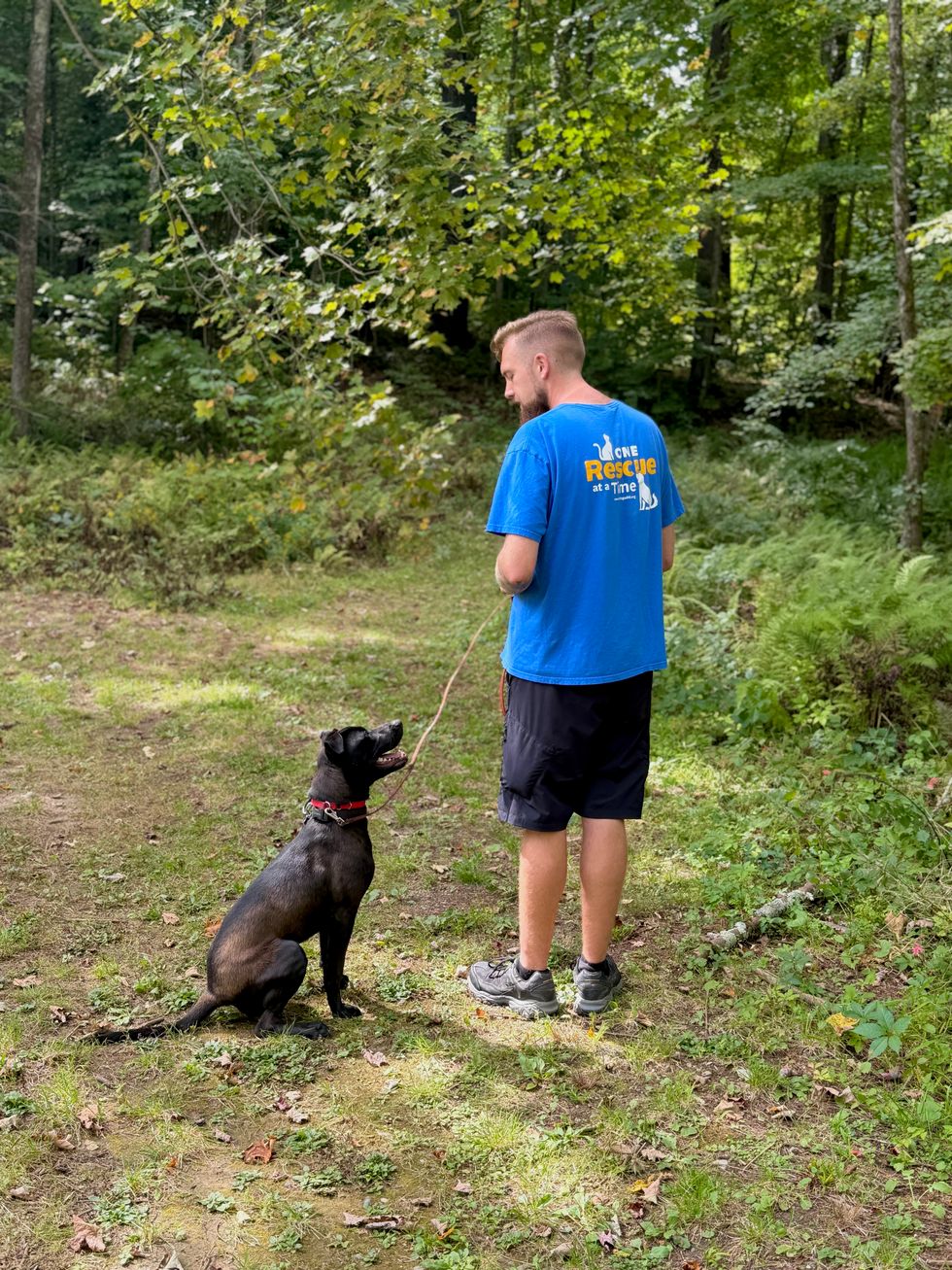 Michael DeBarba, certified dog trainer working with Marsala.Jennifer Almquist
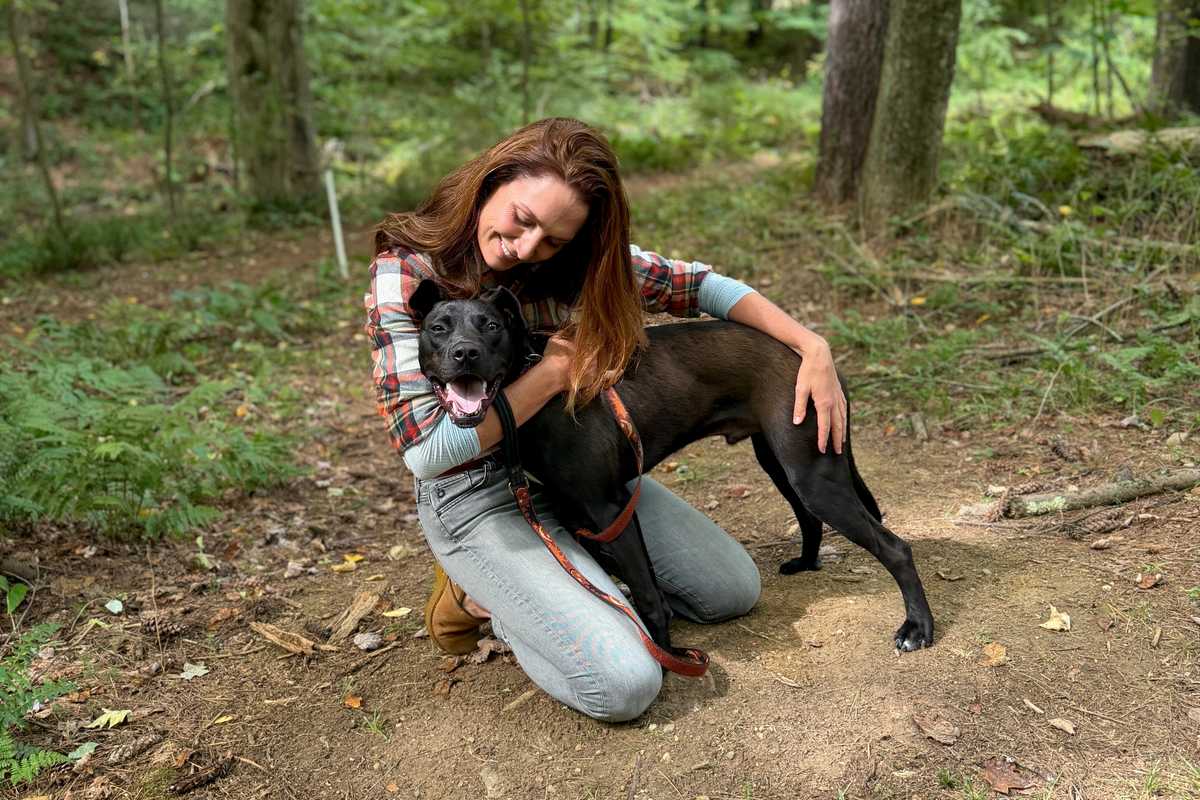 Marsala wins a heart.Jennifer Almquist

 Sadie, center, a Carolina dog, plays with her friend Negra, a terrier mix. Bella Linda, the small poodle, has since been adopted.L. Tomaino
 Wesley, a young, exuberant mix, is looking for an active home.L. Tomaino
 Bonnie and Clyde, an affectionate terrier pair.L. Tomaino
 Provided