Democratic leaders in Connecticut are clamoring against what Republicans in Congress are calling the SAVE Act, which would require people registering to vote to produce proof of citizenship. Since the state’s congressional delegation is entirely Democratic and there is little chance that the state will elect any Republican to Congress this year, the Democrats may fear that the principle of the SAVE Act makes so much sense that Republicans could exploit it even in Connecticut.
National opinion polls show the public overwhelming favors requiring proof of citizenship for voter registration.
So the other day Governor Lamont, Lt. Gov. Susan Bysiewicz, and Secretary of the State Stephanie Thomas held a press conference to publicize their opposition to requiring proof of citizenship. Their arguments were weak but they could have been confident that reporters would not question them critically.
“I don’t want to put up all these bureaucratic roadblocks to make it tougher” to vote, the governor said. He added: “I don’t think I need any lectures about election fraud from a president who famously called the secretary of state down in Georgia and told him to ‘find me 11,780 votes.’”
Yes, President Trump is often disgraceful. But that is not an argument for or against policy; it is a distraction, frequently used by Democrats these days to change the subject.
As for what the governor calls “all these bureaucratic roadblocks,” meeting the requirement of the SAVE Act — producing proof of citizenship — would not be onerous. Proof would be constituted by a birth certificate, a naturalization certificate, or a U.S. passport. While many citizens haven’t secured their birth certificate, replacing one is not difficult, and maintaining one may be considered part of basic responsibility to one’s family and society.
After all, producing identification is required in many aspects of daily life -- like banking and obtaining government licenses, transportation tickets, and telephone and utility services. Nearly everyone in the country has often had to produce identification in pursuit of a normal life.
Replacing a birth certificate may take a while, but a requirement for proof of citizenship in voter registration could give people plenty of time to get their documents in order. The next elections are seven months away.
As for Trump’s corruption in pursuit of extra votes in Georgia, how much more corrupt was that than the last Democratic national administration’s opening the borders to millions of illegal immigrants. How much more corrupt was it than Connecticut’s issuance of driver’s licenses and New Haven’s issuance of city identification cards to illegal immigrants precisely to facilitate their living in the state illegally and thereby to increase the number of Democrat-dominated state and federal legislative election districts?
At the press conference Secretary Thomas noted that under the SAVE Act driver’s licenses would not help people register to vote. Well, of course not. As shown by Connecticut’s own driver’s licenses issued to illegal immigrants, driver’s licenses aren’t proof of citizenship.
Opposing requiring proof of citizenship in voter registration, Connecticut Democrats note that there isn’t much evidence of illegal immigrants voting. But it does happen sometimes, there long has been much evidence of election fraud in Bridgeport, and recently a member of Tolland’s Town Council -- a Republican -- was exposed as having changed his legal residence to Florida and having registered to vote there without resigning from the council.
Indeed, some Democrats around the country already propose to let non-citizens vote in municipal elections.
In any case Connecticut has never done a serious audit of its voter rolls and the state allows anyone to register to vote simply by claiming to be a citizen, at the risk of being charged with making a false statement. But such claims are never checked, and people know it.
The governor doesn’t want to be lectured about election security by Trump. Fair enough. So why should supporters of a citizenship requirement for voter registration want to be lectured about election security by a governor who is enthusiastically subverting enforcement of immigration law?
Chris Powell has written about Connecticut government and politics for many years.

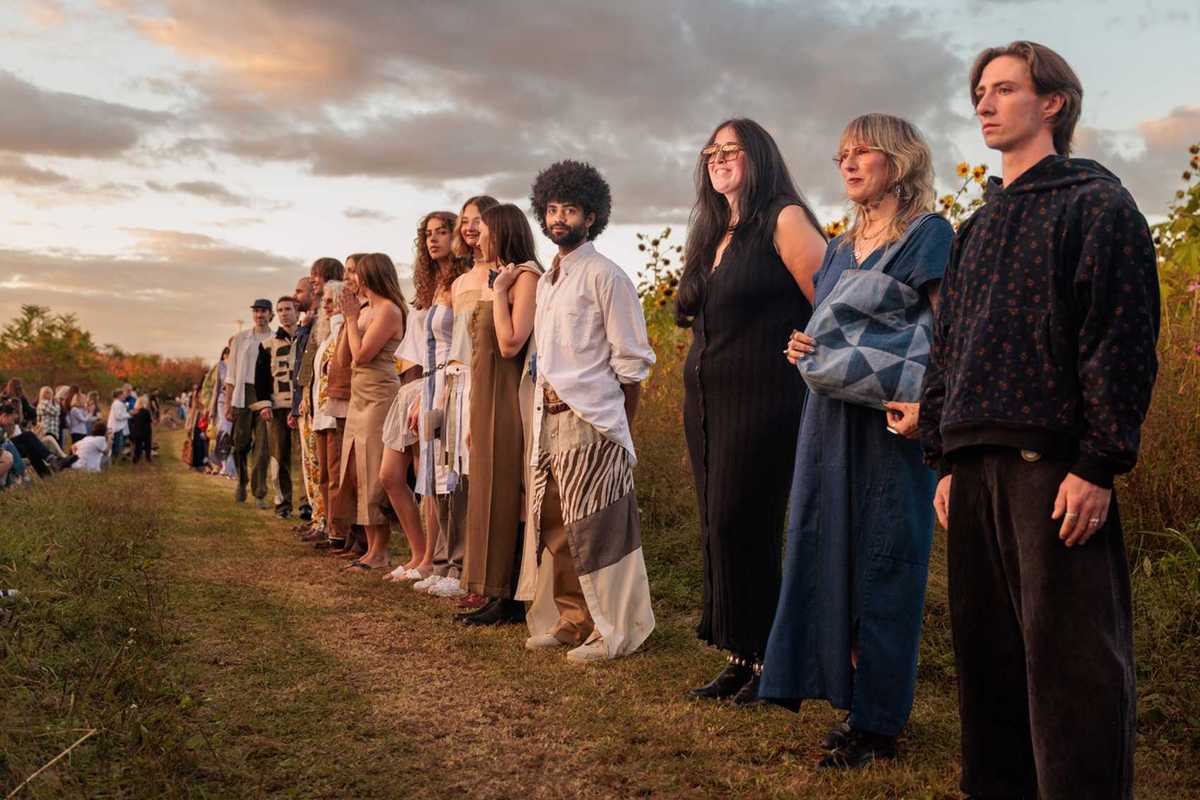
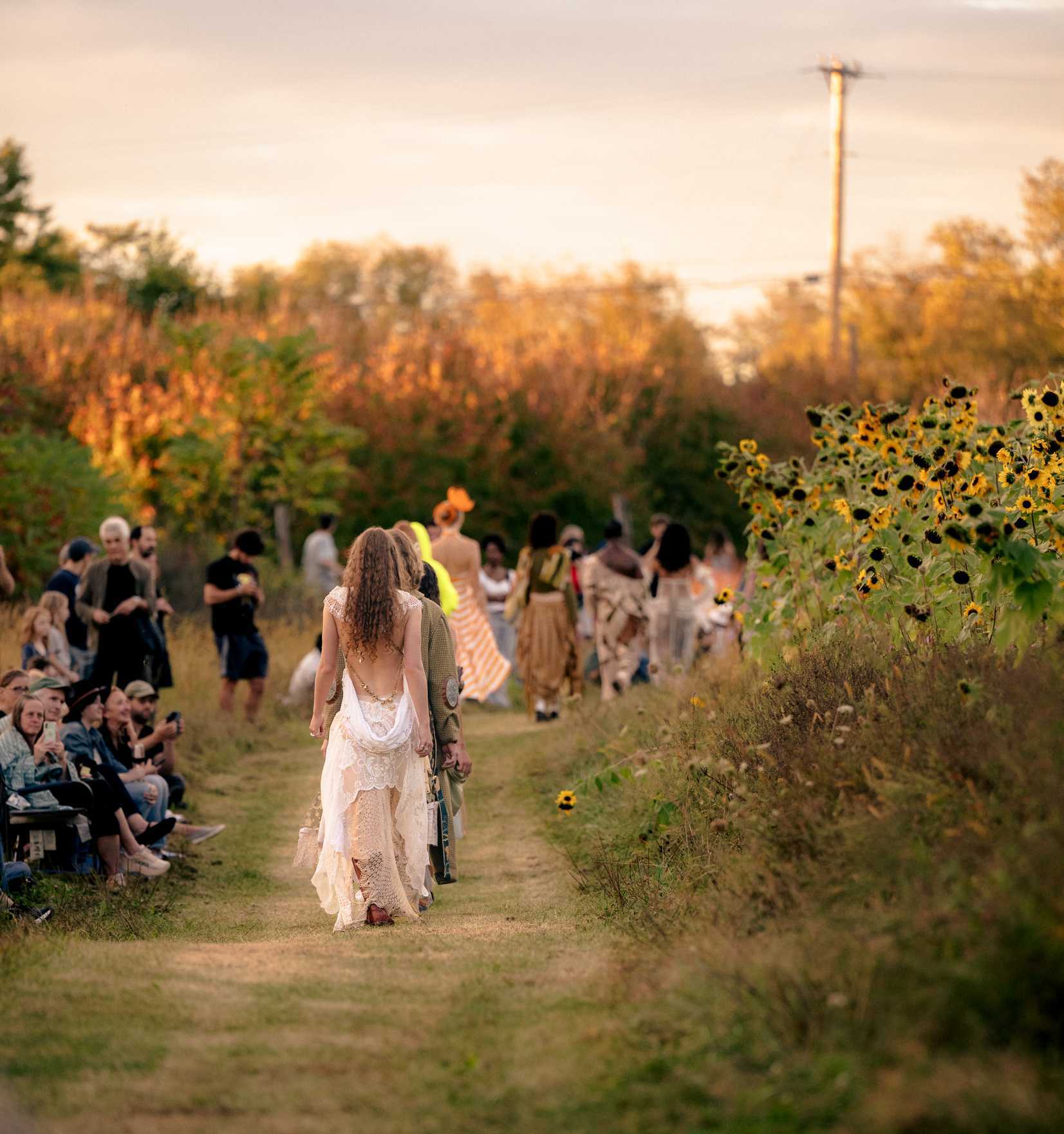 Models walk the organic runway at HVSFW. Ilan Harel
 Susan Schneider, owner of Shandell’s, creates a variety of products with marbleized surfaces in her Ashley Falls studio.L. Tomaino



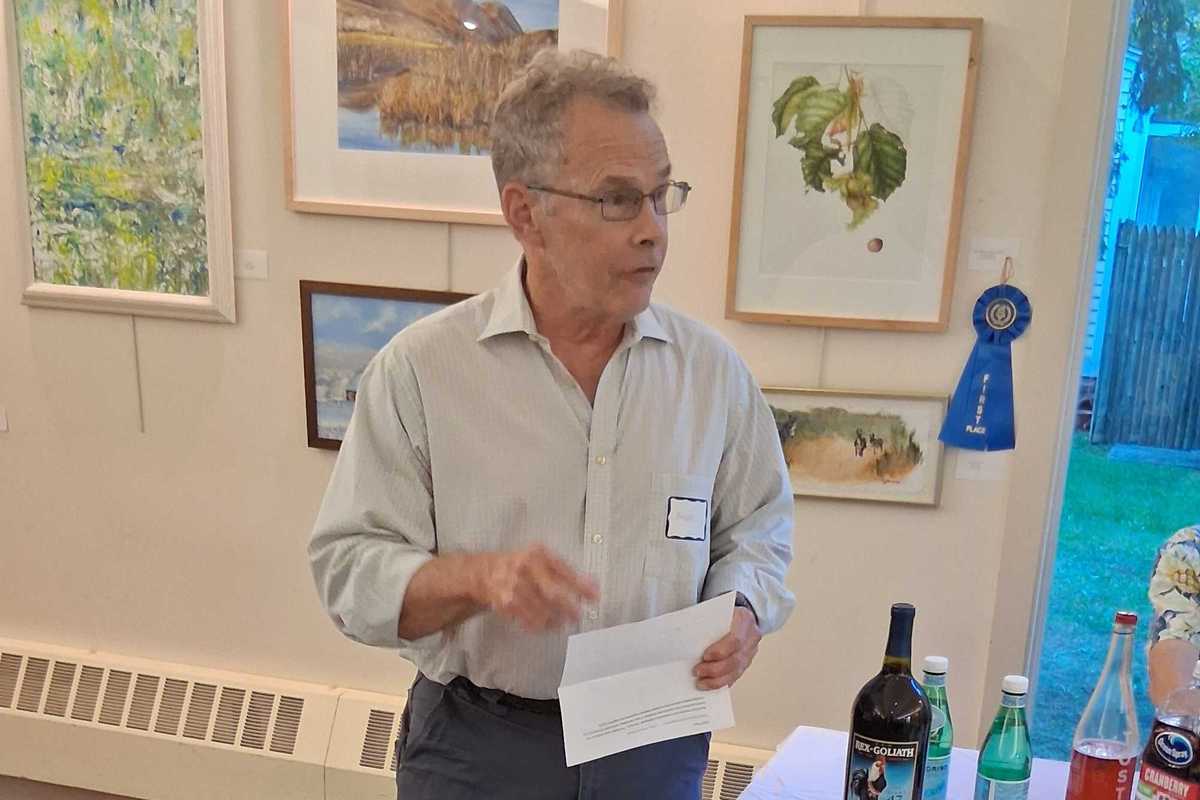 Roger McKee naming the winners with the first place entry over his left shoulder. Patrick L. Sullivan
 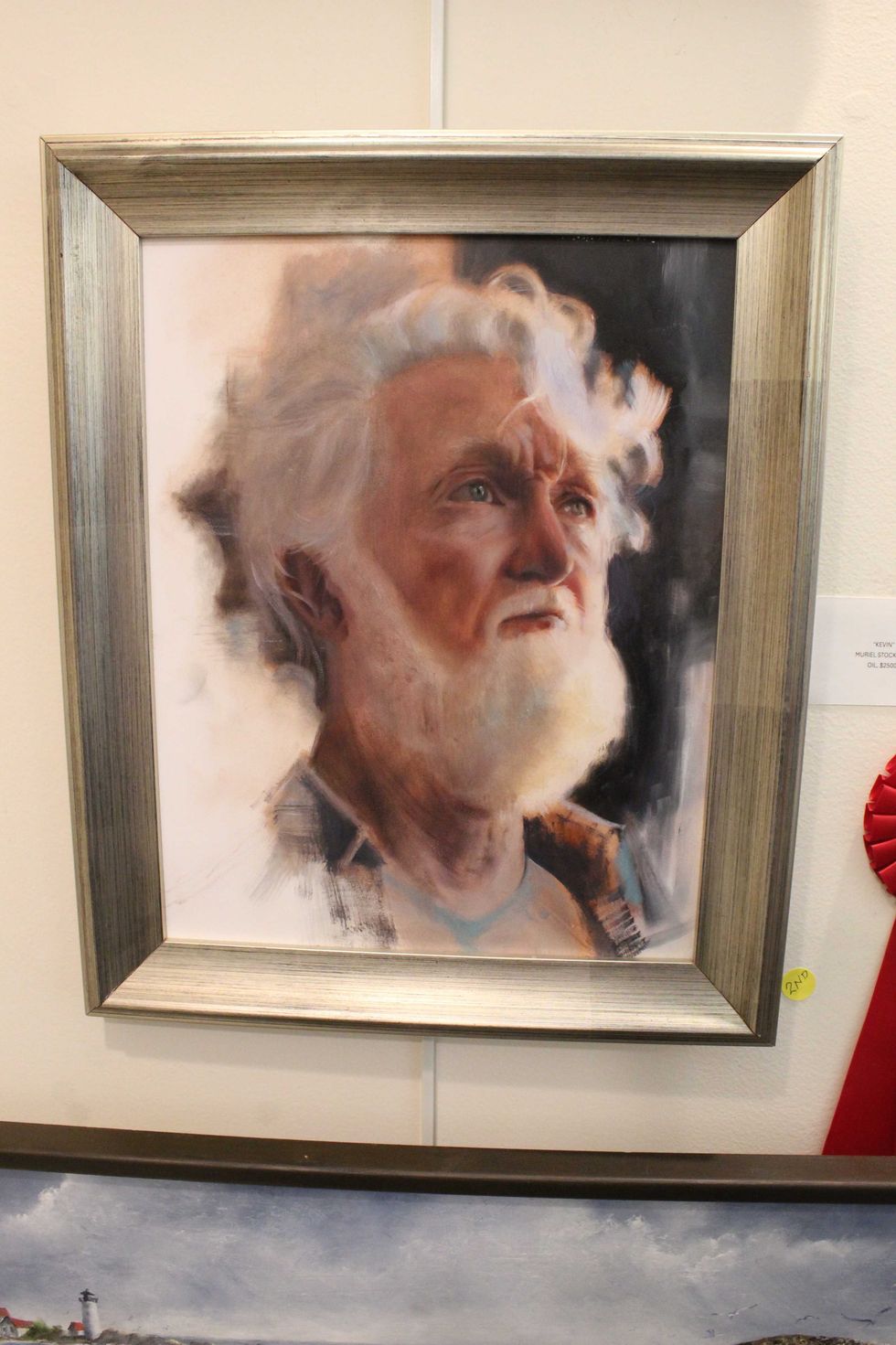 Muriel Stockdale’s “Kevin” took second place in the juried art show at Trinity Episcopal Church.Patrick L. Sullivan