Misconduct by its recently disgraced and departed chairwoman, Marissa Gillett, has Connecticut’s Public Utilities Regulatory Authority on the defensive. Past utility rate decisions have been put in legal jeopardy, utility companies are getting angry and aggressive, Gillett’s Democratic allies in the General Assembly have been discredited for their complicity with her power grabbing and lies, longstanding criticism by Republican legislators has been vindicated, and state government’s infamous “public benefits charges” on electricity bills are becoming a political issue again.
Some of those charges were recently removed by legislation with their financed transferred to state government borrowing, but most of the charges remain, comprising about 20% of customer electric bills, an estimated $1 billion annually. So at a Hartford Business Journal conference last month, a senior vice president of Connecticut’s largest electric utility, Eversource, Digaunto Chatterjee, called for removing the charges from electric bills entirely and financing their programs through the state budget.
For some time this has been the position of Republican legislators, who note that the charges function not only as a hidden tax but also as a tax on a necessity of life. But the electric companies, being heavily regulated and long having been scapegoated for Connecticut’s high electricity prices, had not been taking sides on the issue, lest they aggravate their adversaries.
Governor Lamont and most Democratic legislators are still resisting serious reform with the charges. The House chairman of the General Assembly’s Energy and Technology Committee, Rep. Jonathan Steinberg, D-Westport, says it makes little no difference how the programs financed by the charges are paid for -- by footnotes on electricity bills or by regular state government appropriations and formal taxes.
Steinberg is wrong. For if the “public benefits charges” were eliminated, the programs they finance would have to start competing for appropriations along with everything else state government spends money on. They would become part of the budget process, where the items financed by the charges would get far more scrutiny from the governor, legislators, news organizations, and the public than they get now when they are buried in electric bills.
The HBJ reported last week that the “public benefits charges” consist of 63 fees that are summarized on electric bills in two line items, a format that virtually prohibits intelligent review. Of course that’s the way the governor and most Democratic legislators like it. They don’t think they would gain much politically from a billion-dollar reduction in electricity costs if it came with a billion-dollar increase in the state budget and taxes. Then they might face another billion dollars’ worth of controversy as they converted from a system where the charges and the programs they finance are hidden to a system where they would jostle against everything else government money is wanted for. Maybe in such a public process the governor and legislators would have trouble justifying some of the charges. Maybe they would feel compelled to reduce or eliminate some of the programs.
Moving the charges to the state budget would be best but it’s not the only way to increase transparency and accountability. A modest improvement might be for state government to keep the charges and their programs but to recover their costs with a formal sales tax on electricity — itemized in bold lettering at the top of all electricity bills.
That would get people’s attention even if it failed to explain the programs being financed by the charges.
Some of those programs may be necessary for the stability of the electrical system, but some are environmental niceties and nuttiness and some are simply welfare subsidies that are fairly resented by people who pay their own electric bills.
If the main objective of the “public benefits charges” is to pay for necessary things, they can be financed by the state budget and formal taxes.
If the main objective of the charges is just to conceal government expenses and deceive people, nothing is worth that much and programs financed that way should be scrapped.
Chris Powell has written about Connecticut government and politics for many years.


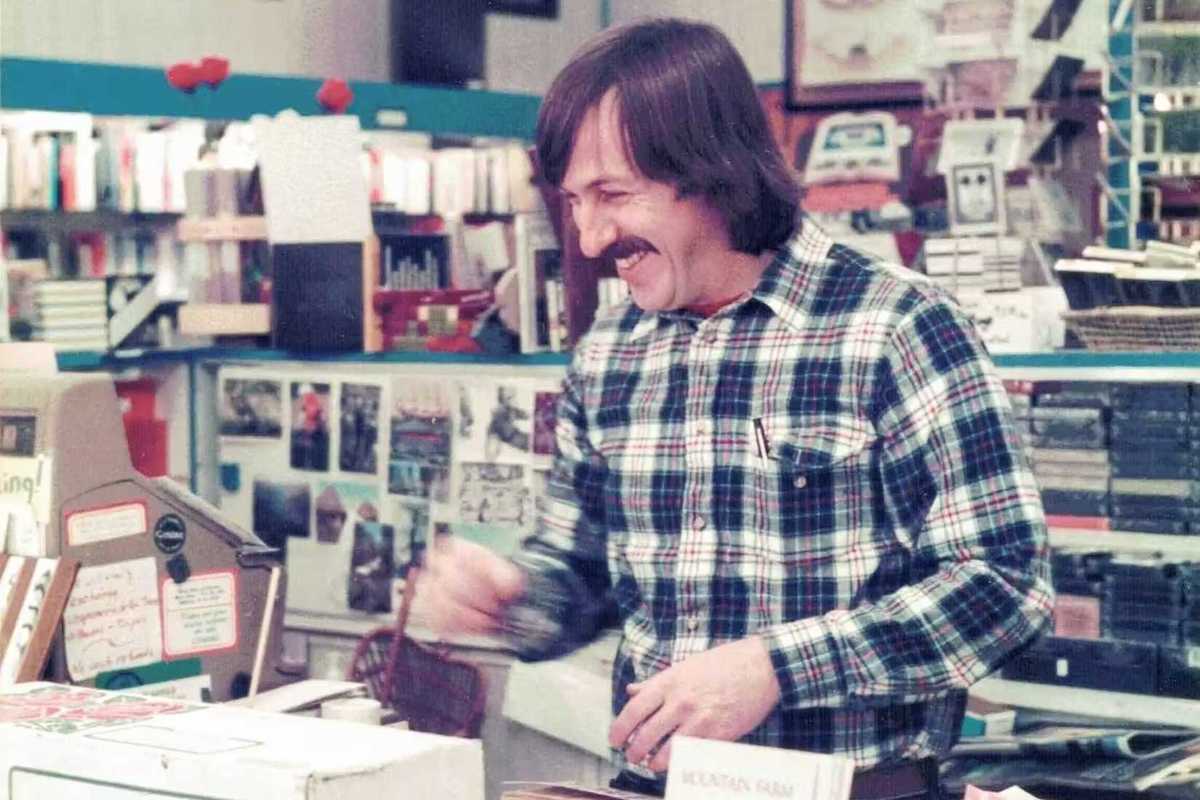
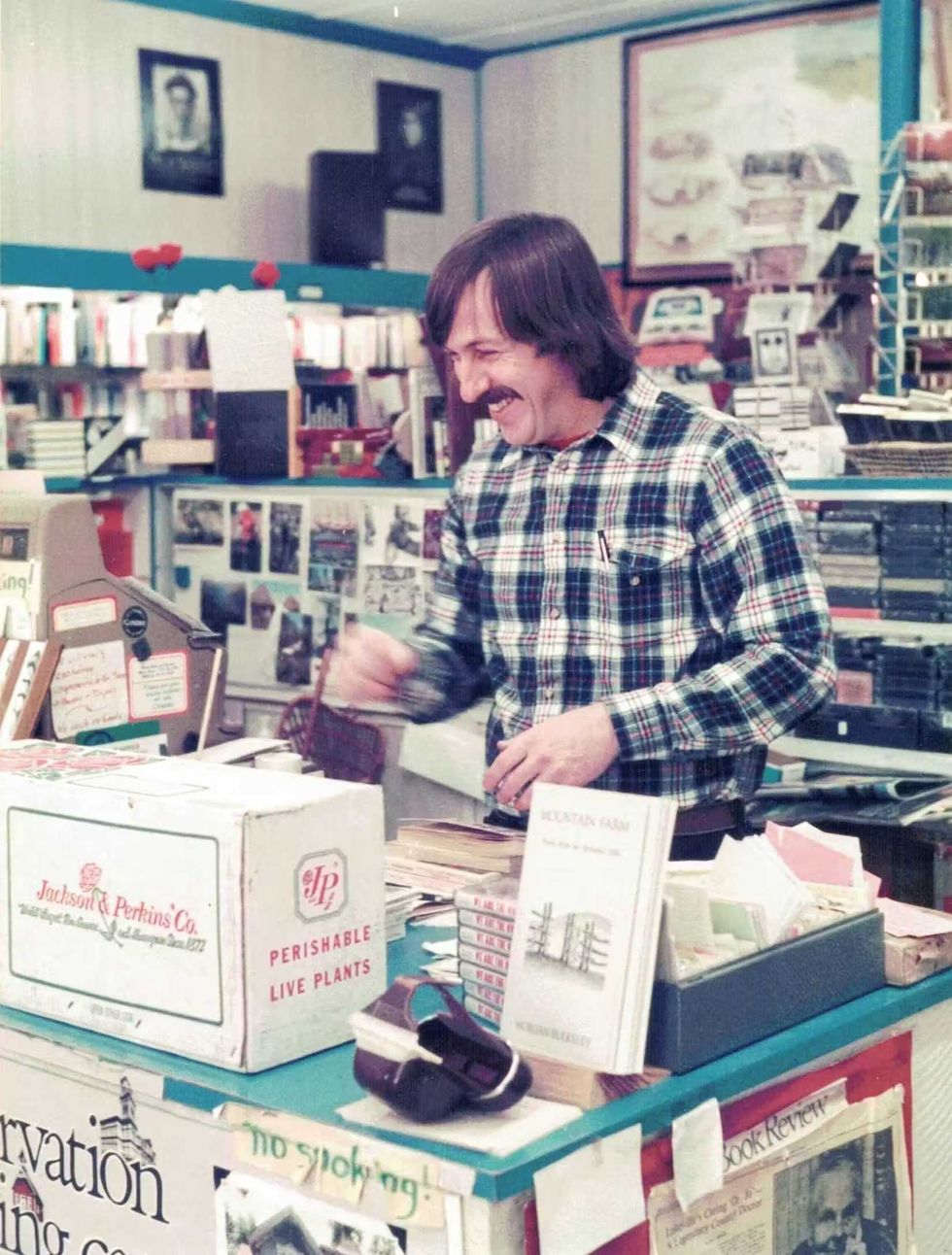 Dick Hermans in the Oblong Bookstore on Millerton’s Main Street in 1985.Provided



 Fall storage crop harvests amid soil building cover crops at Adamah Farm in Falls Village. Janna Siller