Health Care:The Cure Is so Simple


If your health

Is in the tank

Better go

And rob a bank.


ou know the health care crisis is serious when the insurance industry itself conceives a plan to cure it. Why should it bother? Things have been going bountifully its way for a long time. It famously seeks out the well-heeled as clients and tightly limits what procedures and medications for which it will pay. Its new plan may say "universal" on the cover, but, basically, it's just more of the same.

So why propose anything at all? Well, insurers are smart. They notice that each year voters are getting a bit grumpier about our current system, and the recent election, while not a revolution, carries seeds of change. It's good business to get out in front of that change and grasp control.

After all it's profit, not wellness, that American health care is all about. Connecticut's own General Electric Co. of Fairfield, for example, has just bought 186 nursing homes. It turns out there's more profit in them than in toasters or refrigerators. What a revelation! The HMOs and drug companies figured that out long ago.

But what's ominous for insurers are the much-touted government actions in Maine and Massachusetts. Each of those states has conjured up its own form of universal health care. That's a little hard to pull off on a single-state basis, and neither yet really supplants the insurance companies, but the trend toward change is clear.

As well it should be. The latest figures show that Canada pays only 60 percent as much per person for health care as we do, and Britain a mere 40 percent. Plus they live longer than white Americans do. The main reason is that neither country wastes money on insurance companies. Government itself is the insurer, which means that every citizen is covered and there are phenomenal savings on overhead.


u u u


A parallel proposed scheme in this country is called "Medicare for Everyone." Contriving such a plan hardly requires dazzling insight, only dazzling courage.

Neither Jodi Rell, nor John DeStefano, nor Dan Malloy offered anything that simple, direct or effective in the gubernatorial campaign. They knew they'd get blistered by the medical-industrial complex if they did. Fortunes are riding on this.

Naturally, if either the United States or Connecticut did move to universal care, some one would have to pay for it, and Americans are more resistant to taxes than most. Luckily, we already enjoy a tradition of employers pitching in on health care, a tradition that they are now trying desperately to unload. Well, not so fast.

A new universal health-care system could work quite well if it were set up much like Social Security. The worker would pay a percentage of income and the boss would too. Every boss. Government would help fill the gap. So too would a new tariff on imported goods for which foreign producers had not contributed to the health care of their workers.

And with no more wasteful HMOs to kick around, we could also stop swiping nurses from the rest of the world. Having cut bureaucracy in half, we wouldn't need them. And think of the savings just from closing United Health Group, an insurer whose CEO makes $80 million a year.


u u u


Our present trend of health care, unfortunately, is in just the opposite direction. It's the workers, not the HMOs, who are getting dumped, along with the poor.

And doctors, being human, mostly focus on serving those who can pay. Who wouldn't?

So the obvious solution is to make sure that everybody can pay, and that everybody with resources contributes. "Medicare for Everyone."


Columnist William A. Collins is a former state representative and a former mayor of Norwalk.

Latest News

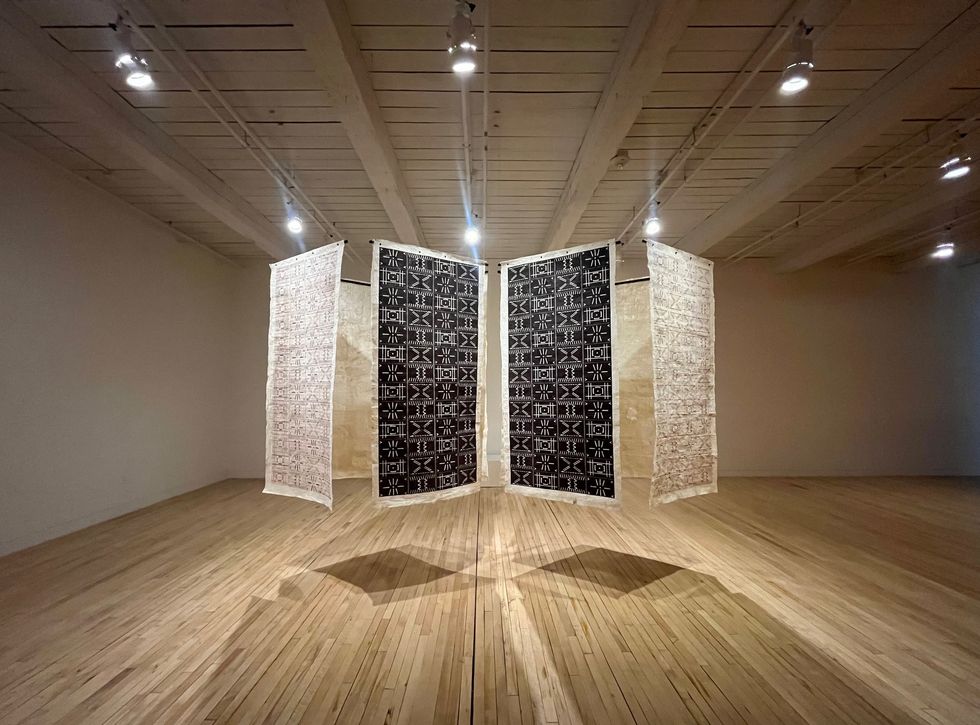
Living art takes center stage in the Berkshires

Contemporary chamber musicians, HUB, performing at The Clark.

D.H. Callahan

Northwestern Massachusetts may sometimes feel remote, but last weekend it felt like the center of the contemporary art world.

Within 15 miles of each other, MASS MoCA in North Adams and the Clark Art Institute in Williamstown showcased not only their renowned historic collections, but an impressive range of living artists pushing boundaries in technology, identity and sound.

Keep ReadingShow less
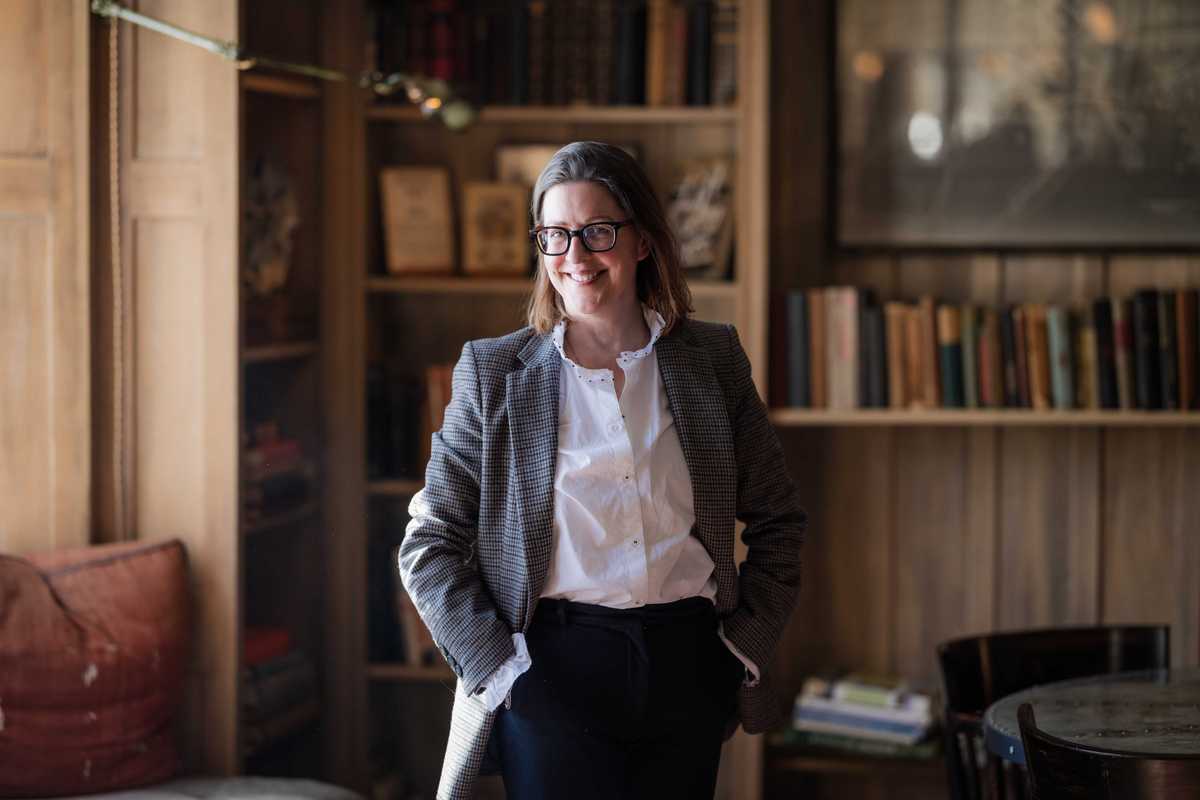
Persistently amplifying women’s voices

Francesca Donner, founder and editor of The Persistent. Subscribe at thepersistent.com.

Aly Morrissey

Francesca Donner pours a cup of tea in the cozy library of Troutbeck’s Manor House in Amenia, likely a habit she picked up during her formative years in the United Kingdom. Flanked by old books and a roaring fire, Donner feels at home in the quiet room, where she spends much of her time working as founder, editor and CEO of The Persistent, a journalism platform created to amplify women’s voices.

Although her parents are American and she spent her earliest years in New York City and Litchfield County — even attending Washington Montessori School as a preschooler — Donner moved to England at around five years old and completed most of her education there. Her accent still bears the imprint of what she describes as a traditional English schooling.

Keep ReadingShow less
Jarrett Porter on the enduring power of Schubert’s ‘Winterreise’
Baritone Jarrett Porter to perform Schubert’s “Winterreise”
Tim Gersten

On March 7, Berkshire Opera Festival will bring “Winterreise” to Studio E at Tanglewood’s Linde Center for Music and Learning, with baritone Jarrett Porter and BOF Artistic Director and pianist Brian Garman performing Franz Schubert’s haunting 24-song setting of poems by Wilhelm Müller.

A rejected lover. A frozen landscape. A mind unraveling in real time. Nearly 200 years after its premiere, “Winterreise” remains unnervingly current in its psychological portrait of isolation, heartbreak and existential drift.

Keep ReadingShow less
google preferred source

Want more of our stories on Google? Click here to make us a Preferred Source.

A grand finale for Crescendo’s 22nd season

Christine Gevert, artistic director, brings together international and local musicians for a season of rare works.

Stephen Potter

Crescendo, the Lakeville-based nonprofit specializing in early and rarely performed classical music, will close its 22nd season with a slate of spring concerts featuring international performers, local musicians and works by pioneering composers from the Baroque era to the 20th century.

Christine Gevert, the organization’s artistic director, has gathered international vocal and instrumental talent, blending it with local voices to provide Berkshire audiences with rare musical treats.

Keep ReadingShow less

Leopold Week honors land and legacy

Leopold Week honors land and legacy

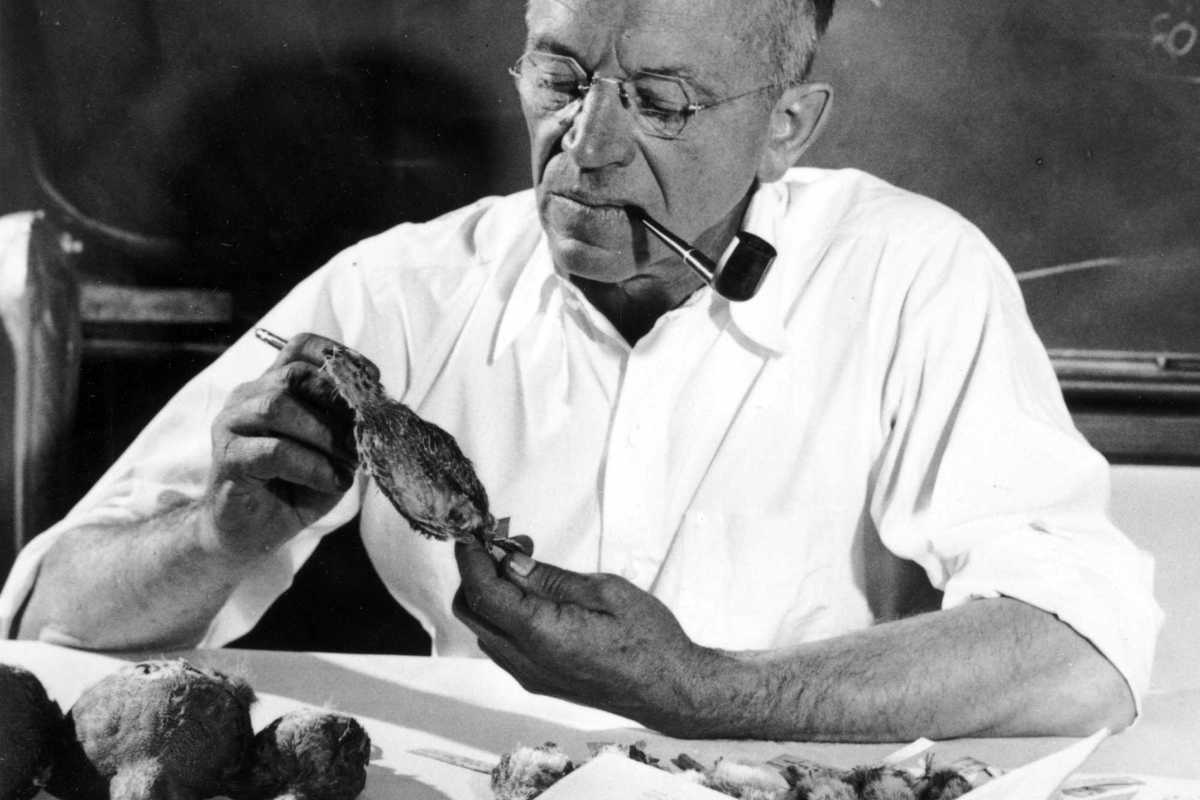
Aldo Leopold in 1942, seated at his desk examining a gray partridge specimen.

Robert C. Oetking

In his 1949 seminal work, “A Sand County Almanac,” Aldo Leopold, regarded by many conservationists as the father of wildlife ecology and modern conservation, wrote, “There are some who can live without wild things and some who cannot.” Leopold was a forester, philosopher, conservationist, educator, writer and outdoor enthusiast.

Originally published by Oxford University Press, “A Sand County Almanac” has sold 2 million copies and been translated into 15 languages. On Sunday, March 8, from 3 to 5 p.m. in the Great Hall of the Norfolk Library, the public is invited to a community reading of selections from the book followed by a moderated discussion with Steve Dunsky, director of “Green Fire,” an Emmy Award-winning documentary film exploring the origins of Leopold’s “land ethic.” Similar reading events take place each year across the country during “Leopold Week” in early March. Planning for this Litchfield County reading began when the Norfolk Library received a grant from the Aldo Leopold Foundation, which provided copies of “A Sand County Almanac” to distribute during the event.

Keep ReadingShow less

Erica Child Prud’homme

Erica Child Prud’homme

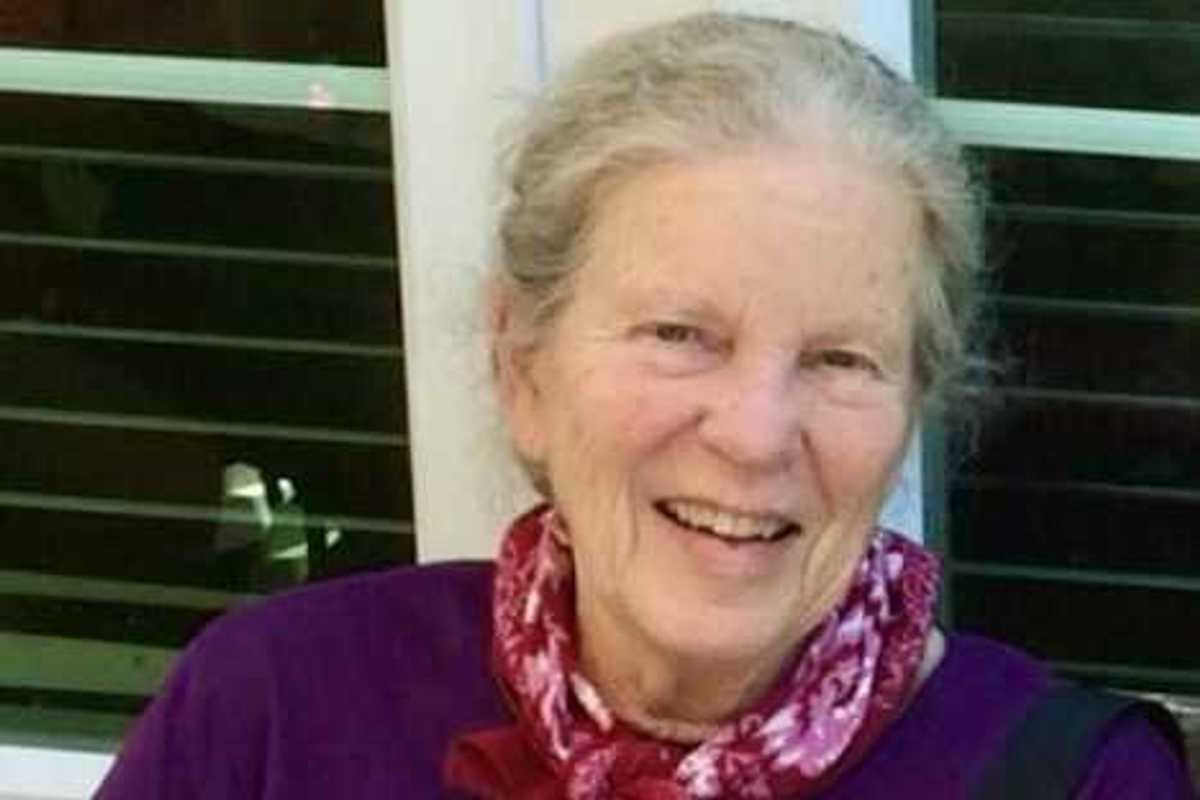
WEST CORNWALL — Erica Child Prud’homme died peacefully in her sleep on Jan. 9, 2026, at home in West Cornwall, Connecticut, at 93.

Erica was born on April 27, 1932, in Doylestown, Pennsylvania, the eldest of three children of Charles and Fredericka Child. With her siblings Rachel and Jonathan, Erica was raised in Lumberville, a town in the creative enclave of Bucks County where she began to sketch and paint as a child.

Keep ReadingShow less
google preferred source

Want more of our stories on Google? Click here to make us a Preferred Source.
google preferred source

Want more of our stories on Google? Click here to make us a Preferred Source.