The airways are chock full of stories bemoaning soaring gasoline and diesel prices lately. Much less attention is focused on rising heating oil prices this coming winter.
All the inflation data is reflecting how these rising energy costs are impacting your pocketbook. For diesel, which fuels the transportation industry and most of commercial America, the problem is even more acute than gas.
Some readers, depending on where you live, may also be facing another challenge besides higher gas prices. A close cousin to diesel fuel in the world of refined energy products is home heating oil. Around my town, regular gas is above $4.35, and diesel is now over $6.50 a gallon.
Diesel is now at an all-time high. Heating oil is following the diesel price higher. Fortunately, if there is a silver lining, many homes in the country run on gas or electric. The problem turns ugly in the Northeast, however. Over 4 million homeowners depend on heating oil, the most expensive way to heat a home and stay warm in the winter.
U.S. heating oil futures recently surpassed 2022 highs and have climbed almost 30% over the last quarter. Since the start of the year, they are up 120%. The Energy Information Administration forecasts the average price this year at $4.80/gallon, up 33% from last year. The catch is that prices vary widely depending on where you live.
In some states, heating oil use is greater than in others, such as Maine (50% of homes), Alaska (28%), Massachusetts (20%), and New York (15.53%), so the impact will be greater. I recommend calling your local oil company for a quote once you read this column. Don’t be surprised if the price is at least $2.00 or more per gallon above the government-forecasted average.
Before you ask, yes, you can blame the war in Iran. Part of the price increase is due to the closure of the Straits of Hormuz and other exit routes for crude oil and refined products out of the Middle East.
But some of the shortfall is also happening because the war that was supposed to be resolved on “Day One” of Trump’s re-election is still very much in contention. Ukraine is now able to hit Russian oil refineries thousands of miles away in retaliation for the devastation of its own energy resources over the last five years.
This matters because Russia is a major exporter of all kinds of petroleum products, including diesel and heating oil. As a result of the Ukrainian drone attacks, Russian production has fallen to the point that they have banned exports. This has created a supply shortfall for global customers, leading to much higher prices for diesel and heating oil outside the U.S.
Oil refiners in general, and U.S. refiners in particular, have been exporting some of their diesel and heating oil overseas to take advantage of price discrepancies between domestic and overseas markets. As a result, some refiners are experiencing even wider profit margins. There has been talk among legislators this week in Washington about restricting diesel exports from the U.S.
The Biden-era attempt to reduce LNG exports was a dismal failure. All it did was increase LNG prices worldwide. The same would happen if the government reduced diesel exports. Trump has not decided whether to restrict diesel exports, despite a massive lobbying effort this week by the energy trade.
The situation has escalated to a point where President Trump has asked Ukraine’s President Volodymyr Zelensky to cease fire on Russian refineries. You may remember Zelensky; he is the same man the U.S. President and Vice President publicly humiliated in the Oval Office a year ago for not being grateful enough for U.S. assistance during Russia’s war of aggression.
Trump this week claimed in a post on Truth Social that “Ukraine has agreed not to hit Russian energy targets. Russia has agreed to do likewise.” Neither side has agreed yet, even after Zelensky met with the president at the United Nations assembly this week.
Zelensky reiterated his position that he would be willing to back off if Russia agreed to de-escalation as well, with assurances from his “partners.” Does that mean Trump is his partner again?
In any event, aside from praying for a mild winter, I suggest readers take advantage of your oil supplier’s standard pricing program, if you haven’t already. It is a way to hedge your upcoming fuel costs if administration-induced price spikes continue throughout the winter.
If you’re unfamiliar with hedging your oil costs, current program types include fixed-price plans, where you can lock in your per-gallon rate for the entire heating season (typically October through April). You pay the agreed price regardless of market changes. Premiums over spot prices are usually $0.10-$0.25/ gallon.
Price cap plans also set a maximum per-gallon price for the season. You pay the lower of the market rate or the cap. In this plan, the premium over spot you pay is typically $0.25 to $0.50 per gallon. Or you can take the risk that the war is over in the next month or so and opt for variable pricing, which is the spot market rate, without a cap or lock.
Bill Schmick is a founding partner of Onota Partners, Inc., in the Berkshires. Bill’s forecasts and opinions are purely his own and do not necessarily represent the views of Onota Partners, Inc. None of his commentary is or should be considered investment advice.


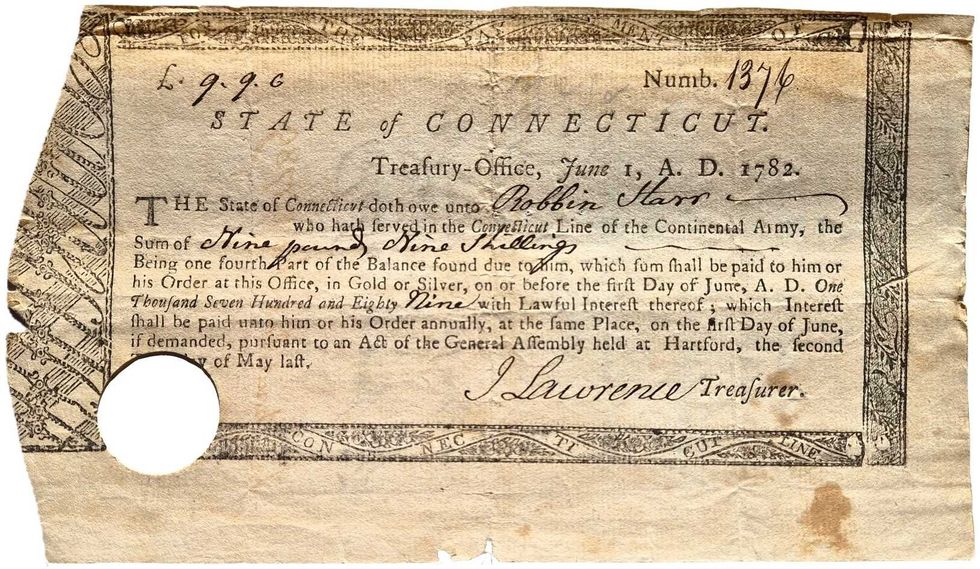 Pay Bill for Robin Starr’s service in the Continental Army.Courtesy the Alex Breanne Corporation
 John Mills speaking at Quinnipiac University.Courtesy the Alex Breanne Corporation
 Stephanie Saetta,with her rescue dog George and Blue (left), a shepherd mix awaiting his forever home.Madi Long
 Blue, a 7 year-old Shepard mix, is waiting for his forever home. Madi Long