WINSTED — The first name most people think of when clocks and Winsted are mentioned in the same sentence is William L. Gilbert, the famous Laurel City businessman who founded the Gilbert Clock Company in 1871 and started making clocks in Winsted in the 1820s.
But there is another name that precedes Gilbert when it comes to Laurel City clocks.
“The original famous clockmaker in Winsted was Riley Whiting,� said Winchester Historical Society Director Milly Hudak in an interview this week. “He started making clocks in 1807, and all of his clocks were made with wooden gears.�
Hudak noted that the historical society is one of 50 sites participating in this year’s Locally Grown History program, running now through Oct. 31 throughout Litchfield County. The historical society will host a special event Saturday, Oct. 18, at 2 p.m., in which the history of Winsted-made clocks will be explored.
Hudak said the program will explore early American clock making, with a focus on Winsted’s rich contributions to the history of the craft. Visitors will have an opportunity to see actual 19th century clocks made by Whiting and Gilbert. “We have three of Mr. Whiting’s clocks at the historical society,� Hudak noted. “His clocks are very rare because all of the parts are made from wood.�
Hudak said she summoned the expertise of Torrington clockmaker and repair man George Bruno in restoring some of the antique clocks on display at the historical society. “He is amazing,� she said. “He can build all of the wooden gears and he can rebuild an entire Whiting clock.�
Two wall clocks and a grandfather clock made by Whiting are on display in the front room of the historical society, along with portraits of Whiting and his wife and children. Numerous clocks and other memorabilia from the Gilbert Clock Company are also on display.
Hudak said this autumn is a perfect time for Litchfield County residents to explore the region’s history and agriculture, as the Locally Grown History program will give away prizes to people who visit at least 10 of the 50 destinations on the Litchfield County map. There are more than a dozen locations that are within a 15-minute drive of Winsted.
A brochure with a map and addresses for all destinations has been distributed to locations throughout the region, and an accompanying passport includes squares that can be stamped by staff at each location.
Once you have visited at least 10 sites and filled out the necessary information, you can drop off your passport at any participating site to be entered into a drawing for bed-and-breakfast getaways, jewelry, ski passes, local wines, dinners and tickets to the Warner Theatre in Torrington.
Hudak noted that the Colebrook, Torrington and Barkhamsted historical societies are all included on the Locally Grown History map, along with agricultural destinations such as the White Memorial Conservation Center in Litchfield and the Upper Housatonic Valley National Heritage Area in Salisbury. “You can take a ride in the car and cover a handful of them in one day,� she said. Visitors need to have their passports completed by Oct. 31 to participate in the prize drawing.
Led by Robert Forbes, assistant professor of history at the UConn Torrington campus, Locally Grown History will culminate the weekend of Oct. 18 and 19 with exhibits, workshops and panel discussions at the college.
Hudak said she is looking forward to hosting the Oct. 18 discussion of Winsted clocks at the Winchester Historical Society and said anyone interested in visiting the museum between now and then can schedule an appointment by calling her at 860-379-1677 or 860-379-8433.

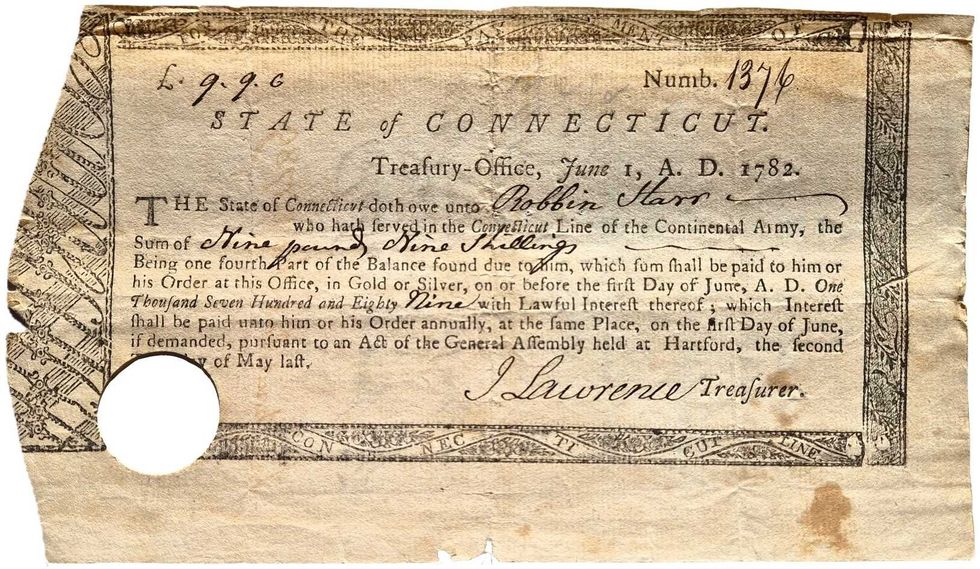 Pay Bill for Robin Starr’s service in the Continental Army.Courtesy the Alex Breanne Corporation
 John Mills speaking at Quinnipiac University.Courtesy the Alex Breanne Corporation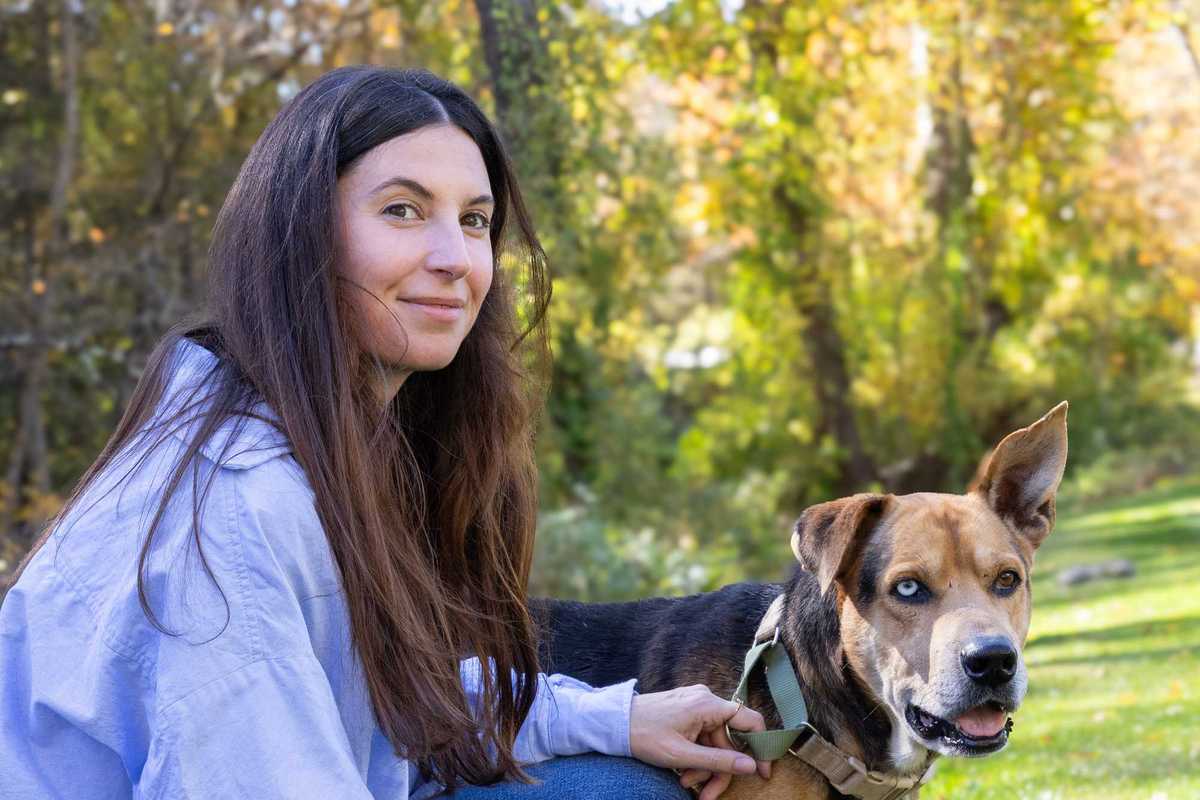
 Stephanie Saetta,with her rescue dog George and Blue (left), a shepherd mix awaiting his forever home.Madi Long
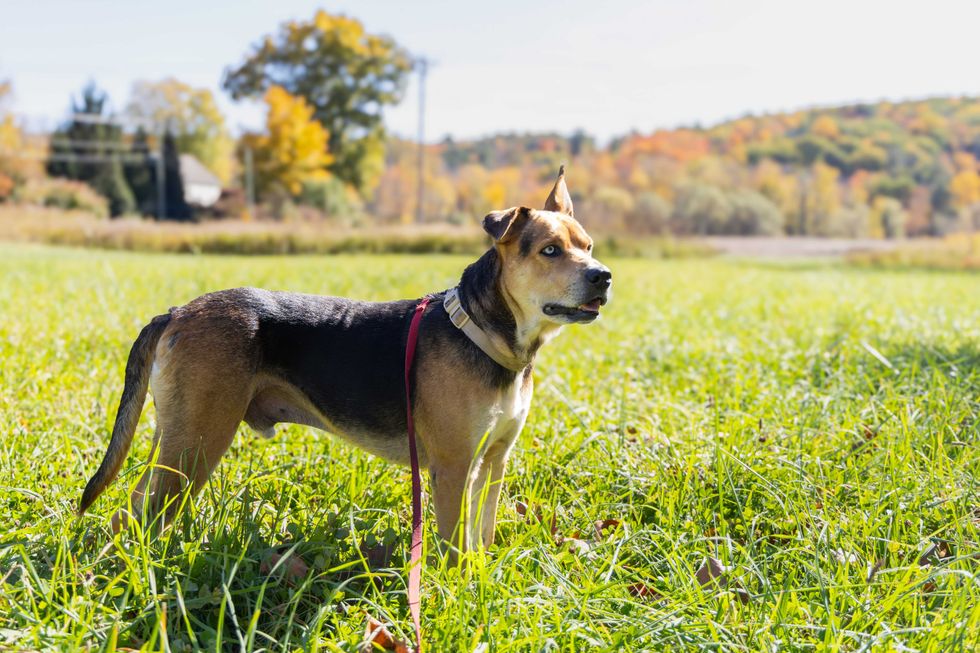 Blue, a 7 year-old Shepard mix, is waiting for his forever home. Madi Long