FALLS VILLAGE — In the wake of two fatal shootings involving Immigration and Customs Enforcement agents in Minnesota, students across the country have organized demonstrations to protest the federal agency. While some teens have staged school walkouts or public protests, students at Housatonic Valley Regional High School chose a quieter approach.
On Friday, Jan. 30, a group of HVRHS students organized a voluntary “day of silence,” encouraging participants to wear black as a form of peaceful protest without disrupting classes.
The idea was spearheaded by junior Sophia Fitz, who said she wanted a way for students to express their concerns while remaining in school.
“What really inspired me was that I was feeling very helpless with these issues,” Fitz said. “Staying educated with what’s going on in not only our country but globally can be very stressful as a teenager. Kids right now are feeling very hopeless and want to do something, but don’t know how.”
Teachers Peter Verymilyea and Damon Osora were on board with the idea early on, describing it as a peaceful and respectful way for students to express their beliefs.
Assistant Principal Steven Schibi also backed the effort, emphasizing the importance of student participation.“I think it’s important for us to listen to students,” he said. “And they have to learn how to have a voice in such a way that it’s not disruptive.”
After discussions with Superintendent Melony Brady-Shanley and Principal Ian Strever, school administrators agreed that participation would be optional and that students could choose whether to wear black or not.
Schibi, along with several staff members, participated in the movement by wearing black themselves. Math department chair Kara Jones was among the participating teachers. “Everybody deserves their voice, so I’d rather do the day of silence than everybody stay home,” she said.
Among HVRHS students who supported the protest, at least one cited concern for friends affected by immigration enforcement.
Sophomore Peyton Bushnell said he felt anxious, fearing for the safety of friends and acquaintances. “I think it’s all really messed up,” Bushnell said. “I have a lot of Hispanic friends, and I worry if there’s ICE in Great Barrington, if they came here [and] deported my friends. I can’t even imagine.”
Bushnell said Fitz’s initiative encouraged him to speak more openly about the issue.
Senior Molly Ford echoed that sentiment. “I think it’s a peaceful way to protest and I think it’s the best way to do so,” Ford said.
Many students wore black to show support, and senior Victoria Brooks shared her thoughts on what it meant to her. “It means following along in a form of advocacy alongside other students,” Brooks said.
Some students declined to comment when asked about the protest. Others said they were unaware the protest was taking place. Three seniors interviewed during lunch said they would have participated had they known, calling it a “neat idea.”
Not all students were convinced of the protest’s impact. A group of juniors questioned whether it would make a difference.
“I think that it is good that we’re trying to do something,” one student said. “But I’m not sure how much the silence aspect of it will help, but I think that it’s good that we’re trying.”
Some students questioned the efficacy of the protests, including a group of seniors who offered their opinions. They expressed the belief that the protests were “pointless,” and that President Donald Trump probably didn’t even know that HVRHS existed.
“I just don’t think it’s the best way to go about it. Like, what is us being silent and wearing black gonna do,” one of the seniors said.
Senior Cohen Cecchinato voiced his opposition to the protests in another interview.
“The staying silent, I think, is for the lives that were lost, which I agree with,” Cecchinato said. “But I think that wearing black, like the movement that it’s behind, the people that are putting it into place in our school are doing it because it’s like the ‘F ICE’ movement or the abolish ICE movement, which I think is just wrong.”
Other students said they believed political protests don’t belong in school.
“I just don’t think we should bring politics into school,” one senior said. Another added, “I think it’s causing … a really big divide and people are using it to be advantageous to themselves and their own beliefs.”
However, one senior expressed a sharply critical view of the protest. Senior Ashton Osborne dismissed students who chose to wear black or participate in the demonstration and criticized organizer Sophia Fitz. He also said he strongly supported the federal immigration agency and added that if he were old enough, he would want to work for ICE.
The comments reflected a minority viewpoint among students.
Mia DiRocco, Hannah Johnson and Peter Austin are seniors at Housatonic Valley Regional High School and participants in The Lakeville Journal’s student journalism program, which produces HVRHS Today.




 Tiffany Lemelin, shelter manager, brushing Marsala upon arrival.Provided
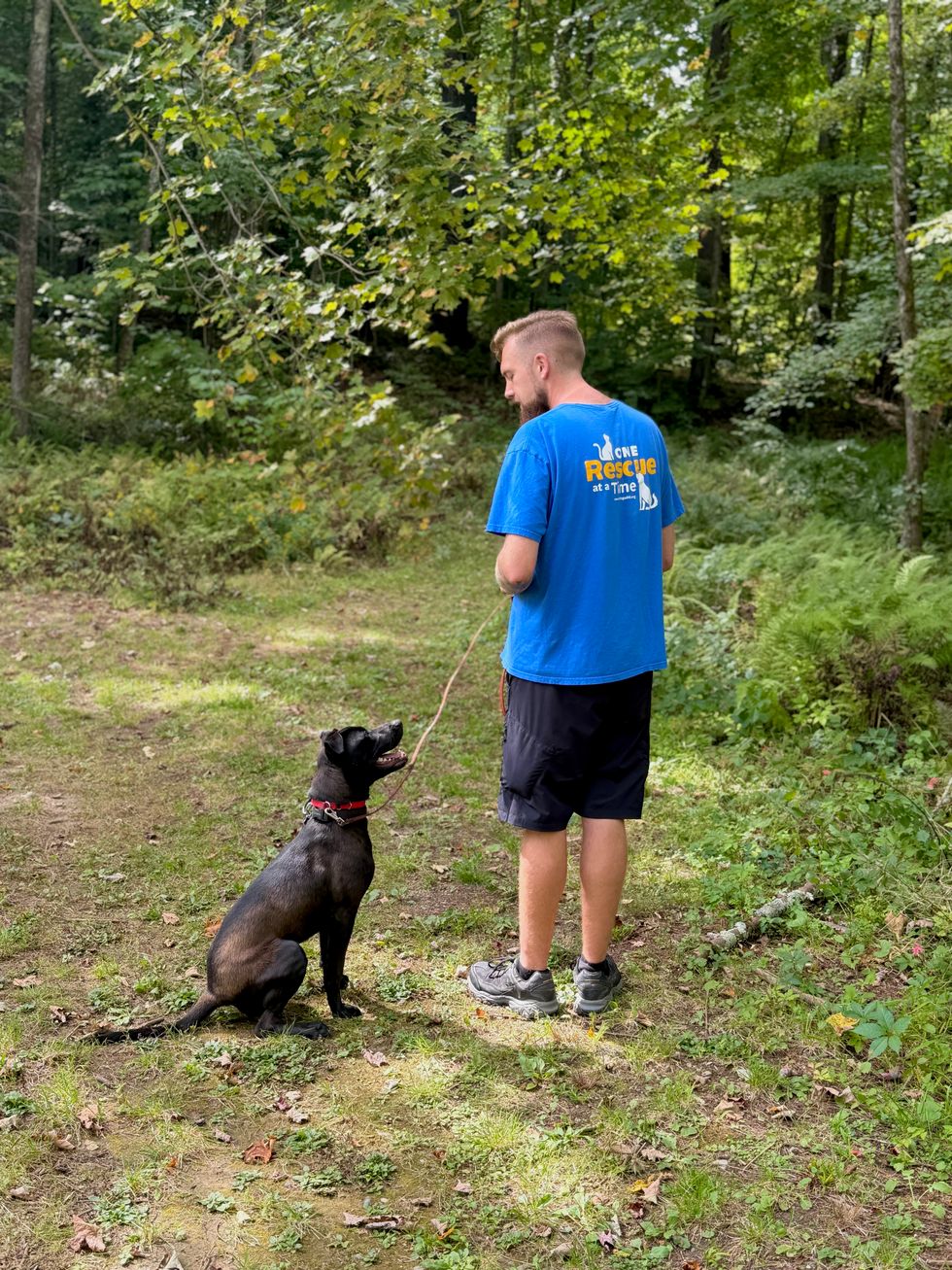 Michael DeBarba, certified dog trainer working with Marsala.Jennifer Almquist
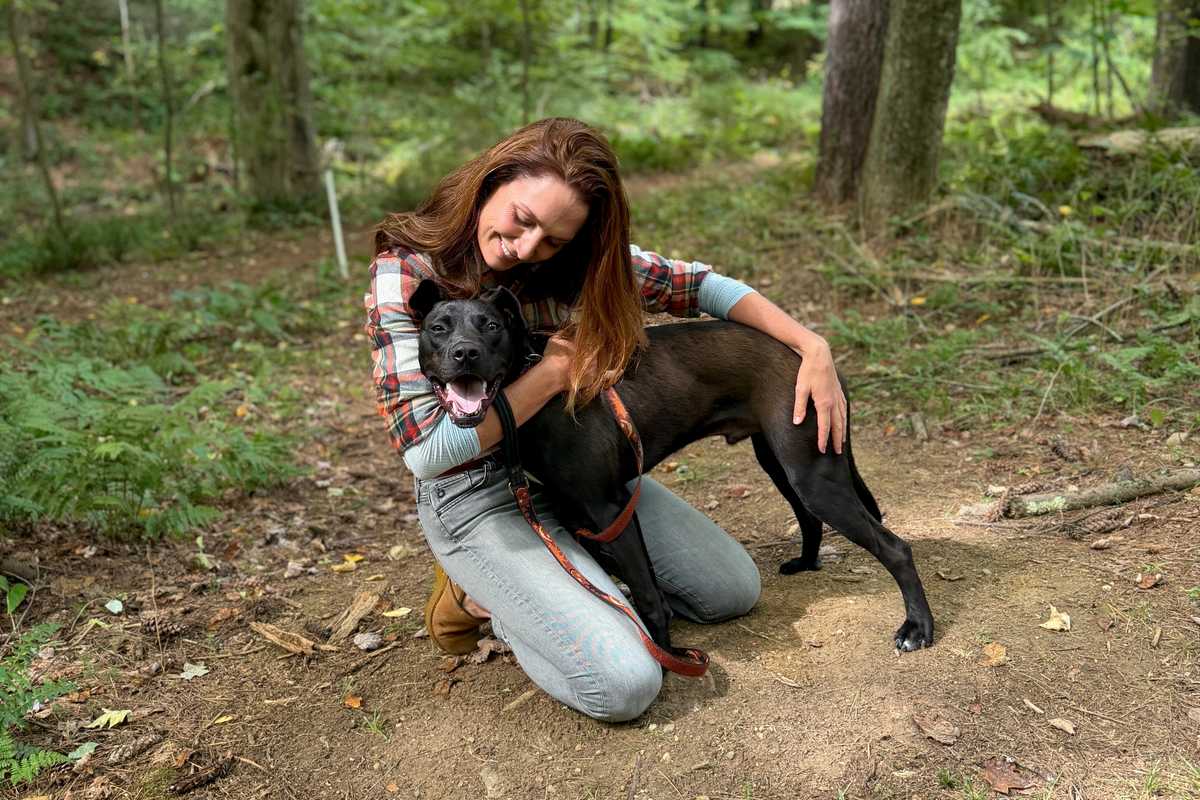 Marsala wins a heart.Jennifer Almquist

 Sadie, center, a Carolina dog, plays with her friend Negra, a terrier mix. Bella Linda, the small poodle, has since been adopted.L. Tomaino
 Wesley, a young, exuberant mix, is looking for an active home.L. Tomaino
 Bonnie and Clyde, an affectionate terrier pair.L. Tomaino
 Provided