Housy grad finds his way, with help of a WWII Corsair

FALLS VILLAGE — Mohamed Elserafy, valedictorian of the class of 2010 at Housatonic Valley Regional High School (HVRHS), returned to talk about his college career, mechanical engineering and the value of hard work.Not to mention the ailerons of the F4U-4 Corsair.Elserafy’s talk (he gave the same presentation twice) was part of Science Day at HVRHS, Friday, April 11.He began by telling the high school students that after he graduates from the University of Connecticut (UConn) this spring, he will go to work for Pratt and Whitney, the aerospace manufacturer.What is an engineer?His major is in mechanical engineering, which “combines math and science.”“Mechanical engineers solve real world problems, usually through the development and improvement of technology. Any device you have, I guarantee you an engineer was involved somewhere.”Elserafy said he started his UConn career at the Torrington campus, to save money —and to stay closer to home. “I wasn’t one of those people who want to get out of here.”He took the required general education courses and calculus. His Advanced Placement calculus credits from HVRHS did not transfer and he had to take it again.He said that because of his experience at HVRHS, he was well-prepared for it, and praised teacher Scott Fellows in particular.In his sophomore year, when he was still thinking about becoming a math teacher, he got interested in engineering, and wound up designing an air-conditioning system for cars.“That was the end of thinking about being a teacher.”In his junior year, he studied theoretical concepts and physical design. He said he realized “that if it doesn’t make sense theoretically it won’t in real life.”Now, in his senior year, which he described as “the most hands-on,” he is working with other students as a team, on a real-life problem from a Connecticut company.Elserafy took a few minutes to describe the four main branches of engineering: chemical, civil, electrical and mechanical.He said there are subdivisions within the four main disciplines — for instance, design and manufacturing within the overall umbrella of mechanical engineering.He said that mechanical engineering is “the oldest and broadest” branch, and noted that as an undergraduate he still had to study the other three branches.The real worldAs a practical matter, he said that mechanical engineers “are needed everywhere in industry.”His senior project is taking up a lot of his time, he said.“But if you finish it you have a real impact on the world.”He said the course work is “difficult, not impossible.”If someone has the “interest, dedication, focus and passion” for the work, then it can be done.”Besides, he said wryly, “I happen to like doing work on weekends.”He said he was looking forward to the job at Pratt and Whitney — because the entry level salary is generous, and because he will have weekends off.He offered a caveat: “Never go into anything just for the money. It has a way of not working out.”Don’t delay college plansElserafy urged the group not to put off college plans. (His brother, a freshman, was in the audience.)“Don’t wait to think about college — it’s never too early to get the ball rolling.”He said his experience at HVRHS was valuable. “High school does matter. You are very lucky to be at this school. You have talented, gifted, brilliant teachers.”The WWII CorsairElserafy then shifted gears to talk about the restoration of an F4U-4 Corsair, a World War II fighter plane. The Corsair was commissioned by the Navy in 1938. It had a Pratt and Whitney engine, a Chance and Vought frame, and was built in a facility constructed on land owned by Sikorsky.There are now 10 Corsairs in flying condition in the U.S. This will be the 11th.Elserafy saw a parallel between the collaborative efforts of the rival manufacturers and the teamwork he said is necessary for mechanical engineering.The Corsair was an all-Connecticut project and was the fastest fighter of the time. It was built mainly for battle, with wings that folded up so the planes could be transported on aircraft carriers.“It was all custom-built,” said Elserafy, gesturing to copies of the detailed mechanical drawings he brought along. “Today we use standardized parts.”Elserafy is working on the ailerons — the flaps on the wings that guide the plane.He compared the ailerons to driving a car and taking the hands off the wheel.“Which I do not recommend,” he added.“If the car is aligned correctly the car goes straight when your hands are off the wheel.”He said the ailerons have more than 100 custom parts. He creates models of them with a CAD (computer-aided design) program, using the original technical drawings.Elserafy expressed admiration for the original plans — which go into great detail, such as noting that a wooden part requires two coats of varnish.“We have software that generates this today. These are hand drawn.”Sometimes, he said, a detail is missing. The restorers then have to go through the old documents — lots of them — to find the missing information.So as far as possible, the plane will be true to the original specifications. There are some exceptions, however — small fasteners, glues that are no longer made.Asked if there are plans to restore more Corsairs, Elserafy said he didn’t think so.Honors aerospace industry “This is a one-time restoration project. We’re fixing up the plane and we want to fly it. And we want to honor the Connecticut aerospace industry.”He was asked about the parts of the Corsair. “The parts were built meticulously,” he said, waving a sample.Asked how the restorers know what materials to use, he said the “properties are known and documented, usually on the drawing. This screw, that epoxy.”It all mattersElserafy was asked about his course load at HVRHS.“I took a lot of math, Calculus 1 — but everything you do has an impact.“I played soccer for three years. I learned to deal with other people.”Just like the three companies cooperating on the Corsair, he added.“It’s all about teamwork.”Elserafy said working at Lime Rock Park as a teenager was a valuable experience.He started off just washing cars and occasionally moving them.Then one day one of the teams was short a mechanic, and he was asked to fill in on Pit Lane.“It was the most remarkable week of my life. I worked 72 hours a day, and at that point I realized I wanted to do something with machines.”He attributed much of his success to hard work and a good attitude.“I’m not a genius. I just work really hard.”And this — “Nothing is impossible, nothing is hard — because these people are doing it, and they are just people.”

Latest News

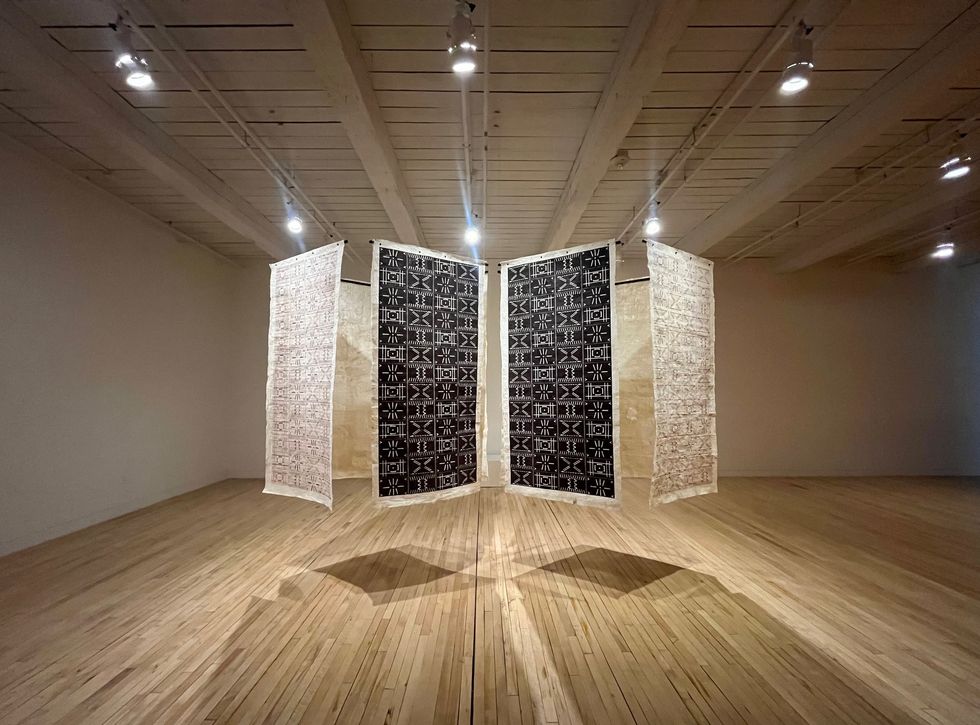
Living art takes center stage in the Berkshires

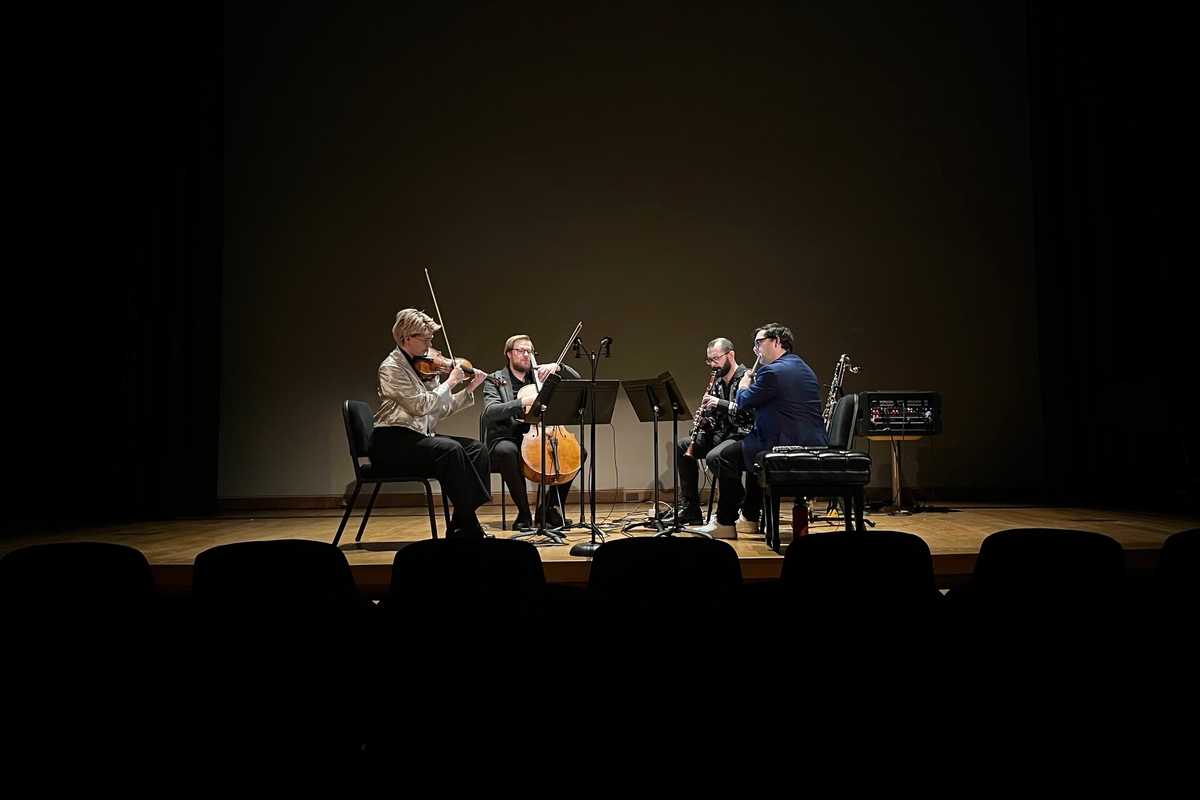
Contemporary chamber musicians, HUB, performing at The Clark.

D.H. Callahan

Northwestern Massachusetts may sometimes feel remote, but last weekend it felt like the center of the contemporary art world.

Within 15 miles of each other, MASS MoCA in North Adams and the Clark Art Institute in Williamstown showcased not only their renowned historic collections, but an impressive range of living artists pushing boundaries in technology, identity and sound.

Keep ReadingShow less
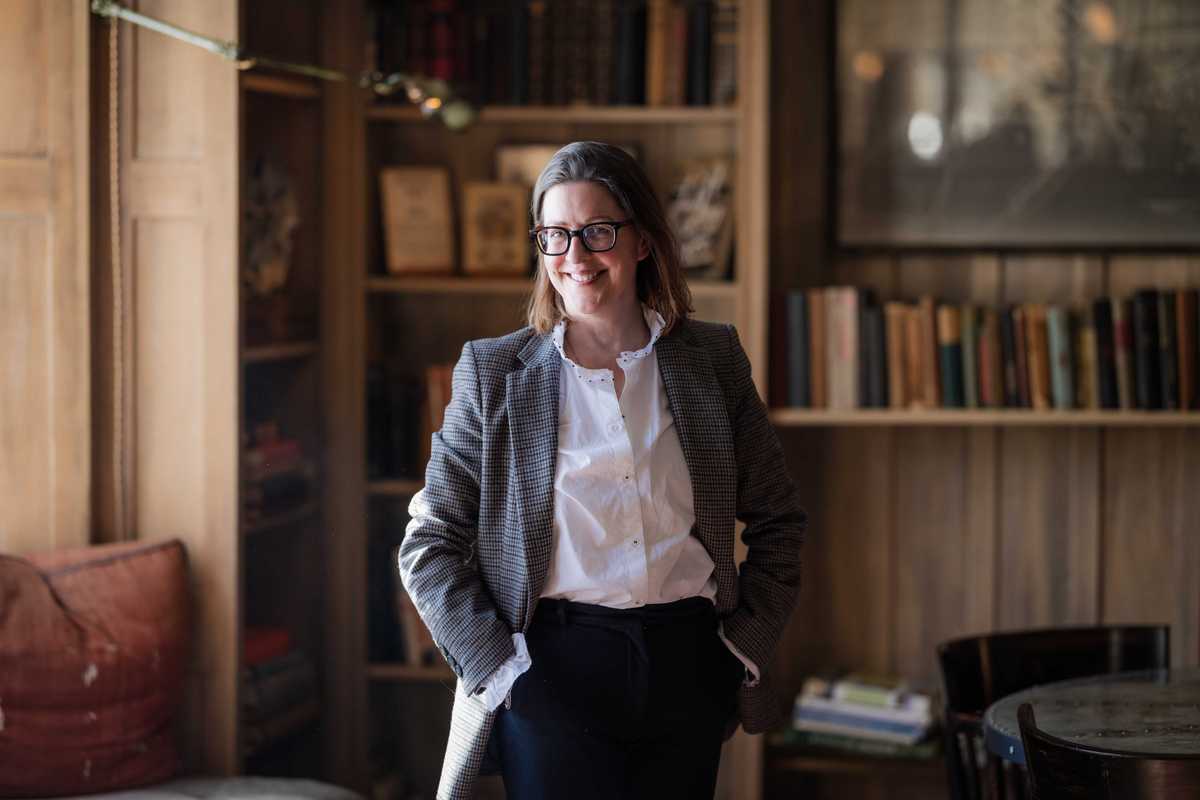
Persistently amplifying women’s voices

Francesca Donner, founder and editor of The Persistent. Subscribe at thepersistent.com.

Aly Morrissey

Francesca Donner pours a cup of tea in the cozy library of Troutbeck’s Manor House in Amenia, likely a habit she picked up during her formative years in the United Kingdom. Flanked by old books and a roaring fire, Donner feels at home in the quiet room, where she spends much of her time working as founder, editor and CEO of The Persistent, a journalism platform created to amplify women’s voices.

Although her parents are American and she spent her earliest years in New York City and Litchfield County — even attending Washington Montessori School as a preschooler — Donner moved to England at around five years old and completed most of her education there. Her accent still bears the imprint of what she describes as a traditional English schooling.

Keep ReadingShow less
Jarrett Porter on the enduring power of Schubert’s ‘Winterreise’
Baritone Jarrett Porter to perform Schubert’s “Winterreise”
Tim Gersten

On March 7, Berkshire Opera Festival will bring “Winterreise” to Studio E at Tanglewood’s Linde Center for Music and Learning, with baritone Jarrett Porter and BOF Artistic Director and pianist Brian Garman performing Franz Schubert’s haunting 24-song setting of poems by Wilhelm Müller.

A rejected lover. A frozen landscape. A mind unraveling in real time. Nearly 200 years after its premiere, “Winterreise” remains unnervingly current in its psychological portrait of isolation, heartbreak and existential drift.

Keep ReadingShow less
google preferred source

Want more of our stories on Google? Click here to make us a Preferred Source.
A grand finale for Crescendo’s 22nd season

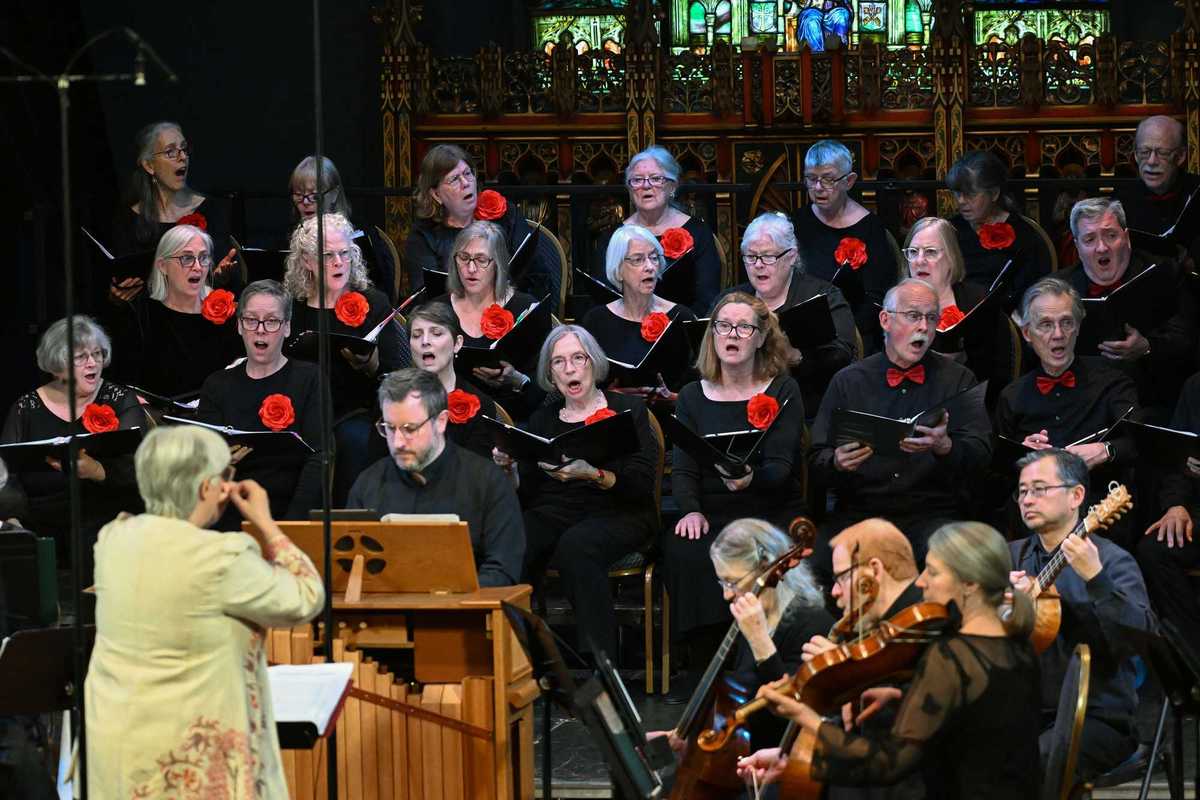
Christine Gevert, artistic director, brings together international and local musicians for a season of rare works.

Stephen Potter

Crescendo, the Lakeville-based nonprofit specializing in early and rarely performed classical music, will close its 22nd season with a slate of spring concerts featuring international performers, local musicians and works by pioneering composers from the Baroque era to the 20th century.

Christine Gevert, the organization’s artistic director, has gathered international vocal and instrumental talent, blending it with local voices to provide Berkshire audiences with rare musical treats.

Keep ReadingShow less

Leopold Week honors land and legacy

Leopold Week honors land and legacy

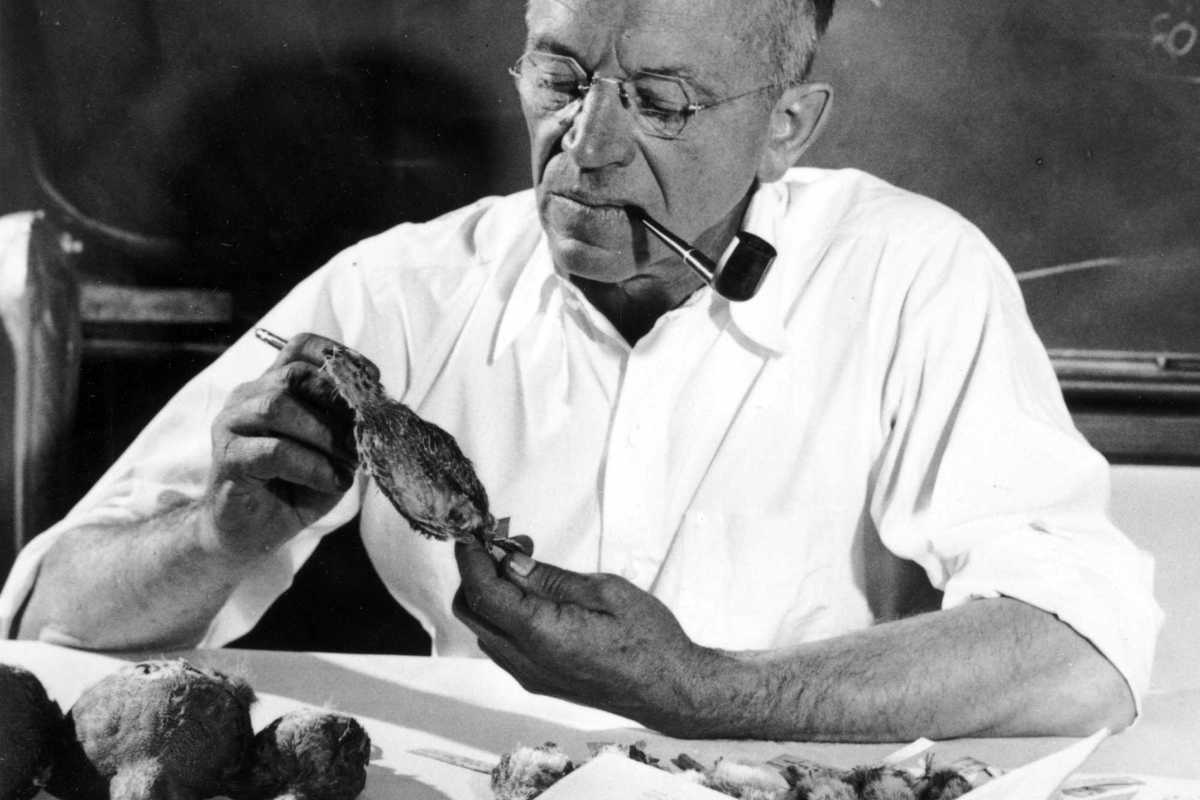
Aldo Leopold in 1942, seated at his desk examining a gray partridge specimen.

Robert C. Oetking

In his 1949 seminal work, “A Sand County Almanac,” Aldo Leopold, regarded by many conservationists as the father of wildlife ecology and modern conservation, wrote, “There are some who can live without wild things and some who cannot.” Leopold was a forester, philosopher, conservationist, educator, writer and outdoor enthusiast.

Originally published by Oxford University Press, “A Sand County Almanac” has sold 2 million copies and been translated into 15 languages. On Sunday, March 8, from 3 to 5 p.m. in the Great Hall of the Norfolk Library, the public is invited to a community reading of selections from the book followed by a moderated discussion with Steve Dunsky, director of “Green Fire,” an Emmy Award-winning documentary film exploring the origins of Leopold’s “land ethic.” Similar reading events take place each year across the country during “Leopold Week” in early March. Planning for this Litchfield County reading began when the Norfolk Library received a grant from the Aldo Leopold Foundation, which provided copies of “A Sand County Almanac” to distribute during the event.

Keep ReadingShow less

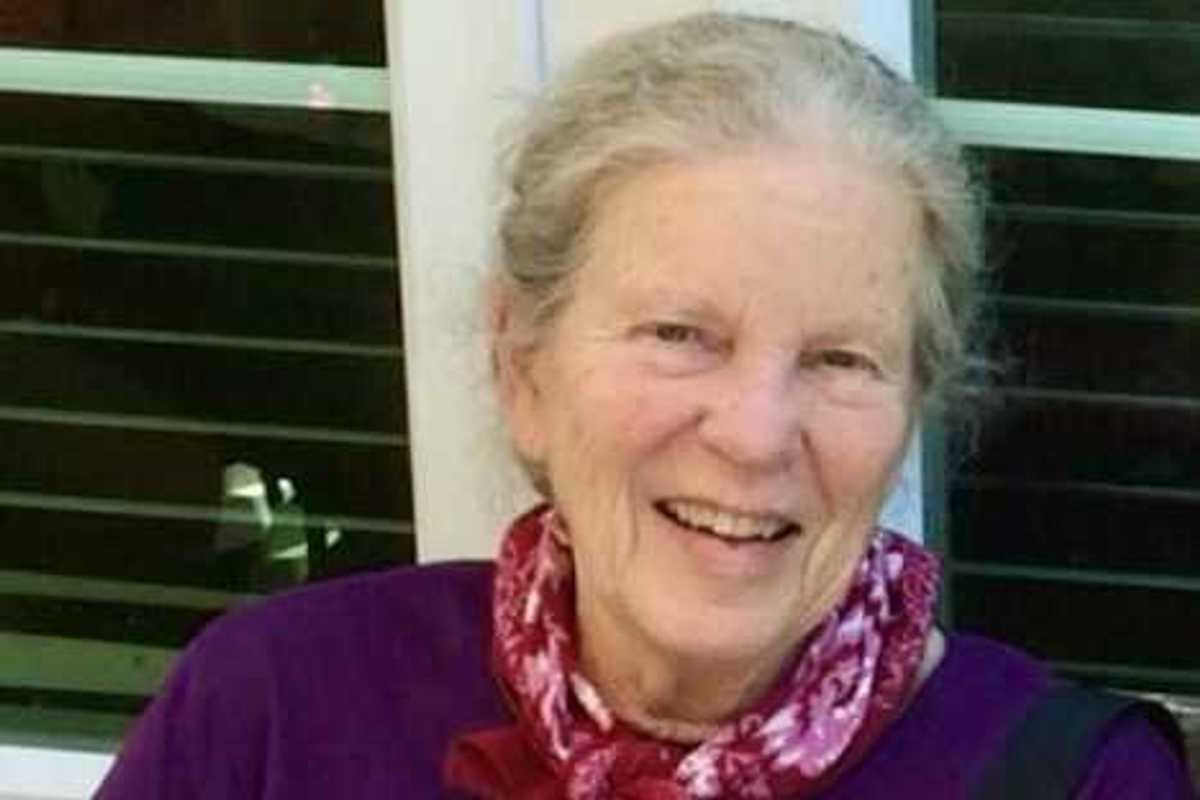
Erica Child Prud’homme

Erica Child Prud’homme

WEST CORNWALL — Erica Child Prud’homme died peacefully in her sleep on Jan. 9, 2026, at home in West Cornwall, Connecticut, at 93.

Erica was born on April 27, 1932, in Doylestown, Pennsylvania, the eldest of three children of Charles and Fredericka Child. With her siblings Rachel and Jonathan, Erica was raised in Lumberville, a town in the creative enclave of Bucks County where she began to sketch and paint as a child.

Keep ReadingShow less
google preferred source

Want more of our stories on Google? Click here to make us a Preferred Source.
google preferred source

Want more of our stories on Google? Click here to make us a Preferred Source.