MILLERTON - Village Trustee Marty Markonic wants to know how serious Millerton is about repairing its sidewalks. And he wants to know now, as he hopes to plan for sidewalk repair and replacement in the upcoming 2008-09 village budget. The questions are for how much, and for how long.
"Are we going to be capable of holding $15,000 a year for sidewalks, for 20 years?" Markonic asked, adding that totals roughly $300,000, and the village would have to take out a BAN (Bond Anticipation Note) to afford the expense.
The question seemed to throw the other village trustees, who said that BANs are usually taken out for a five-year period.
"We could make a plan next year to take X amount of dollars out for sidewalks because if it's only five years on a BAN [it's not so bad]," Trustee Anne Veteran said. "But 20 years is committing a long time. I would rather see us put a plan in place for the next administration so it can pick up and keep going. You're not going to do all of it in one year."
But Markonic said money doesn't stretch very far when it comes to infrastructure improvements like sidewalks.
"Three-hundred thousand dollars doesn't get you a whole village of sidewalks," he said. "You could use $300,000 in one summer."
"But to commit out for 20 years seems like a lot," Veteran said.
"I think what we need to do is to come up with a statement of how much sidewalk we mean to repair," Trustee Yosh Schulman said. "We need to say, the cost is this and how do we pay for it? I think we ought to be realistic. If all we're doing is peeling up and putting sidewalk back I think we would be surprised how much we can do."
"It's never going to happen," Veteran said.
"It's a lot easier to identify the sidewalks that don't need to be replaced than those that do," Markonic said, adding that in some locations the existing sidewalk is actually sinking, making it dangerous for pedestrians.
"I'm not disagreeing that we need to do it," Veteran said. "But how are we really, really going to do it?"
"Well if you're going to spend $15,000 a year on sidewalks, why not lump it all together and spend [$300,000 over 20 years]?" Markonic asked.
The board agreed there are also other considerations, such as additional infrastrucure improvements - putting access lines, sewer lines or electric lines under the sidewalks.
"We're looking to cover the cost of the sidewalk, but since it's open, how about taking advantage of it?" Schulman asked.
Markonic responded that sewer and water lines both go through the roads, not sidewalks. The mayor added that utility companies don't like to go through the expense of placing their lines underground unless it's absolutely necessary.
By discussion's end Markonic had reconsidered his initial suggestion.
"I maybe went too far with the amount of money to take out," he said. "But I do think that we should look into a BAN. We'll never get anywhere if we just fix 300 to 400 feet [of sidewalk at a time]."
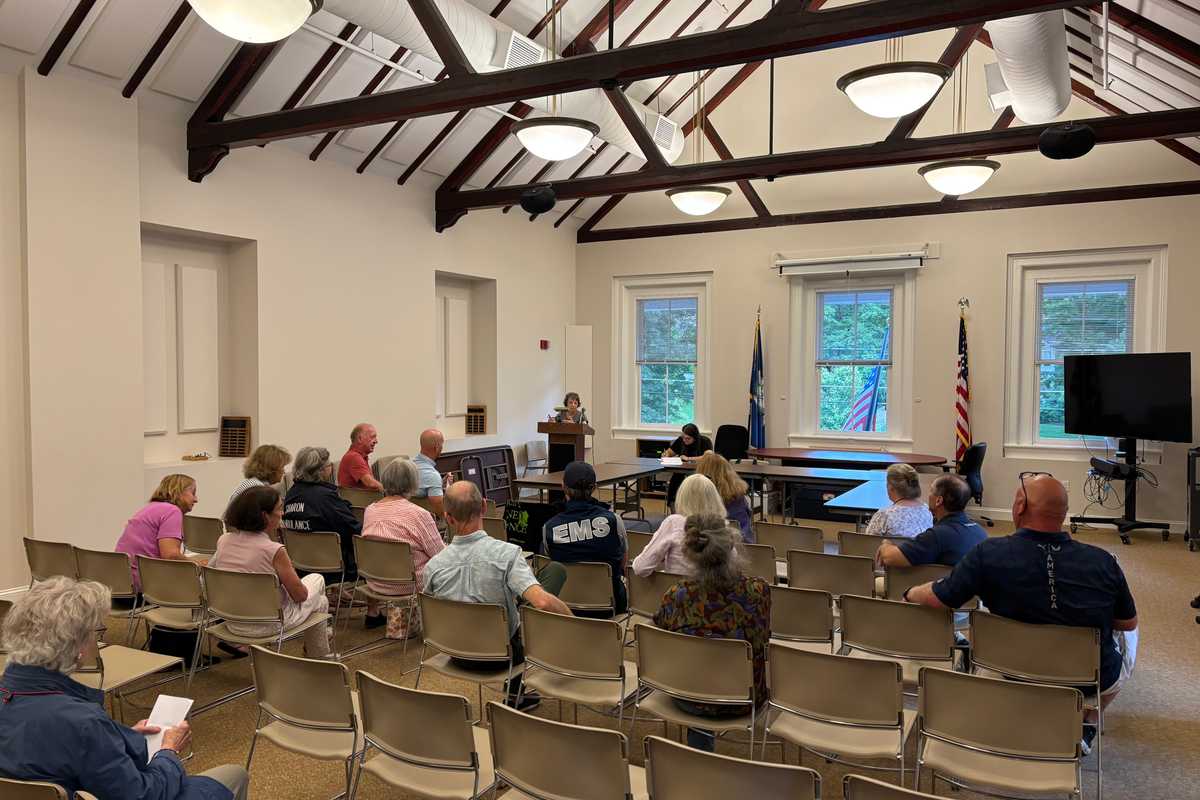
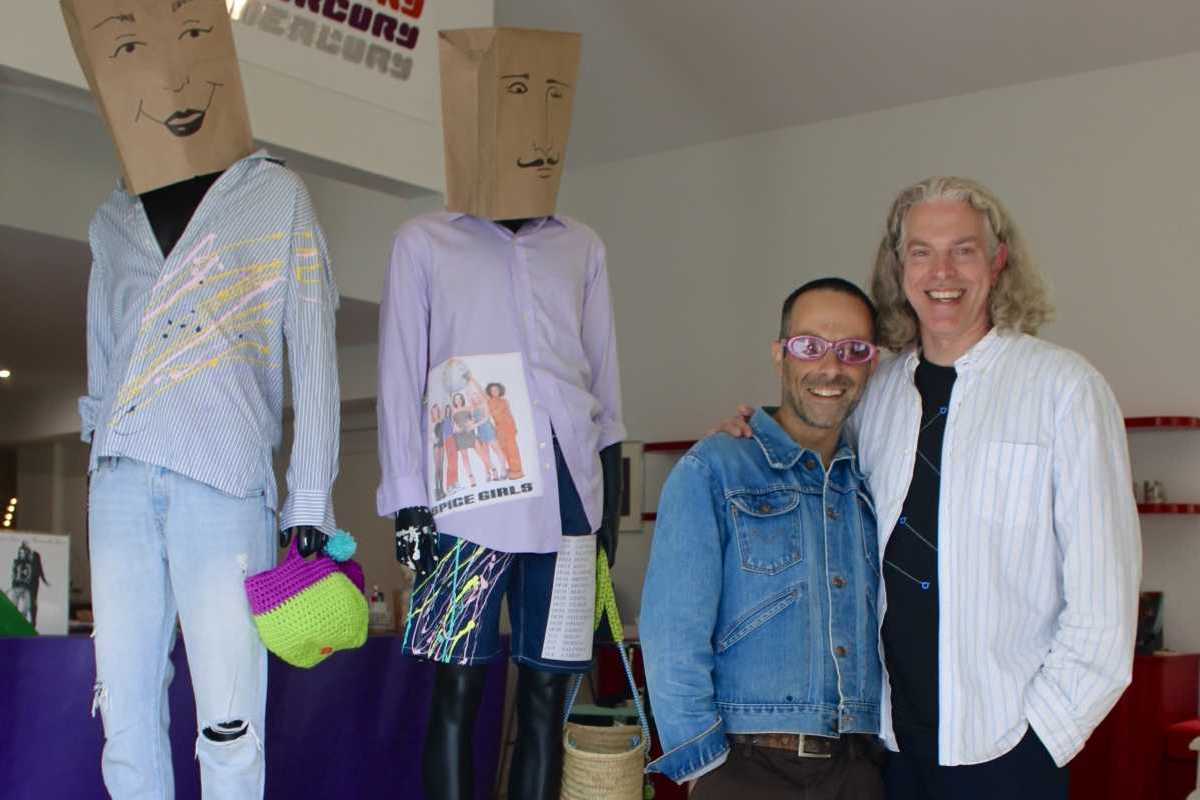
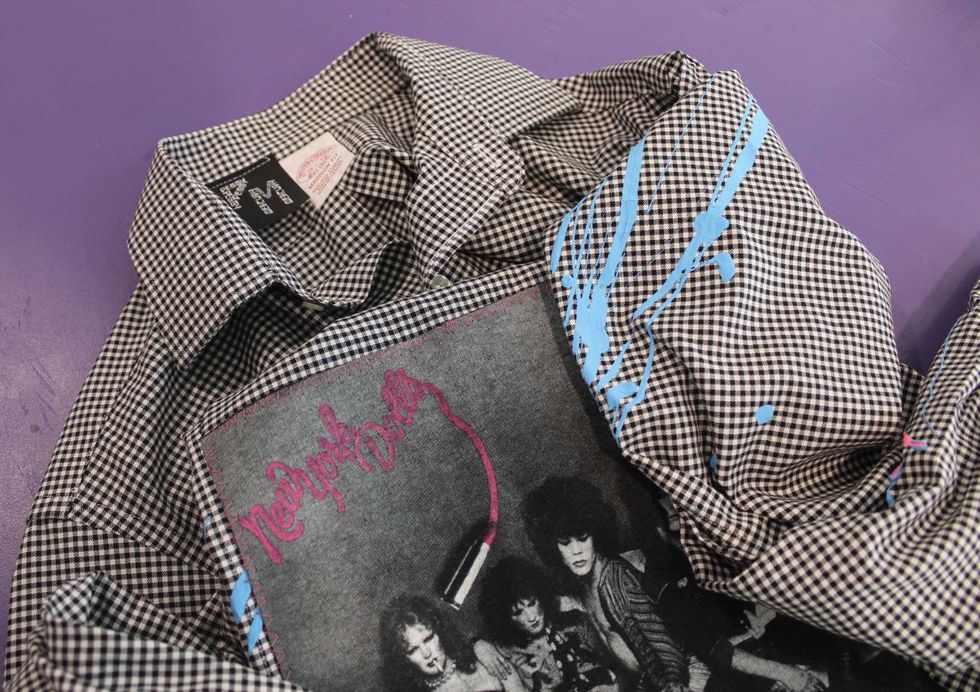 Classic styles, bold colors, and creative concerts make up the “Imaginary Concerts” line at Peggy Mercury.Provided
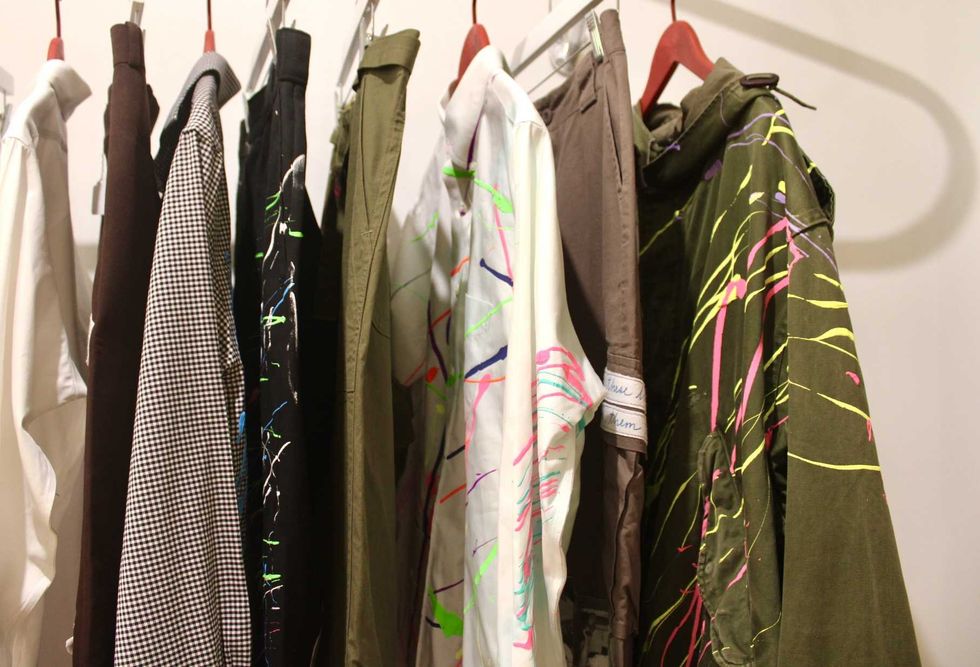 Shirts from Peggy Mercury’s first fashion line, “Imaginary Concerts,” hang on display.Provided