Investigating the Fern Glen at the Cary Institute of Ecosystem Studies

MILLBROOK  — Saturday morning, April 16, was sunny, if a bit chilly, but the 30 or so people who gathered at Cary Institute of Ecosystem Studies for a foray into the Fern Glen were appropriately clad, with plenty of protection from ticks and other pests. Hiking boots were evident, although some wore other gear, as the walk from the main area to the Fern Glen was about a quarter of a mile downhill.

The morning began when Michael Fargione, manager of Field Research and Outdoor Programs, introduced Cary Institute President Joshua Ginsberg, who, after a quick “hello,” left the program to Fargione and scientist Victoria Kelly, manager of the Environmental Monitoring Program. 

Some walked, some drove, and the group met at the entrance to the Fern Glen. Kelly gave the definition of phonological events, which is a term for a precisely defined point in the life cycle of a plant or animal, which marks the beginning or ending of a phenophase.

Kelly explained the need to monitor all of nature, to understand what climate change is doing to the environment. She also discussed the nature of a fen, which is mostly herbaceous peat land that is fed by rich, aerated water. Fens can vary from poor to rich depending on the amount of calcium found in the soil. The Fern Glen winds on paths and over small bridges through the forest, with plants identified by blue tags and plaques. 

The Fern Glen is a garden that features such areas as a pond, which is home to aquatic and emergent plants, as well as insects and amphibians. The Howard Roeller Bed contains a number of native shrubs and wildflowers. The Julie Morgan Bed is devoted to plants that thrive in damp or wet spots, and are partial to shade. The Shrub Swamp includes shrubs and herbaceous plants also found in wet locations.’

Two forests were described. The Hemlock Forest is typically found on cool, northern slopes. There are very dense evergreens that form canopies. A tornado struck in 1992, but the gaps began to fill with plants that prefer more sun, thereby starting the renewal process of forest succession. The Deciduous Forest allows sunlight to filter through the trees, the maples, beeches and others, so allowing understory growth.

Kelly said while those at the Cary do their best to document the changes in the habitat, volunteers are needed and are most welcome. Researching the changes in vegetation due to climate change is extremely important in planning for the future of the plants, trees and other living things. 

For more information, go to www.caryinstitute.org or call 845-677-5343.

Latest News

Living art takes center stage in the Berkshires

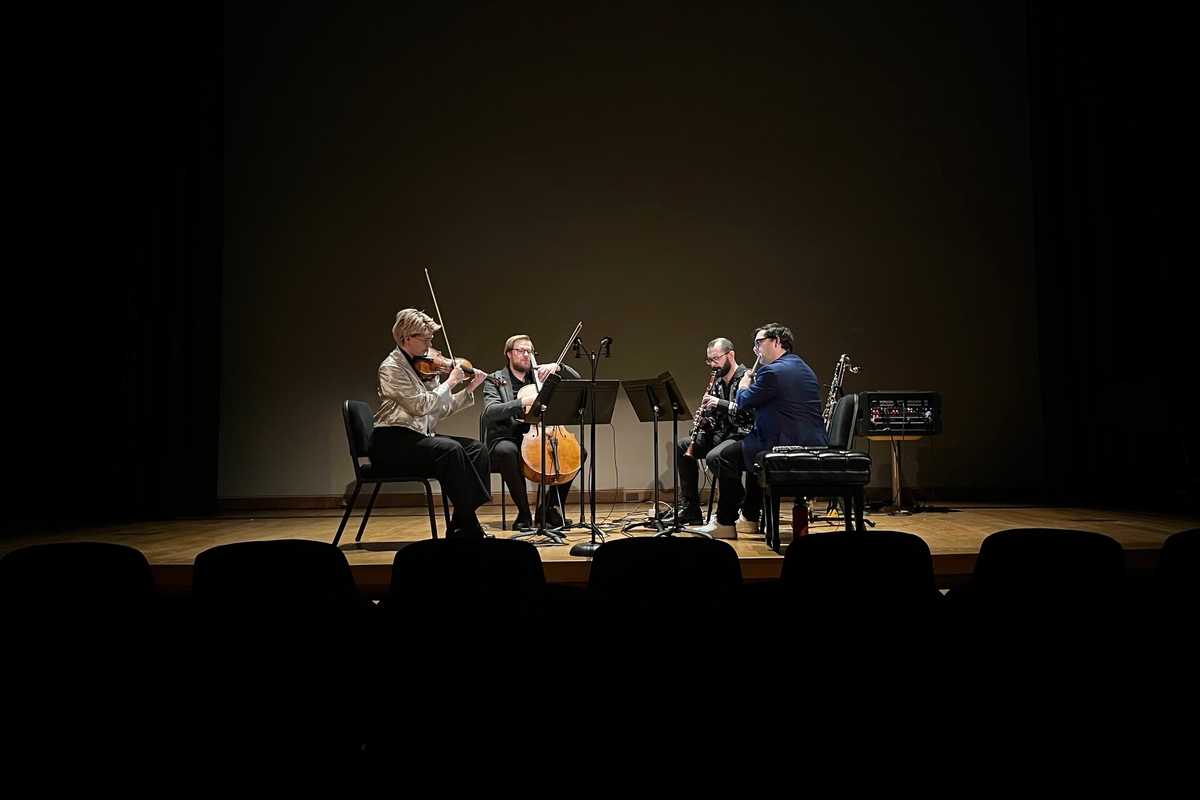
Contemporary chamber musicians, HUB, performing at The Clark.

D.H. Callahan

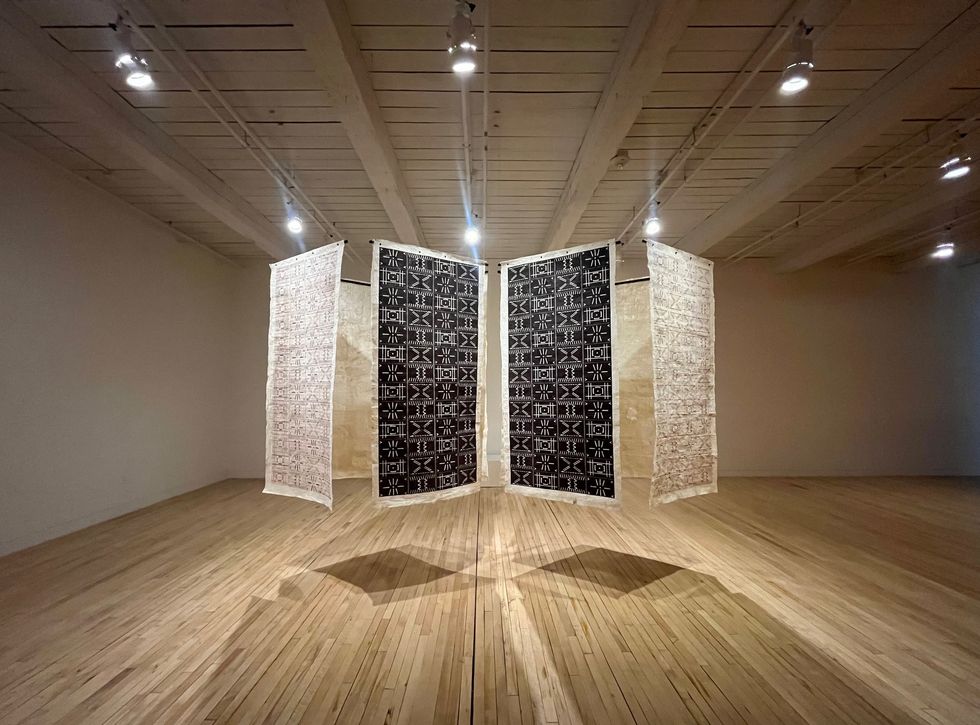
Northwestern Massachusetts may sometimes feel remote, but last weekend it felt like the center of the contemporary art world.

Within 15 miles of each other, MASS MoCA in North Adams and the Clark Art Institute in Williamstown showcased not only their renowned historic collections, but an impressive range of living artists pushing boundaries in technology, identity and sound.

Keep ReadingShow less
Persistently amplifying women’s voices

Francesca Donner, founder and editor of The Persistent. Subscribe at thepersistent.com.

Aly Morrissey

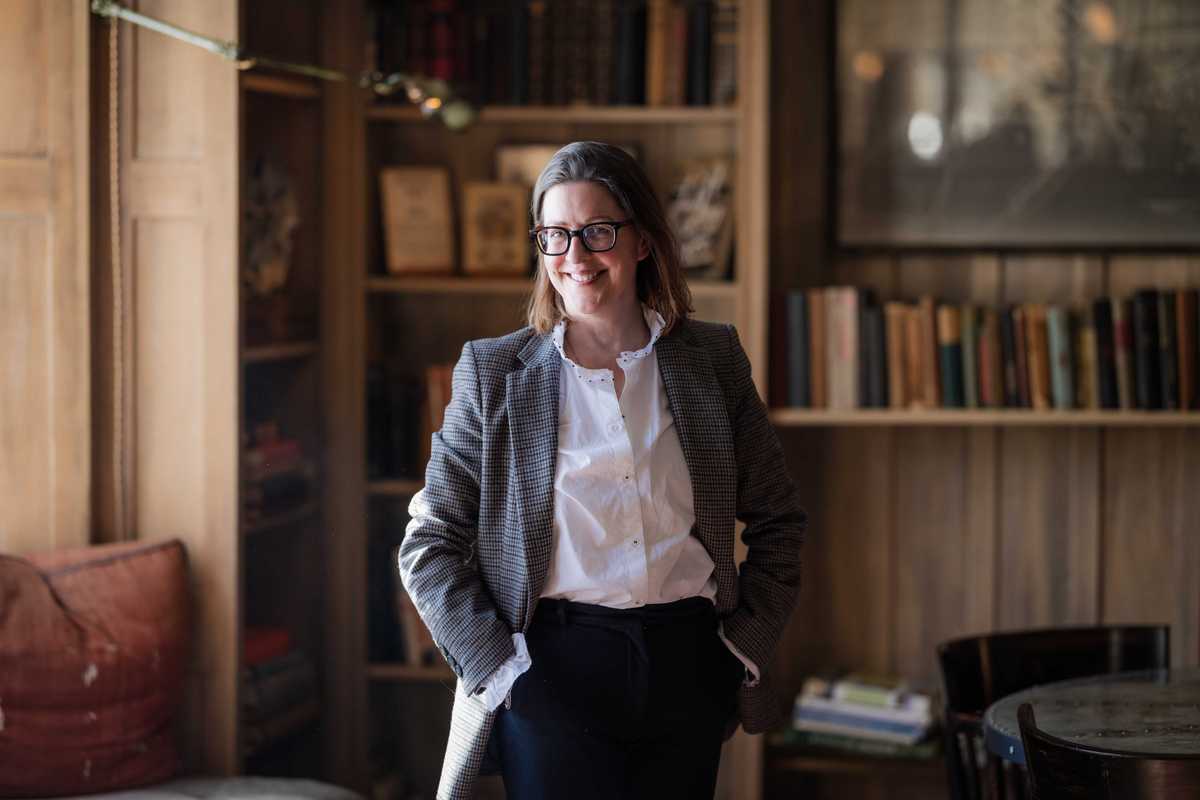
Francesca Donner pours a cup of tea in the cozy library of Troutbeck’s Manor House in Amenia, likely a habit she picked up during her formative years in the United Kingdom. Flanked by old books and a roaring fire, Donner feels at home in the quiet room, where she spends much of her time working as founder, editor and CEO of The Persistent, a journalism platform created to amplify women’s voices.

Although her parents are American and she spent her earliest years in New York City and Litchfield County — even attending Washington Montessori School as a preschooler — Donner moved to England at around five years old and completed most of her education there. Her accent still bears the imprint of what she describes as a traditional English schooling.

Keep ReadingShow less
Jarrett Porter on the enduring power of Schubert’s ‘Winterreise’
Baritone Jarrett Porter to perform Schubert’s “Winterreise”
Tim Gersten

On March 7, Berkshire Opera Festival will bring “Winterreise” to Studio E at Tanglewood’s Linde Center for Music and Learning, with baritone Jarrett Porter and BOF Artistic Director and pianist Brian Garman performing Franz Schubert’s haunting 24-song setting of poems by Wilhelm Müller.

A rejected lover. A frozen landscape. A mind unraveling in real time. Nearly 200 years after its premiere, “Winterreise” remains unnervingly current in its psychological portrait of isolation, heartbreak and existential drift.

Keep ReadingShow less
google preferred source

Want more of our stories on Google? Click here to make us a Preferred Source.
A grand finale for Crescendo’s 22nd season

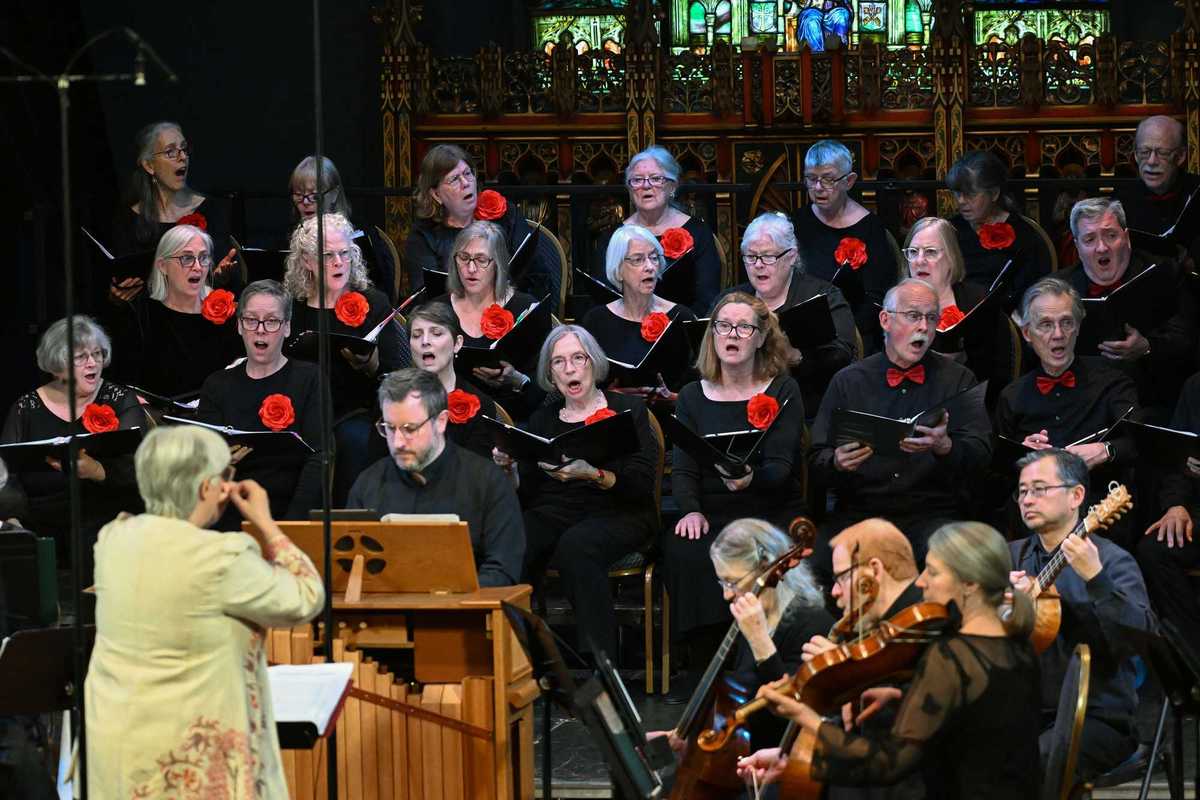
Christine Gevert, artistic director, brings together international and local musicians for a season of rare works.

Stephen Potter

Crescendo, the Lakeville-based nonprofit specializing in early and rarely performed classical music, will close its 22nd season with a slate of spring concerts featuring international performers, local musicians and works by pioneering composers from the Baroque era to the 20th century.

Christine Gevert, the organization’s artistic director, has gathered international vocal and instrumental talent, blending it with local voices to provide Berkshire audiences with rare musical treats.

Keep ReadingShow less

Leopold Week honors land and legacy

Leopold Week honors land and legacy

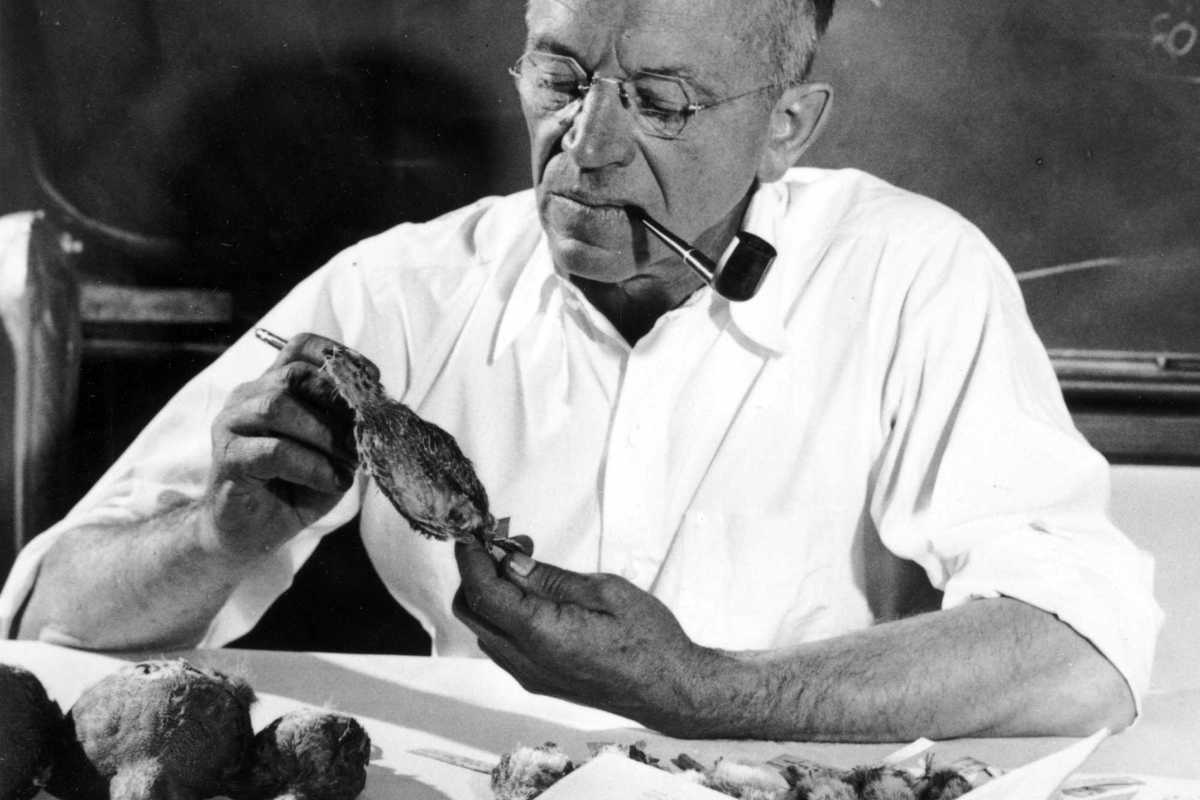
Aldo Leopold in 1942, seated at his desk examining a gray partridge specimen.

Robert C. Oetking

In his 1949 seminal work, “A Sand County Almanac,” Aldo Leopold, regarded by many conservationists as the father of wildlife ecology and modern conservation, wrote, “There are some who can live without wild things and some who cannot.” Leopold was a forester, philosopher, conservationist, educator, writer and outdoor enthusiast.

Originally published by Oxford University Press, “A Sand County Almanac” has sold 2 million copies and been translated into 15 languages. On Sunday, March 8, from 3 to 5 p.m. in the Great Hall of the Norfolk Library, the public is invited to a community reading of selections from the book followed by a moderated discussion with Steve Dunsky, director of “Green Fire,” an Emmy Award-winning documentary film exploring the origins of Leopold’s “land ethic.” Similar reading events take place each year across the country during “Leopold Week” in early March. Planning for this Litchfield County reading began when the Norfolk Library received a grant from the Aldo Leopold Foundation, which provided copies of “A Sand County Almanac” to distribute during the event.

Keep ReadingShow less

Erica Child Prud’homme

Erica Child Prud’homme

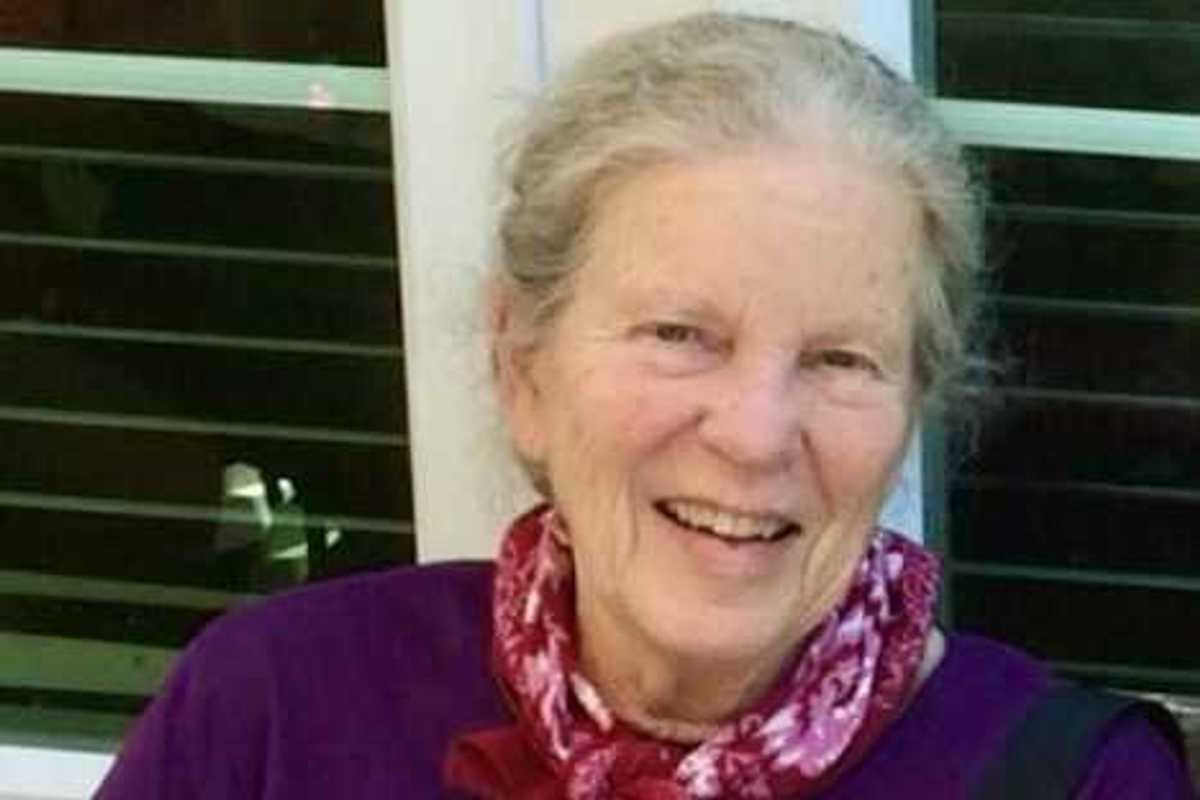
WEST CORNWALL — Erica Child Prud’homme died peacefully in her sleep on Jan. 9, 2026, at home in West Cornwall, Connecticut, at 93.

Erica was born on April 27, 1932, in Doylestown, Pennsylvania, the eldest of three children of Charles and Fredericka Child. With her siblings Rachel and Jonathan, Erica was raised in Lumberville, a town in the creative enclave of Bucks County where she began to sketch and paint as a child.

Keep ReadingShow less
google preferred source

Want more of our stories on Google? Click here to make us a Preferred Source.
google preferred source

Want more of our stories on Google? Click here to make us a Preferred Source.