SALISBURY — Anne Bowen of Salisbury went to Antarctica in January to get warm.
Well, not really. But she said the air temperature during her trip, from Jan. 19 to 29, stayed around the freezing point.
“Warmer than here,” she said with a laugh.
Of course, January is a summer month in that part of the world.
Bowen first made the trip 25 years ago, also embarking that time around by ship from Ushuaia, Argentina, to Antarctica.
“There was nothing in Ushuaia then,” she said. She couldn’t find so much as a penguin souvenir.
The city, considered the southernmost city in the world, has grown considerably in the interim, with tourism the major industry.
Bowen was on a National Geographic/Lindblad Expeditions tour, along with 50 graduates of the Massachusetts Institute of Technology.
“Which was fine — I’m from an MIT family.”
The voyage on the ship began by navigating the Drake Passage — “the roughest water in the world.
“Twenty-five years ago they allowed 40 hours for the passage, if it was rough.”
This time the seas were sufficiently rough that the direct course was not advisable. Instead the ship went to Elephant Island first.
Bowen said the ship traffic around Antarctica is strictly regulated, with limits on how many ships can go in during the season, and where.
But ocean travel being what it is, last-minute changes are common. The ship captains keep in touch with each other to avoid too much human pressure in a given area.
Bowen said that two ships per day in a designated area is the limit, and no more than 100 people may go ashore.
Elephant Island is about 150 miles north-northeast of the continent, and it is where the members of the famous Shackleton expedition fetched up in 1916 after their ship Endurance was lost to the ice.
Most of the Endurance party stayed on the island for almost four and a half months, living in a shelter built from two lifeboats. Shackleton and five others sailed in the remaining lifeboat to South Georgia in the Sandwich Islands, a 16-day trip.
A ship was then sent to rescue the stranded men on Elephant Island.
Bowen said the passengers on her trip went ashore via Zodiac boats — big rubber craft making wet landings.
That meant everybody had to wear boots “coming up just south of the knee.”
As they got to Antarctica itself, sea ice was forming, adding to the drama.
And what did they find?
Penguins.
Adélie penguins, gentoo penguins and chinstrap penguins.
“There are penguins everywhere,” said Bowen as she scrolled through dozens of photos and short video clips of the creatures, who seem oblivious to the humans.
It would be hard, however, for humans not to notice the penguins.
“You can smell your way to the penguins,” Bowen said.
The penguins only come to the shore to build their nests. The rest of the time they spend in the water.
On land, their perambulations seem comical to human sensibilities.
But in the water, they are graceful and quick.
The nests are built from pebbles. Bowen described an altercation between one penguin, who had a nest completed, and a nearby penguin, who kept stealing pebbles from the nest instead of getting his own.
The penguin parents take turns watching the chicks and feeding on krill.
Then they waddle back up well-established penguin trails to regurgitate food for the chicks, who resemble dustmops.
There are also various types of seals in the area, including the leopard seal.
“That’s the one you have to watch out for,” said Bowen.
When the passengers were not exploring on shore, there were lectures from experts and from crew members.
The ship has an open bridge policy, so passengers may go up and ask questions to their hearts’ content.
The ship had an underwater specialist on board who gave a couple of lectures, complete with photos and videos.
“It’s amazing what lives down there,” said Bowen. “It’s crazy.”
Speaking of crazy, the ship also arranged a “polar plunge” for anyone brave enough to experience Antarctic seawater up close and personal.
“I did not pack my bathing suit. On purpose.”
Bowen has also traveled to the Arctic several times, and plans a trip to the North Pole this summer.
“I’m getting to an age where if I want to go places, I’d better do it.”
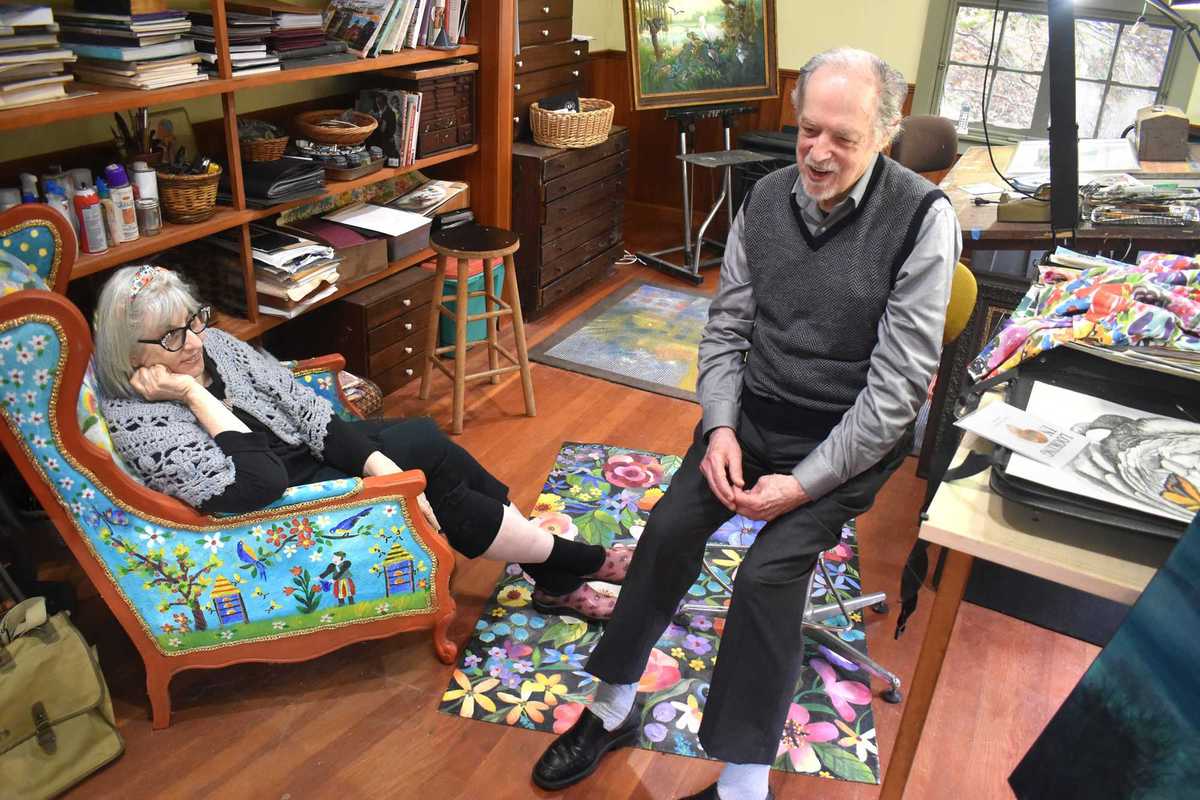
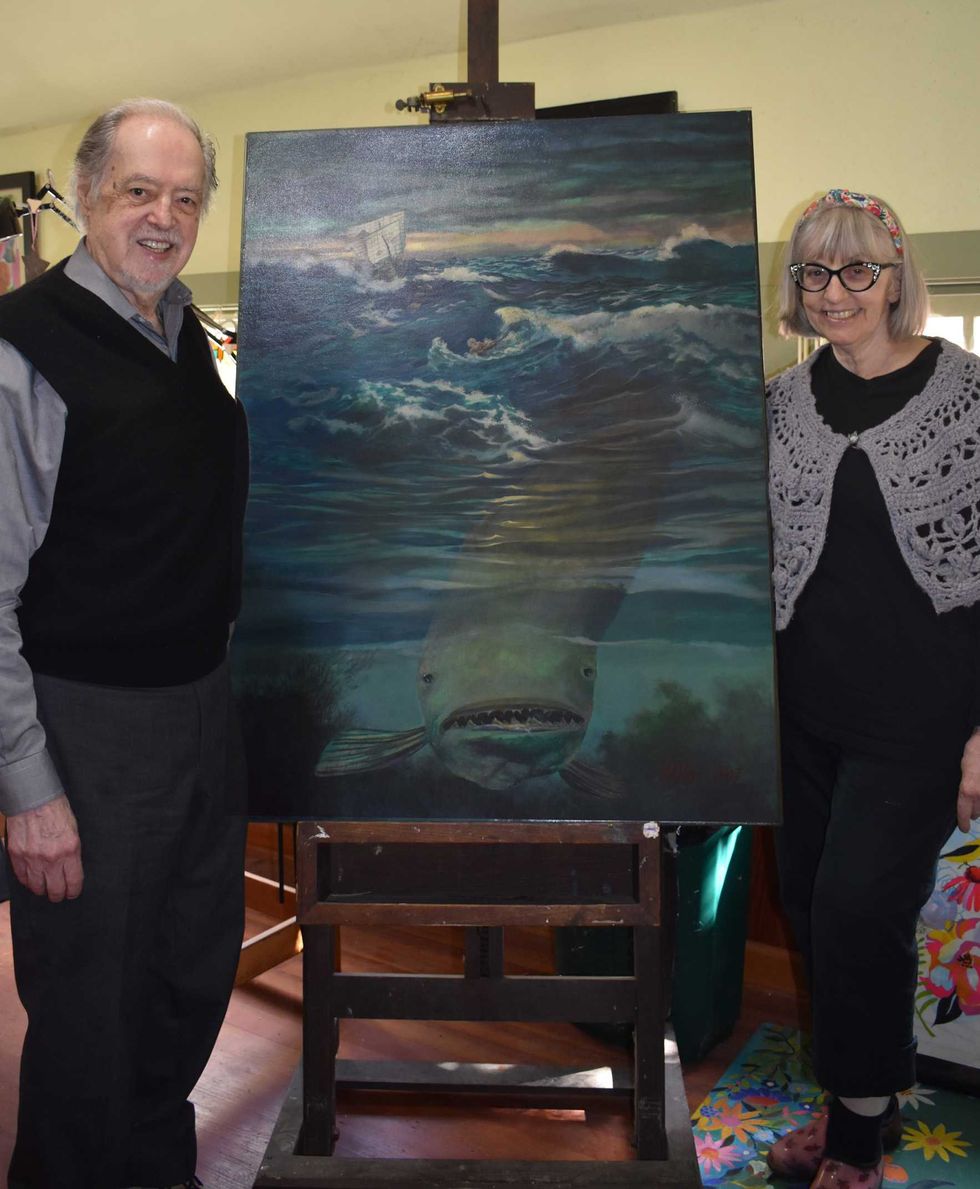 Justine and Victor Valla in their studio with a painting of Victor’s,”Jonah and the Whale.” Robin Roraback

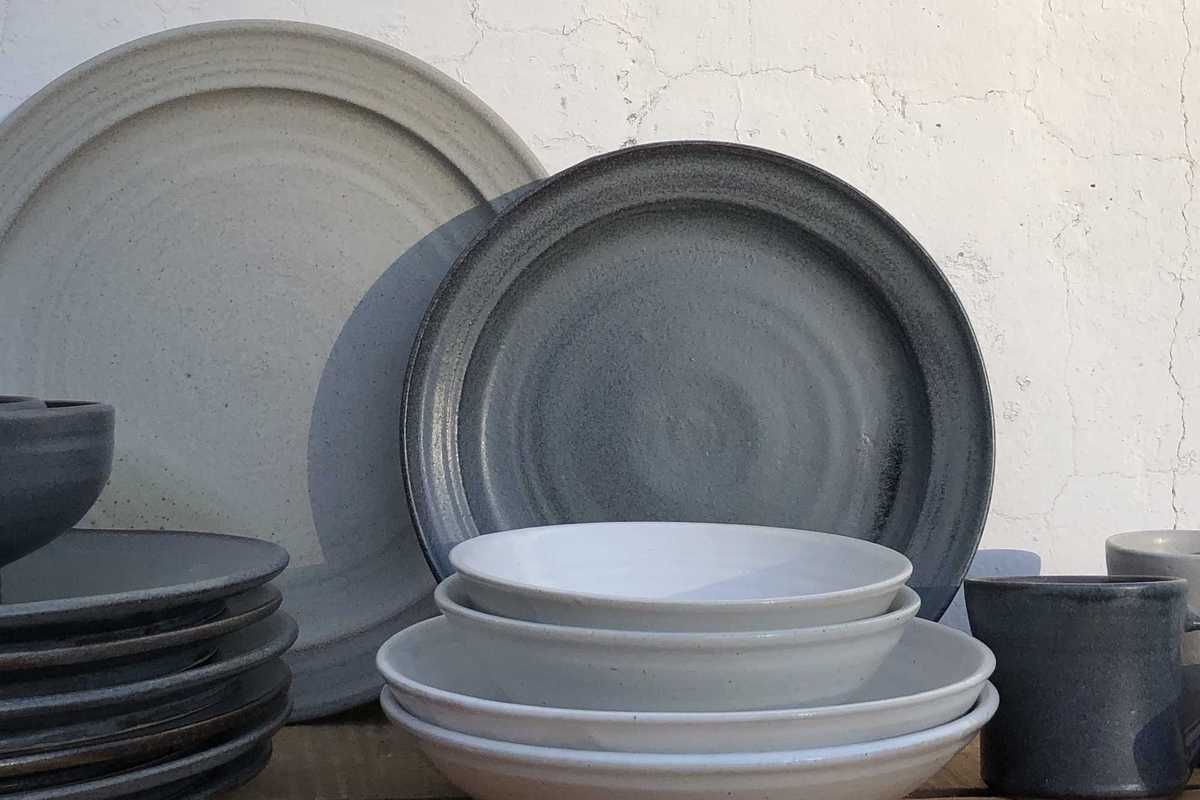
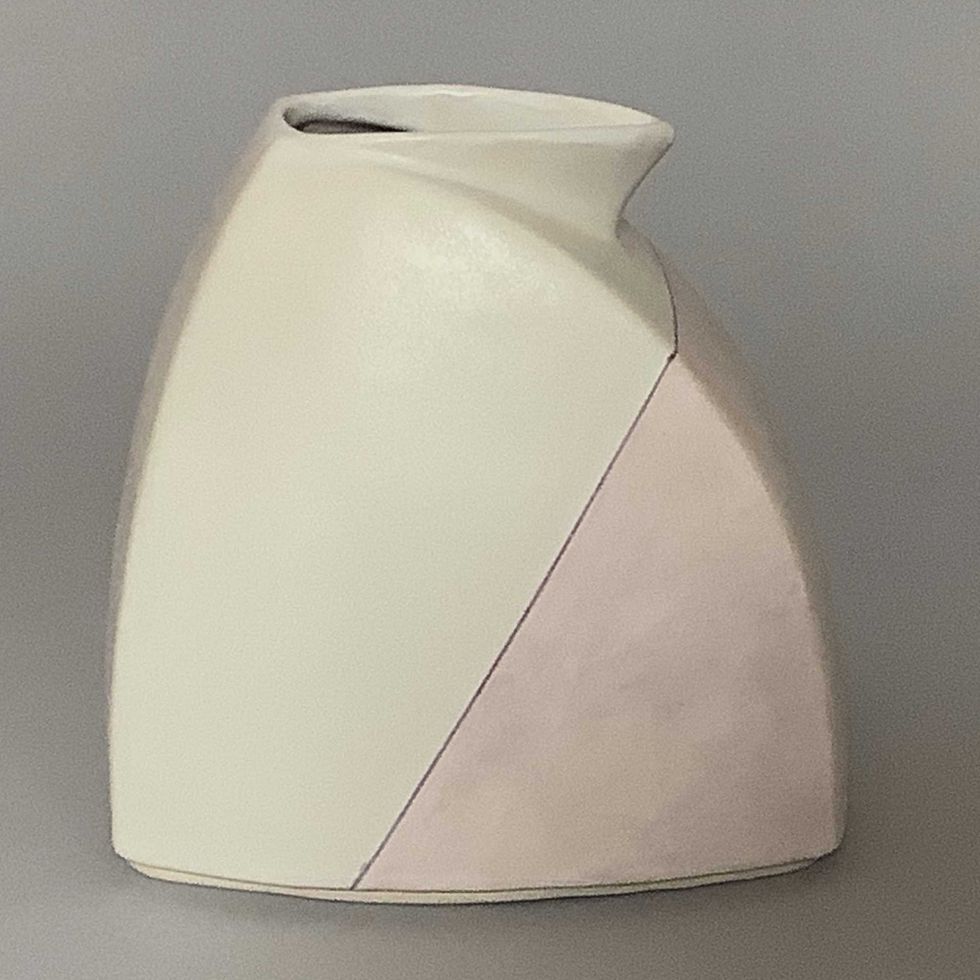 A ceramic vase by Kathleen Heidemann.Provided
 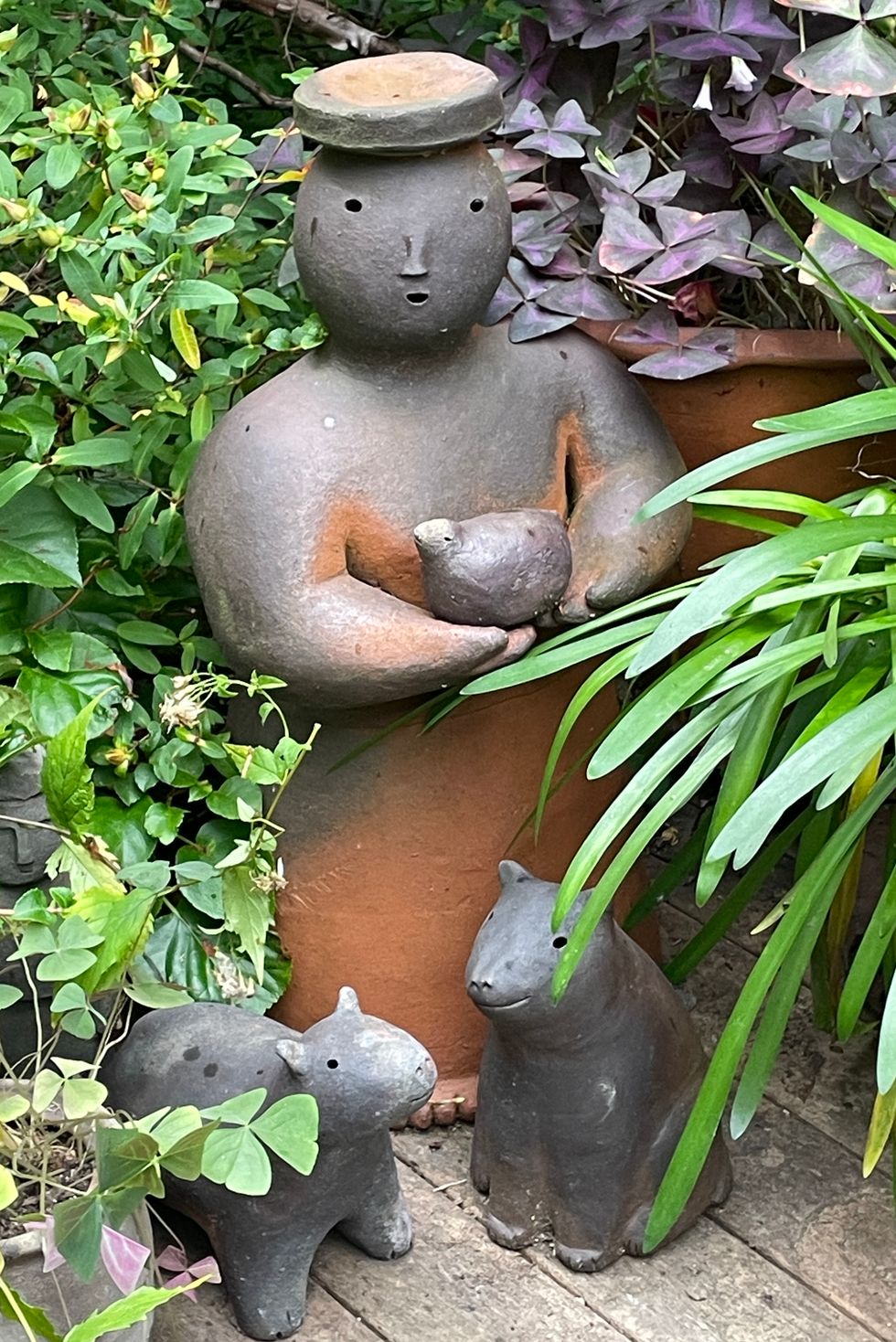 Joy Brown’s delightful ceramic sculptures.Provided