I had never heard the expression “culture shock” until the days when I was getting myself prepared to immigrate to the United States of America. And that was almost 43 years ago, when friends cautioned me with words such as, “Just so you know, you will be experiencing a serious culture shock when you go to America. It’s a whole different world out there. Different language. Different people. Different customs and the way they do things there, you might be shocked.”
But despite all those warnings I received from my friends, none of those alarming predictions came true. In fact, what took place in the early weeks, months or years in this country was beyond my dreams of what America means to me. From the first moment I stepped my feet on the soil of this new country, I felt genuinely at home. There was an aura of freedom of living and breathing and enjoying every aspect of the new country I had just moved to.
I remember walking for hours and hours from the top of Manhattan, as I visited the Museum of Natural History. There I came face to face with prehistoric civilizations and early humans and then, I walked south towards to MoMa and the Whitney and kept walking, only stopping to grab a hot dog from a vendor who happened to be an Egyptian. Then, I continued my stroll all the way down to Soho where I stood for hours, fascinated by avant-garde paintings being exhibited at one of the modern art galleries.
This was the America I encountered and lived in for a long time. And then, when I began to work, I had no problem working with coworkers who were ethnically and culturally different. I felt the joy of being embraced by people who had a whole different lifestyle, and in turn, I wholeheartedly embraced every Black, Latino, Jewish, Italian and Irish person I met who at times were gay, lesbian or a transgender. None of these differences sparked any possibility of a cultural shock, which in my mind was simply an expression of intolerance and unwillingness to accept others.
Now, after decades of living in bliss and harmony, yes, for the first time I am experiencing the displeasure and the agony of culture shock. Within the last decade or so, I feel that something drastic has fundamentally changed the country. There is total disregard toward proper conduct of discourse, and stereotyping and racism has become commonplace. But since I am not a political scientist, I am totally unable to point to any circumstance that caused this change.
I am wondering if this change took place because of a specific individual or a party and or it is simply a reaction to economic or social development. I think of it is perhaps because of the middle class losing its golden years of abundance of cars and cash, when an entire manufacturing industry has been transported overseas or perhaps the advance of technology and how it affected employment and the popularity of social media? I have no clue.
All I know is that suddenly the country is being transformed into a medieval village, where we are governed by a cult driven by belief in ancient mythologies, folk tales or conspiracy theories, instead of by rules of logic and common sense, democracy and equality.
Nowhere does this totally insane and brutal mindset appear as clearly as when the Supreme Court of the United States is considering forbidding women from addressing their own physical and health needs, based solely on antiquated religious doctrines. This is regardless of the circumstances, so if the woman’s pregnancy was the product of rape or sexual harassment or if the woman can even afford to raise a child without having the means to do so. And while women will go through the guilt, the pain and the hardship to raise a child, (listen to this) men, after impregnating a woman, are given carte blanche to go onto their next sexual conquest without any responsibility and accountability. This is simply shocking on all levels of social behavior.
And now, after all these years, I hear the mocking voices of my friends who tease me saying, “You see, we warned you but you didn’t believe us”, to which I regrettably respond with, “You were right my friend, it took me a whole lifetime but now I feel like I am a living example of Culture Shock!”
Varoujan Froundjian is a digital artist and writer. He can be reached at: varlink3050@gmail.com.
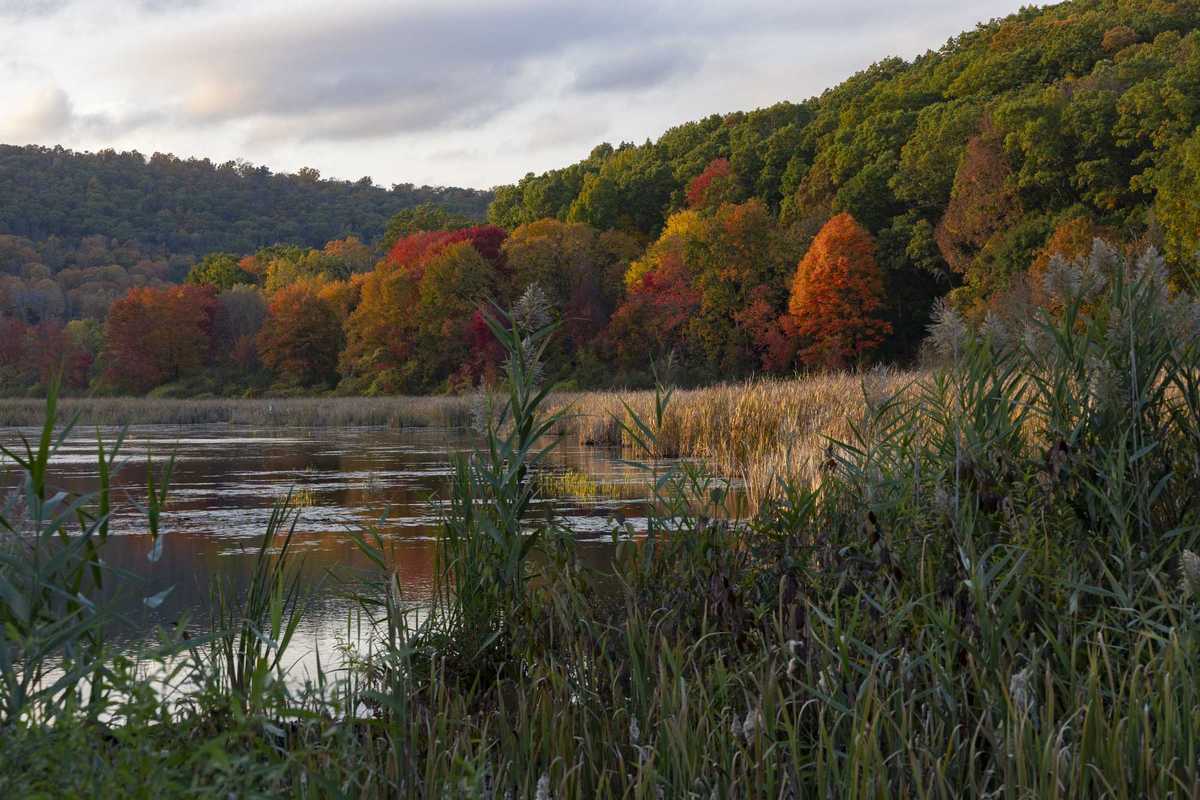
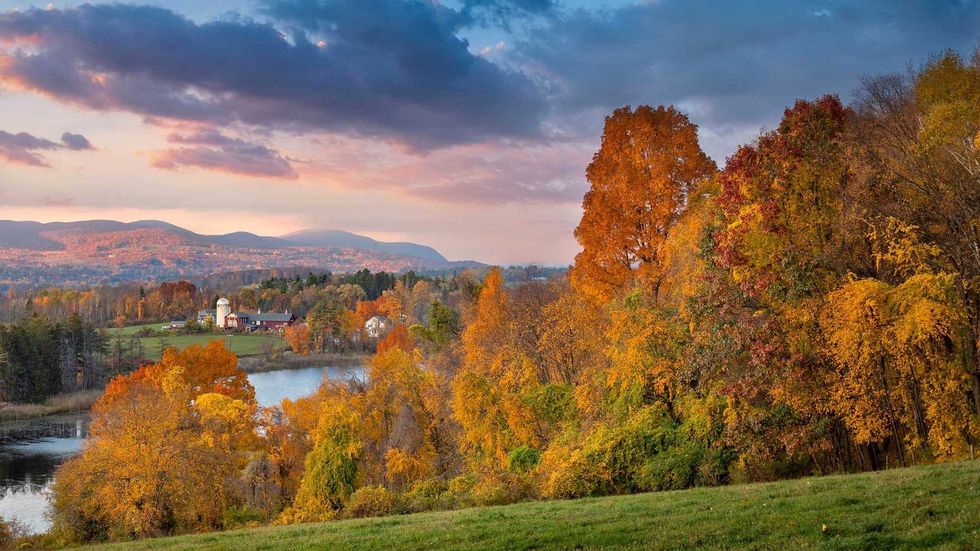 Sharon, CTBill Wakeley
 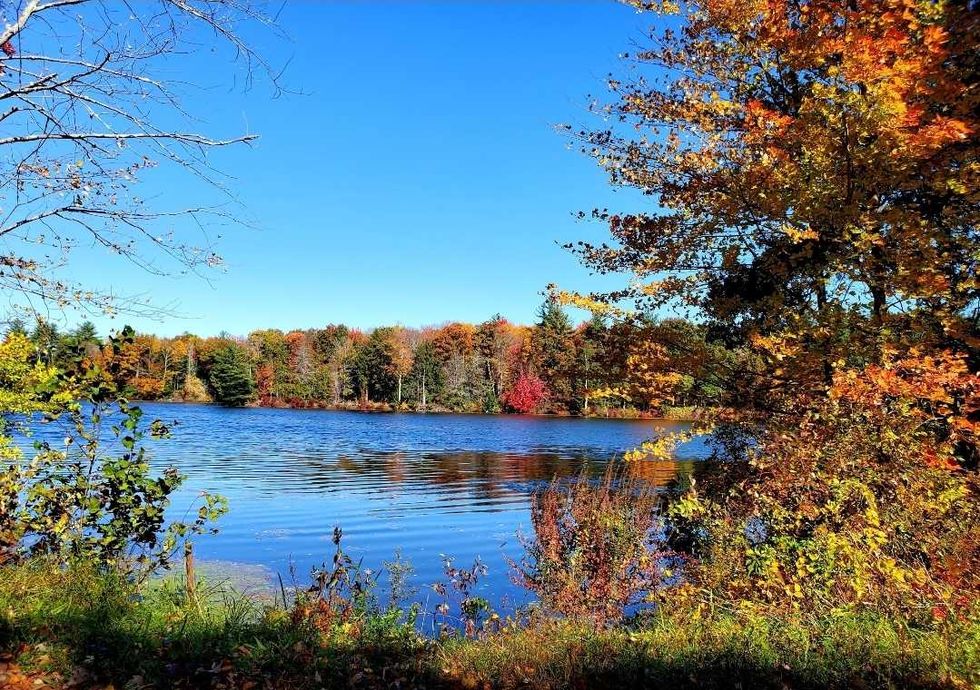 Mill Pond, Sheffield MADeb Segalla-Watson
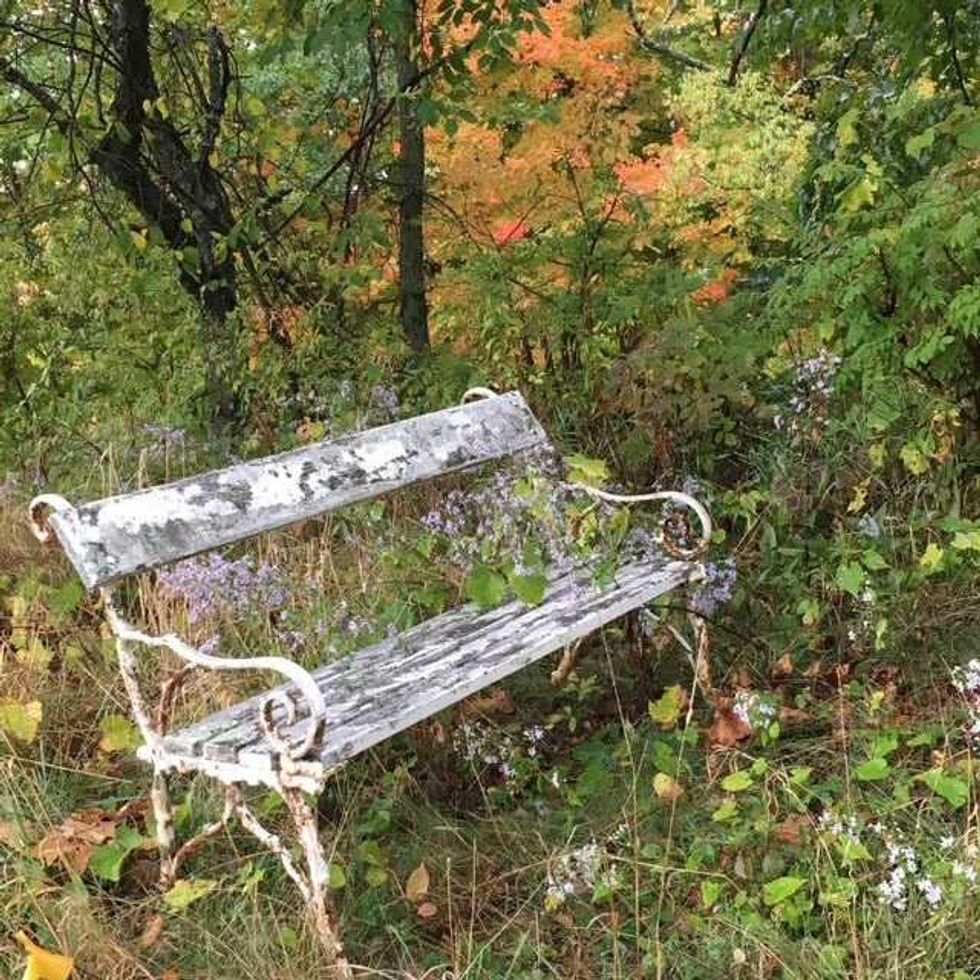 New Marlborough, MAWendy Miller
 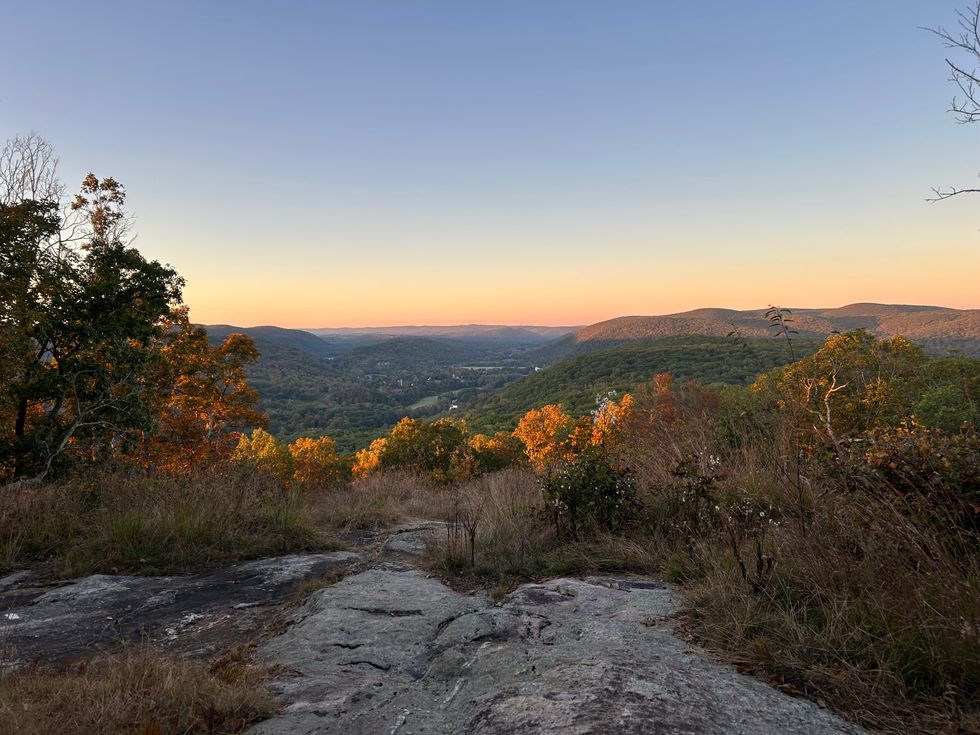 Peter Austin
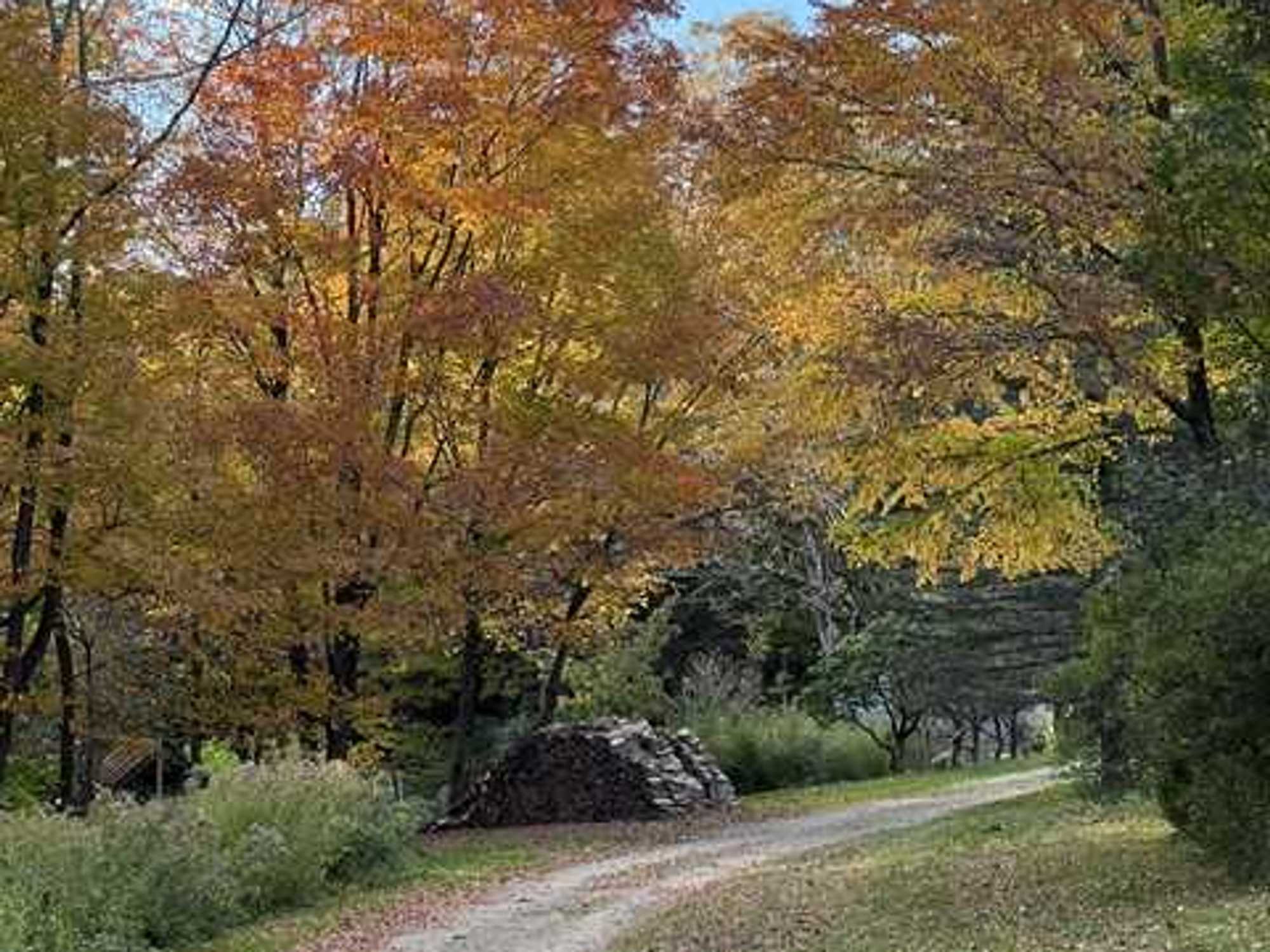 Falls Village, CTPete Sanders
 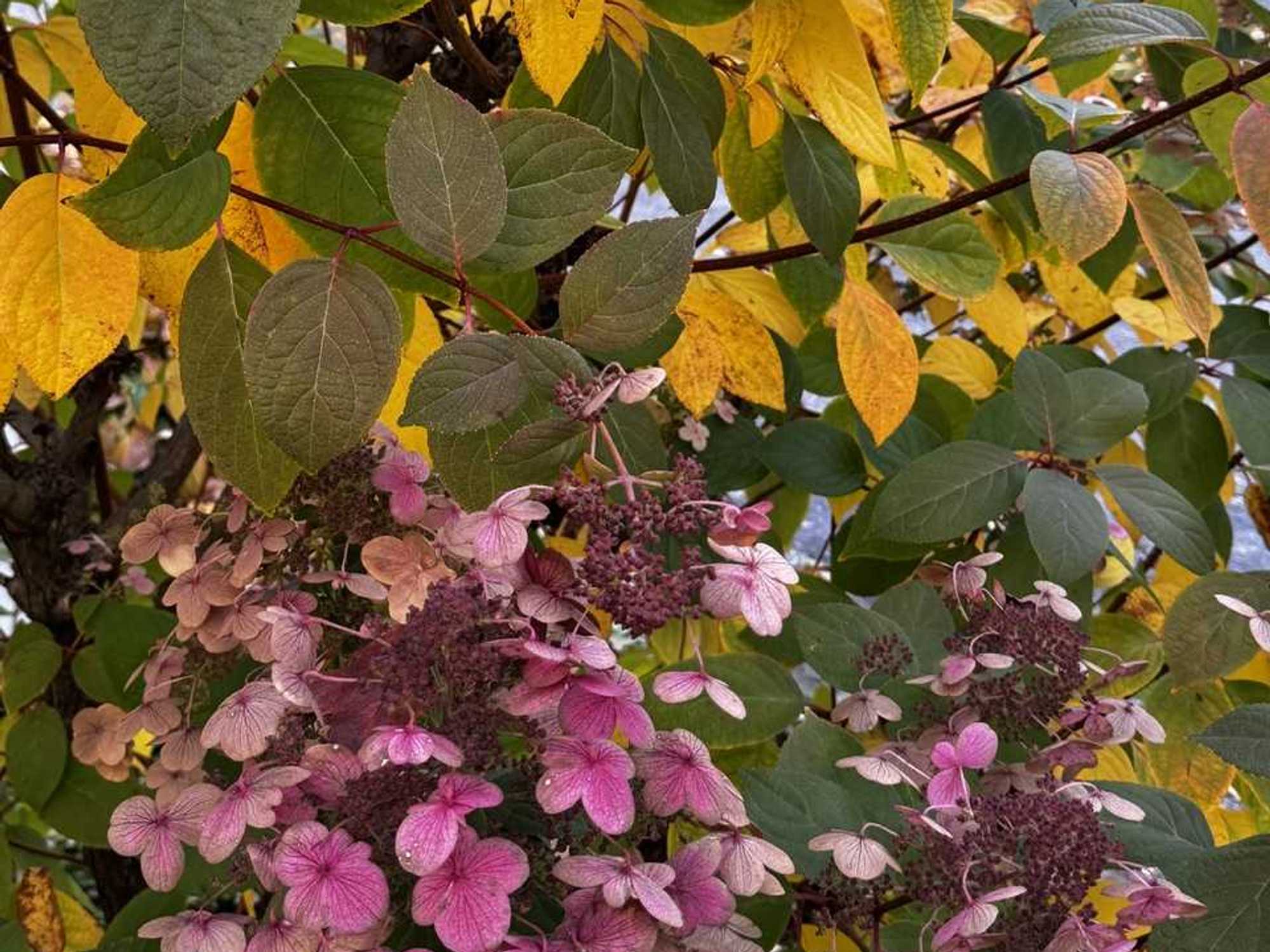 Tom Carley
 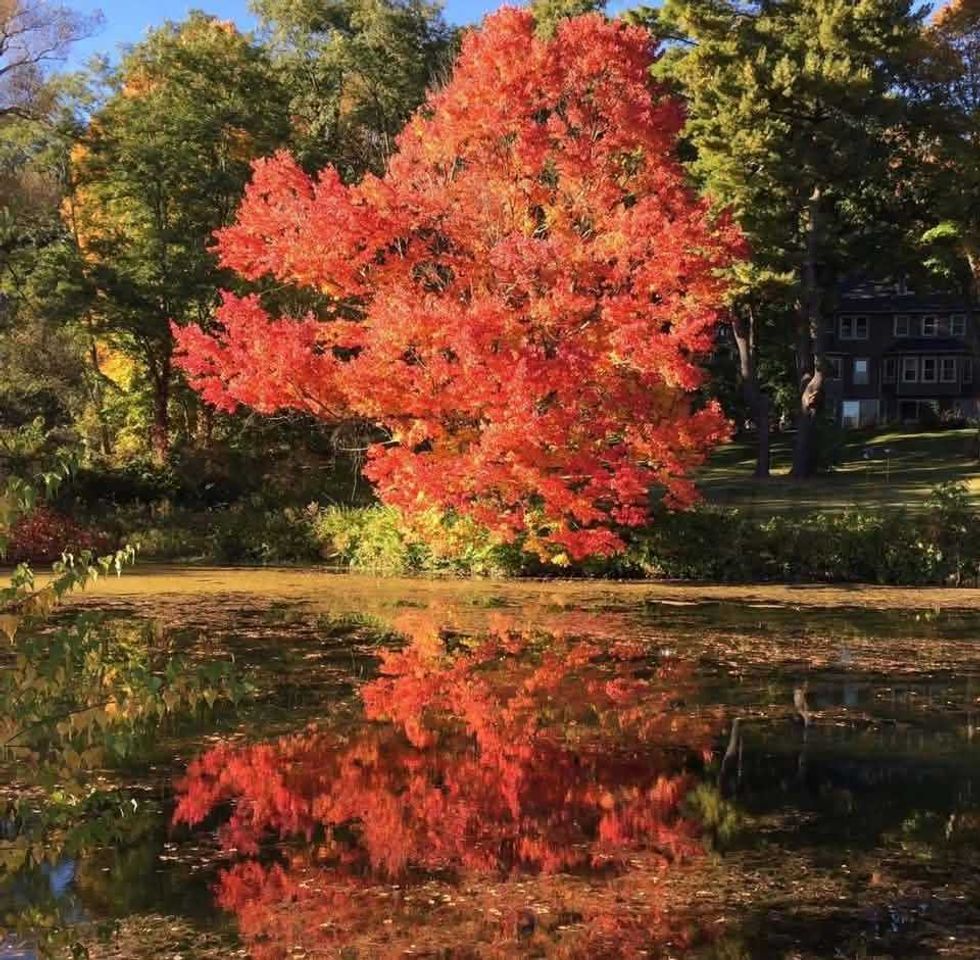 Factory Pond, Lakeville CTBarbara Peck
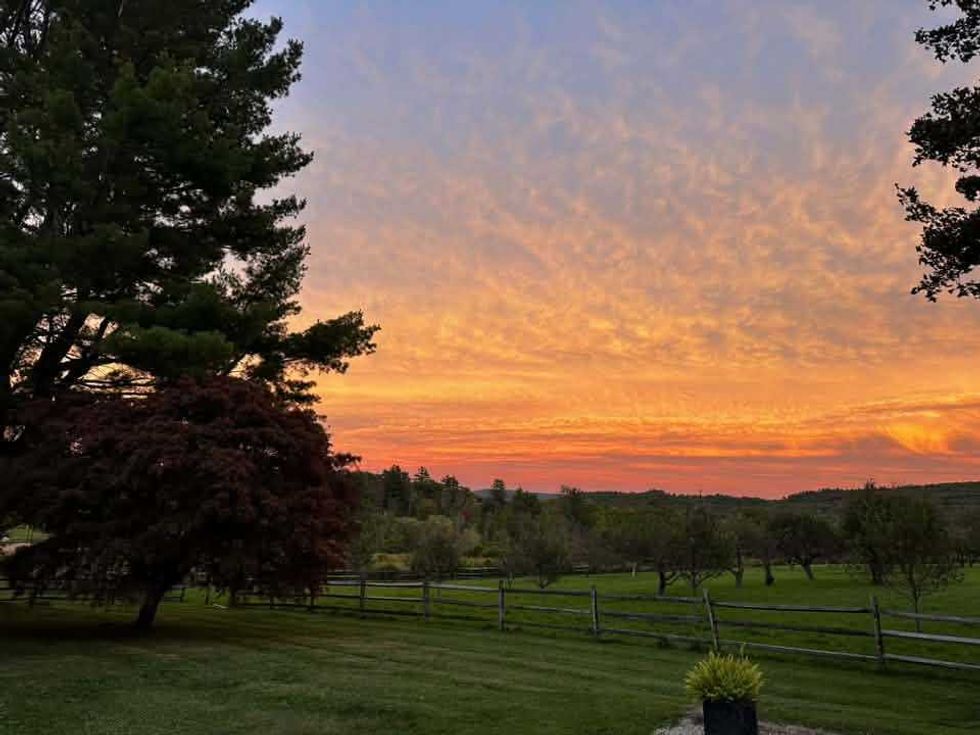 Lime Rock Road, Lakeville CTKeary Hanan
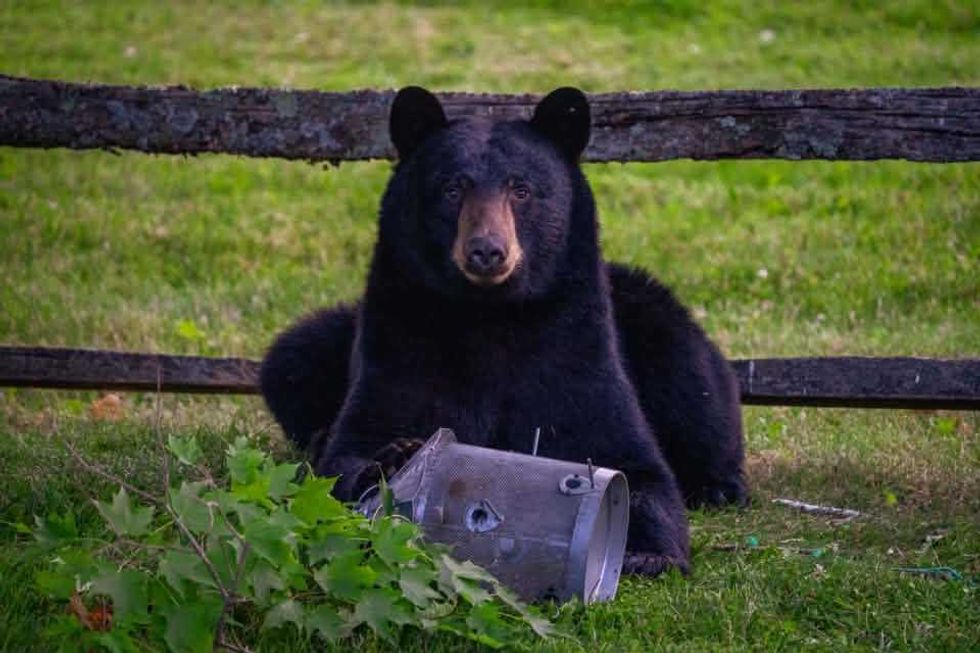 Lime Rock Road, Lakeville CTJake Marcum
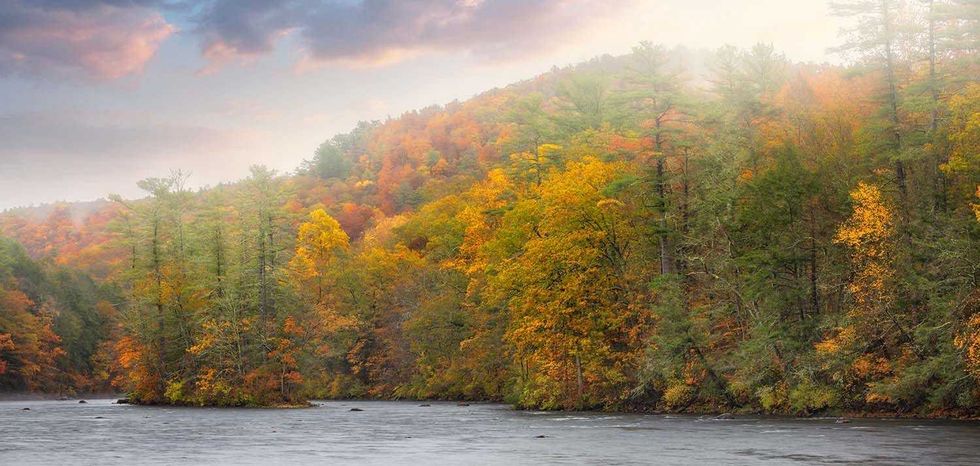 Housatonic River, Sharon, CTBill Wakeley
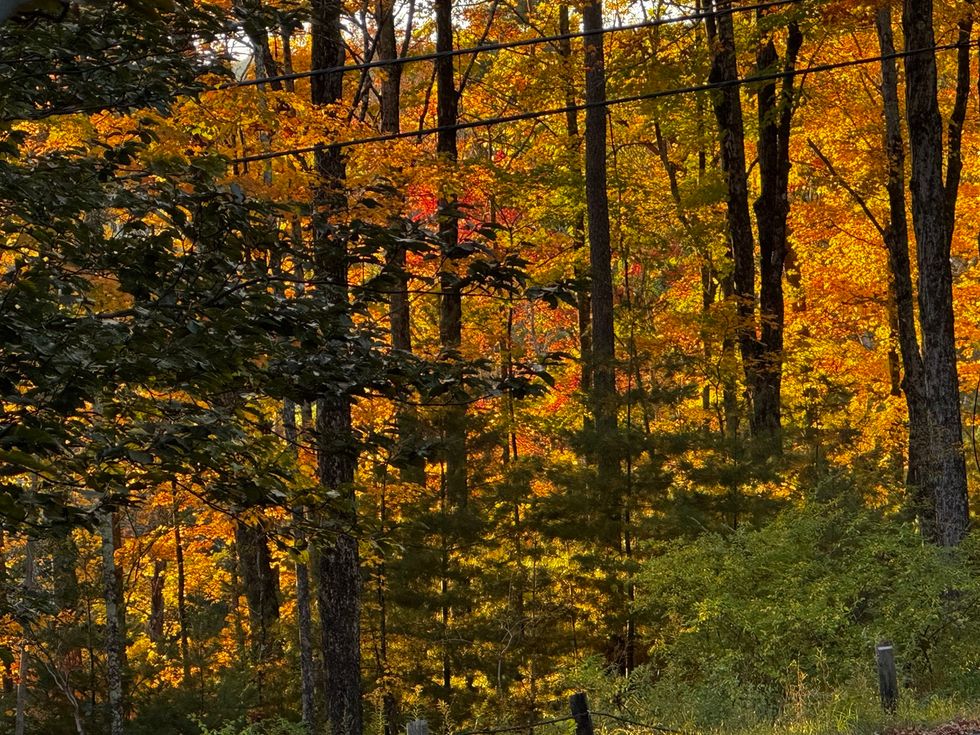 Norfolk, CTTom Carley
  Reed Brook, Deans Ravine, Canaan CTBill Wakeley

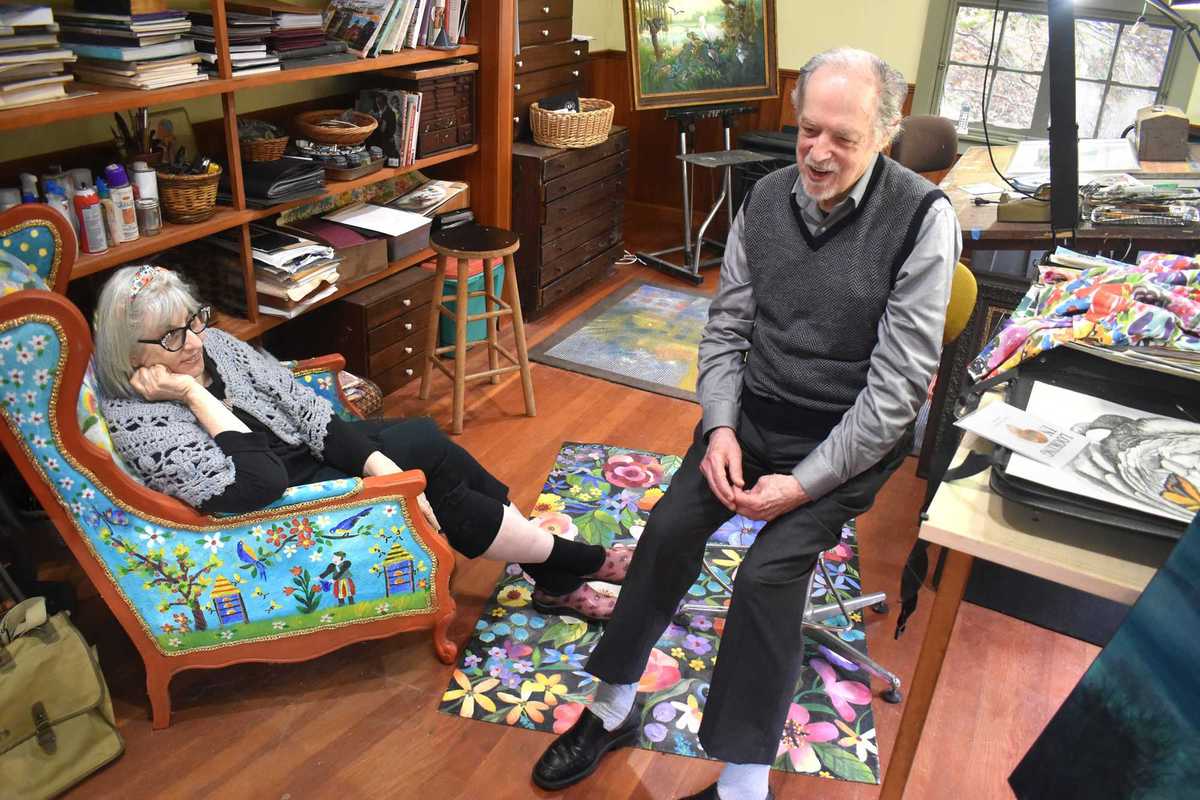
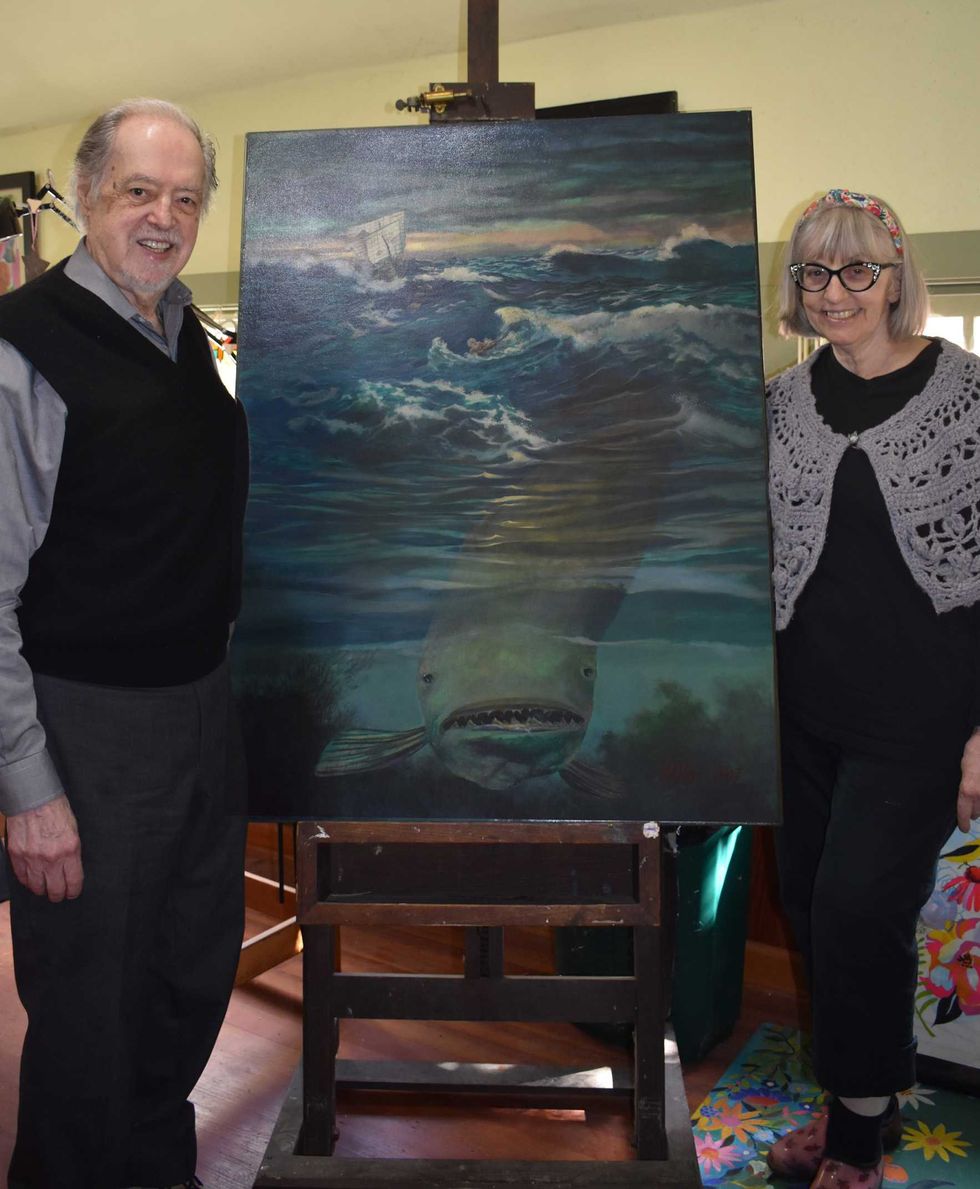 Justine and Victor Valla in their studio with a painting of Victor’s,”Jonah and the Whale.” Robin Roraback
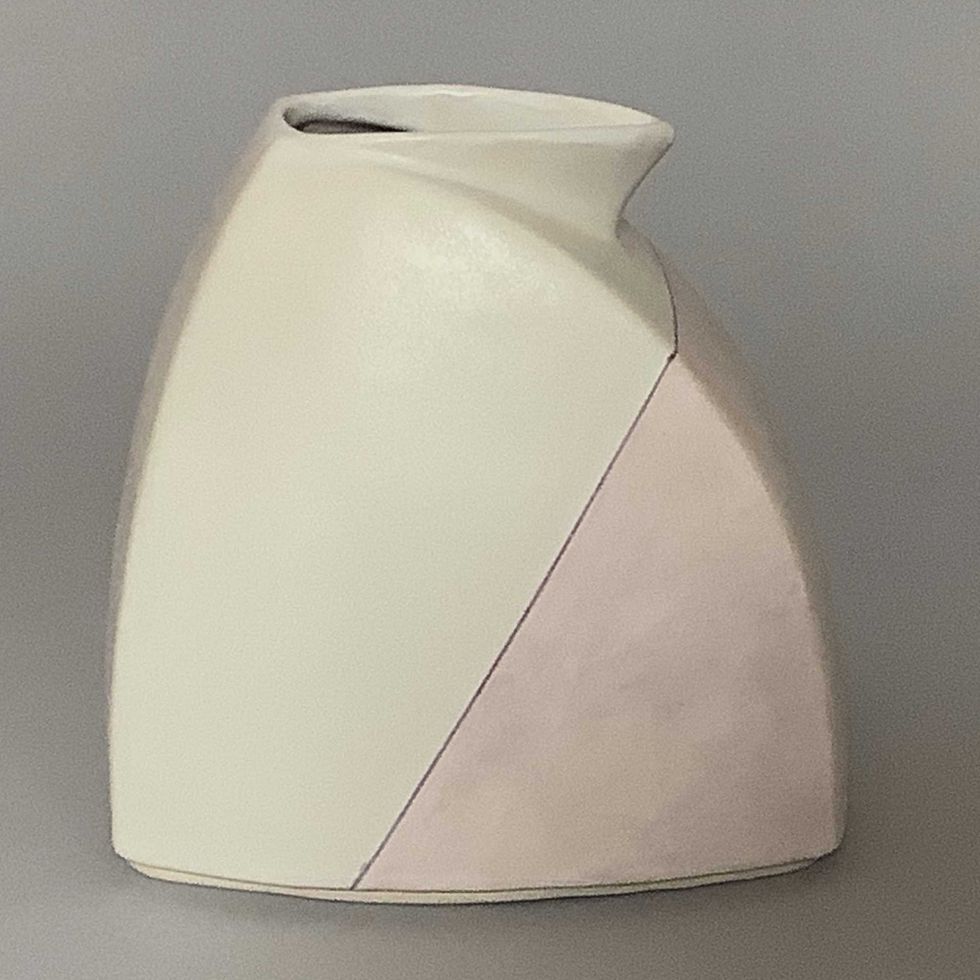 A ceramic vase by Kathleen Heidemann.Provided
 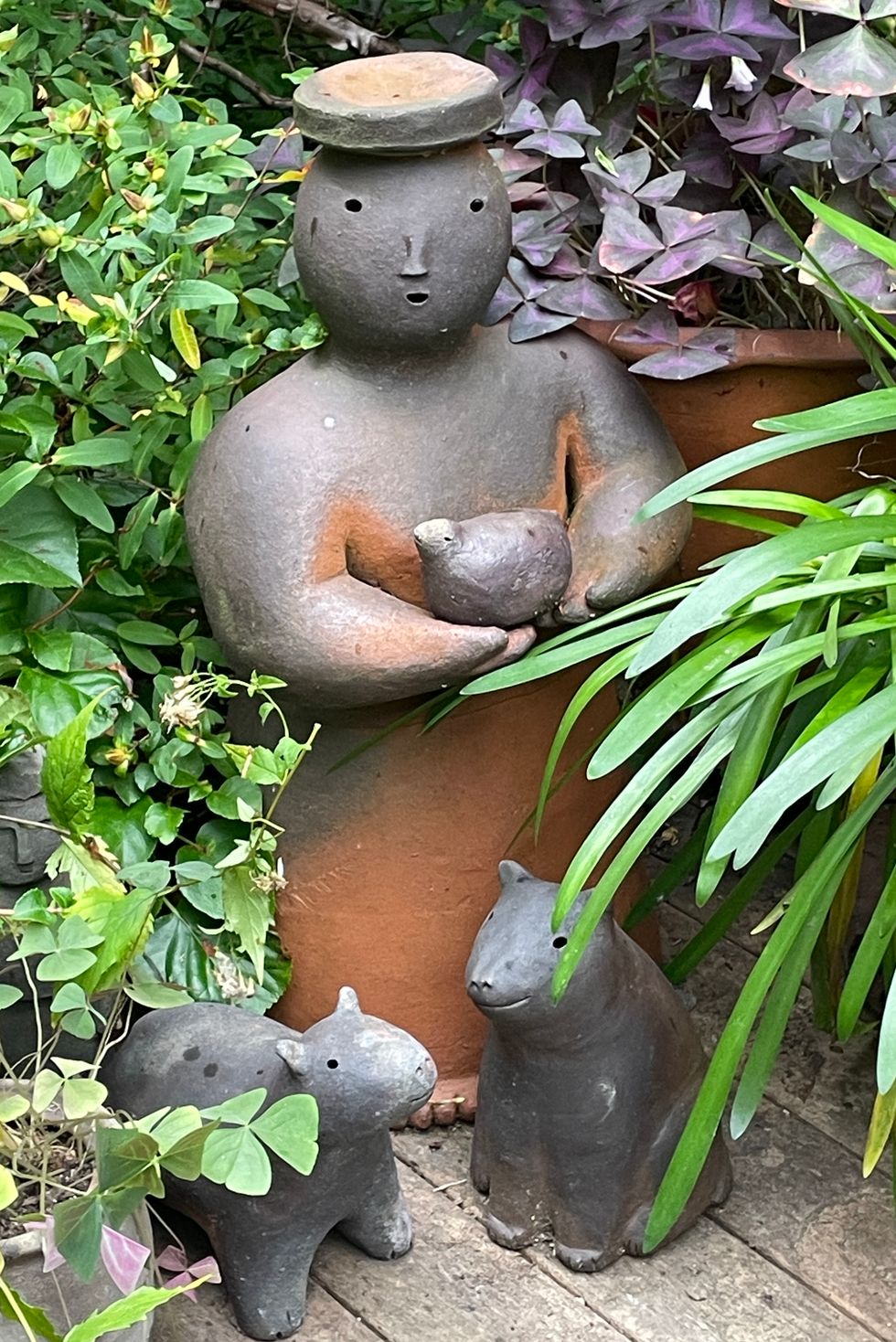 Joy Brown’s delightful ceramic sculptures.Provided