The first warm rainy night came early this year, and with it the first amphibians. There were wood frogs and spring peepers out on March 4, nearly a week earlier than the earliest I have ever seen them emerge in this region. March 10 was the “Big Night,” when the evening temperature was in the mid 50s and a very light rain was all it took to get the salamanders and frogs moving.
Emily is home from college, so for the first time in several years both my children went out with me to check the major road crossings that amphibians need to pass over to get to their breeding pools. The first salamanders we found had already been struck by cars, their broken bodies a sad feature of these nights, but later we started to find live ones, along with many wood frogs and peepers.
We covered a lot of ground between Sheffield, Salisbury and North Canaan, and our tally for the night included almost 20 living salamanders of several sorts.
In addition to the spotted salamanders with their bright yellow dots and blue black skin fading to creamy gray beneath, there were many Jefferson salamanders, probably members of the hybrid complex that interbreeds with the blue spotted variety.
We found several very small blue spotted salamanders — no longer than my little finger — crossing between Cobble Hill and the Hollenbeck flood plain. I have never seen juvenile blue spots before. They were so small that we only found them by watching for movement on the roadbed.
There was also a four-toed salamander, another first for us during the spring migration.
The hour was late and traffic tapered off. I drove at a crawl while Emily and Elias walked ahead and shifted the frogs and salamanders they found to the far side. At one bend in the road in Falls Village we encountered two bobbing flashlights coming toward us, and met kindred spirits from the Isabella Freedman Jewish Retreat Center out on the same mission. It is good to know that others are aware of this time and alert to the thousands of small creatures making their way through the darkness.
I drove home slowly and erratically, weaving around the frogs in the headlights, leaving the roads to those small beings whose lives depend on passing in safety.
Tim Abbott is program director of Housatonic Valley Association’s Litchfield Hills Greenprint. His blog is at www.greensleeves.typepad.com.

 Pay Bill for Robin Starr’s service in the Continental Army.Courtesy the Alex Breanne Corporation
 John Mills speaking at Quinnipiac University.Courtesy the Alex Breanne Corporation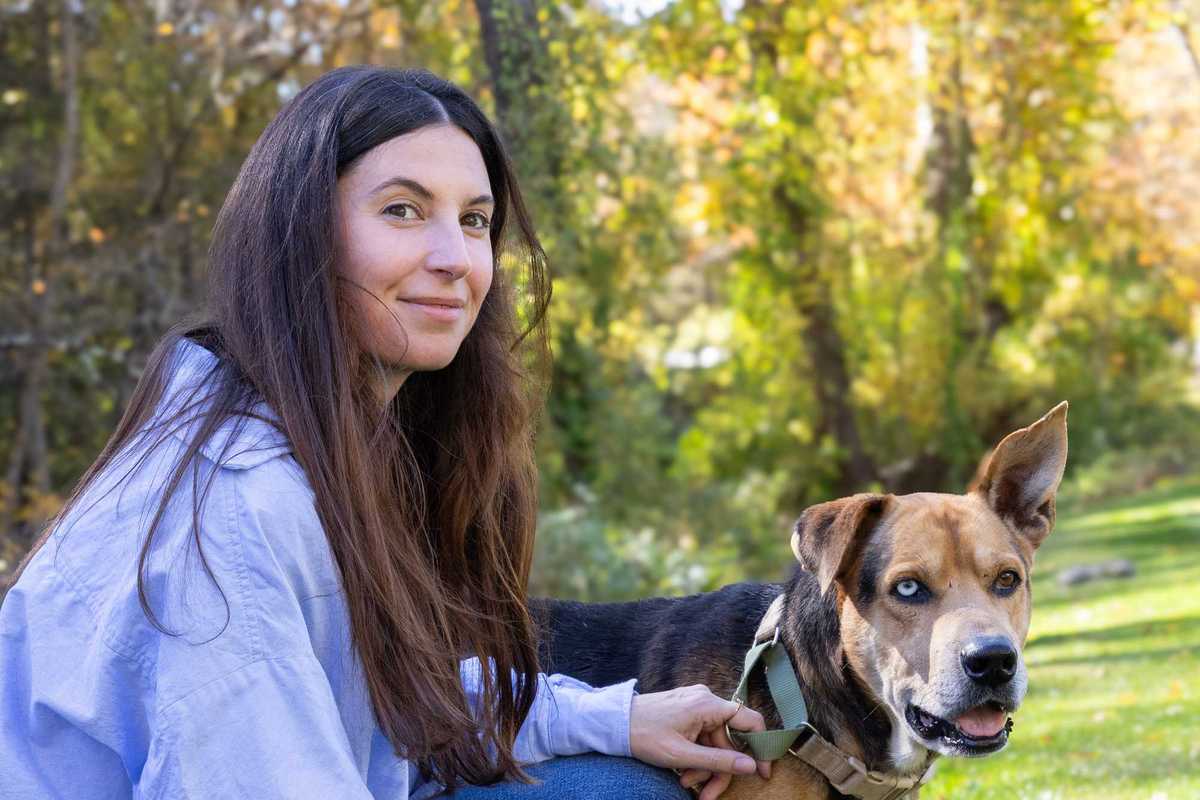
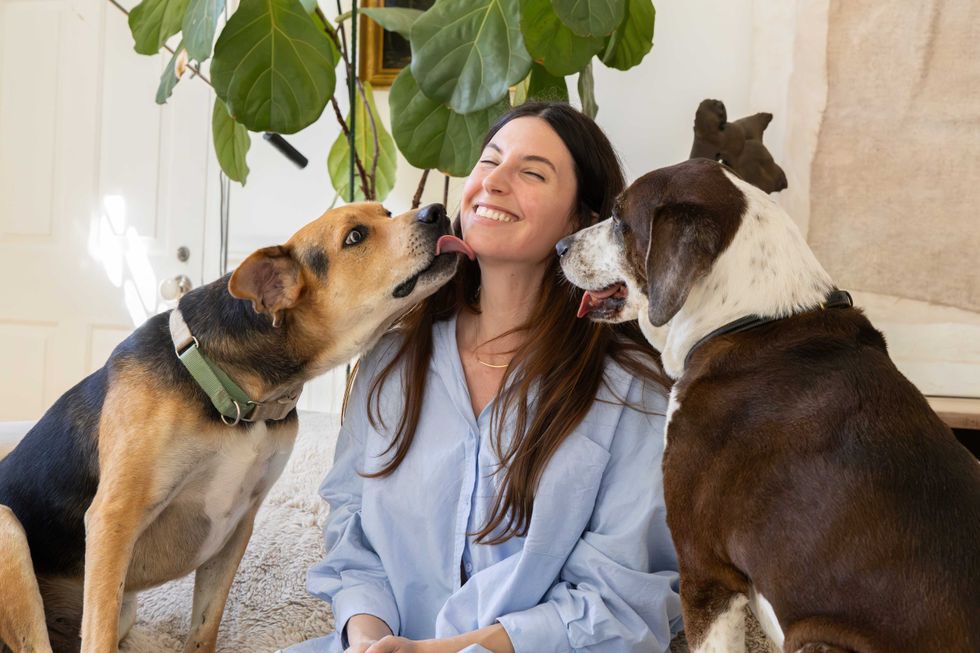 Stephanie Saetta,with her rescue dog George and Blue (left), a shepherd mix awaiting his forever home.Madi Long
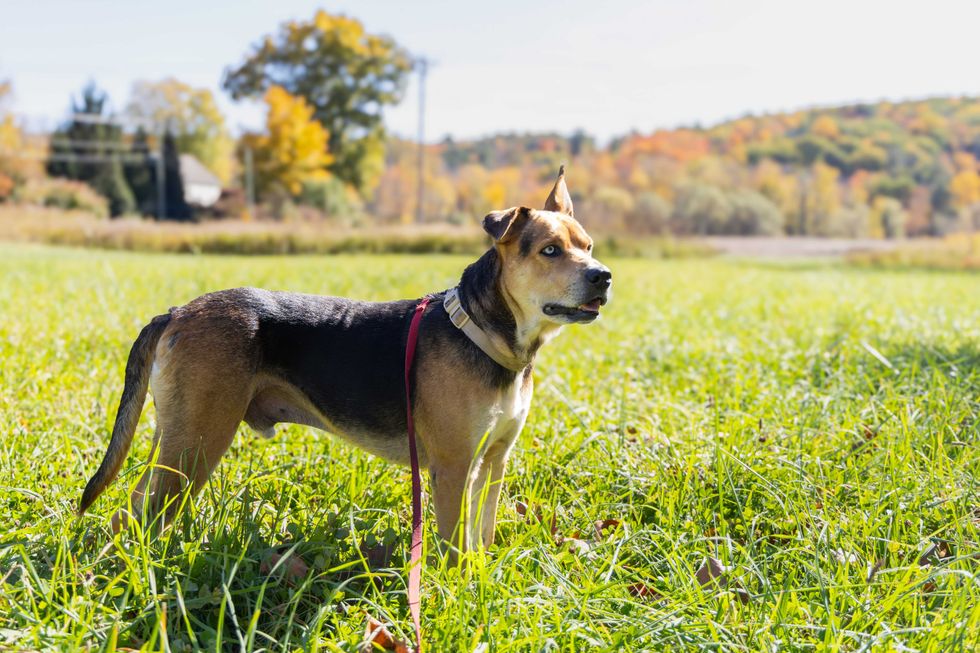 Blue, a 7 year-old Shepard mix, is waiting for his forever home. Madi Long