Summer is here and beach passes are being snapped up with alacrity during this hot late spring. At this time, as we dive deep into the cool waters of our towns’ lakes, we remember some of the amazing tales of lake history.
For some reason, Lake Wononscopomuc in Salisbury seems to have the greatest number of stories, from the time that Howard Hughes is said to have landed his seaplane on the lake, to several drownings (in winter and in summer, in what is the deepest natural lake in the state) to more modest yet still thrilling sightings of eagles and moose in and over the water.
One story that is verifiable is the tale of the plane that crashed into the lake in September 1970. This story and these photos (including many that were never published) are from the Sept. 24, 1970, issue of the paper, which can be found in our online archive at Salisbury’s Scoville Memorial Library at https://scoville.advantage-preservation.com.
The accompanying photos were recently scanned for us by volunteer (and History Hero) Perry Gardner of North Canaan.
State Police, Salisbury town officials, and local volunteers combined resources in weekend search-and-recovery operations following a tragic airplane crash in Lake Wononscopomuc last Friday.
The searchers’ efforts resulted in the recovery of much of the aircraft on Saturday, and of the bodies of its two passengers on Sunday afternoon. The two victims of the crash were identified as: Vincent A. Nastasi, 39, of 135 Beverly Terrace, Yonkers; and Jonel E. Jorgulesco of S.W. 13th Terrace, Miami, Fla.
The aircraft, a two-engine Cessna Skymaster, was en route from Westchester County Airport in White Plains to Glens Falls, N.Y., when the accident occurred. A report of fire in the plane’s cabin had been received by the airport prior to the crash, and the two men were apparently attempting an emergency landing on the lake.
According to investigators at the scene, one of the wings caught the surface of the lake during a sharp turn, forcing the plane, nose down, into the water.
Within seconds, the aircraft had disappeared below the surface, breaking apart under the force of the collision.
Frank Markey, who was in charge of the Town Grove facilities, saw the crash and alerted the Lakeville Hose Co., who arrived at the scene a minute or two after the call.
Mrs. William Pulver also saw the plane hit from her home on the eastern edge of the lake and called in. Other witnesses to the crash were William Lawroski and Ottar Satre, who were fishing from boats about halfway from the Grove to the opposite shore. Both men stated that the plane came in from the west, circled the lake, banked, and then hit the water nearby. Other fishermen, Larry Unson and his son, Larry Jr., were almost hit by the plane, which crashed no more than 50 feet from their boat.
Peter and Eric Morrow of Sharon rushed to the lake and paddled a borrowed canoe to the scene, minutes after the crash. Immediate recovery attempts were made, using grappling hooks lowered from the town boat.
Stanley Szczesiul, resident state trooper, aided by William Flynn, James Lamson and Frank Markey, managed to secure a hook and line to the tail section of the plane, after spotting large patches of oil escaping from the wreck.
Jeannette Axelby and John Barnett, both of Lakeville, donned scuba gear Friday evening and dove to investigate. They were able to spot sections of the plane at depths of from 60 to 80 feet. Observation, hampered by darkness and severe cold, revealed no bodies in the wreckage. Small pieces of the aircraft and papers from its cabin floated to the surface earlier in the day. As a result the owner of the plane was identified as Neil S. Hochman of the International Aviation Service in White Plains.
The recovery of the plane, and the search for its occupants, resumed early Saturday morning. Captain Louis Marchese, head of the Western Division of the State Police, was in charge of some half dozen state troopers on Friday, Saturday and Sunday; with Sgt. Victor Keilty assisting with direction of field operations on the three days.
Following the suggestion of Fred Romeo, assistant at the Town Grove, use was made of the town float. A winch and cable were rigged under the direction of George Cleaveland, an engineer who is Salisbury’s building inspector and superintendent of roads. Much-needed equipment, including a tripod, chainfalls and “comealongs” were donated by George Wright of Great Barrington.
With the aid of Francis Gomez, Trooper Szczesiul, and several other volunteers, the winch was installed, and the float was towed to the site of the wreck. A cable was lowered through a hole in the float and divers succeeded in attaching a hook to the tail section, and to the landing gear of the plane, which was then raised to a depth of about 40 feet. The float and plane were towed to the edge of the beach, the cables loosed and attached to the town’s payloader, which was manned by Joe Francis, Fire Chief.
After several unsuccessful tries, in which the steel hook tore through the light metal of the plane, large sections were dragged onto the beach. Both engines, the tail section and much of the fuselage were recovered; but no bodies were found until the following day.
Volunteers Aid Search
Volunteer divers were involved in the work of search and recovery throughout the weekend, as State Police divers were not authorized for depths of more than 35 feet. Local volunteer divers working on Saturday with the tacit approval of the police were Jeannette Axelby; John Barnett of Falls Village, son of Salisbury’s First Selectman, who went down the full 80 feet; and Edward Davis, a teacher at The Hotchkiss School who has been leading an underwater study of the lake.
Joining them were Kit and Darryl LeFebvre from Enfield, and James Narducci of Colebrook. The volunteers were trained for dives of more than 50 feet; and kept deep dives brief, with rest intervals between each effort. Especially exhaustive efforts were made by Jeannette Axelby and Edward Davis, who were on hand throughout the weekend. Local boat owners provided invaluable assistance throughout the search. Among these were: Richard MCue, a selectman of Salisbury; Mitchell Finlay, who donated his catamaran as a diving platform; and Frank Knickerbocker of Canaan, who brought power boats from Twin Lakes.
The town boat, a police boat, and the Hotchkiss School Research Craft were used extensively. Many local men turned out during the weekend to aid in the recovery of the plane and its passengers.
Among them were: Alan Marks, Joe Roueter, and Earl and Joe Bonhotel of the Salisbury road crew, Joseph Francis, fire chief and assistant Robert Smith, Richard Ulin and Ricky McCue. First Selectman William Barnett was present at the scene, and authorized use of town equipment. Stanley Segalla, a pilot from Canaan, helped to identify the wreckage from the plane. Art Wilkinson of Salisbury operated search craft throughout much of the operation. Women of the Firemen’s Auxiliary supplied coffee and sandwiches on Saturday. Mrs. Gordon Reid provided sustenance for searchers on Friday with refreshments left over from the Democratic Rally of the previous night.
Victims Recovered
As the search for the two victims of the crash resumed for the third day on Sunday morning, troopers again used small boats and grappling hooks in deep water near the spot where wreckage had been found. The body of Vincent Nastasi was recovered at 12:30 in deep water near the wreck. Seven volunteer divers from the Gilman Diving Club in Hartford arrived shortly after noon to help with the search, after conferring by phone with Jeannette Axelby and Winsted State Police. The group is affiliated with the Hartford YMCA. Dives near the site of the wreck proved fruitless. After returning to the shore for a rest at about 2:30, the Gilman divers, acting on an intuitive suggestion by Jeannette Axelby, searched the shallower water near the beach where the plane had been towed on Saturday. At 5:20 p.m., the body of Jonel Jorgulesco was recovered in about 40 feet of water near the beach.
Dr. Alfred Brewer, Salisbury Medical Examiner, was on hand for examination of the bodies.
A large crowd of spectators gathered at the Grove throughout the search, but were kept from the immediate area by state troopers. The GOP Rally slated for Sunday afternoon was held as scheduled.
Experts At Scene
Several aviation experts were called to the scene after the accident occurred, and aided recovery while they attempted to learn the causes of the crash. Officials present were: Leo B. Rothermel, of the Association of Aviation Underwriters; Walter Brigida from Westfield, acting for the Federal Aviation Authority; Luther G. Gatlin of the National Transportation Safety Board, and Leon H. Moquin, State Inspector for the Bureau of Aeronautics.
After careful examination of the wreckage, the officials stated to the Journal that, in their opinion, a short circuit in a wire leading from the transformer in the rear of the plane to the instrument panel caused a fire in the carpeting of the plane. The two men had then radioed for help, and had apparently attempted a landing on the lake. The experts also stated that they thought most of the damage to the plane was caused by impact, rather than by any explosion before or after the plane hit the water.

Photo by Peter Schlessinger

Photo by Peter Schlessinger


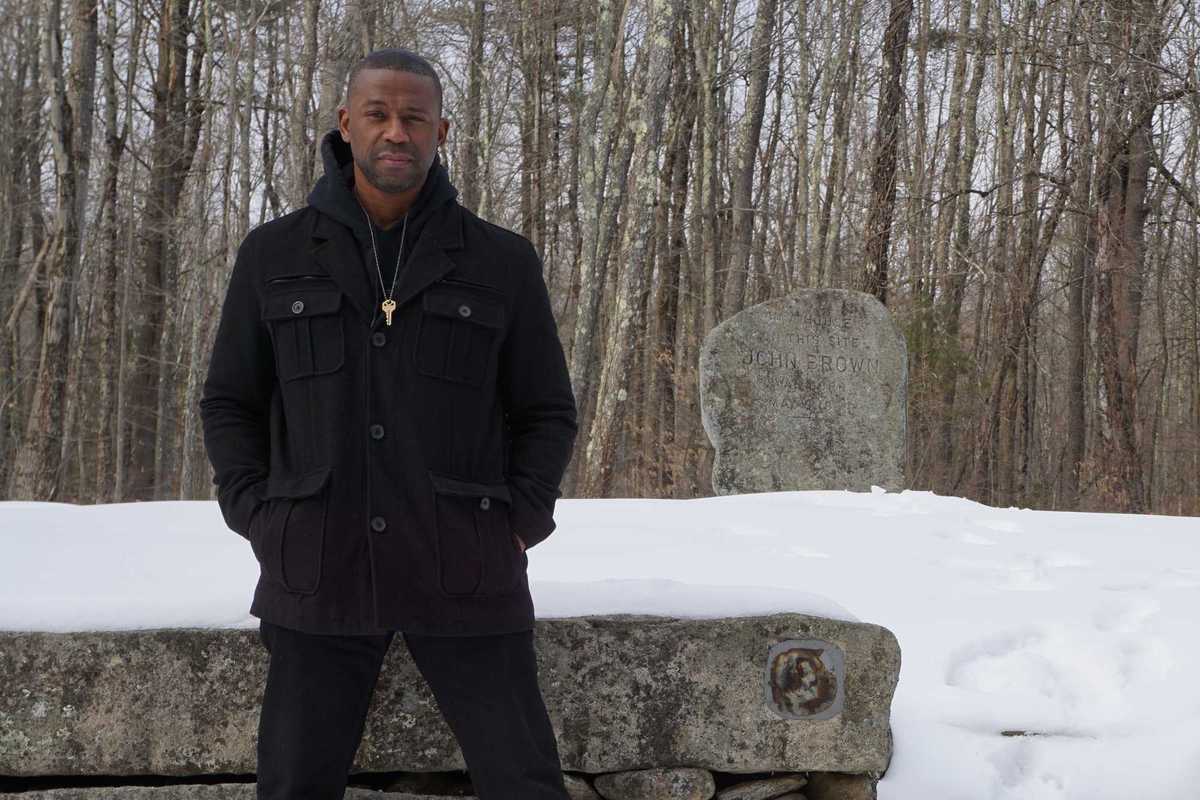
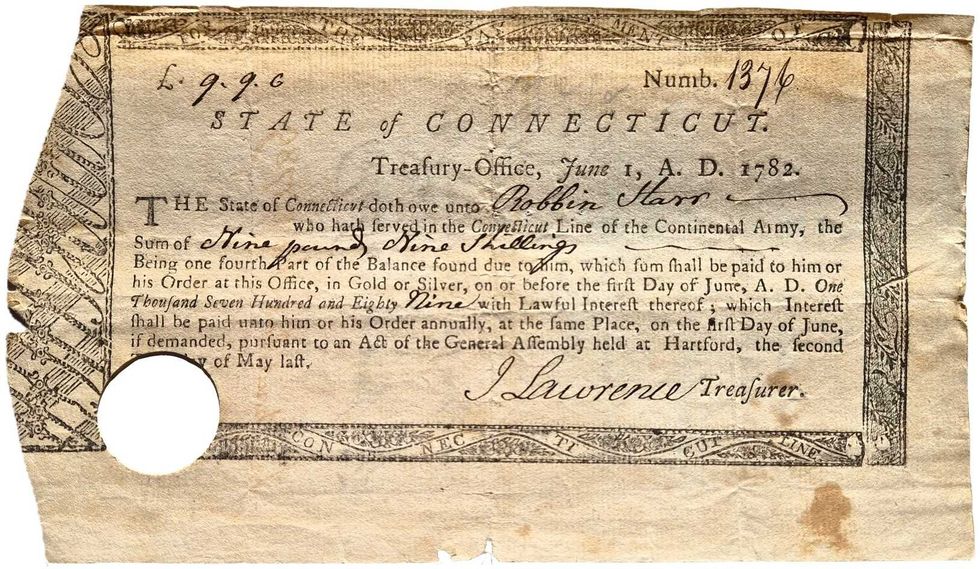 Pay Bill for Robin Starr’s service in the Continental Army.Courtesy the Alex Breanne Corporation
 John Mills speaking at Quinnipiac University.Courtesy the Alex Breanne Corporation

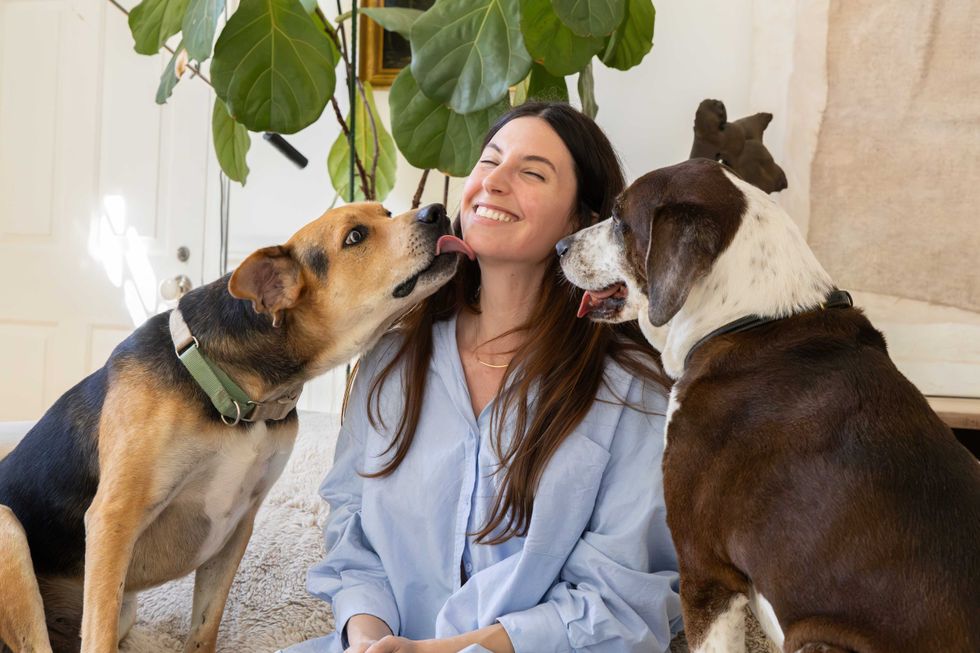 Stephanie Saetta,with her rescue dog George and Blue (left), a shepherd mix awaiting his forever home.Madi Long
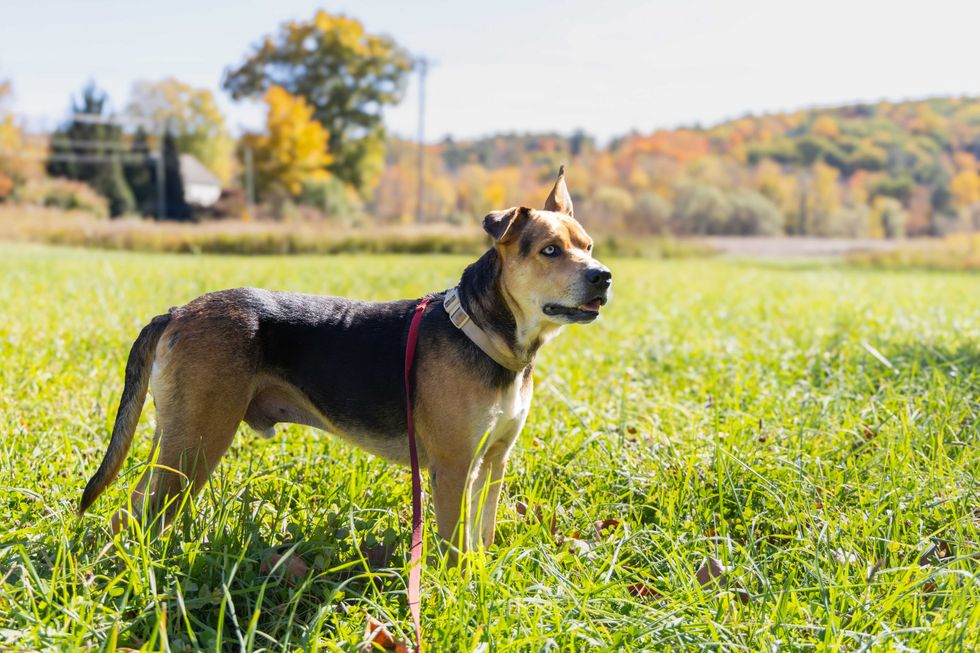 Blue, a 7 year-old Shepard mix, is waiting for his forever home. Madi Long