Joan Ingalls moved to her new home in Lakeville from nearby Salisbury and she has been restoring the five-plus acre property for the past two years.
It is an enormous job as a majority of the trees have been mortally overwhelmed by bittersweet and there are herbaceous invasives on nearly every surface — rock, meadow and what’s left of a small wooded area.
By the time Joan signed up for the spring woodland workshop she had already had a portion of her land brush-hogged. When I visited her property, as I did for all workshop participants, she had made a big effort clearing rocky areas of barberry, privet and bittersweet.
“It was the first thing I did because I wanted to get to the oak tree.’”
The large red oak is a splendid anchor to Joan’s yard as are the substantial granite outcroppings Joan exposed in the process.
Since that visit, Joan has been using her ‘buckthorn Blaster’ applicator (Naisma.org) to target the woody invasives specifically but the herbaceous weeds have come back with a vengeance, a consequence of the otherwise helpful July rains.
I visited again the other day and it was apparent that a different solution was needed on top of the rock outcroppings; it was again a tangle of invasive narrowleaf bittercress, garlic mustard rosettes and native but messy bedstraw, Gallium aparine.
We decided that it is an ideal place to try the weed torch, as the plants are low to the ground in a thin layer of soil on top of rock. A few darling pink flowered Herb Robert will be sacrificed in the process, but we can look at replanting those from other spots on the property amidst the bountiful supply of dogbane and native grasses.
Joan’s careful consideration of her land restoration and her dedication to making it happen are admirable, even more so as she is 79. Hats off to her and the other participants I enjoyed working with in the spring.
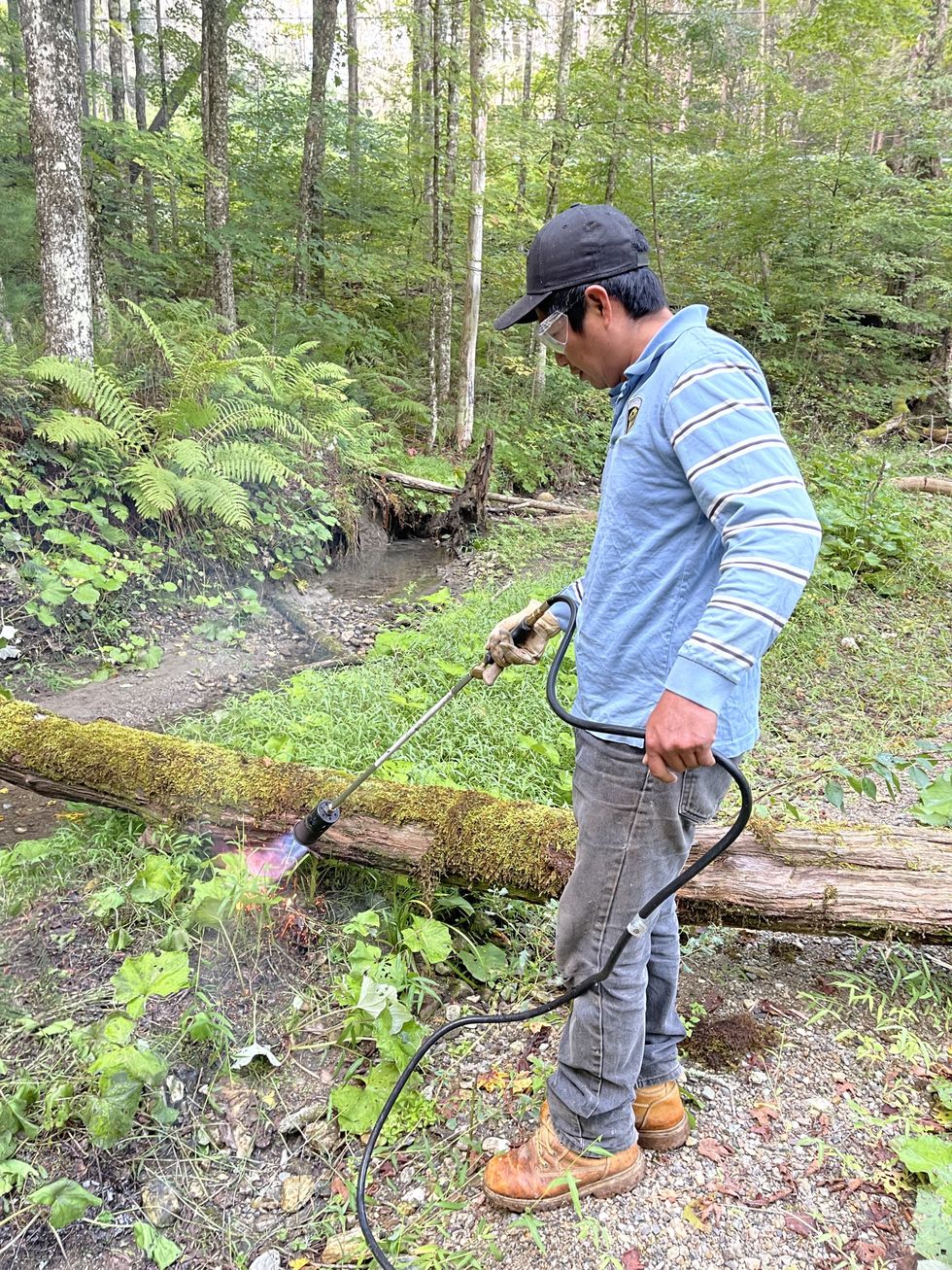
Our weed torch is currently in use by Jaime Choc who, for several years, has been helping me battle invasives and tame the garden. The current culprit is stilt grass which has taken over the marsh. The recent wet weather allowed Jaime to make headway with the torch, working as deftly as possible around the native plants that reside there: grass, ferns, thalictrum, goldenrod and yellow loosestrife.
But there is collateral damage from the torch; lovely ferns are brown at their tips and some grasses and asters have been sacrificed. I chose a low BTU torch to avoid this outcome but still the flame is too wide. (If anyone knows of a long-handled weed torch with a precision flame adjustment please let me know at dee@theungardener.com.)
I have been following Jaime as he works, pulling out by hand the remaining stilt grass under the precious natives. Using a weed torch requires experience, adherence to safety precautions and prudence to judge when the conditions for using it are right, and when they are not.
The three-acre marsh is fed by a stream that flows down from the northern part Swaller Hill. The stream usually dries up in July abetted by a beaver dam; this year it is still running.
When we moved here a dozen years ago, the marsh was entirely covered in barberry.
Trees, mostly tulip poplars but also a beautiful shadblow and willows were dying by bittersweet strangulation.
We bit the bullet one winter and spent several thousand dollars to have the bittersweet cut out; since then, each spring has brought a larger swath of skunk cabbage with its exotic looking purple flower and leaves that are an early feast for bears.
How long had the cabbage been lying low while the barberry flourished? According to Nancy Lawson, the author of The Humane Gardener, skunk cabbage’s deep rhizomes allow it to live for decades and perhaps centuries. It has existed on earth millions of years before humans.
After a decade or so of barberry interference on our property, the skunk cabbages blossom again. As with so many of our native species, they are waiting underground for you to create the conditions for their return.
If this sounds intriguing, please consider joining the fall woodland workshop which will equip you to tackle the ‘woody’ invasives — barberry, bittersweet, burning bush, Russian olive, Asian honeysuckle, privet, porcelain berry — and others — this fall into winter. To sign up, send an email to dee@theungardener.com.
Dee Salomon “ungardens” in Litchfield County.
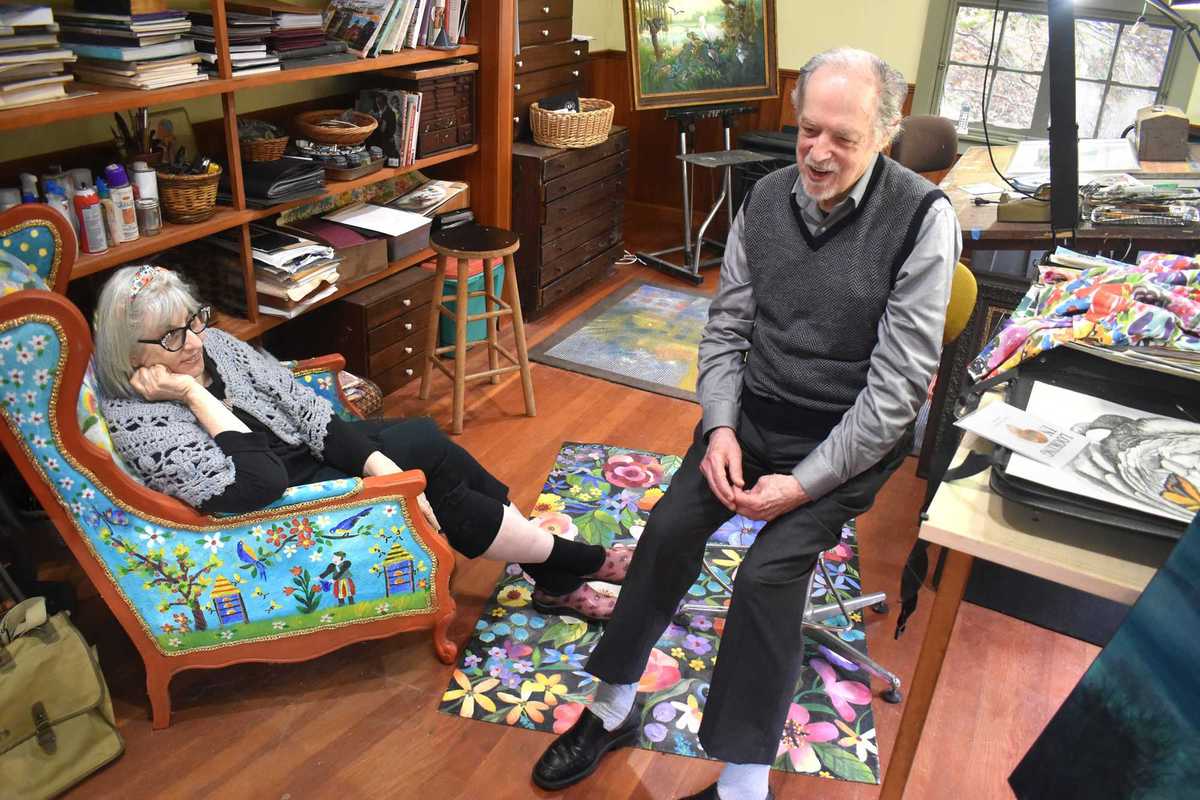
 Justine and Victor Valla in their studio with a painting of Victor’s,”Jonah and the Whale.” Robin Roraback

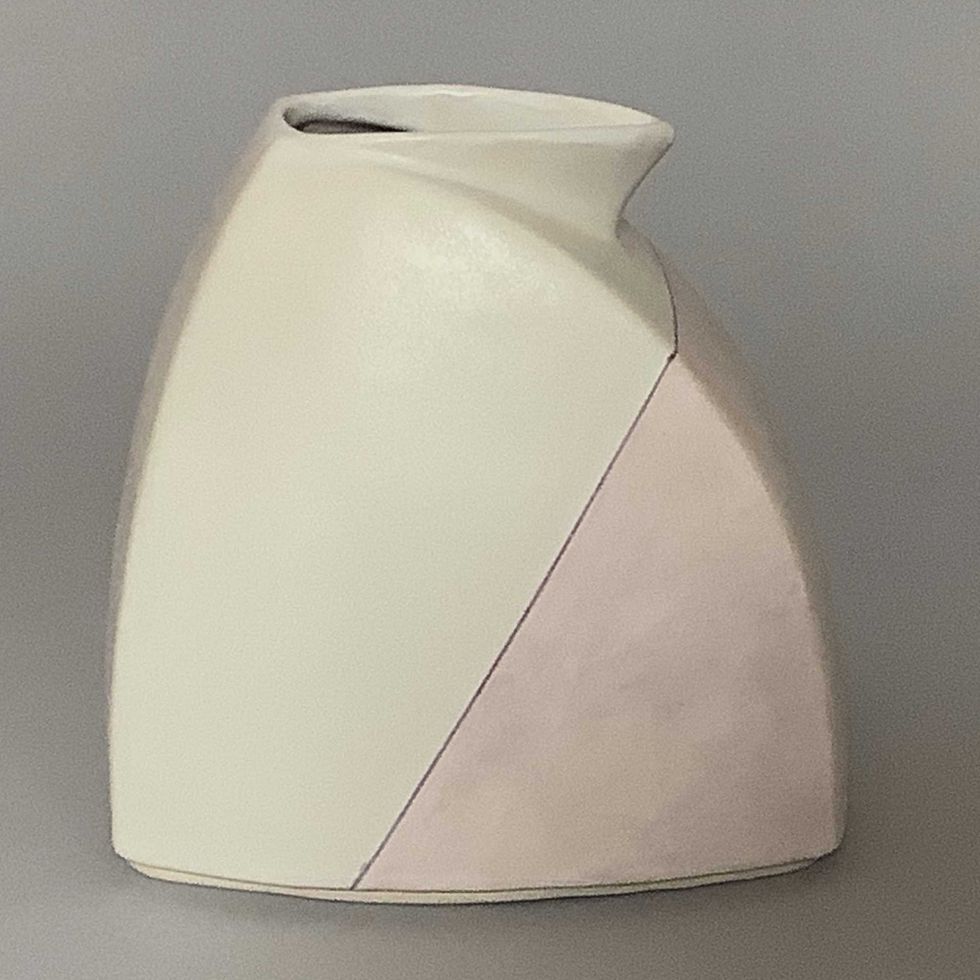 A ceramic vase by Kathleen Heidemann.Provided
 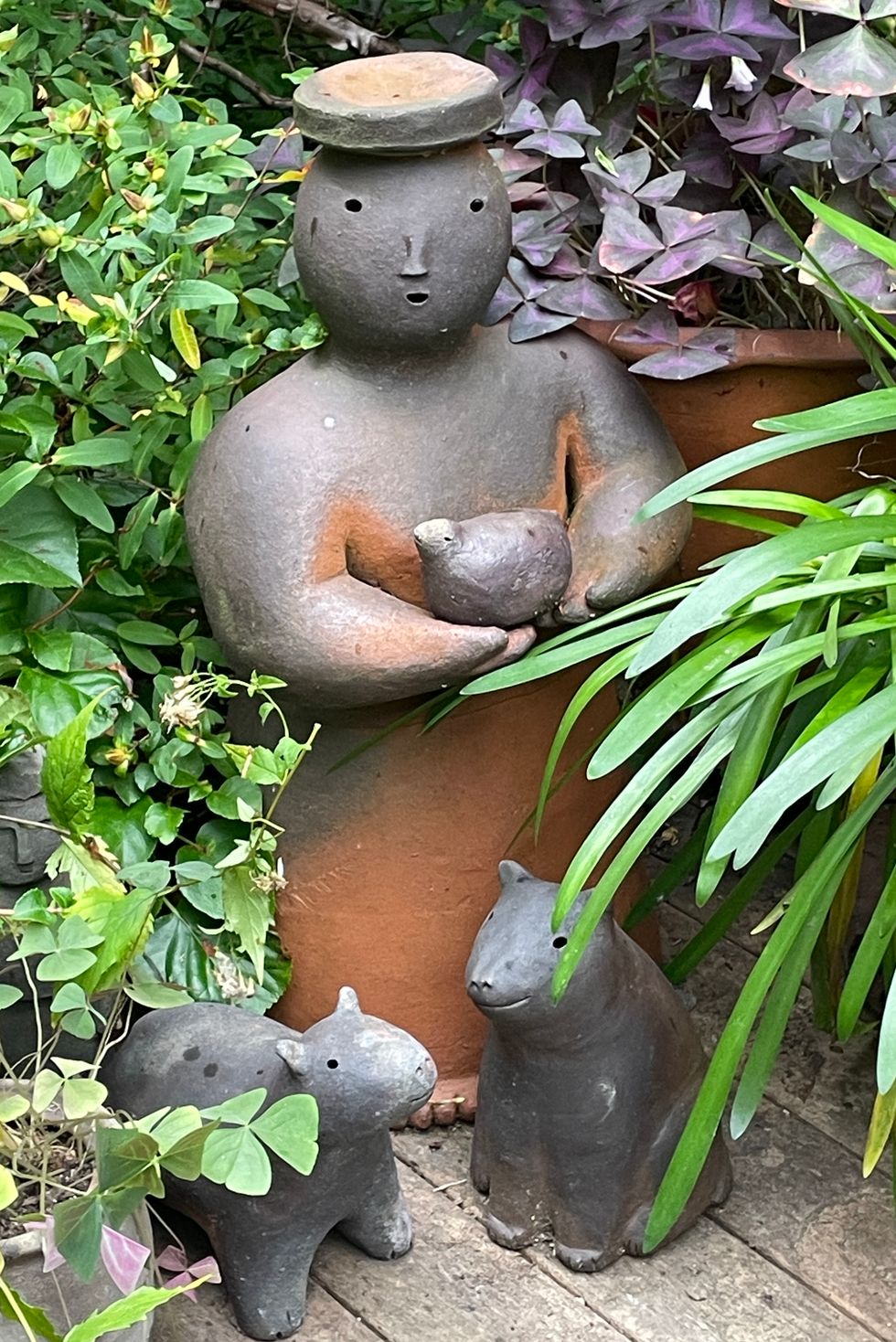 Joy Brown’s delightful ceramic sculptures.Provided
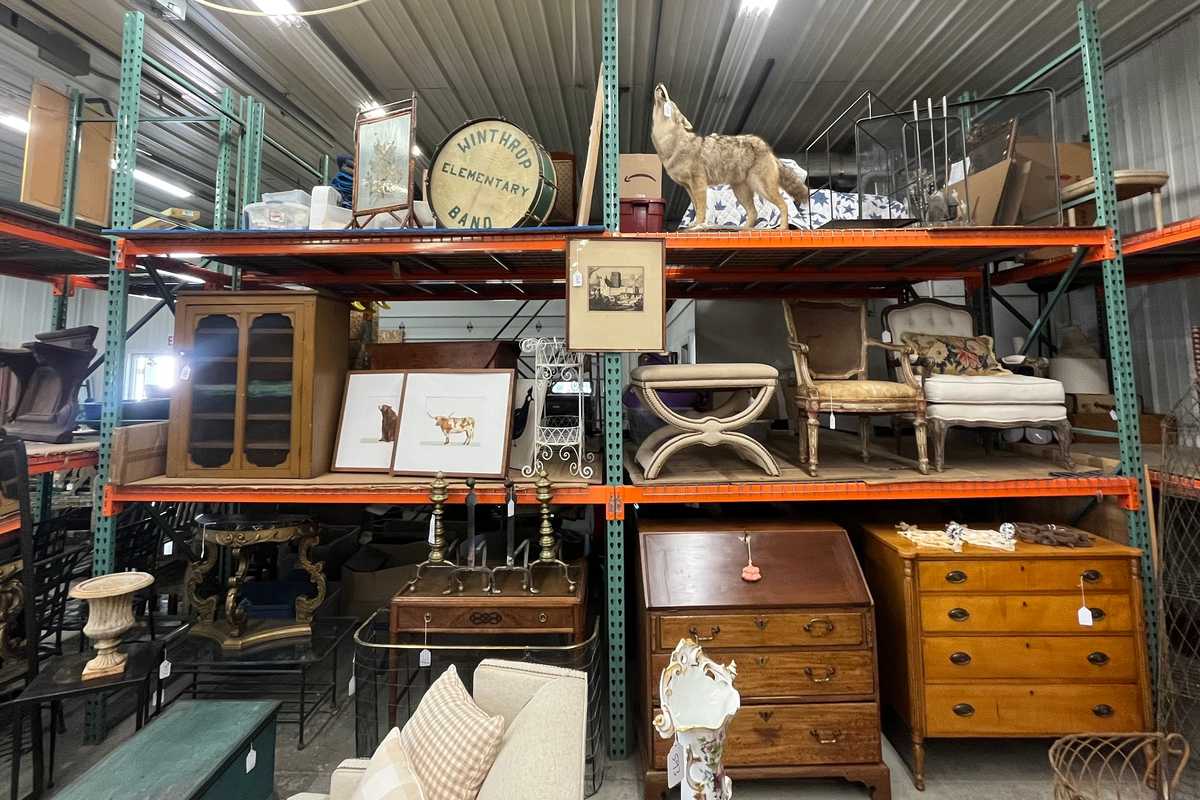
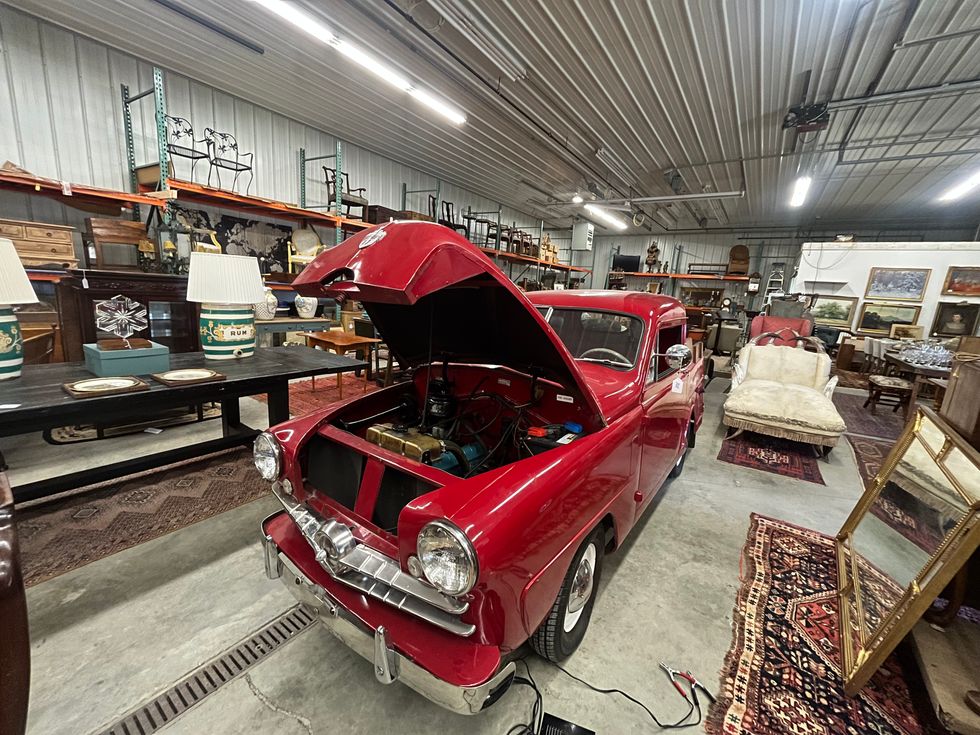 Hundreds of items at Stateline Auctions, including a candy-apple-red Crosley pickup truck.D.H. Callahan