A lesson in history with a look at life of Connecticut’s Nathan Hale

SALISBURY — Was Nathan Hale a brave young man who uttered the immortal words, “I only regret that I have but one life to lose for my country”?

Was he a hapless amateur spy who got caught almost immediately?

Was he a scapegoat?

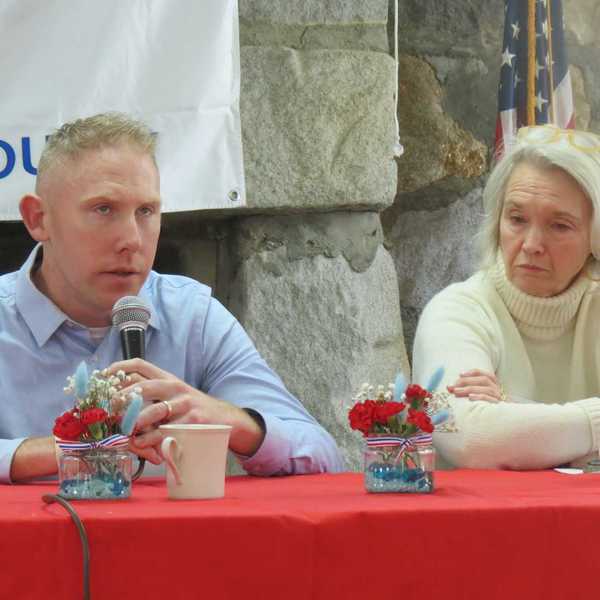
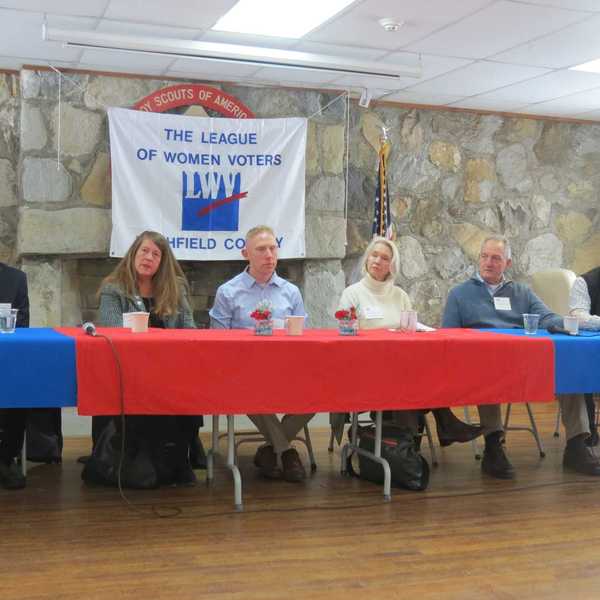
State historian and University of Connecticut professor Walt Woodward addressed these questions at the Scoville Memorial Library Saturday, April 11, in a talk sponsored by the library and the Salisbury Association Historical Society.

“I’m here to announce my candidacy …,” he began, getting a laugh from the standing-room only crowd.

He noted the number present, saying he had bet Salisbury author Tom Schactman that only four people would show up on the first legitimately spring-like day of 2015.

“That’s OK, I’m not going to pay him.”

Woodward said that new research in the last decade has cast some doubt on the commonly accepted story of Hale, the Connecticut schoolteacher and American spy who was hanged by the British on Sept. 22, 1776, uttering the famous words before the sentence was carried out.

“Academic historians are not kind to heroes in general,” he said. “They tend to be critical, not reverential.

“Sometimes the results are not pretty.”

In 2003, Woodward said, the Library of Congress received a handwritten history of the American Revolution written by a man with the remarkable name of Consider Tiffany, of Hartland.

Tiffany’s manuscript “casts Hale in a new light.”

The history confirms it was the then-famous Robert Rogers, of Rogers’ Rangers, who had Hale arrested.

“Rogers is almost unknown today, because he was a Loyalist.”

Rogers held two meetings with Hale in taverns. He pretended he was a Revolutionary sympathizer and fooled the young Hale.

At the second meeting, the Tiffany story goes, Rogers had Hale arrested.

“Hale acted like anything but a hero,” Woodward said. He denied everything.

Tiffany’s account is of “a panicky effort to save his skin.”

This contradicts the account of Continental Army Captain William Hull, who wrote of Hale’s execution being reported by a British officer in the American camp under a flag of truce.

That version is the familiar one — the brave Hale, having been refused a trial, a Bible or a clergyman, makes his famous statement and dies.

Woodward said it is likely that neither account is correct, and explained why historians might be skeptical.

“Neither were eyewitnesses, and each had his own personal agenda.”

Tiffany was a Loyalist, and his Hale story is part of a larger “prophetic jeremiad” that forecast doom for the young Republic.

“It’s the rarest of all things — history written by the loser.”

Hull was a patriot through and through, with a long record of service in the Revolution.

But his account is not referenced by anybody until 1799, and wasn’t published until 1839, as part of a posthumous biography written by family members, anxious to rehabilitate Hull’s reputation.

His reputation needed work because, as a general during the War of 1812, he surrendered Detroit without firing a shot.

He was court-martialed for cowardice and sentenced to be shot. He got a reprieve from President James Madison but spent the remainder of his life in disgrace. Hull died in 1825.

His biographers suggested that Hull’s action in Detroit — surrendering to a superior force to avoid needless death — “could be seen as intensely patriotic, like Hale.”

“It would be naive to read either account without being mindful of agendas,” Woodward said. “Historians have to make choices about what to believe.”

But there is one big factor in the Hale story that gets overlooked: the massive fire in New York city, which was the British headquarters.

As the Americans left the city, there was a ferocious debate on whether or not to raze the place. The New Yorkers, backed by the Pennsylvanians, were appalled by the idea.

“But the New Englanders had long viewed New York as a commercial Sodom and Gomorrah,” said Woodward.

“What else is new?”

In any event, the same night, Sept. 21, that Rogers exposed Hale, fire broke out in a New York tavern and a considerable conflagration ensued.

Woodward said that most historians have concluded the fire was an accident, not a deliberate act of sabotage.

If the British had evidence that Hale had been on a mission to start the fire, they surely would have made a fuss about it, Woodward said.

“But New York was smoldering, and rage was white-hot,” he continued.

And Hale matched the image of the arsonist many British believed was to blame.

“In the search for a symbol of revenge, he would do just fine.”

Latest News

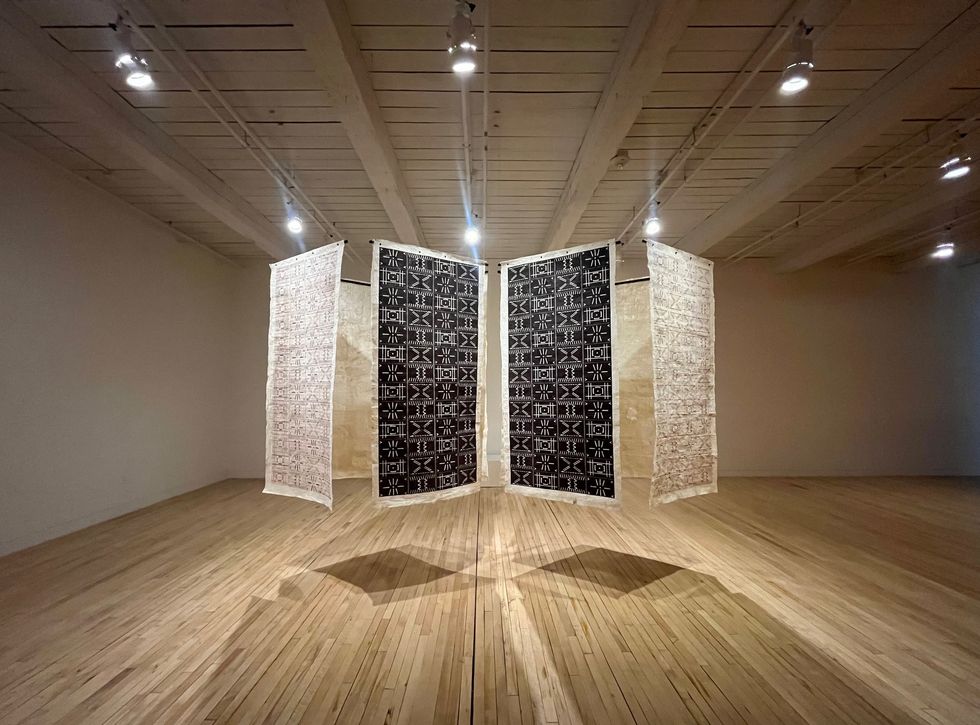
Living art takes center stage in the Berkshires

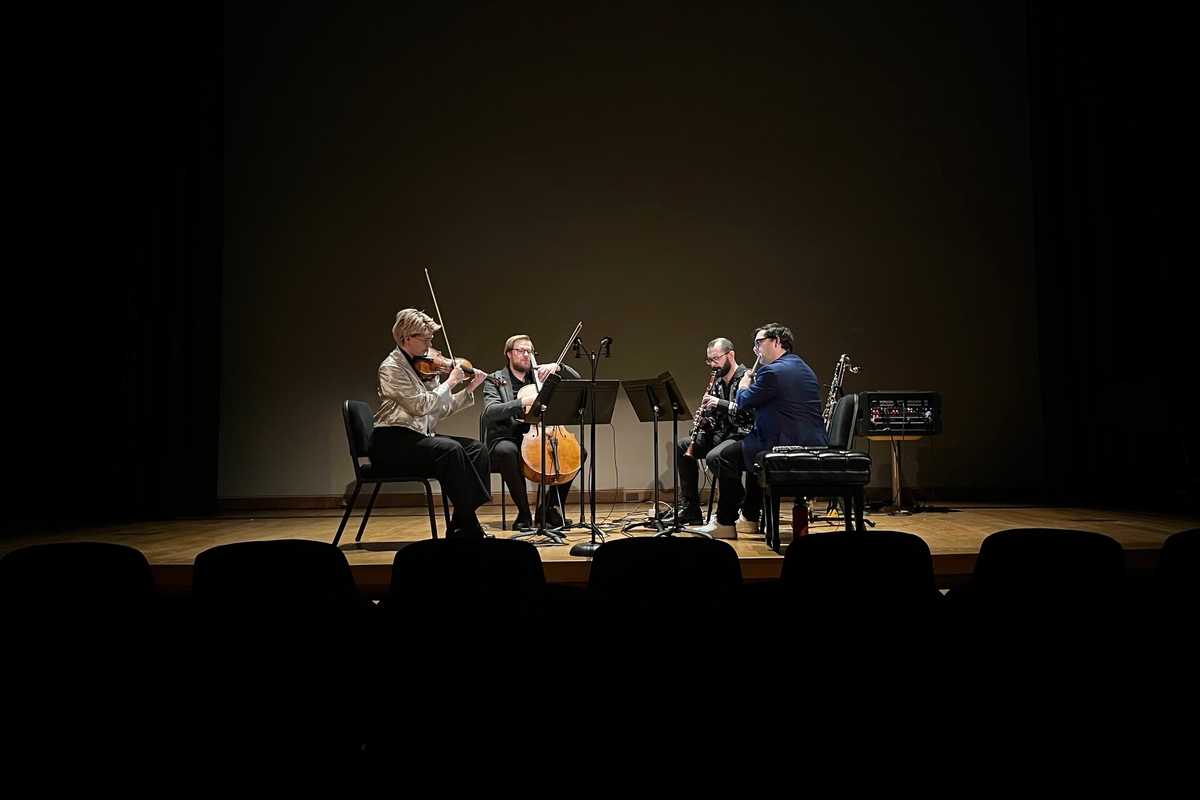
Contemporary chamber musicians, HUB, performing at The Clark.

D.H. Callahan

Northwestern Massachusetts may sometimes feel remote, but last weekend it felt like the center of the contemporary art world.

Within 15 miles of each other, MASS MoCA in North Adams and the Clark Art Institute in Williamstown showcased not only their renowned historic collections, but an impressive range of living artists pushing boundaries in technology, identity and sound.

Keep ReadingShow less
Persistently amplifying women’s voices

Francesca Donner, founder and editor of The Persistent. Subscribe at thepersistent.com.

Aly Morrissey

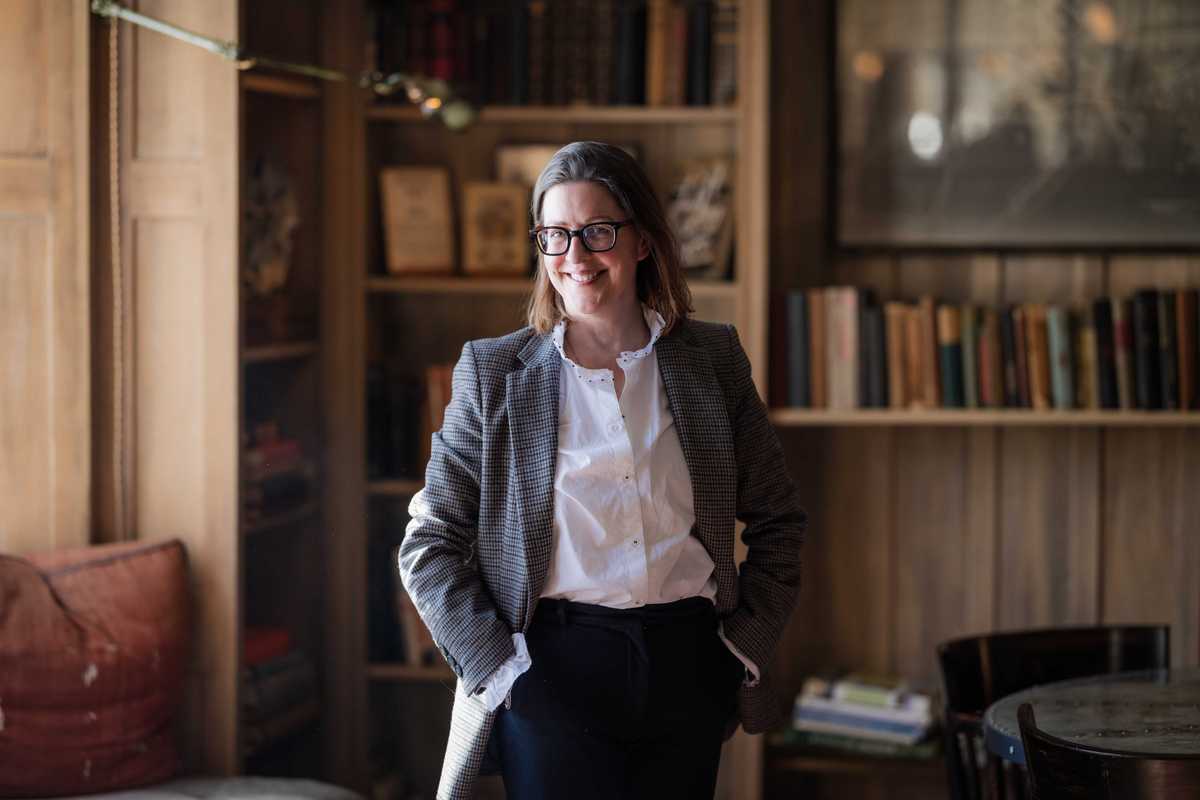
Francesca Donner pours a cup of tea in the cozy library of Troutbeck’s Manor House in Amenia, likely a habit she picked up during her formative years in the United Kingdom. Flanked by old books and a roaring fire, Donner feels at home in the quiet room, where she spends much of her time working as founder, editor and CEO of The Persistent, a journalism platform created to amplify women’s voices.

Although her parents are American and she spent her earliest years in New York City and Litchfield County — even attending Washington Montessori School as a preschooler — Donner moved to England at around five years old and completed most of her education there. Her accent still bears the imprint of what she describes as a traditional English schooling.

Keep ReadingShow less
Jarrett Porter on the enduring power of Schubert’s ‘Winterreise’
Baritone Jarrett Porter to perform Schubert’s “Winterreise”
Tim Gersten

On March 7, Berkshire Opera Festival will bring “Winterreise” to Studio E at Tanglewood’s Linde Center for Music and Learning, with baritone Jarrett Porter and BOF Artistic Director and pianist Brian Garman performing Franz Schubert’s haunting 24-song setting of poems by Wilhelm Müller.

A rejected lover. A frozen landscape. A mind unraveling in real time. Nearly 200 years after its premiere, “Winterreise” remains unnervingly current in its psychological portrait of isolation, heartbreak and existential drift.

Keep ReadingShow less
google preferred source

Want more of our stories on Google? Click here to make us a Preferred Source.
A grand finale for Crescendo’s 22nd season

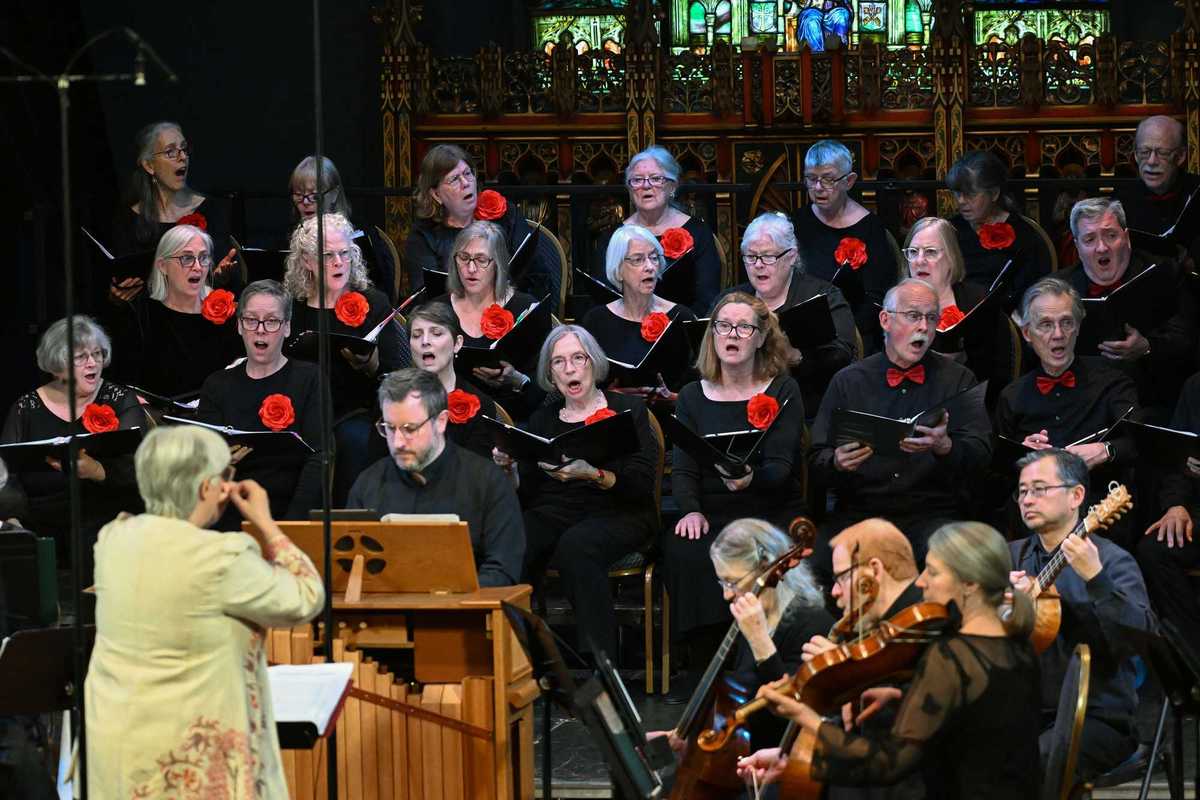
Christine Gevert, artistic director, brings together international and local musicians for a season of rare works.

Stephen Potter

Crescendo, the Lakeville-based nonprofit specializing in early and rarely performed classical music, will close its 22nd season with a slate of spring concerts featuring international performers, local musicians and works by pioneering composers from the Baroque era to the 20th century.

Christine Gevert, the organization’s artistic director, has gathered international vocal and instrumental talent, blending it with local voices to provide Berkshire audiences with rare musical treats.

Keep ReadingShow less

Leopold Week honors land and legacy

Leopold Week honors land and legacy

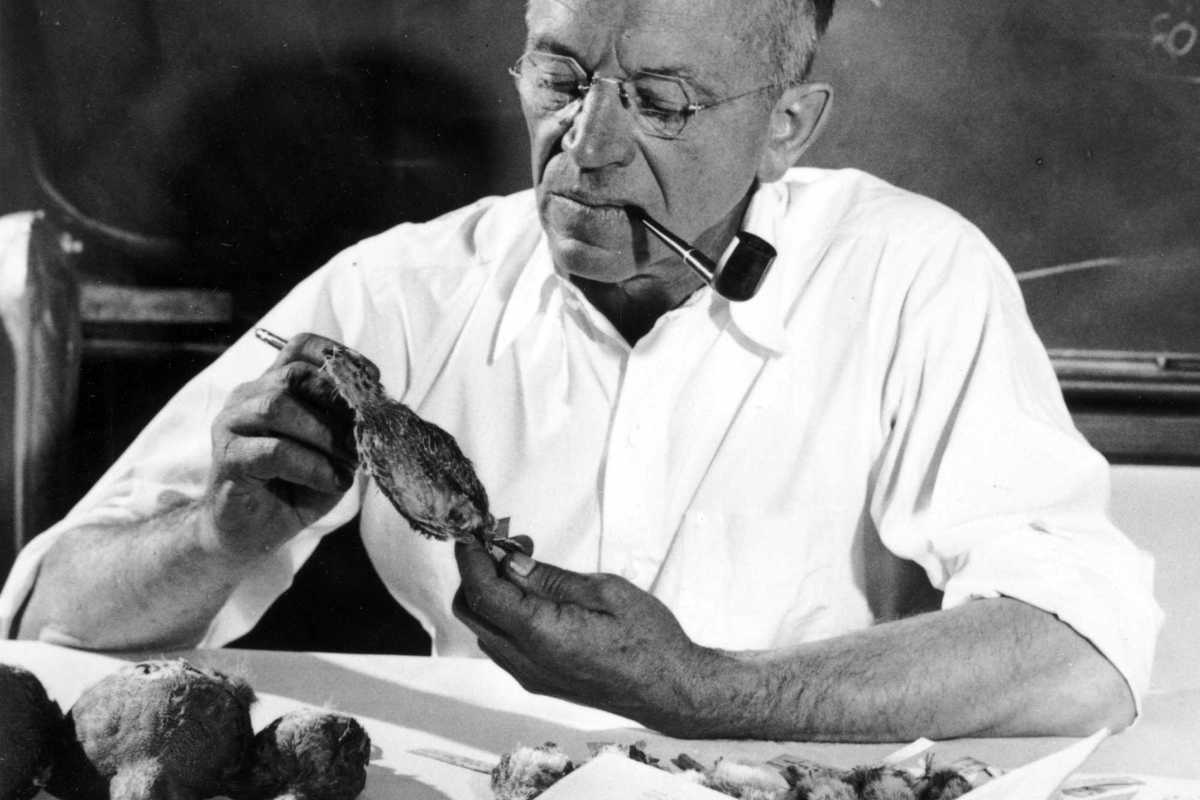
Aldo Leopold in 1942, seated at his desk examining a gray partridge specimen.

Robert C. Oetking

In his 1949 seminal work, “A Sand County Almanac,” Aldo Leopold, regarded by many conservationists as the father of wildlife ecology and modern conservation, wrote, “There are some who can live without wild things and some who cannot.” Leopold was a forester, philosopher, conservationist, educator, writer and outdoor enthusiast.

Originally published by Oxford University Press, “A Sand County Almanac” has sold 2 million copies and been translated into 15 languages. On Sunday, March 8, from 3 to 5 p.m. in the Great Hall of the Norfolk Library, the public is invited to a community reading of selections from the book followed by a moderated discussion with Steve Dunsky, director of “Green Fire,” an Emmy Award-winning documentary film exploring the origins of Leopold’s “land ethic.” Similar reading events take place each year across the country during “Leopold Week” in early March. Planning for this Litchfield County reading began when the Norfolk Library received a grant from the Aldo Leopold Foundation, which provided copies of “A Sand County Almanac” to distribute during the event.

Keep ReadingShow less

Erica Child Prud’homme

Erica Child Prud’homme

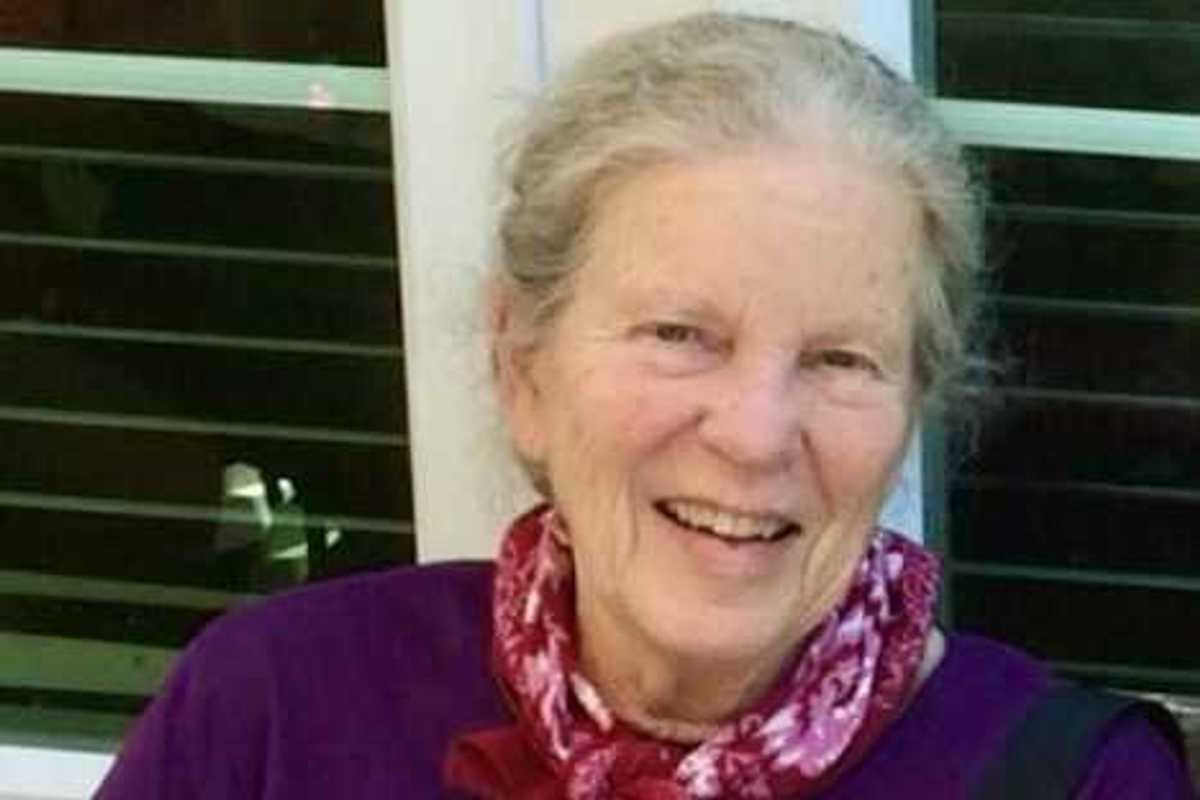
WEST CORNWALL — Erica Child Prud’homme died peacefully in her sleep on Jan. 9, 2026, at home in West Cornwall, Connecticut, at 93.

Erica was born on April 27, 1932, in Doylestown, Pennsylvania, the eldest of three children of Charles and Fredericka Child. With her siblings Rachel and Jonathan, Erica was raised in Lumberville, a town in the creative enclave of Bucks County where she began to sketch and paint as a child.

Keep ReadingShow less
google preferred source

Want more of our stories on Google? Click here to make us a Preferred Source.
google preferred source

Want more of our stories on Google? Click here to make us a Preferred Source.