Latest News
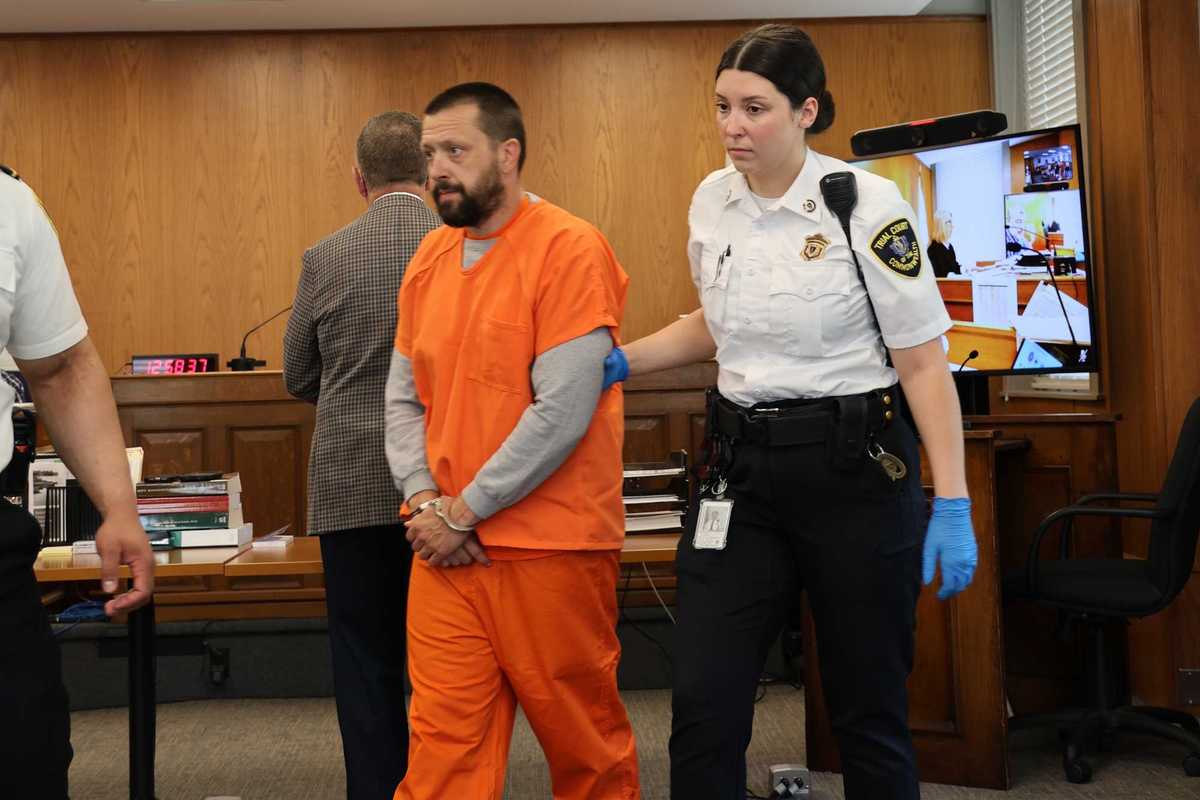
Cole Bushnell, 41, of Ashley Falls is arraigned on one count of murder at Southern Berkshire District Court June 2. He is being held without bail.
Madi Long
The victim, identified in court only as an adult male from Connecticut, worked with Bushnell in the painting industry. Authorities have not publicly released his name.
The victim suffered from blunt force trauma to the skull, and small lacerations to the back consistent with a knife, according to the prosecutor.
Bushnell, who has deep ties to Connecticut, attended North Canaan Elementary School and Housatonic Valley Regional High School. He is the owner of Bushnell Painting LLC, which services Massachusetts and Connecticut.
Prosecutors said Bushnell believed the victim had stolen money from him in connection with a job they were working on together. They also alleged that Bushnell had been exhibiting erratic behavior in the days leading up to the incident and had turned off surveillance cameras at his home, according to statements made by his fiancée.
The investigation began after a witness contacted Connecticut State Police and reported a dead body at 546 Polikoff Road in Ashley Falls, where Bushnell resides. According to prosecutors, Bushnell had shown the witness, an employee, the victim's body inside a greenhouse on the property. The witness then left the residence and contacted law enforcement.
Connecticut State Police notified the Sheffield Police Department, which responded to the property.
Officers located a body at the scene and contacted Massachusetts State Police Detectives Unit assigned to the Berkshire District Attorney's Office. The Berkshire State Police Detective Unit was notified of the suspected homicide at approximately 1:34 p.m. June 1, authorities said.
Bushnell was not at the residence when law enforcement arrived. Investigators said he returned to the property at approximately 5:23 p.m. and was arrested by members of the Berkshire State Police Detective Unit.
Bushnell, who prosecutors say has an extensive criminal record in Connecticut, is barred from having contact with any witnesses. His next court date is scheduled to take place July 16.
Additional reporting by Madi Long and Nathan Miller
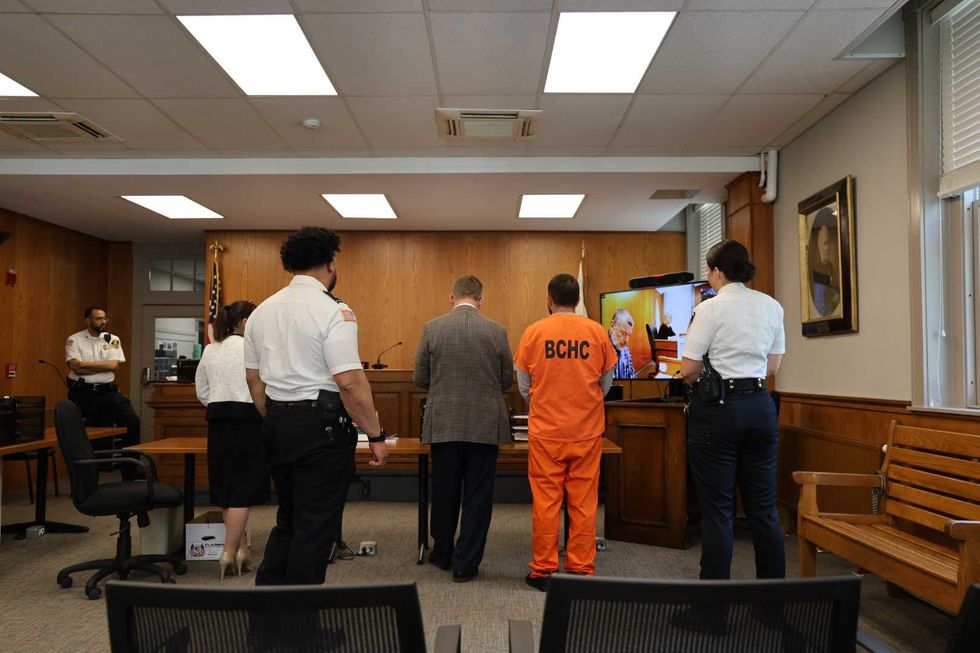 Cole Bushnell, 41, of Ashley Falls is arraigned on one count of murder at Southern Berkshire District Court June 2. He is being held without bail.Madi Long

Want more of our stories on Google? Click here to make us a Preferred Source.
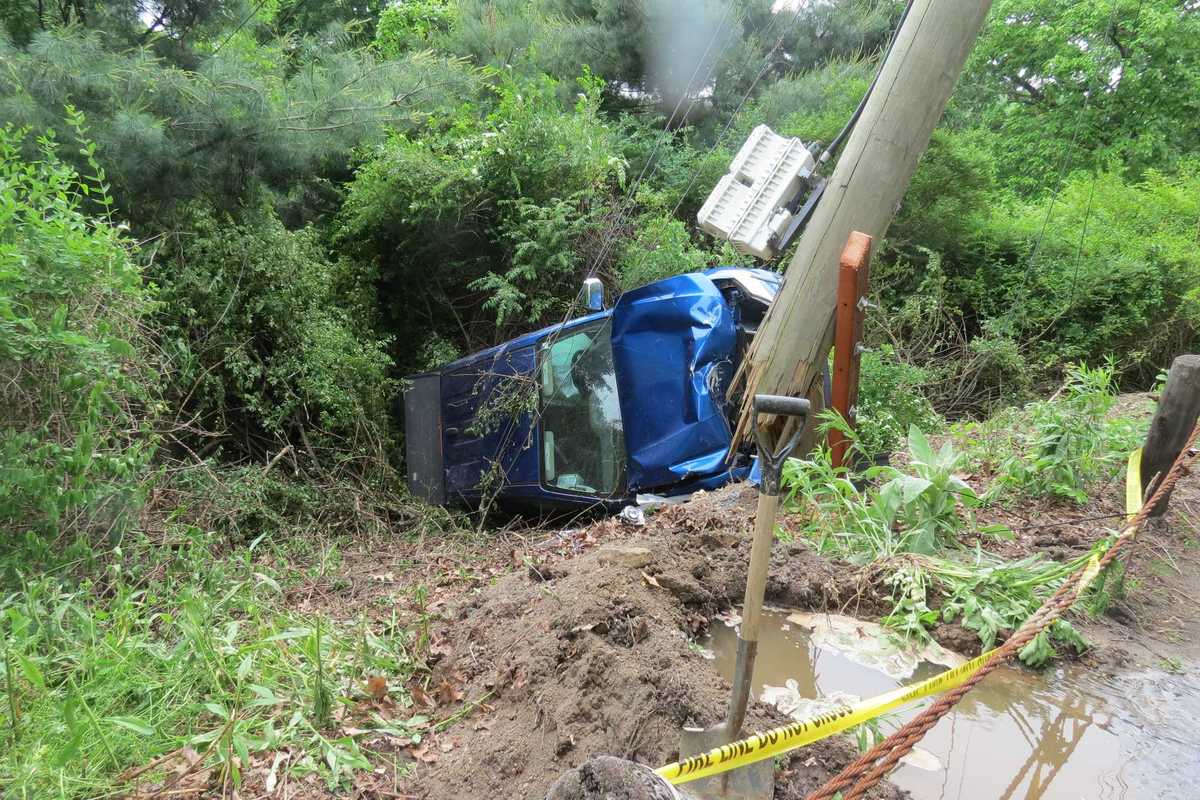
A blue SUV remains in a ditch after an early-morning crash along Segar Mountain Road in Kent May 27.
Ruth Epstein
The driver was transported to Danbury Hospital with minor injuries, according to police.
The damage to a utility pole forced crews to shut down parts of the road and reduce traffic to a single lane throughout the day. First Selectman Eric Epstein announced that traffic would be impacted as utility companies make repairs. Motorists were advised to avoid the area until the work is complete.
As of 2 p.m., traffic at the scene was reduced to alternating single lane travel. Employees from Eversource Energy, Aquarion Water Company and the state Department of Transportation were at the site making repairs to the utility pole and wiring. They have yet to provide an estimate for when the repairs will finish.
The car was still in the ditch as of mid-afternoon, officials on the scene said.
In an email to Kent residents, which was sent at approximately 12:40 p.m., Epstein reported that a water line connected to one residence in the area was also damaged, but clarified that it was not the line supplying the town.
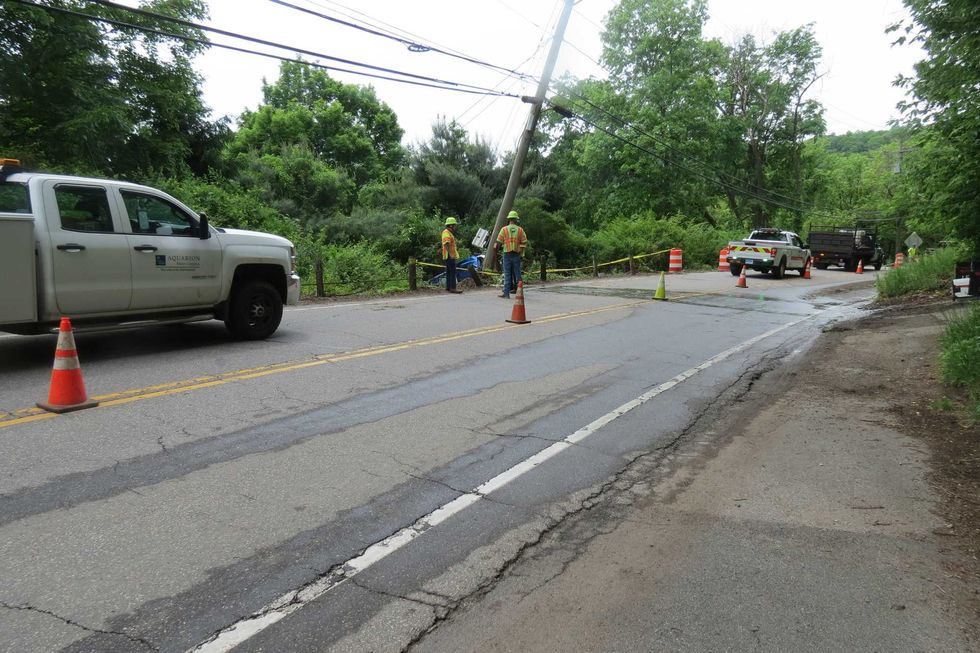 Repair crews respond to an early-morning crash along Segar Mountain Road in Kent that damaged a utility pole and water line. Ruth Epstein


Want more of our stories on Google? Click here to make us a Preferred Source.