Thanks for a successful ‘Summer Nights’
As the excitement of Summer Nights of Canaan comes to an end, we would like to extend our heartfelt thanks to everyone who helped make this year’s celebration such a success.
First and foremost, thank you to the incredible group of volunteers who generously gave their time, energy, and flexibility—especially when Mother Nature had other plans. Your willingness to adjust and keep things running smoothly made all the difference.
Thank you to everyone who came out to enjoy the carnival, purchase ride wristbands, and support the many events throughout the week. Your participation means so much to us. The North Canaan Events Committee receives a small percentage of carnival ticket and wristband sales, and those proceeds, along with the generosity of our sponsors and donors, help make community traditions like our annual fireworks display possible.
Thank you to Safari Amusements for bringing another fantastic carnival to North Canaan, and to Doug Palmer and Pyrotecnico for an unforgettable fireworks display that lit up the night.
We would also like to extend our sincere appreciation to NBT Bank for their generous donation in support of this year’s fireworks. Their commitment to our community helped make this beloved tradition possible.
Thank you to Just Ask Rental/Riva Associates III Rental for providing the tables and chairs that created a welcoming food court where attendees could relax and enjoy the delicious offerings from our local food vendors.
A special thank you goes to the team at Tidewater Residences for always stepping up when help was needed—especially at the last minute. Your positive attitude, willingness to lend a hand, and hard work never go unnoticed.
Summer Nights of Canaan wouldn’t be the tradition it is without the many organizations and volunteers who dedicate their time each year. Thank you to the Canaan Fire Company for bringing back Old Time Bingo (it was greatly missed), fire truck rides, the parade, and their annual raffle; the North Canaan Volunteer Ambulance for the Family Buffet Breakfast; William Perotti & Sons Inc. for hosting the always-entertaining Bed Race; and St. Martin of Tours CT for their famous Chicken BBQ dinner. Together, these events create a weekend that families look forward to year after year.
Most importantly, thank you to everyone who attended, volunteered, sponsored, and supported Summer Nights of Canaan. Your continued support keeps these hometown traditions alive, and we are grateful to celebrate them with such an amazing community.
Next up: Canaan Railroad Days! August 6–9.
We hope you’ll join us for another wonderful weekend of community fun!
Jenn Crane
Canaan
Urgent need to protect Historic District
As an avid Historic Preservationist, I write to call attention to the urgent need to protect the integrity of the Lakeville National Register Historic District. This coveted designation by our national government on the little village of Lakeville is sought after by many a small New England town. It is not only an honor bestowed but with it comes a responsibility to protect it and maintain it for generations to come. Our past should be prologue. As one who has restored three late 18th century homes in 3 towns in 2 states, two purchased from the heirs of the families who built them in approximately 1795, I believe I can speak as one who is not a johnny come lately to this issue of historic preservation.
The Historic District is not a singular entity but a composite of its individual parts all of which contribute to its status. One of the criteria for inclusion was “The Transportation Significance of Historic and the Iconic Lakeville Railroad Depot Building”.
It is no accident that this 1871 building still exists at all. It was gift to the town by Frederic and Ruth Bauer, along with a large portion of the surrounding land including what is now Bauer Park and Factory Pond. They left funds which are now much lager to provide for their care. The area has been the center of an important regional transportation network since the mid 1700’s. The earliest colonial roads to New York and Sharon, as well as to local iron mines and the forge on Lime Rock converged here.
Ultimately after earlier ventures by the Alexander Holley and others, a through route from Millerton to Lakeville to Hartford was established. According to the National Register Historic District records, the Hartford Connecticut Western Train was one of the trains bringing thousands of people to Lakeville on June 20th, 1883 to celebrate the 100th Anniversary of Montgomery Lodge on the Sharon Road.
All these facts and others, bear witness to the fact that whether occurring as a result by benign neglect or sheer abandonment of use, the present condition of and the now 12 years and longer vacancy of this building must come to an end as rapidly as possible. Viewed with the large open construction hole in the Historic District at 7 Holley Street, property also owned by the town, due to possible soil issues according to the town, a death by a thousand cuts, as the phrase goes, comes to mind. Allowed to go on, these conditions will lead to the disintegration of the District as one views this site in conjunction with the inappropriate concrete war zone-style barriers, which now surround the Depot structure and certainly do not benefit the area businesses in any way. Beautiful heavy duty bollards and attractive concrete planters are the preferred way to protect important buildings from traffic damage and could be done here with minimal expense and immediate timing.
Let us work together so we can protect our heritage and our future, and our children’s future can be as bright as our past.
Susan Galluzzo
Lakeville
A port in the storm
That was my car and I am the lady who was stuck in it for three hours on the 4th of July next to the Salisbury Town Hall.
Within minutes of parking at 7pm, a fierce wind caused two trees from the cemetery to come down, pulling down the power lines behind and above me. With that, an explosion of bright orange and red when the transformer blew, sparks flying. Back window blown out, windshield shattered, car completely covered, trapped, buried.
Then.. silence, but for the humming of live power lines.
I sat shocked and stunned. Surely family who had been on their way to pick me up would be there in minutes - but they were turned back from the storm.
Thankfully I was able to call 911 (Jeremy) and he assured me help was on the way. One by one people began to appear. Standing in the cemetery was someone screaming towards me in the storm “Are you ok? Are you injured? We are going to get you out!”. One was Danny B.
For three hours, so many people checked in on me, and reassured me including Matt, “AA”, and then Trooper McNeil from Troop B. And there were others.
And then, Bull Sherwood.
At 10pm, Bull said it was safe for me to exit the car. From the passenger side, I was able to squeeze out, but oh the slippery moss-covered branches. Someone was standing behind me in case I fell. Over one massive branch, then the other, and then I stalled. How will I get over this last tangled mess? To which Bull said “I got you” and before I could blink, he picked me up and threw me over his shoulder lifting me to safety. Well, all I could exclaim was “oh my!”
Roads were closed, power out everywhere, all of us strangers standing in front of the Town Hall mulling, wondering what are we going to do? Two men from Belgo road, and Cathy and her uncle Jamus who serendipitously live on the street of my partner’s mother who lived there for decades long ago and who graciously drove me back at midnight.
When I went by the next morning to see the car, many were taking photos. A woman approached me and said, “you can hardly see it but there’s a car under there!”. I said, “I know!”. She added “and there was a lady trapped in there for 4 hours!” I said, “I know, it was me, and it was 3 hours!”. To which she exclaimed “you’re famous!” Ha!
I’ve been coming to the area for almost forty years, half of the time to Salisbury Lakeville. All of us strangers, yet together as one when something like this happens.
Thank you to each and every one who was there that night and beyond (Alyssa at Arnold’s of Canaan!)
I am grateful beyond measure for family, friends, and the community that is the NW Corner.
Pauline J
Vermont
With thanks, housing dance party a success
I wish to thank the White Hart Inn for once again hosting the the annual Dance Party supporting the Salisbury Housing Trust. Dan Winkley and the staff at the Inn were fantastic in welcoming all our donors and supporters to a magical night of dancing and celebrating the efforts of the Housing Trust to build our community even stronger.
In addition, I wish to thank all our sponsors of the Dance and all who donated gifts for our silent auction.
With your support, the Housing Trust will continue on it mission of opening doors to home ownership in Salisbury.
Finally, thanks to Mary Taylor and her team for the countless of hours it took to organize this event!
John Harney
President,
Salisbury Housing Trust

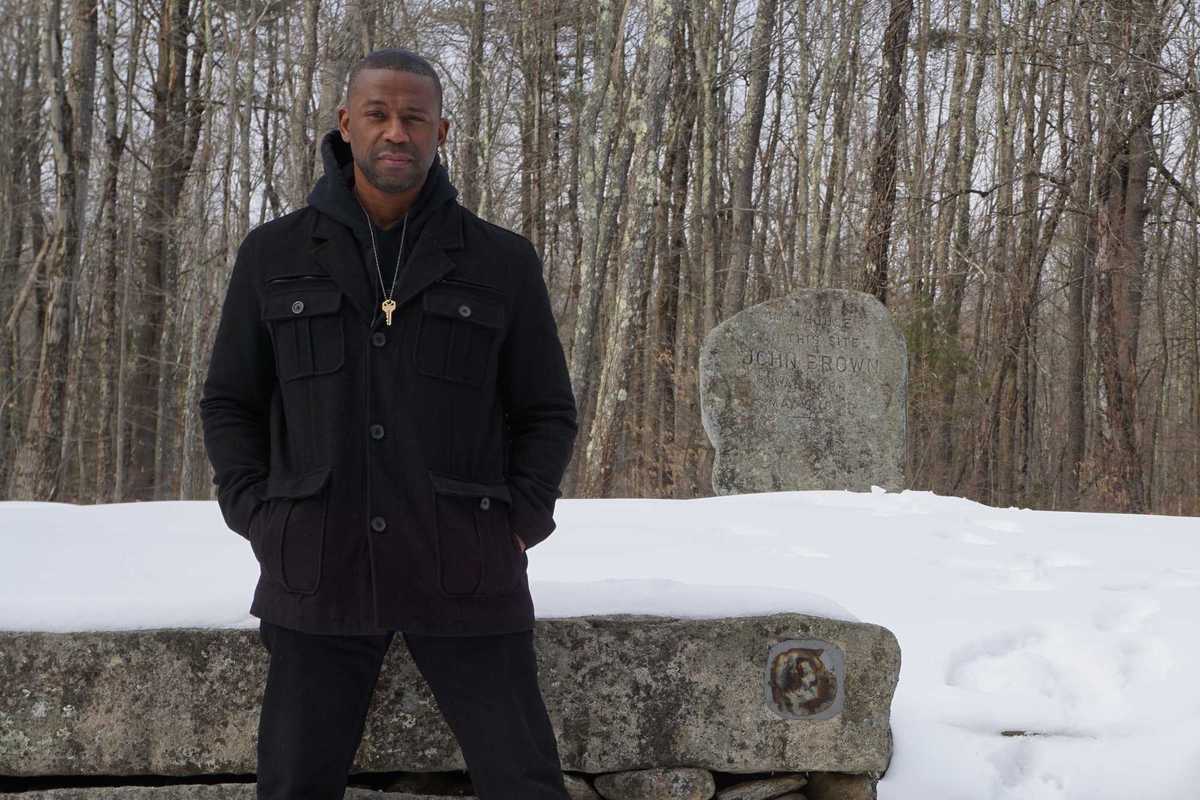
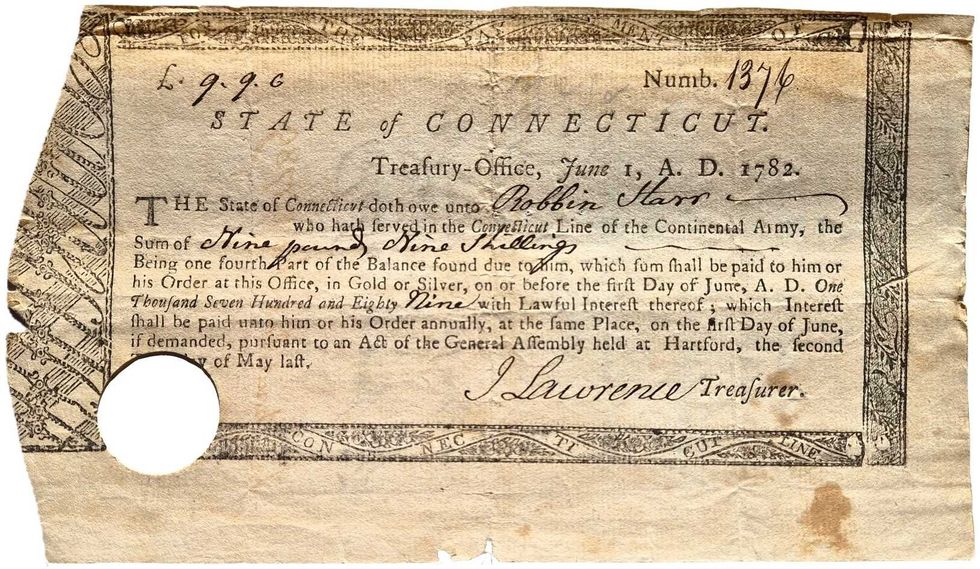 Pay Bill for Robin Starr’s service in the Continental Army.Courtesy the Alex Breanne Corporation
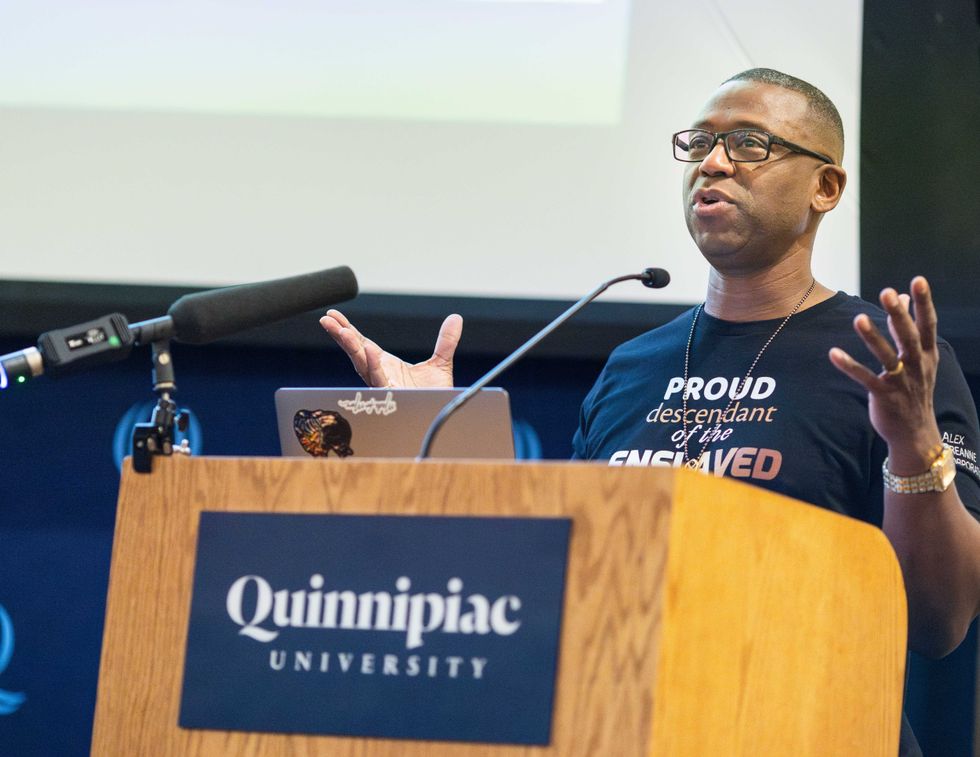 John Mills speaking at Quinnipiac University.Courtesy the Alex Breanne Corporation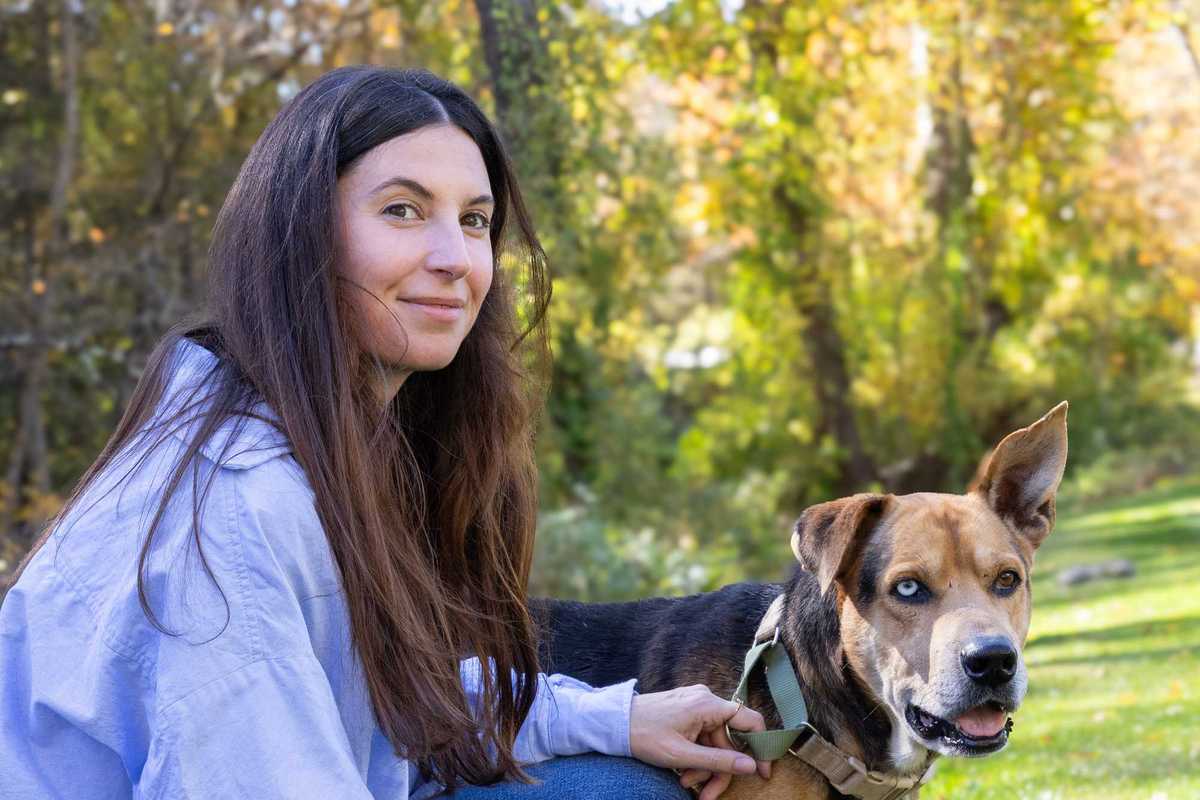
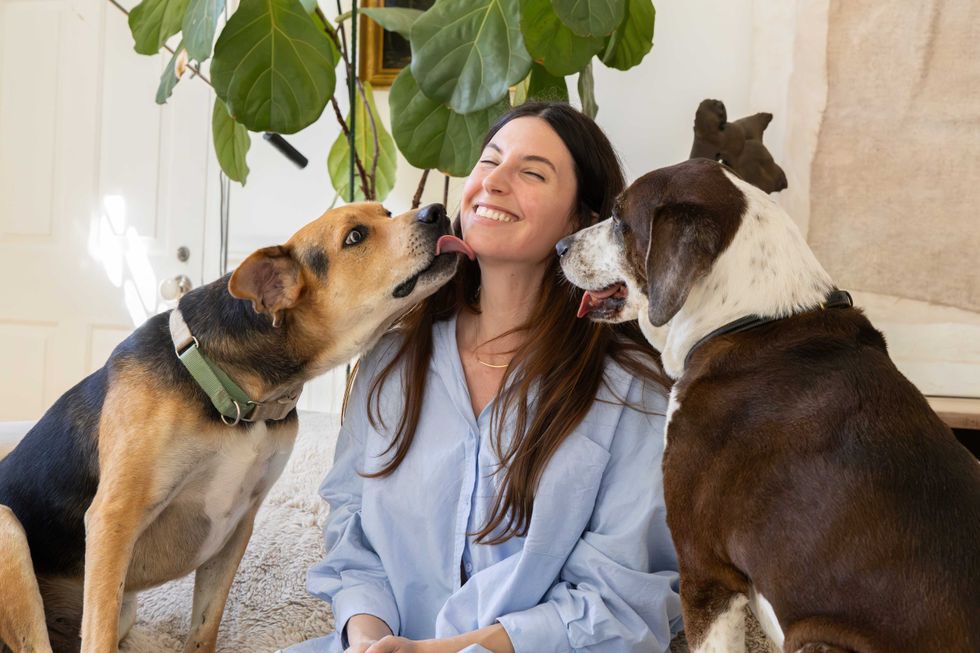 Stephanie Saetta,with her rescue dog George and Blue (left), a shepherd mix awaiting his forever home.Madi Long
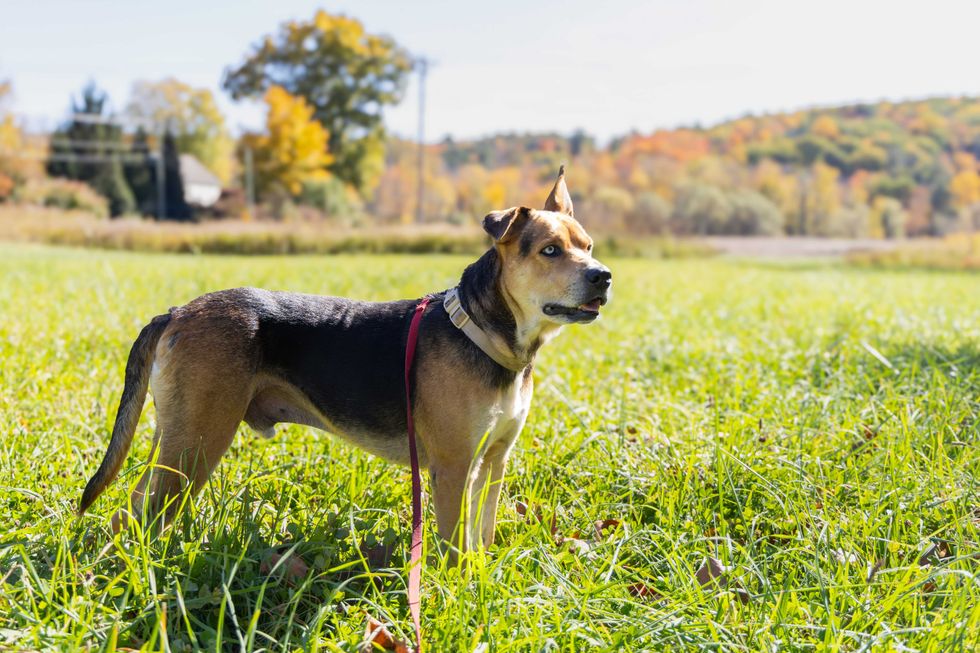 Blue, a 7 year-old Shepard mix, is waiting for his forever home. Madi Long