Thank you!
Your support is sustaining the future of local news in our communities.

Lonely Gloria Meets Weird Arnold — Then What?

Julianne Moore is radiant as Gloria, a complex, passive, passionate and lonely divorced mother of two grown children with an unfulfilling job in an insurance agency and a penchant for dancing in Los Angeles clubs. The film is a remake of a 2013 Spanish language film made by Sebastian Lelio written by Lelio and Gonzalo Maza. The new film also directed by Lelio attempts to Americanize the story.

Gloria is a puzzle; her still beautiful face is hidden by large plain glasses; she is lonely but brave enough to venture out alone to strange dance clubs for older middle-aged singles. Her still lithe body is showcased in bizarrely frumpy but revealing ‘70s style polyester wrap dresses. The movie unsettles. The pounding bass of an ever-present disco soundtrack provides background music for the hundreds of closeups on her stunning 59-year-old face as she drives — singing along flatly, but with purpose, to vaguely familiar oldie songs about woman power and love power.  

One night, while she is dancing with a handsome gray-haired stranger in a club, her eyes lock with an intense looking John Turturro who plays Arnold, a recently divorced man looking for love. Early in the film we know, this creepy, brooding guy sitting at the bar who can’t stop looking at her will be some kind of trouble. Yet, she pulls us along with her lonely, hopeful perplexing love for this unlikely guy who tells her he is madly in love with her. In spite of his earnest desire to “have a new life” with her — as it turns out Arnold, (who, in preparation for his new life, has recently lost a hundred pounds after gastric bypass surgery) has an incessantly calling, needy ex-wife and two pathetic, overweight 30ish daughters who can’t seem to manage without him. His ever buzzing cellphone becomes a third wheel in the couple’s courtship – in one of the film’s few light moments, Gloria throws the phone in his soup after a call from the wife and daughters ruins what should have been a romantic moment. 

Gloria seems to have lived in a vacuum  — it is hard to make out her life. Her job is so dull it defies belief, her relationships with her two children are distant but caring, she has a friend at work (in a tiny role for the talented German actress Barbara Sukowa) who inexplicably gets fired. Her mother looks upper middle class, but Gloria is of no discernable class. Her circle of friends appear artistic and bohemian  but she has no interest in that world. She lives alone except for a profoundly ugly hairless stray cat who won’t leave her alone. Her apartment is bland but not shabby, the landlord’s son lives upstairs and is only present through his endless moaning and shouting.  

Gloria has few activities, but they all tend towards the cliché­ —group laugh therapy and yoga. Arnold, the owner of a paintball/adventure park, brings her there to bungee jump and shoot paintball guns. At first, we think he is freeing her from the chains of her lonely existence, but we are being set up for the final triumphant revenge scene which makes the entire strange, sad, brooding film, worth the tedious wait. 


“Gloria Bell” is playing widely. 

Latest News

Doug Tallamy’s work in progress: saving the planet one backyard at a time

Windacre, a 25-acre property in Millerton will be the site of “Work in Progress,” an afternoon with acclaimed entomologist, New York Times bestselling author and Homegrown National Park co-founder Doug Tallamy.

Provided

For nearly three decades, Doug Tallamy, a professor at the University of Delaware and co-founder of Homegrown National Park, has studied the intricate relationships between native plants, insects, birds and the ecosystems that sustain them. His books, including “Bringing Nature Home” and “Nature’s Best Hope,” have helped shift the conversation about conservation from something that happens primarily in parks and preserves to something ordinary people can practice on the land around them.

On Sunday, Oct. 4, Tallamy will bring that conversation to Windacre in Millerton for “Work in Progress: Toward Native Fields,” an outdoor gathering exploring both the possibilities and the complications of restoring private land for biodiversity.

Keep ReadingShow less
Celebrating Dick Hermans’ life built around community

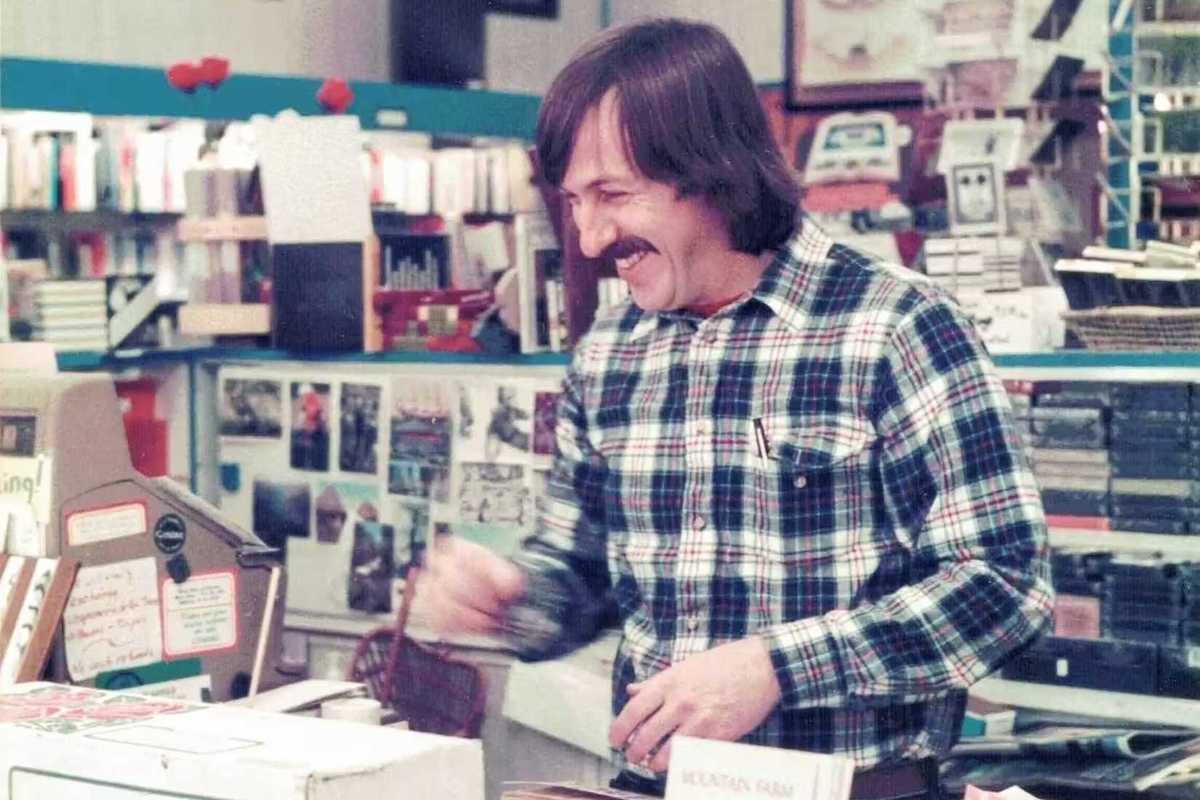
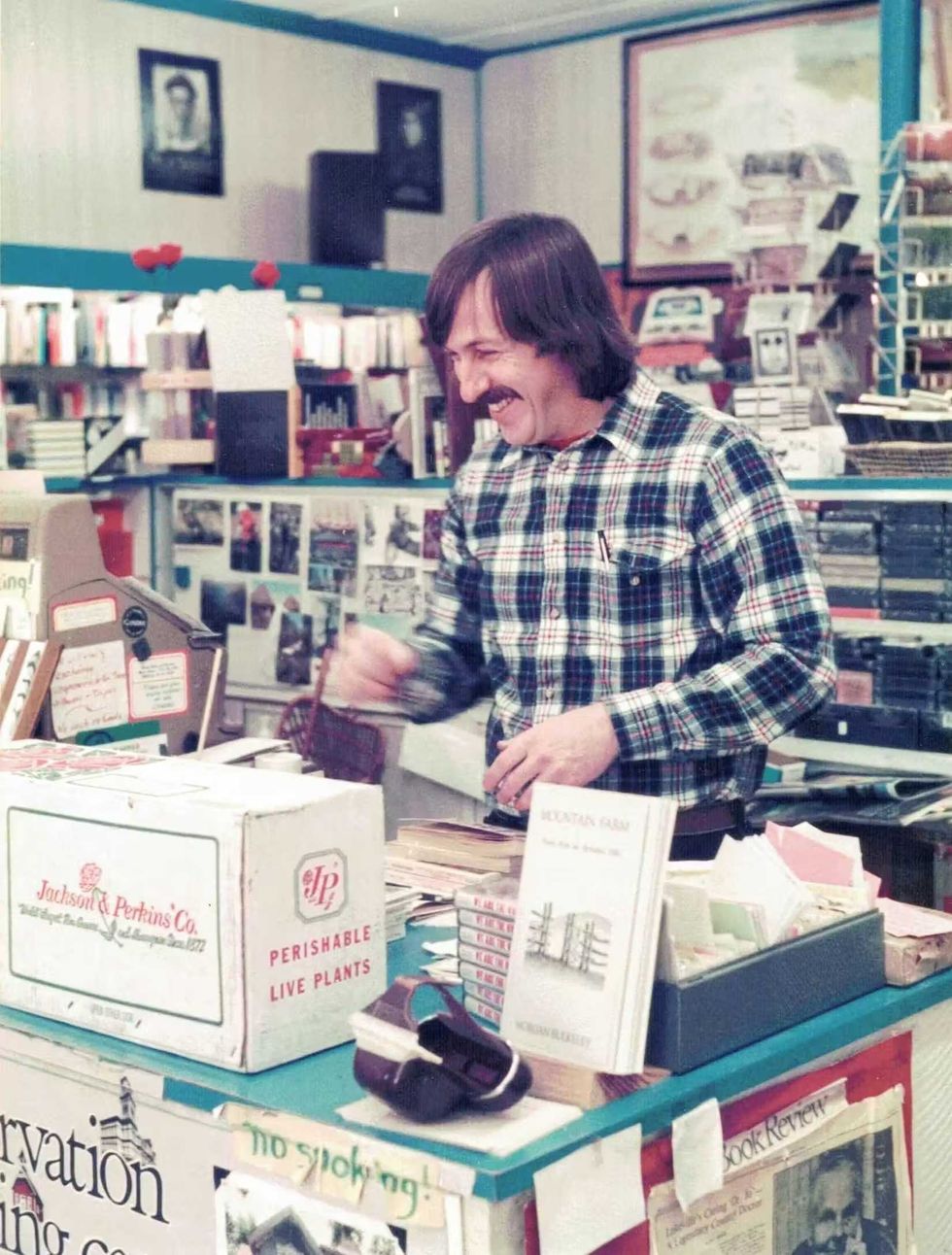
Dick Hermans in the Oblong Bookstore on Millerton\u2019s Main Street in 1985.

Provided
No matter what I’ve done, I’m trying to be useful to the communities I’m associated with.
— Dick Hermans

When Dick Hermans receives the Estabrook Community Leadership Award on Oct. 11, he will accept it for a lifetime of work that has taken many forms: bookseller, radio host, school board member, advocate for the Harlem Valley Rail Trail, business owner, volunteer and, perhaps most importantly, a person who has consistently looked for ways to be useful to the communities around him.

The Lakeville Journal and The Millerton News will present Hermans with the 2026 award at the annual Jubilee celebration at the Sharon Playhouse. The award honors outstanding leadership in community service and was inspired by Mary Lou and Robert Estabrook, former owners of the newspapers who believed that strengthening a community extended well beyond the work of publishing a newspaper.

Keep ReadingShow less
Tending the Fire: Homelands PowWow brings Mohican culture home to the Berkshires

Members of the Stockbridge-Munsee tribe at Homelands PowWow in 2025.

Joeseph Plante New Media Storytellers
Our goal is to continue building an annual gathering that honors the history, culture and traditions of the Stockbridge-Munsee Band of Mohicans in their original Homelands.


For the Stockbridge-Munsee Mohican people, the Berkshires are not simply a place to visit. They are ancestral homelands.

Keep ReadingShow less
google preferred source

Want more of our stories on Google? Click here to make us a Preferred Source.

Ancram Center’s “A Number” doubles questions of identity
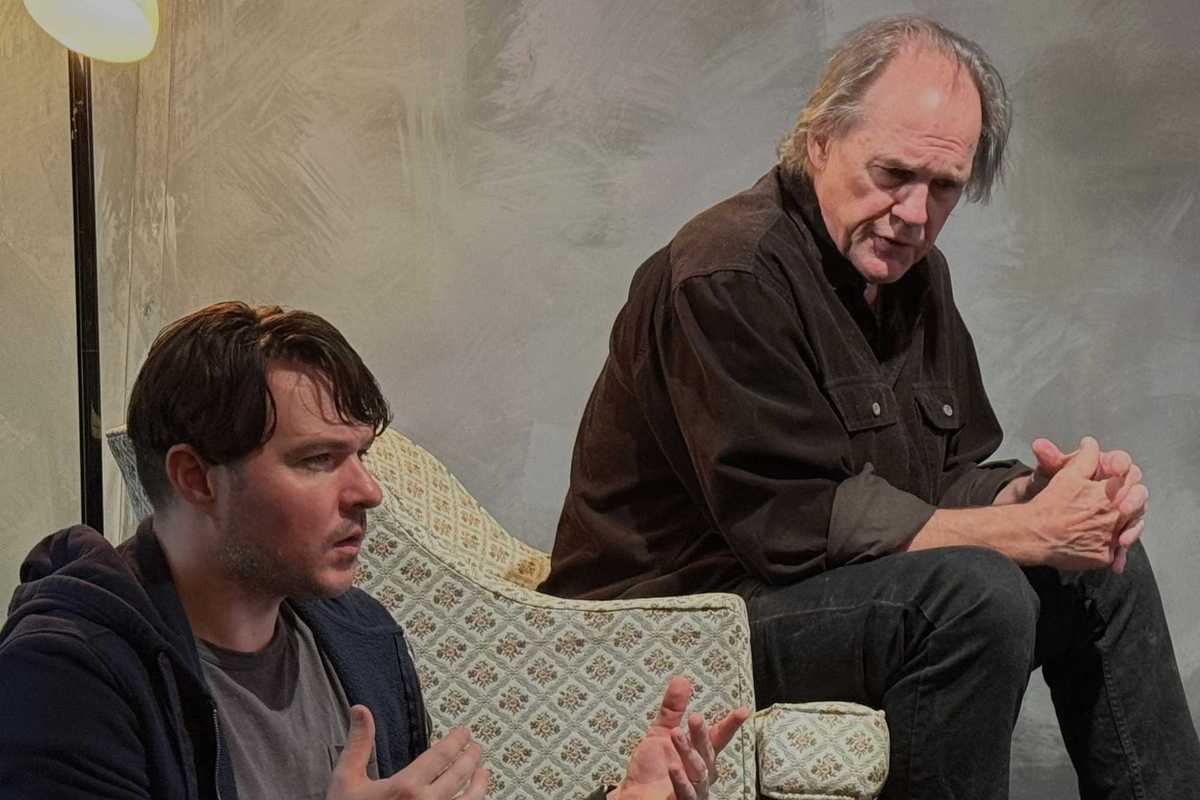
Ledbetter (left) and Wojda (right) on the set of “A Number” at Ancram Center for the Arts.
Jeff Mousseau

How would you feel if you found out you weren’t the only you — if there was an exact replica of you? What if you found out that you’d been cloned? Would you believe that you’re the real you? Would you suspect you might be a copy of the original? How could you be sure anything about your life was real? These are some of the questions posed in Caryl Churchill’s play “A Number,” opening at the Ancram Center for the Artson Oct. 1.

Churchill was born in London in 1938 and has been hailed by the theaterl world as one of the strongest voices of her time to take on sexual politics and feminist themes. Her works garner pointedly considered analysis from the highest levels of theatrical intellectualism. Basically, it’s about as far from “The Lion King” as you can get. While she’s experimented with dance theater in the past, “A Number” is much more stripped down, highlighting Churchill’s chosen themes and the skills of both actors on stage.

Keep ReadingShow less

Dispatches from the Farm

Dispatches from the Farm

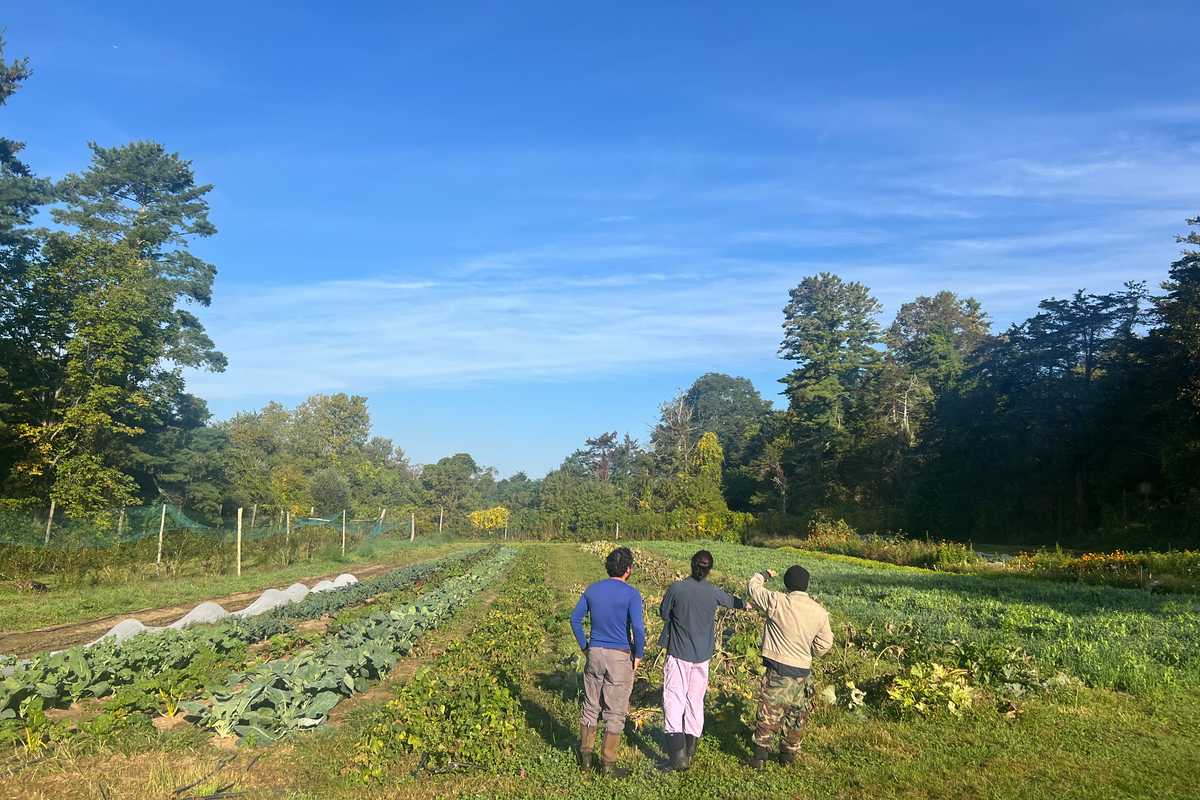
Adamah Farm crew members planning out the day’s tasks on a late September day.

Janna Siller

“Dispatches from the farm” is a new, periodic column offering a firsthand look at the rhythms, challenges and rewards of farming through the eyes of a local farmer.

The thing about plants is that they can’t get up and move. When a storm like last weekend’s nor’easter threatens to roll through, you can’t just round everybody up and settle them safely on the sofa for movie night.

Keep ReadingShow less
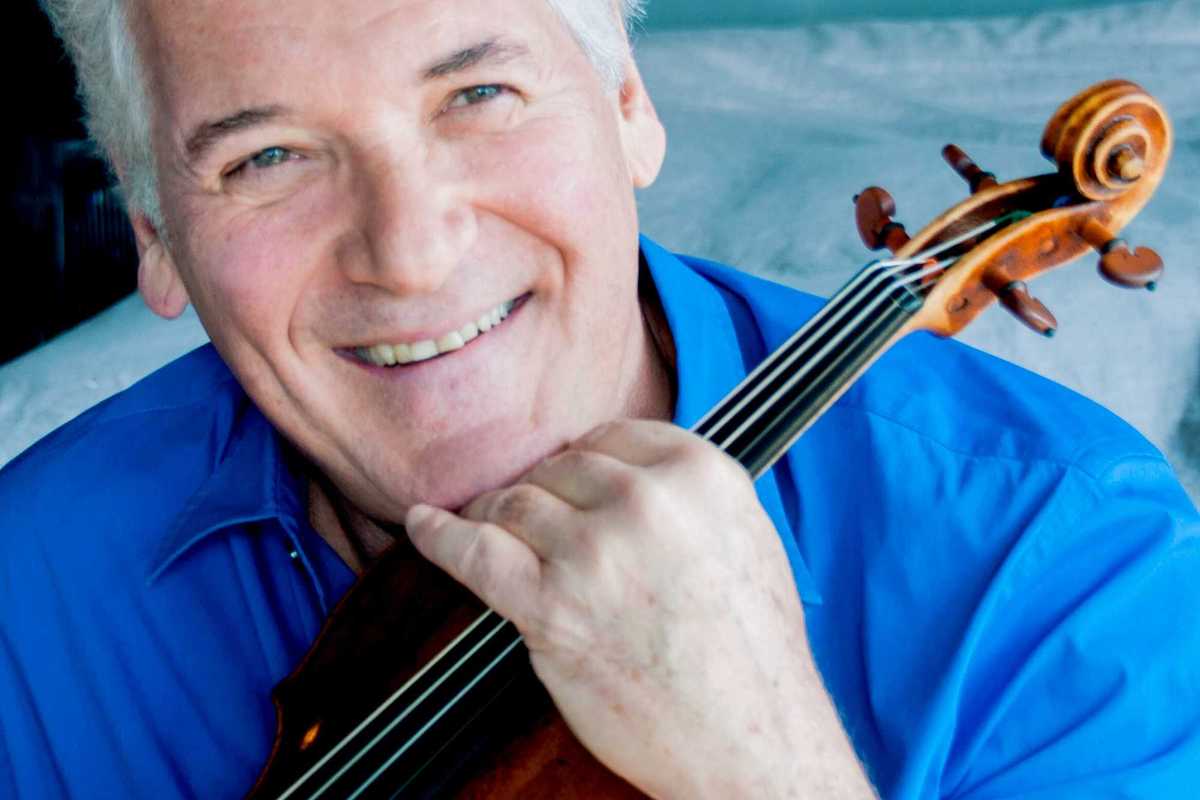
Pinchas Zukerman brings an all-Beethoven program to Hotchkiss

Pinchas Zukerman to perform at Hotchkiss Oct. 4

Cheryl Mazak

The passion, drama and energy of Beethoven will fill Katherine M. Elfers Hall at The Hotchkiss School on Oct. 4, when world-renowned violinist Pinchas Zukerman is joined by pianist Shai Wosner for a special recital.

The 4:30 p.m. program at the Esther Eastman Music Center will feature three of Beethoven’s celebrated violin sonatas: Violin Sonata No. 4 in A minor, Op. 23; Violin Sonata No. 5 in F major, Op. 24, “Spring”; and Violin Sonata No. 7 in C minor, Op. 30.

Keep ReadingShow less
google preferred source

Want more of our stories on Google? Click here to make us a Preferred Source.

google preferred source

Want more of our stories on Google? Click here to make us a Preferred Source.