Thank you!
Your support is sustaining the future of local news in our communities.

Malian blues and Moroccan Gnawa meet in Sheffield

Malian blues and Moroccan Gnawa meet in Sheffield

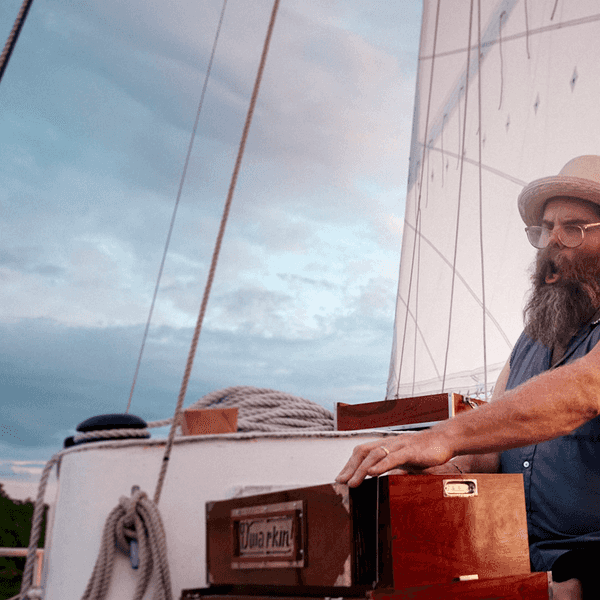
Vieux Farka Touré

Proivded

Desert winds rarely blow into the Berkshires, but on Nov. 5, they will carry the Malian blues and Moroccan Gnawa music to Race Brook Lodge.

That evening, Malian guitarist Vieux Farka Touré, often called “the Hendrix of the Sahara,” and Moroccan musician Samir LanGus will play at the lodge’s Event Barn in Sheffield, Massachusetts, at a benefit for the foundation Touré directs.

Touré was born in northern Mali in 1981. His father, the renowned guitarist Ali Farka Touré, came from a family of soldiers and wanted his son to join the army. The younger Touré studied drums and the calabash and practiced guitar in secret. He earned his father’s blessing to pursue music shortly before Ali died in 2006, and they played two tracks together on Vieux’s debut album.

Touré is known for his deft, polyrhythmic playing, and his songs grow out of riffs that repeat and layer to hypnotic effect. He draws on rock, blues, Latin music and various African traditions. This distinctive blend builds on his father’s work adapting the sonic traditions of Mali’s arid north to the guitar.

Vieux’s album “Mon Pays” (“My Country,” 2013) honored Mali’s culture after Tuareg separatists and extremist groups seized the north in 2012. “Samba” (2017) was recorded before about 50 listeners in Woodstock, New York. In 2022 came “Les Racines” (“The Roots”), a return to his father’s desert blues, and “Ali,” on which he and the trio Khruangbin reworked eight of the elder Touré’s songs.

Touré leads the Ali Farka Touré Foundation, which focuses on cultural and educational work in Mali. Around the anniversary of Ali’s death, it holds a festival in Bamako, Mali’s capital. Bamako has been under blockade for much of the past year, besieged by JNIM, an al-Qaeda affiliate. Against this backdrop, Touré continues to carry the music of Mali to audiences abroad.

At the Nov. 5 concert, Touré’s desert blues will share the bill with Gnawa, the music LanGus plays, which developed in Morocco among West Africans who were brought north across the desert as enslaved people. Gnawa is religious music traditionally performed at all-night healing ceremonies called lila, intended to carry participants into trance.
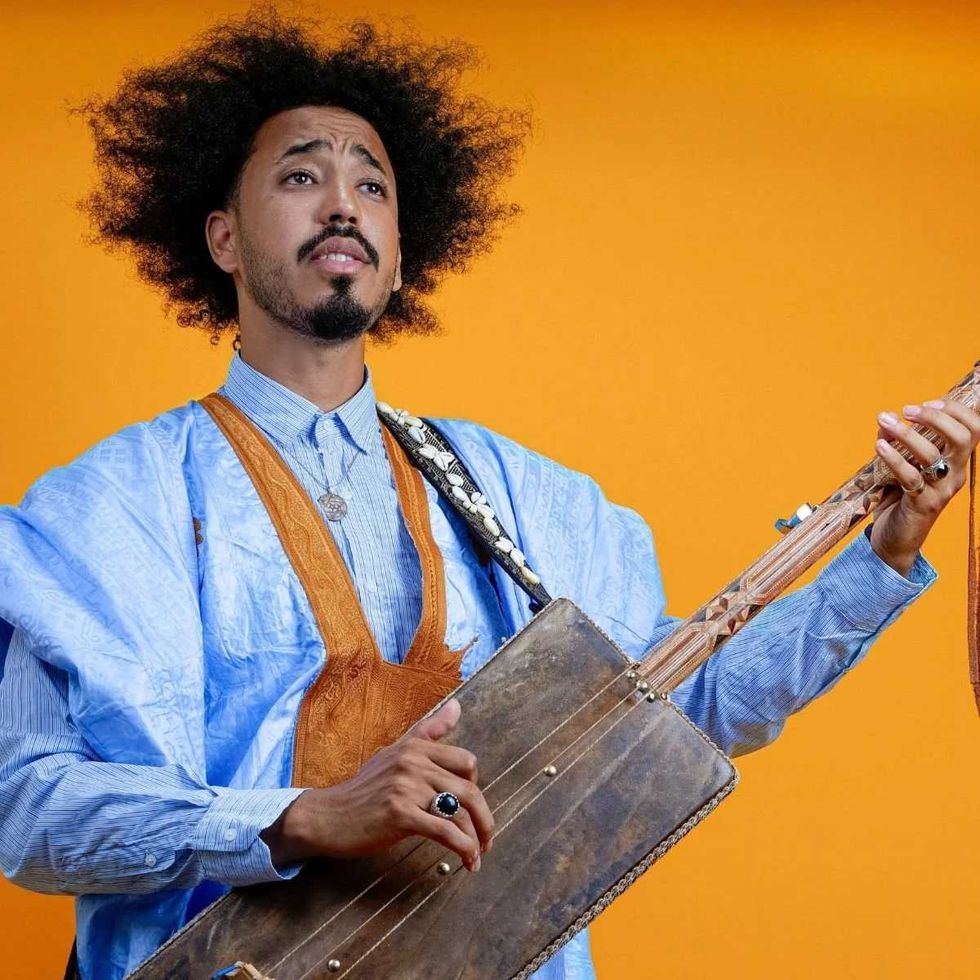
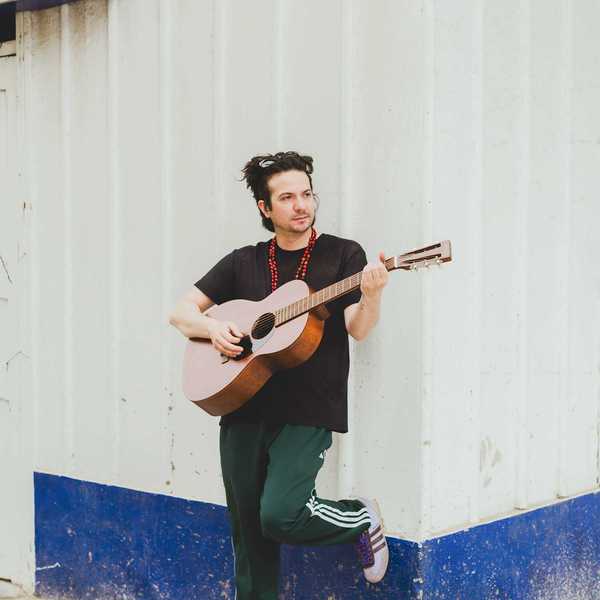
Samir LanGusProvided

LanGus was born and raised outside Agadir, Morocco, and began learning Gnawa from its masters at age 8. He plays the sintir, a three-stringed bass lute made of wood and camel skin. The player strikes a low string with the thumb to create a deep, resonant pulse. Iron castanets clatter over the sintir’s bass line, and vocalists trade call-and-response refrains.

LanGus infuses the tradition with jazz and improvisation. In New York, he founded the ensemble Innov Gnawa. His first solo album, “Gnawa Love,” came out in February.

Touré and LanGus’s Nov. 5 concert is one of the last public events at Race Brook Lodge, which is for sale and ended full-service operations at the end of 2025. The lodge’s final scheduled event, on Nov. 6, is an evening of Rumi’s poetry with translator and vocalist Haleh Liza Gafori, cellist Isabel Castellvi and ceremonial bard James Bird.

For tickets, visit rblodge.com.

James FitzGerald is a student at Yale Law School, where he focuses on ecological restoration and international environmental cooperation. He splits his time between Lakeville and New Haven.

Latest News

A life reshaped by clay in “Matin”

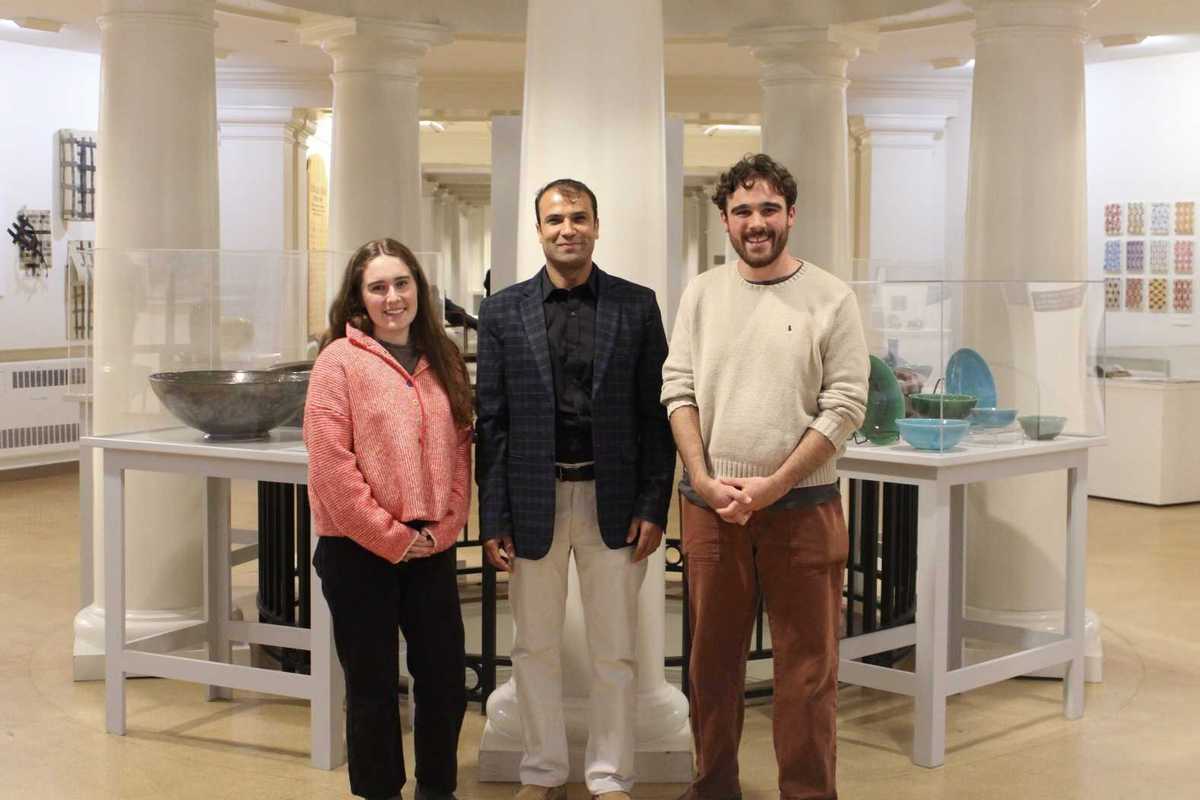
Left to right: Hannah Wheeler, Matin Malikzada and Yonah Sadeh.

D.H. Callahan

On Monday, Oct. 26, a group of students, teachers and local residents gathered at the Hotchkiss School in Lakeville for a screening of the new short documentary “Matin.” The film tells the story of Matin Malikzada, a seventh-generation Afghani potter making a new life in New Milford, Connecticut. The film was made by local filmmaker Yonah Sadeh, creator of the Video Wall at the David M. Hunt Library, and Berkshires-based potter Hannah Wheeler, who were both present for the screening, along with Malikzada himself.

As a member of the seventh generation of his family to master the art of pottery, Malikzada had done things the way his family had for over a century. Istalif, the village where his family has lived for generations, was known throughout Afghanistan for its pottery, with wares sent across the country for use as everyday cups, bowls, plates and other vessels. The pottery-making families of Istalif gathered clay from the same mountain, about 30 to 45 minutes away by donkey. Every July, they would head north toward the Uzbekistan border to gather ishkar, a plant they processed by hand to make their signature glazes.

Keep ReadingShow less
Meg Sher finds her calling among the stacks

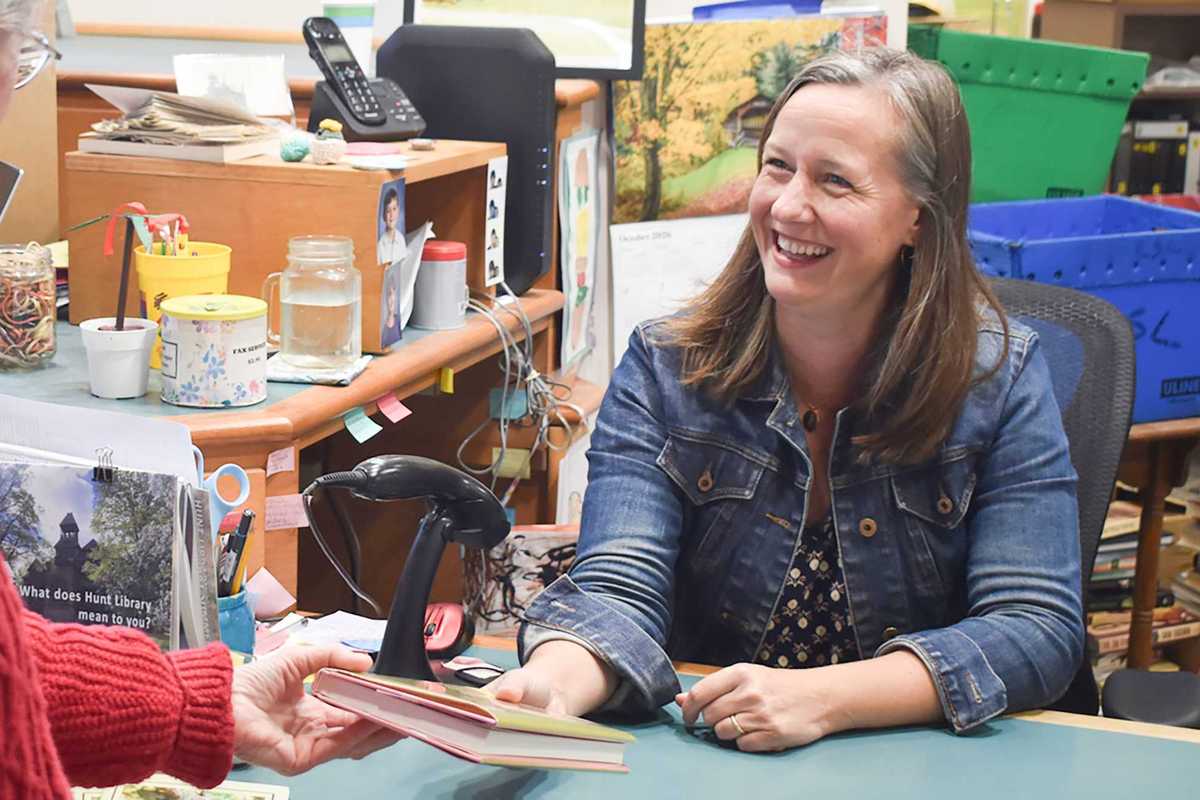
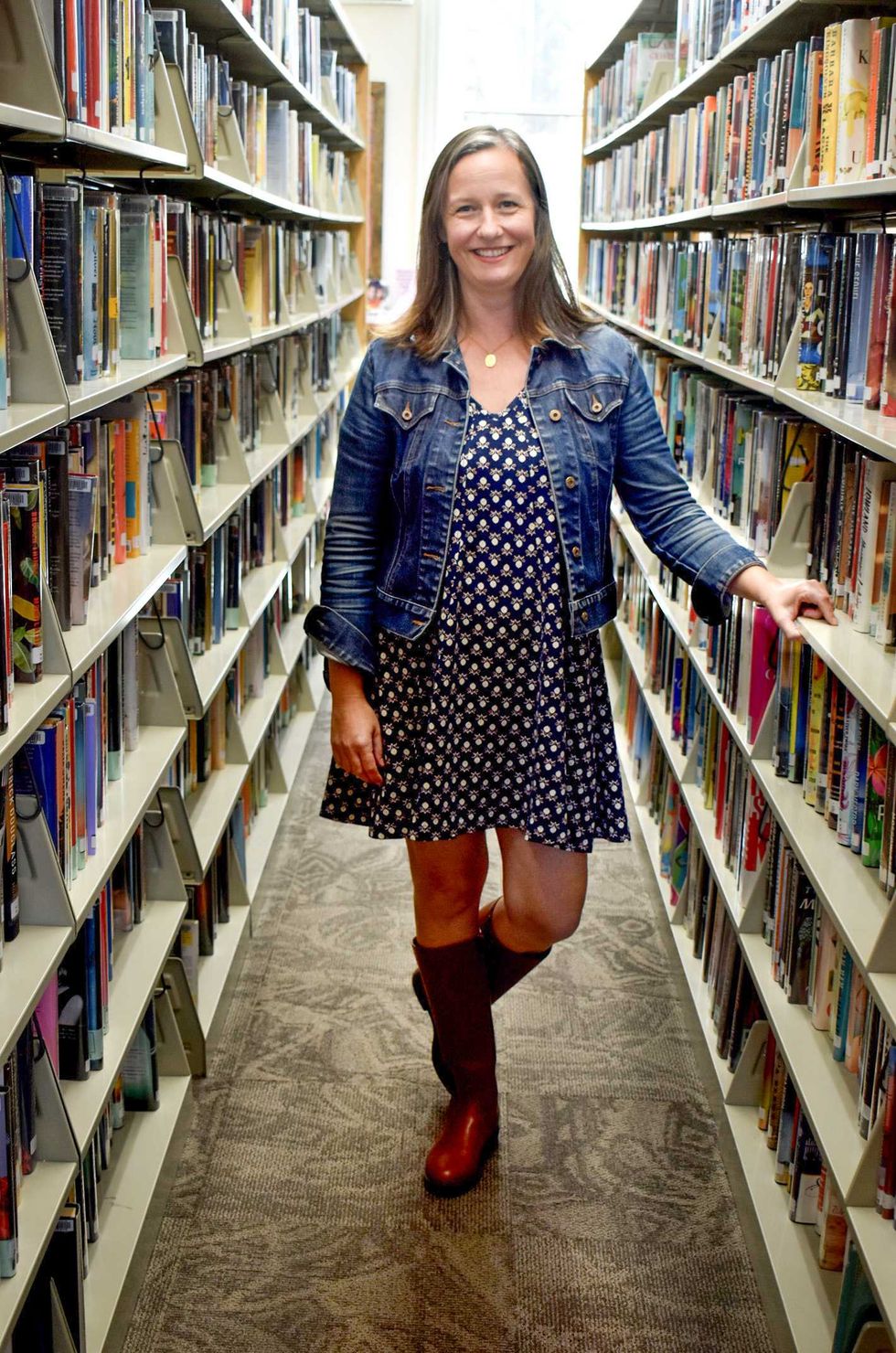
Meg Sher, executive director of the David M. Hunt Library in Falls Village.

L. Tomaino

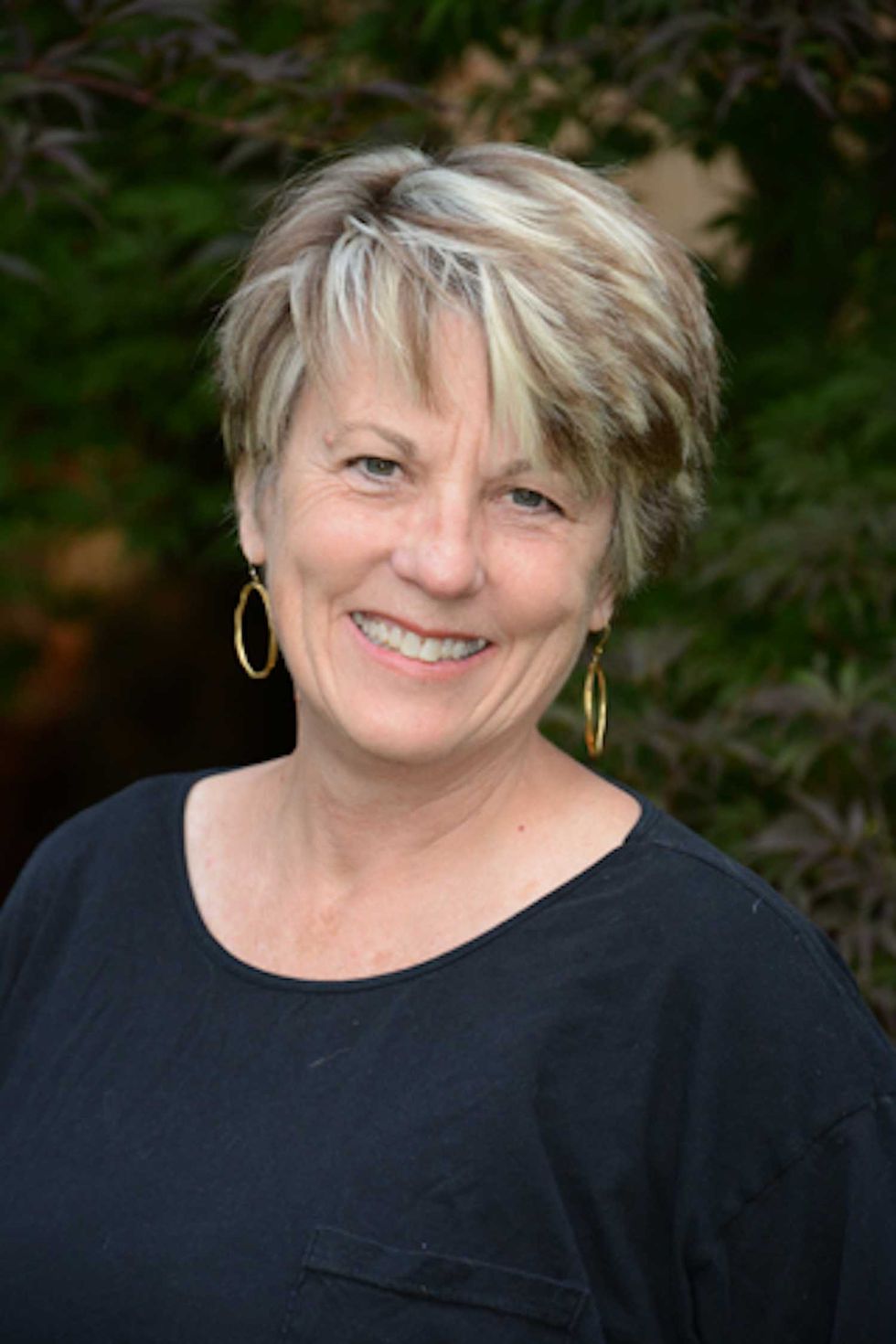
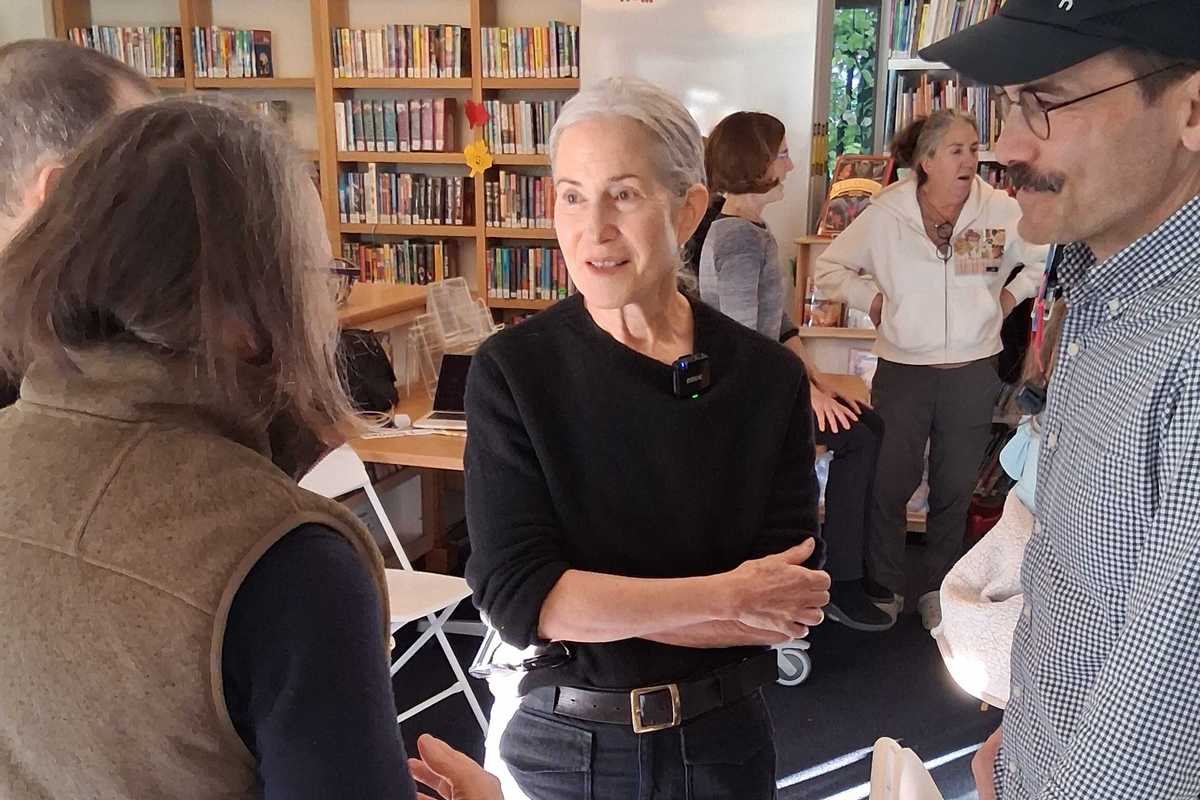
When Meg Sher came to Falls Village in 2006 from Old Lyme, Connecticut, where she grew up, she never imagined she’d someday be the executive director of the David M. Hunt Library.

Although, in hindsight, perhaps it makes sense.

Keep ReadingShow less

A feast of cookbooks in Wassaic

A feast of cookbooks in Wassaic

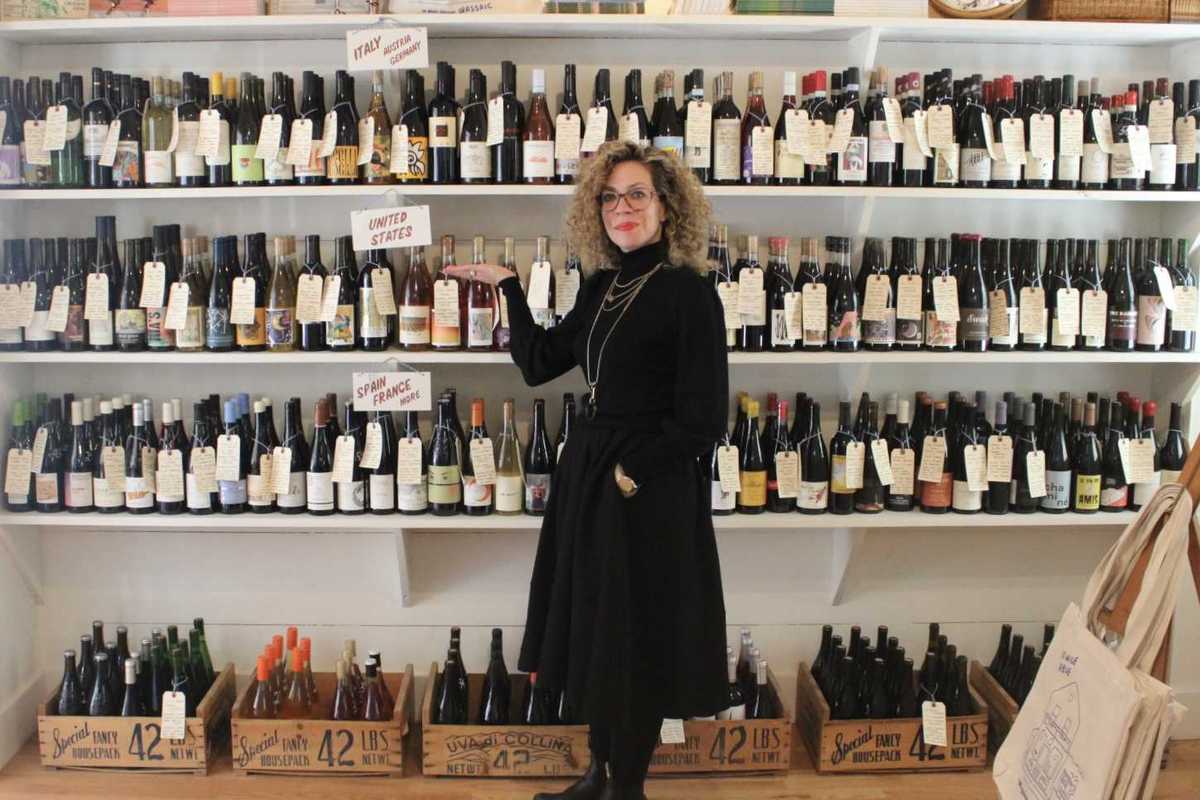
Erika DaSilva at Ten Mile Table.

D.H. Callahan

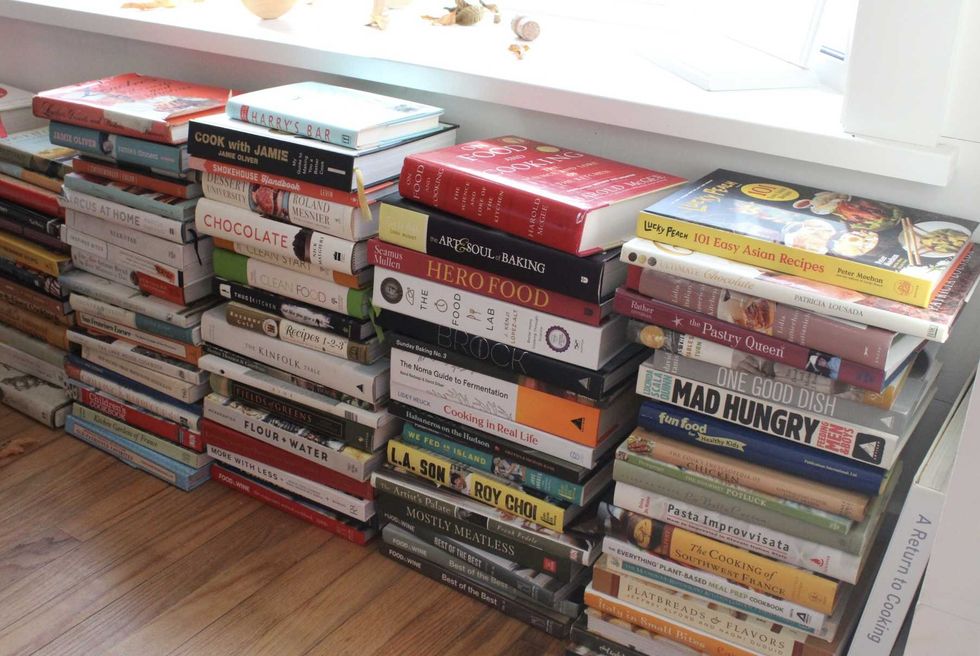
On Nov. 7, Ten Mile Table, the independent wine and spirits shop in the hamlet of Wassaic, will host its first Cookbook Fest and Swap. Erika DaSilva, the shop’s owner, is a big fan of cookbooks. While most people will flip to a recipe that piques their interest, she reads them cover to cover like novels. She’s already published two volumes of her community-based cookbook, “The Corner Table,” featuring recipes and writings from cooks and foodies all hailing from Wassaic and the surrounding towns. For DaSilva, community is half the reason for the event.

Spend any amount of time at Ten Mile Table, located in Wassaic’s old candy shop, and one thing will becomes obvious: Community comes first. DaSilva stops to talk with local residents as they pass by her open door, asking about health updates or letting them know she has something they requested back in stock. It shouldn’t come as a surprise that, as publisher of the hyperlocal newspaper the Hamlet Gazette, DaSilva knows more or less everything about everybody in town. But despite having all that knowledge, she doesn’t treat it like gossip. She holds it with care until the story is ready to be told — or kept forever as a secret.

Keep ReadingShow less
google preferred source

Want more of our stories on Google? Click here to make us a Preferred Source.

Ancram Play Lab explores the wars that follow soldiers home

Ancram Play Lab explores the wars that follow soldiers home
Composer and lyricistStephanie Salzman
Provided

In 2020, the Ancram Center for the Arts launched Play Lab in response to the challenges facing live theater during the COVID-19 pandemic. It continues today as a thriving residency program where artists develop original work and experiment with new forms of performance. Community connection is central to the Play Lab mission, with audiences invited to share in the creative process through interactive workshops, open rehearsals, discussions and more.

The next Play Lab work-in-progress presentation, “Be Safe, I Love You,” is a new musical theater piece based on Cara Hoffman’s acclaimed 2014 novel. It follows Iraq war veteran Lauren Clay as she returns home to Watertown, New York, where post-traumatic stress disorder (PTSD) drives her to protect her family from an enemy only she can see. It is a story about class, loyalty and the wars that follow soldiers home.

Keep ReadingShow less

The case for leaving the leaves

The case for leaving the leaves
Dee Salomon, aka “The Ungardener,” at The Scoville Memorial Library.
Patrick L. Sullivan

Dee Salomon, the “Ungardener,” whose advice appears regularly in Compass, told a packed house at the Scoville Memorial Library on Sunday, Oct. 25, what to do in the garden before the ground freezes and what can wait until next year.

Salomon emphasized the importance of creating and maintaining diverse ecosystems. She said that, from a human perspective, paying attention to biodiversity has practical benefits.

Keep ReadingShow less
Stissing Center hosts the Pine Plains Festival of Shorts

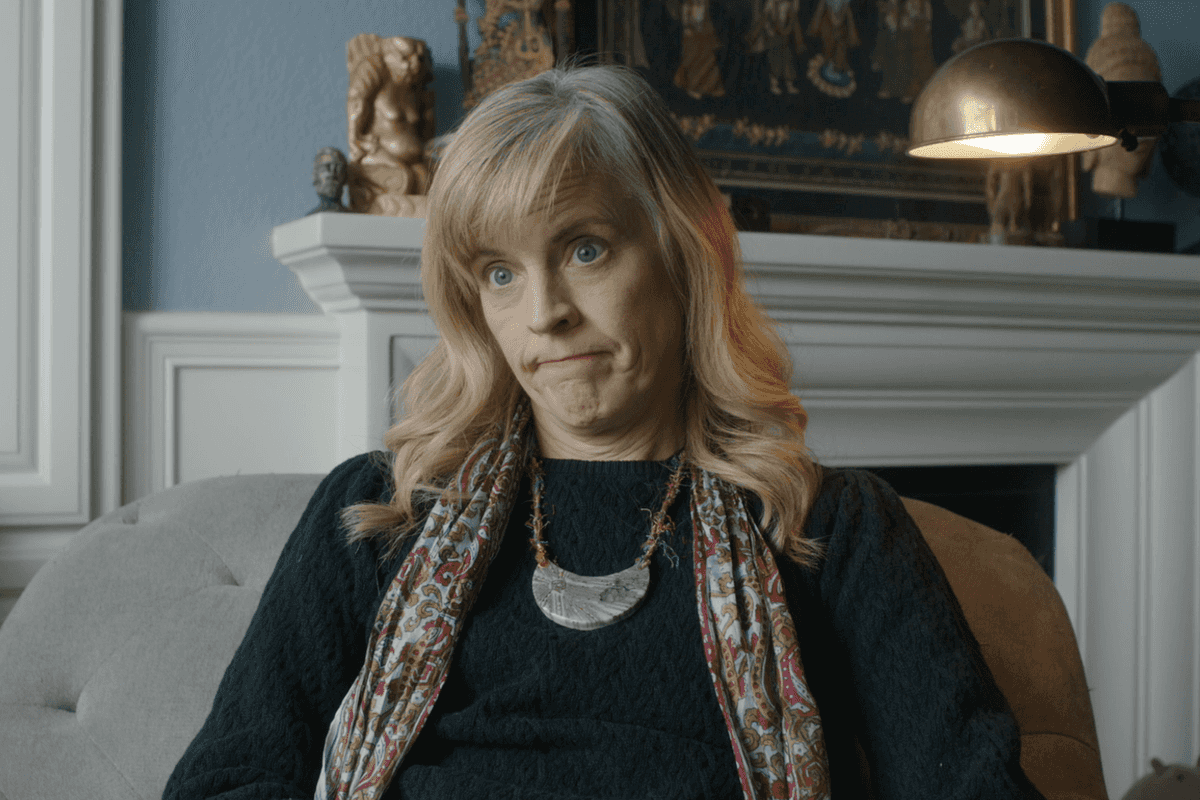
Comedian Maria Bamford plays a therapist in

“Too Many Buddhas” at Pine Plains Festival of Shorts.

Provided

For 15 years, Rhinebeck has welcomed Sinterklaas, a Dutch tradition celebrating community and togetherness with giant puppets, elaborate costumes and whimsical holiday cheer. Created by artistic visionary Jeanne Fleming, the event brings light to winter’s darkness.

This year, however, Sinterklaas is on hold as Fleming faces new financial challenges. SUNY New Paltz filmmakers documented what may be the Hudson Valley’s final celebration, at least for now. Their film screens Nov. 1 at Stissing Center as one of seven shorts in the Pine Plains Festival of Short Films.

Keep ReadingShow less
google preferred source

Want more of our stories on Google? Click here to make us a Preferred Source.

google preferred source

Want more of our stories on Google? Click here to make us a Preferred Source.