About one third of the families in our community are potentially at risk of losing almost everything they have if they should experience a significant financial upset in their lives.
A recent report commissioned by the Foundation for Community Health estimates that one out of three households in northeastern Dutchess County, southeastern Columbia County and northern Litchfield County has an income that is equal to three times the Federal Poverty Level, or $41,070 per year for a family of two and $61,950 for a family of four.
Most of these families are not eligible for financial or health insurance assistance from the state and yet they are the least likely to be able to afford private insurance.
The Foundation for Community Health hosted a legislative forum on the availability and affordability of prescription drugs in its Tri-County service area in New York and Connecticut. The information presented at the meeting was based on the facts and data collected through the Foundation’s Prescription Assistance Fund and two reports commissioned by the Foundation.
The personal presentations by the administrators and clients of the Prescription Assistance Fund put a human face to the data that was reported.
It reminded everyone present that the statistics and information are about real people in ordinary day-to-day situations trying to live in our community.
One client, a retired registered nurse, and another, a former factory worker, had both experienced difficulty paying for prescriptions due to unforeseen circumstances in their lives and had “made do†by skipping or alternating their medications for chronic illnesses prior to receiving assistance from the foundation’s fund.
The forum was held on June 27 at the Silo Ridge County Club in Amenia and was attended by legislators, town officials and administrators of the foundation’s Prescription Assistance Fund from both New York and Connecticut.
The David and Hanna Grossman reports were released that day, as were personal reports and stories from the Prescription Assistance Fund administrators and clients.
The foundation’s executive director, Nancy Heaton, explained the foundation’s intention to become a source for information and action on health-related issues for our rural area and profiled some of the findings in the Grossman reports. The foundation’s chairman, Dr. John Charde, urged further communication and work on this issue.
The Grossman reports provided an image of the local condition for accessing prescriptions that included identifying some of the Prescription Assistance Fund clients as being just over income eligibility for Medicaid, but not earning enough to be able to comfortably pay for their own health coverage or prescriptions — even though many of them suffer from chronic conditions such as hypertension, diabetes or elevated cholesterol.
On the other hand, the reports also discovered a number of individuals who are potentially eligible for Medicare Part D, Medicaid, ConnPace in Connecticut or EPIC in New York and other assistance programs and yet they are not enrolled in these programs.
David and Hanna Grossman conducted the study pro bono as a service to the foundation and their community. Before retiring to our area, Hanna worked as an analyst for the New York City and State Departments of Social Services and David was most recently the president of The Nova Institute, a nonprofit consulting organization, and prior to that he was the director of the budget for New York City.
The Prescription Assistance Fund is intended to assist individuals and families pay for their prescription costs. Priority is given to those with the most significant needs and under certain conditions. If eligible, the funding requests are capped at $250 per month, per person.
Applicants can apply at the appropriate office depending on their residence. For help with prescriptions in northeastern Dutchess County in New York, call 845-877-9272; in southeastern Columbia County, call 518-822-8820; Connecticut residents in northern Litchfield County should contact their town’s social service representative.
The Foundation for Community Health was established to maintain and improve the physical and mental health of the residents living in its service area. One of the goals of the foundation is to become a resource on rural health issues and models of rural healthcare delivery systems. Commissioning the Grossman report and hosting the legislative forum is part of this ongoing effort to develop and share its expertise.
The complete Grossman report can be viewed at the foundation’s Web site at fchealth.org.
Gertrude O’Sullivan is the program and communications officer for the Foundation for Community Health, 106B Upper Main St., Sharon, CT 06069.


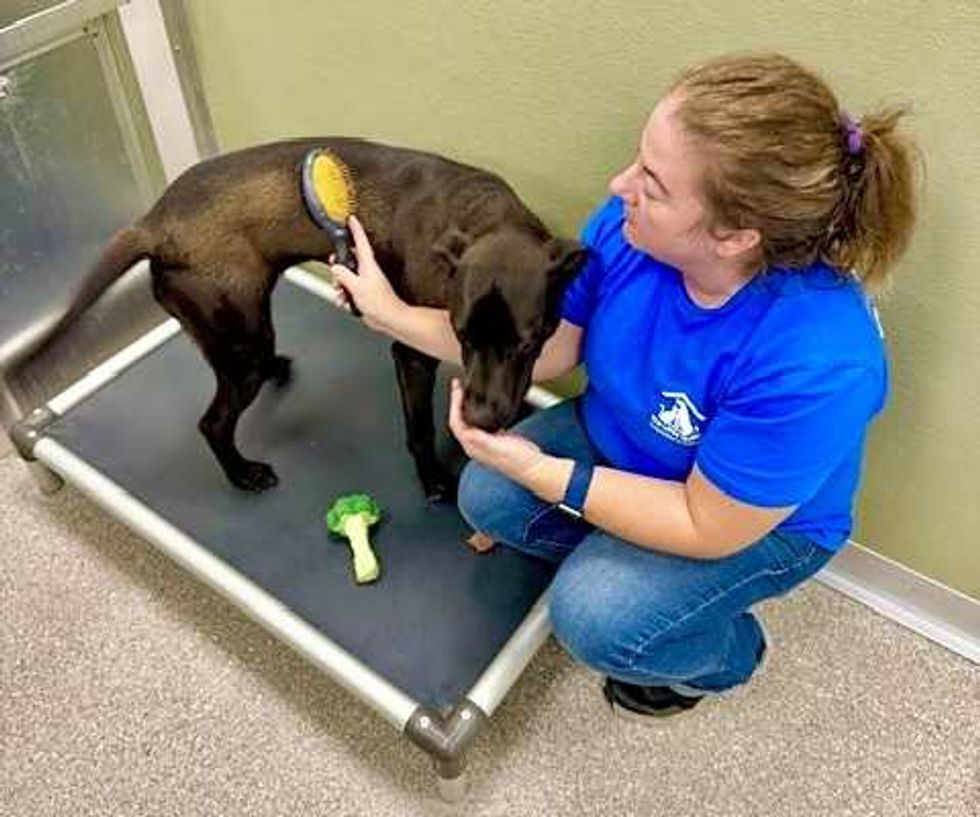 Tiffany Lemelin, shelter manager, brushing Marsala upon arrival.Provided
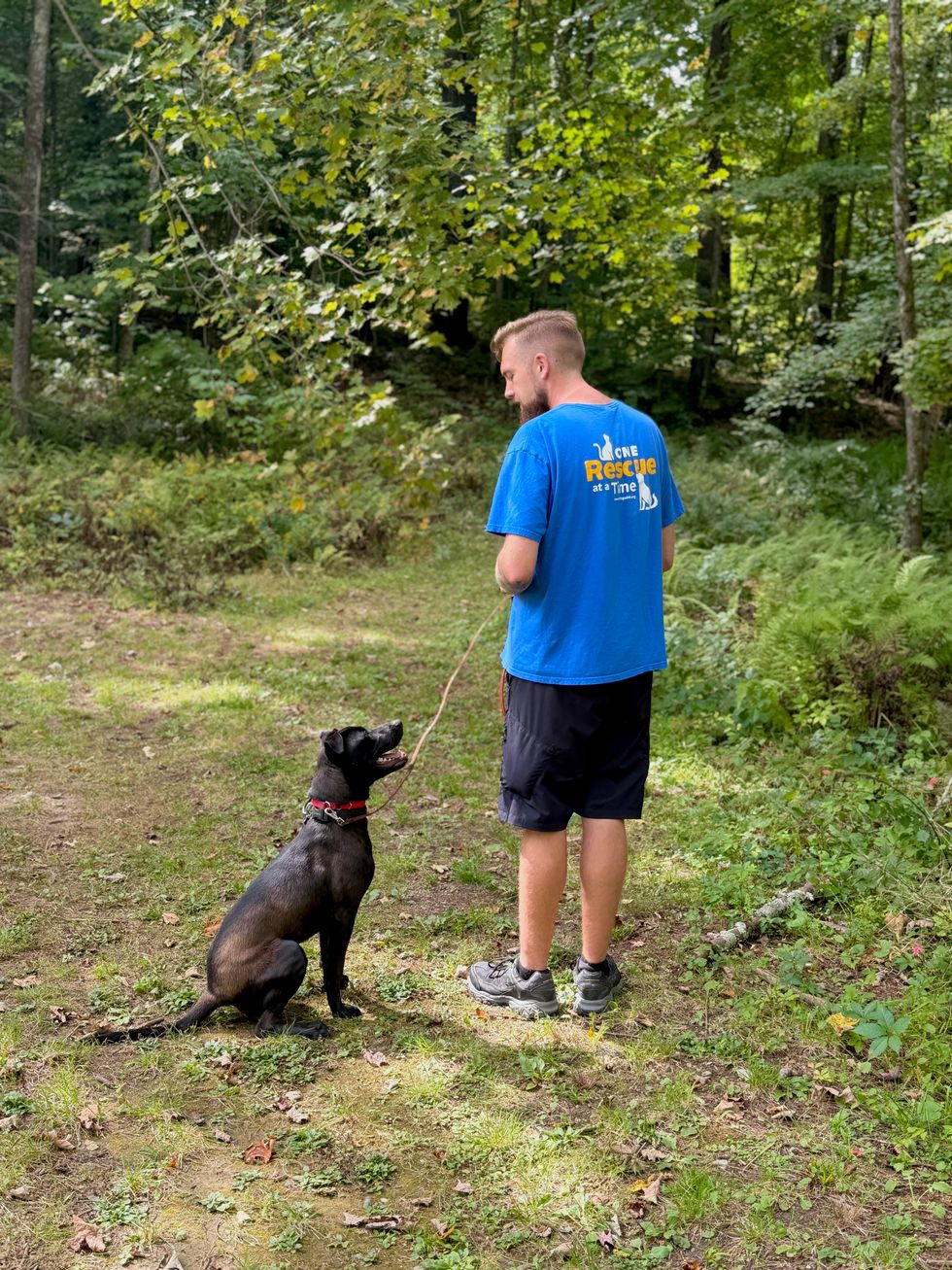 Michael DeBarba, certified dog trainer working with Marsala.Jennifer Almquist
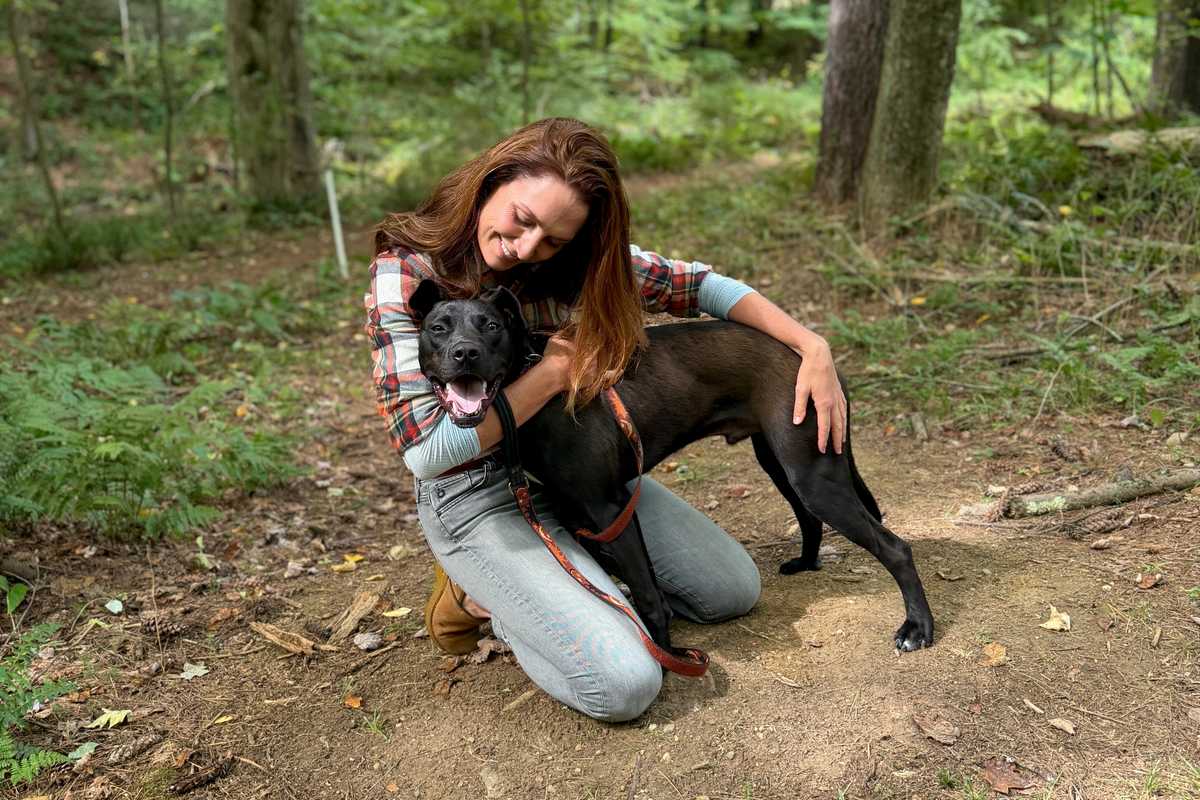 Marsala wins a heart.Jennifer Almquist

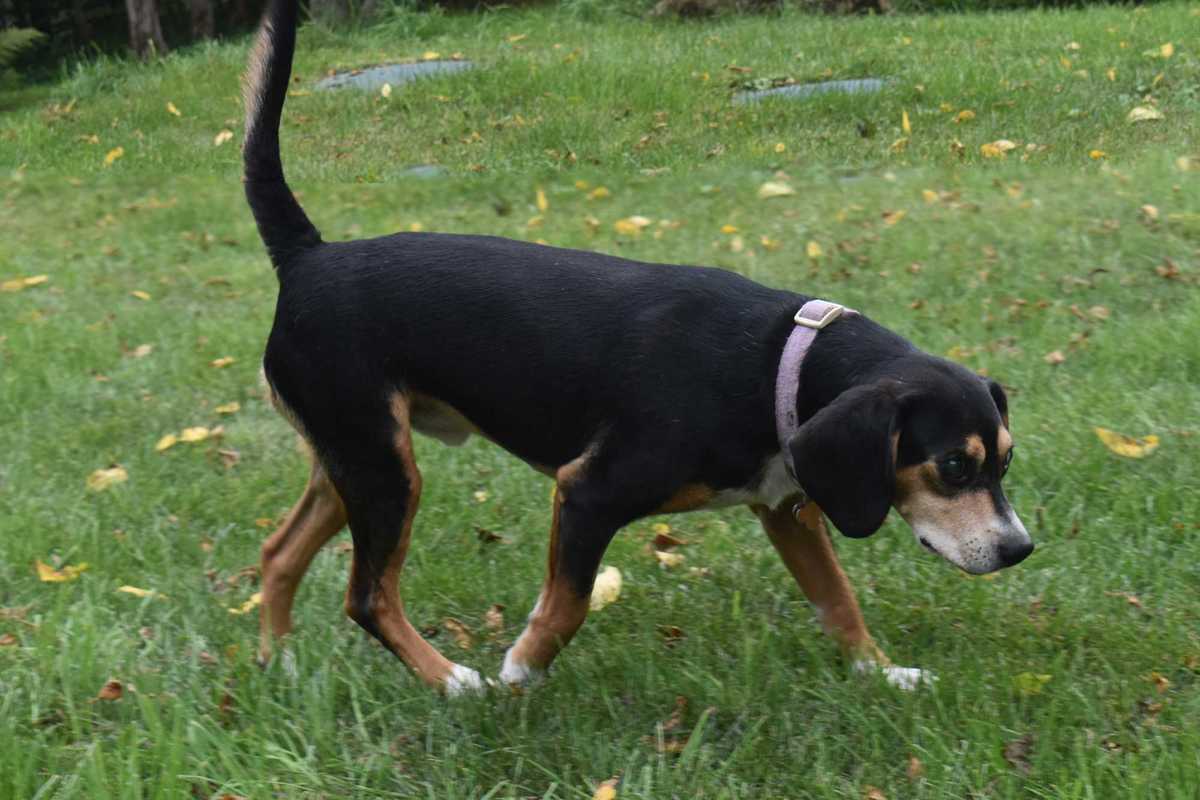
 Sadie, center, a Carolina dog, plays with her friend Negra, a terrier mix. Bella Linda, the small poodle, has since been adopted.L. Tomaino
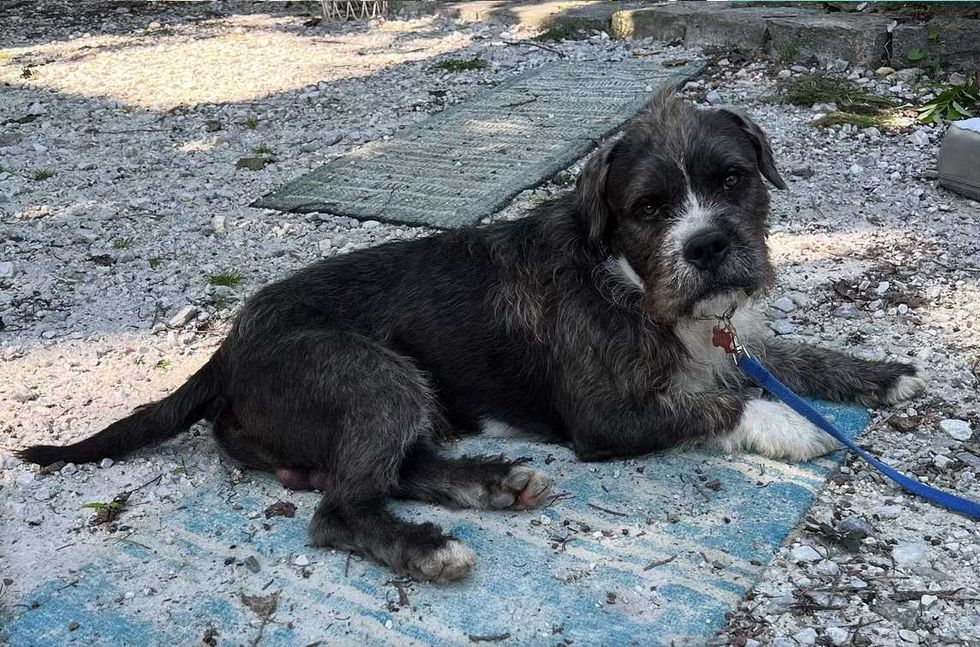 Wesley, a young, exuberant mix, is looking for an active home.L. Tomaino
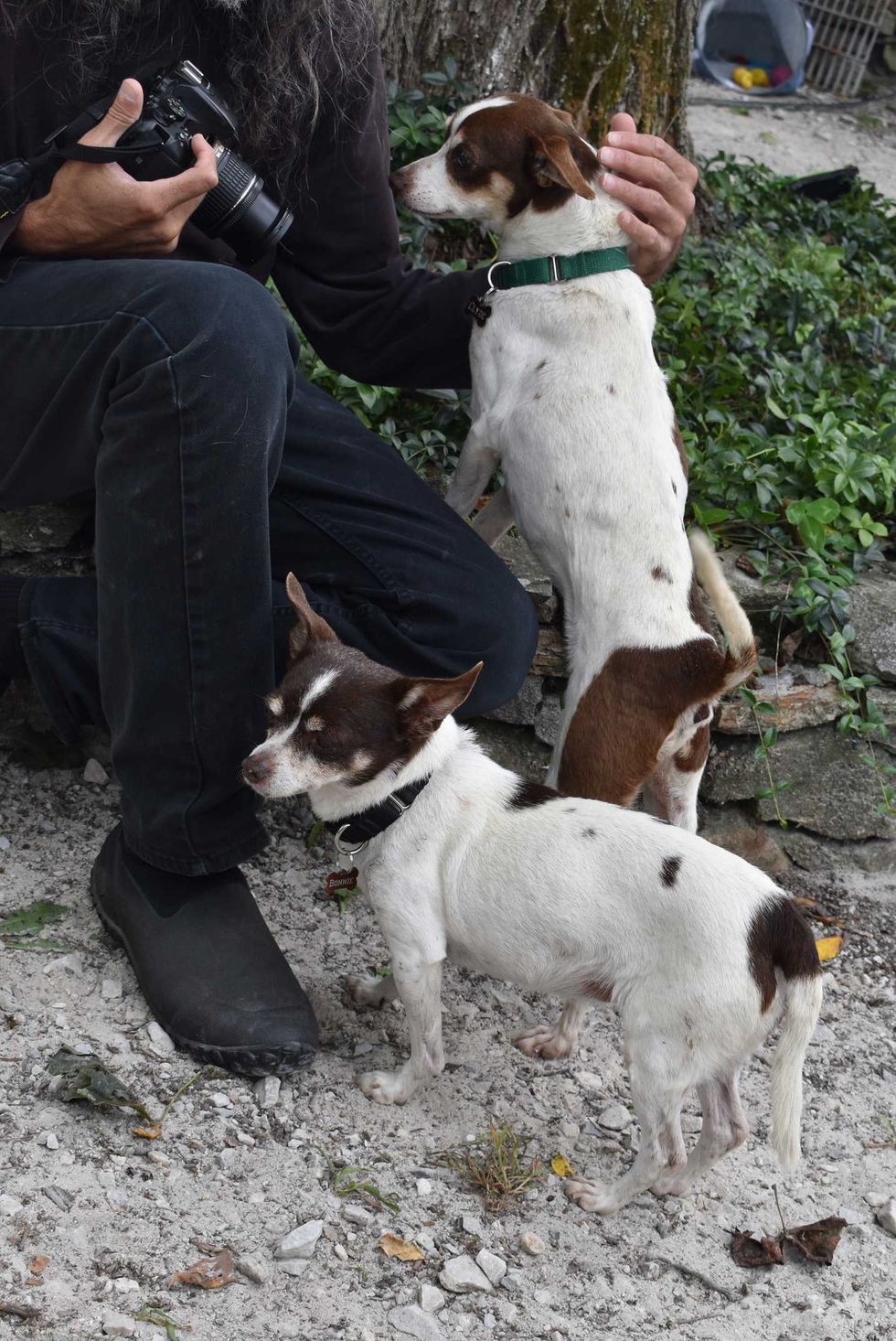 Bonnie and Clyde, an affectionate terrier pair.L. Tomaino

 Provided