Meeting House tour recounts history, need for repairs

CORNWALL — “Can you ring the bell?”The request came up during an impromptu presentation at a June 9 celebration of the 186-year-old North Cornwall Meeting House. There was a pause, and the crowd prepared itself for disappointment, expecting to hear a reason why it couldn’t be done. After all, the open house tour had its basis in the need for continued repairs to the historic church. “Well, of course,” answered Bob Potter, a member of the Friends of the North Cornwall Meeting House.Soon after, the church bell was pealing, adding its lovely notes to the beautiful sunny day. The bell rope, which coils on the floor of the narthex, ascended and descended with each peal, and was ridden into the air by squealing children. It was at that moment that people really connected with the church and its past, and perhaps really understood why the Friends of the Meeting House will make every effort to preserve it.It was a testament to the inherent soundness of a building that is the last evidence of what was a town center. Visitors had already been amazed by the grandeur that was achieved in the days before heavy construction equipment. They heard about the soaring chestnut columns lining the sanctuary that are solid and part of the building’s structural support, as opposed to hollow and decorative. They tried to imagine Potter’s description of a very different interior, with a balcony on four sides, a floor that sloped like a theater’s, a dizzyingly high pulpit and pews that face backward to shame latecomers. No one knows how the elaborate “wedding cake” steeple was raised, back in 1826. Recently, it was removed in “layers” for repair — by crane, of course. But that it comes apart in complete sections doesn’t necessarily mean it was built that way.Friends member Jim Longwell said that during a steeple repair, workers found two silver half dollars; they had been pounded into the wood, presumably for luck when the steeple was first erected.The meeting house was built to accommodate a split Congregational church. Some of the materials came from the original home of the Second Congregational Church at the foot of Town Street. Potter said those old timbers are readily visible and are interspersed with others in the steeple that are not quite as old. Some in the crowd said they live in town but don’t happen by the remote church often, and forget it’s there. Although serenely bucolic now, this area was at one time part of a village center. A whimsical map, drawn by artist and Cornwall resident Tim Prentice, offers a surprising look at what was there in the 1800s. Directly across Town Street from the church were a store and the Adelphic Institute, a boys’ boarding school established in 1847 and moved to New Milford in 1860 by founder Ambrose Rogers.Farther down the road was a post office, the T. Ives Library, a stockade, a smithy and Cornwall Center.Down Cogswell Road there was a school — Cornwall had as many as 17 districts — and another smithy. On the outskirts, a dirt road to the Parmalees’ home was known as Pest House Road. Around 1777, the family died from small pox. The town bought the house for a pest house, or fever shed, used to isolate people with infectious diseases.These days, the remaining old buildings are private homes. The UCC gained ownership of the meeting house in 1988, when the First and Second Congregational churches recombined. The meeting house is used regularly by the Chapel of All Saints (Episcopal), for summer worship by the UCC congregation and as a venue for secular programs and weddings. The only thing diminishing its popularity in the latter respect is its typical meeting house design of three rows of pews and two aisles, rather than a center aisle.The Friends’ mission statement is: “The goal of the Friends of the North Cornwall Meeting House is to help determine and accomplish the actions necessary to maintain and fully utilize this significant and historic building for the benefit of the entire Cornwall community.”They plan to launch a capital campaign soon, likely looking for a bit more than the $13,000 raised for the 1926 project. But that work was extensive, marked by a dramatic interior renovation. It would have cost about $300,000 today.Ten years later, a loud crack and jolt during worship sent the congregation running. Supports beneath the floor had to be shored up. Today, the floor is “soft” in spots; they can be felt through the worn, deep-green velveteen carpeting installed in 1926. In June 2009, a sagging beam over the rear balcony was noticed, and the church was closed by the building official. By September, $15,000 had been raised and a transverse support installed. Last year, steel posts were installed on the basement to replace rotted wooden ones, and the dirt floor sealed.The steeple is most obviously in need of repair. It remains structurally sound, but finishing work was done without any sort of backing. The clapboard siding around the base is all there is, and it allows water to seep in and find its way to the sanctuary ceiling.More information can be found at www.preservethenorthcornwallmeetinghouse.org.

Latest News

Living art takes center stage in the Berkshires

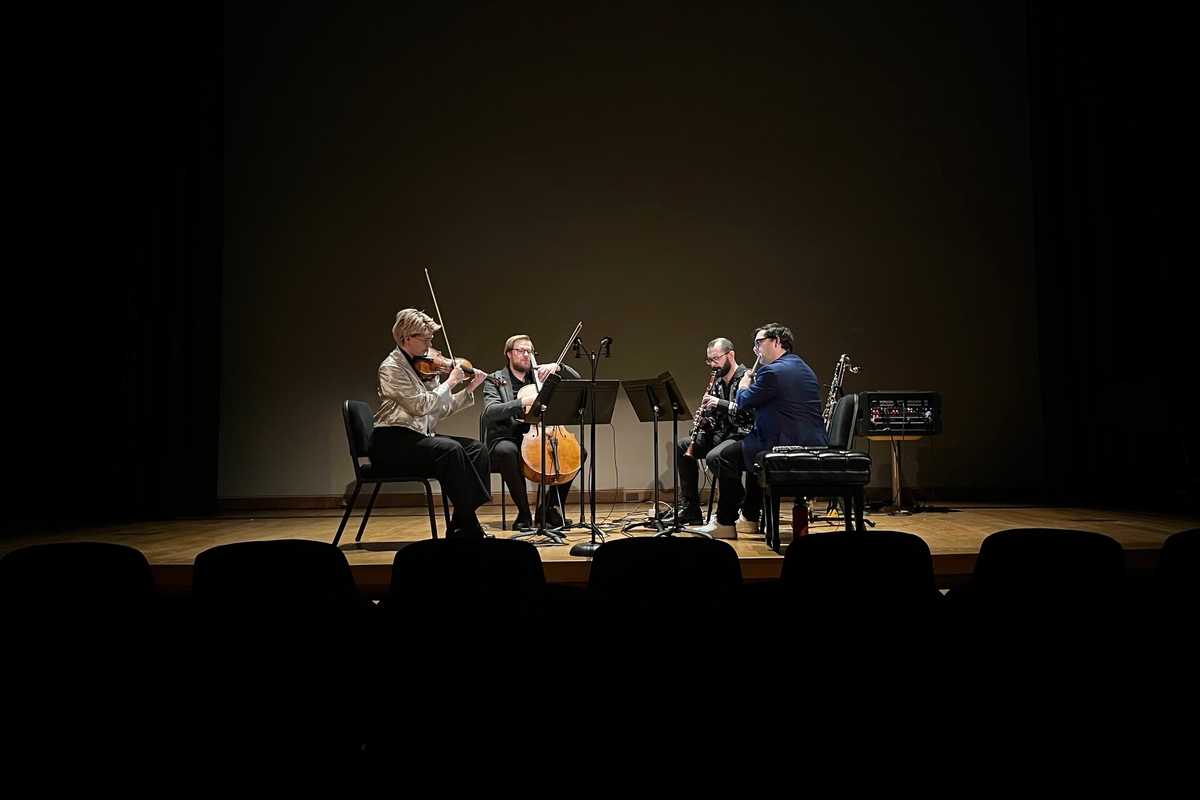
Contemporary chamber musicians, HUB, performing at The Clark.

D.H. Callahan

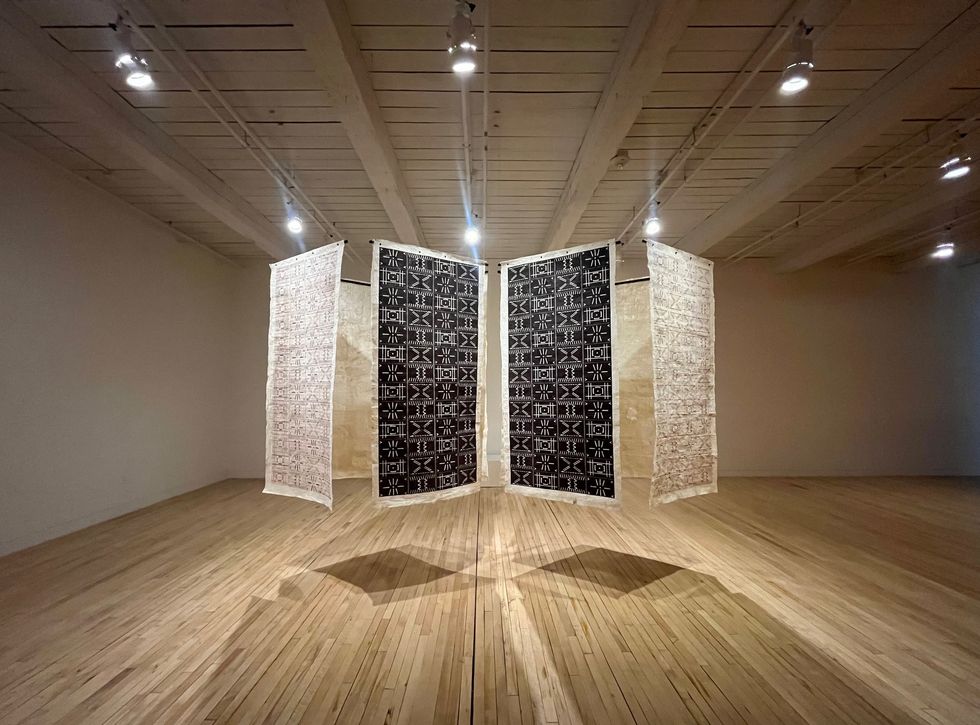
Northwestern Massachusetts may sometimes feel remote, but last weekend it felt like the center of the contemporary art world.

Within 15 miles of each other, MASS MoCA in North Adams and the Clark Art Institute in Williamstown showcased not only their renowned historic collections, but an impressive range of living artists pushing boundaries in technology, identity and sound.

Keep ReadingShow less
Persistently amplifying women’s voices

Francesca Donner, founder and editor of The Persistent. Subscribe at thepersistent.com.

Aly Morrissey

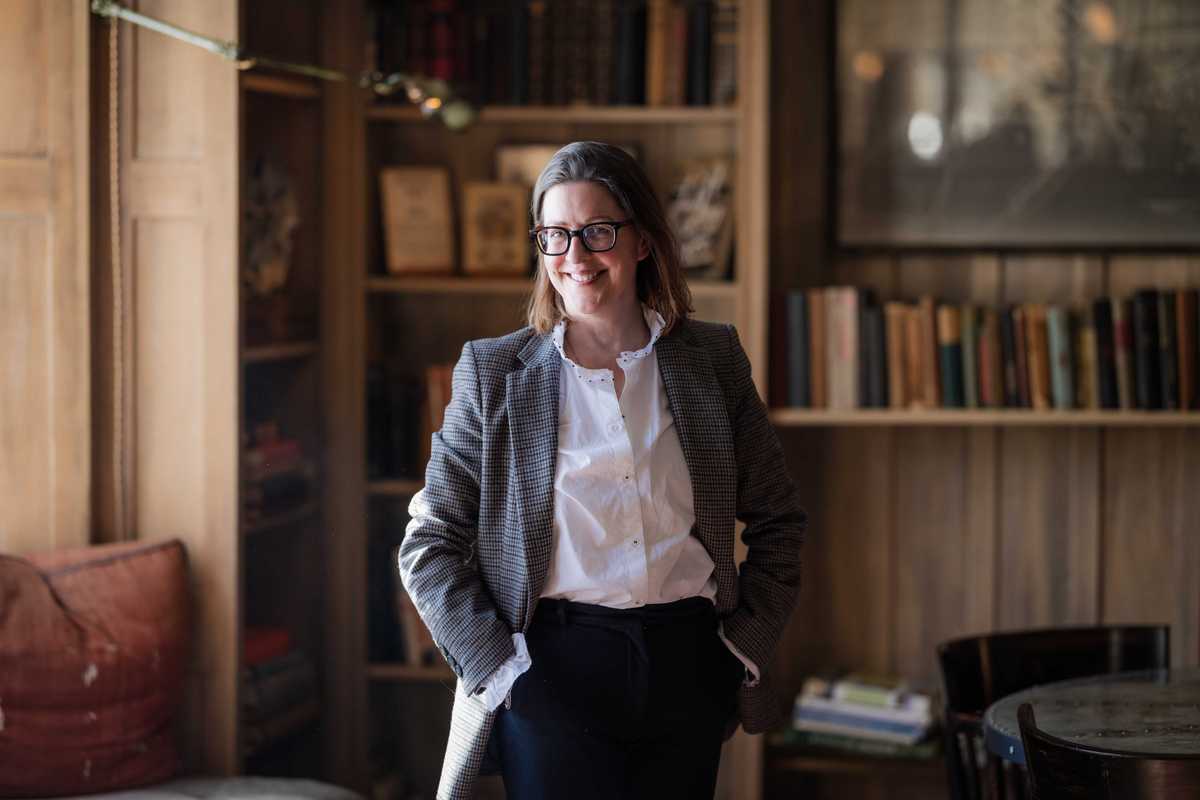
Francesca Donner pours a cup of tea in the cozy library of Troutbeck’s Manor House in Amenia, likely a habit she picked up during her formative years in the United Kingdom. Flanked by old books and a roaring fire, Donner feels at home in the quiet room, where she spends much of her time working as founder, editor and CEO of The Persistent, a journalism platform created to amplify women’s voices.

Although her parents are American and she spent her earliest years in New York City and Litchfield County — even attending Washington Montessori School as a preschooler — Donner moved to England at around five years old and completed most of her education there. Her accent still bears the imprint of what she describes as a traditional English schooling.

Keep ReadingShow less
Jarrett Porter on the enduring power of Schubert’s ‘Winterreise’
Baritone Jarrett Porter to perform Schubert’s “Winterreise”
Tim Gersten

On March 7, Berkshire Opera Festival will bring “Winterreise” to Studio E at Tanglewood’s Linde Center for Music and Learning, with baritone Jarrett Porter and BOF Artistic Director and pianist Brian Garman performing Franz Schubert’s haunting 24-song setting of poems by Wilhelm Müller.

A rejected lover. A frozen landscape. A mind unraveling in real time. Nearly 200 years after its premiere, “Winterreise” remains unnervingly current in its psychological portrait of isolation, heartbreak and existential drift.

Keep ReadingShow less
google preferred source

Want more of our stories on Google? Click here to make us a Preferred Source.
A grand finale for Crescendo’s 22nd season

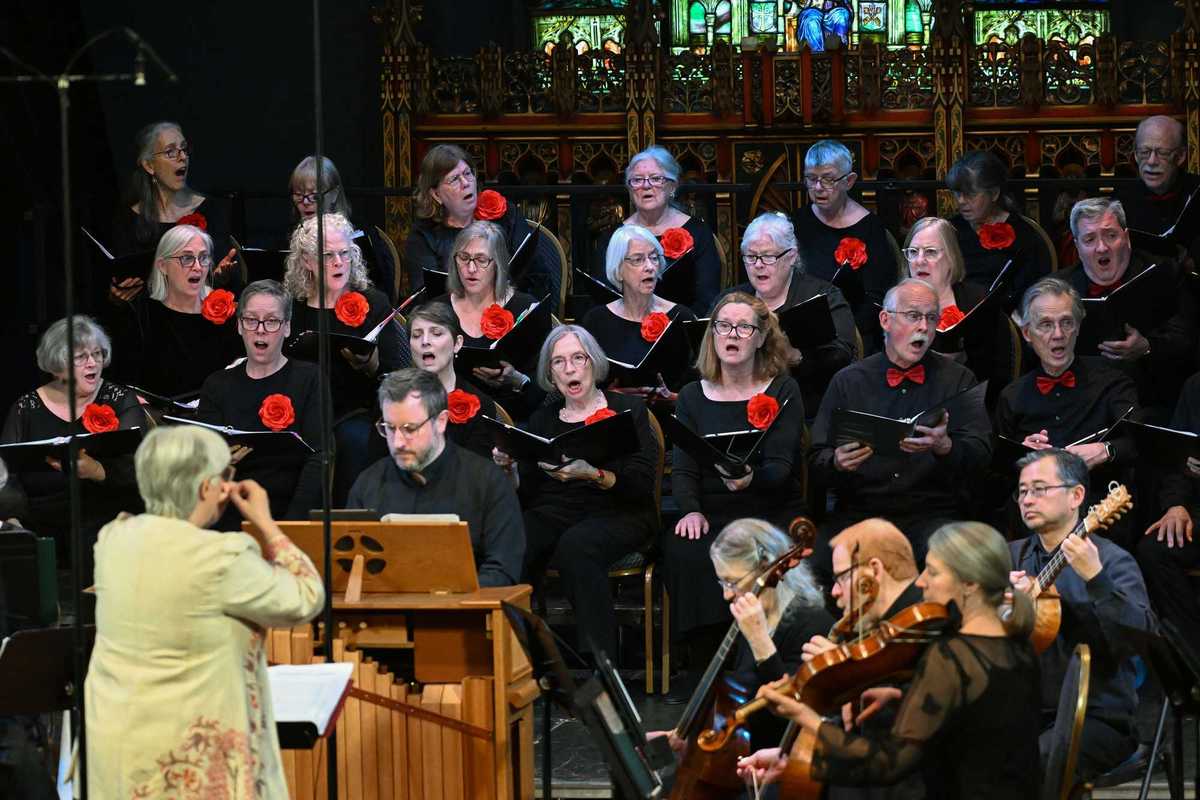
Christine Gevert, artistic director, brings together international and local musicians for a season of rare works.

Stephen Potter

Crescendo, the Lakeville-based nonprofit specializing in early and rarely performed classical music, will close its 22nd season with a slate of spring concerts featuring international performers, local musicians and works by pioneering composers from the Baroque era to the 20th century.

Christine Gevert, the organization’s artistic director, has gathered international vocal and instrumental talent, blending it with local voices to provide Berkshire audiences with rare musical treats.

Keep ReadingShow less

Leopold Week honors land and legacy

Leopold Week honors land and legacy

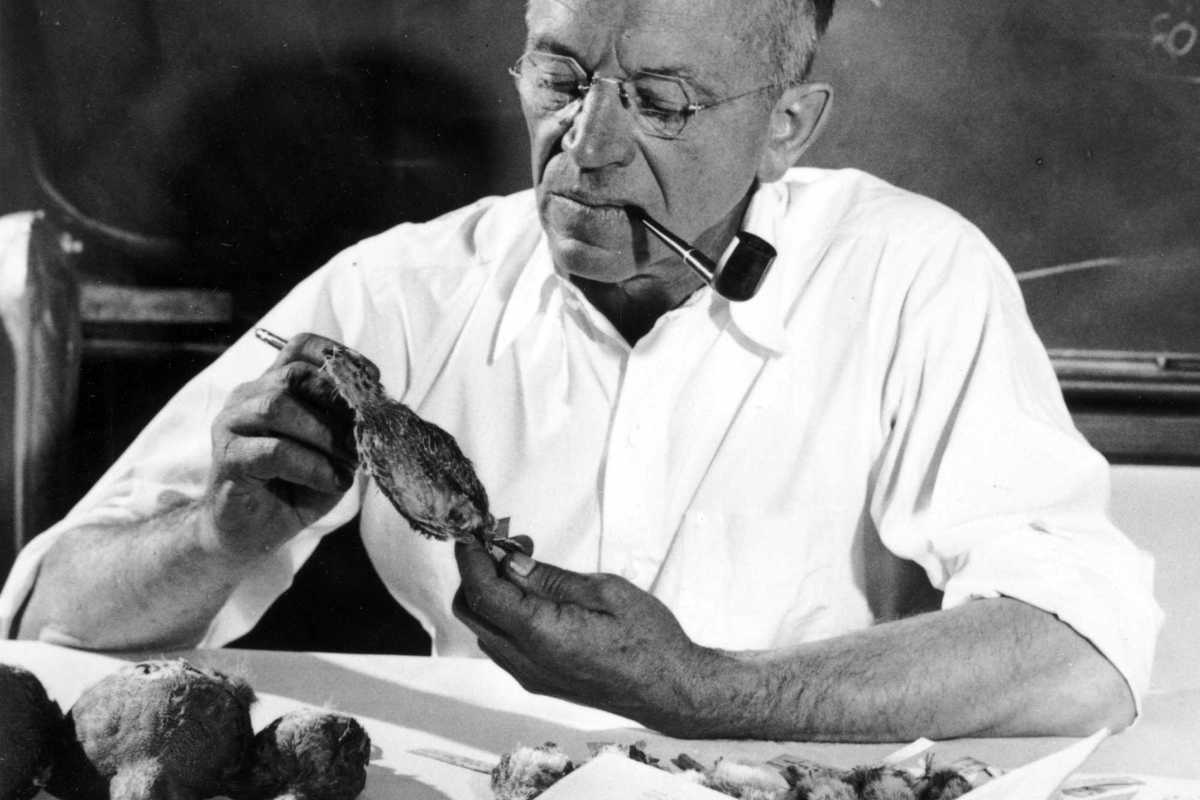
Aldo Leopold in 1942, seated at his desk examining a gray partridge specimen.

Robert C. Oetking

In his 1949 seminal work, “A Sand County Almanac,” Aldo Leopold, regarded by many conservationists as the father of wildlife ecology and modern conservation, wrote, “There are some who can live without wild things and some who cannot.” Leopold was a forester, philosopher, conservationist, educator, writer and outdoor enthusiast.

Originally published by Oxford University Press, “A Sand County Almanac” has sold 2 million copies and been translated into 15 languages. On Sunday, March 8, from 3 to 5 p.m. in the Great Hall of the Norfolk Library, the public is invited to a community reading of selections from the book followed by a moderated discussion with Steve Dunsky, director of “Green Fire,” an Emmy Award-winning documentary film exploring the origins of Leopold’s “land ethic.” Similar reading events take place each year across the country during “Leopold Week” in early March. Planning for this Litchfield County reading began when the Norfolk Library received a grant from the Aldo Leopold Foundation, which provided copies of “A Sand County Almanac” to distribute during the event.

Keep ReadingShow less

Erica Child Prud’homme

Erica Child Prud’homme

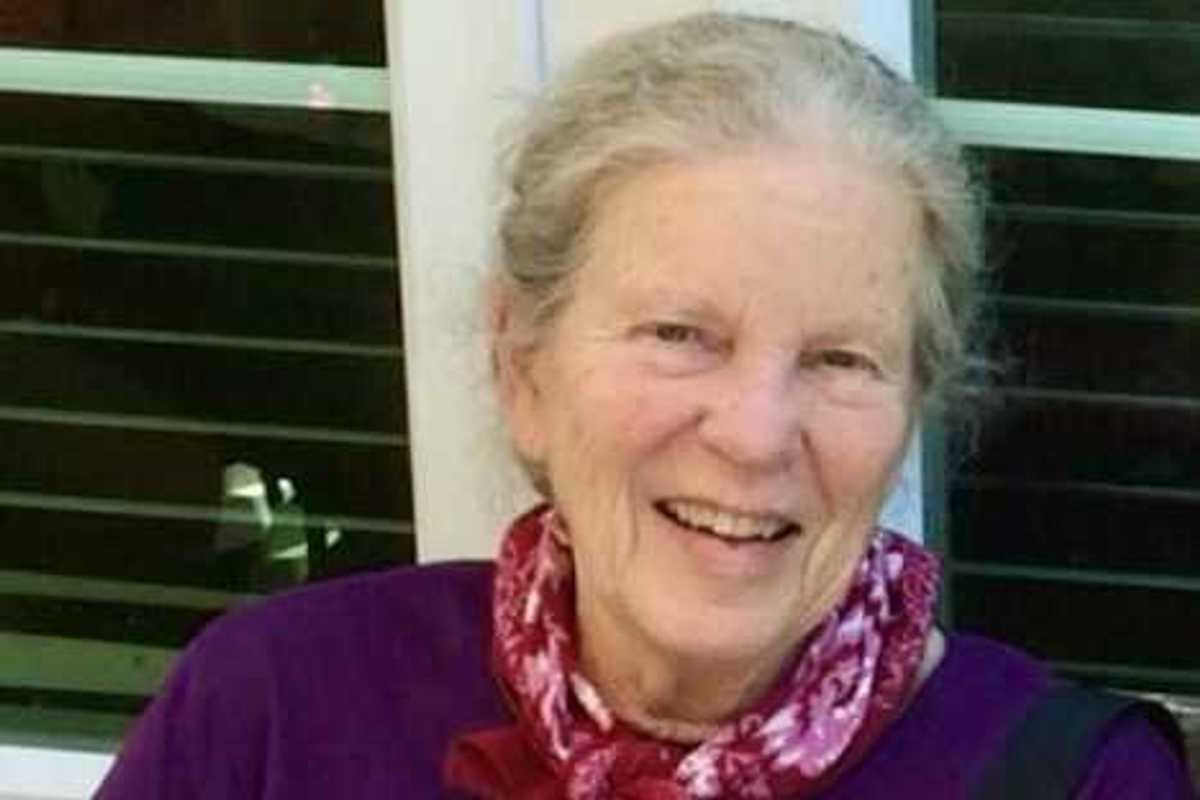
WEST CORNWALL — Erica Child Prud’homme died peacefully in her sleep on Jan. 9, 2026, at home in West Cornwall, Connecticut, at 93.

Erica was born on April 27, 1932, in Doylestown, Pennsylvania, the eldest of three children of Charles and Fredericka Child. With her siblings Rachel and Jonathan, Erica was raised in Lumberville, a town in the creative enclave of Bucks County where she began to sketch and paint as a child.

Keep ReadingShow less
google preferred source

Want more of our stories on Google? Click here to make us a Preferred Source.
google preferred source

Want more of our stories on Google? Click here to make us a Preferred Source.