My Swing Dance Journey, and Where You Can Start Yours

never, ever, thought I would get into partnered dancing, or any formal dancing for that matter. But sometimes hobbies sneak up on you. After returning from a freshman year abroad, I was at a loss as to how to make new friends at my home school, Queen’s University in Kingston, Ontario. One day, my roommate and I came across the swing dance club, and the members were twirling and jumping all over the floor in front of the booth, with big  smiles and jazz in their bones. 

I was awestruck.

Although I knew absolutely nothing about dancing, and the thought of it terrified me, I took a flyer for one of their beginner lessons. You did not need to come with a partner or have any experience, so I began taking lessons. I was excited to learn how to dance to the big band music that I had long enjoyed, as well as the Electroswing music I had only recently discovered. Luckily for me, swing dancing didn’t actually die in the 1950s. It sure fell out of favor for a while, due to changing music styles, new fad dances and a general rejection that young people have of things enjoyed by previous generations. But a resurgence in Europe in the 1990s made it possible for a whole new generation to discover swing.

Surprisingly, the basic Lindy Hop footwork was the trickiest dance move for me. It took weeks of lessons to get the “rock step, triple step, step, step, triple step” into my brain. I practiced the pattern while washing dishes and taking showers, knowing that everything else would be harder until I could naturally keep my feet in the right place. At this point, though, I’ve danced for four years, and the footwork is so automatic that it’s much harder not to complete it, which is a challenge when I try the lead role in the dance rather than that of the follow, or a different form of swing. At this point I know: 1920s and ’30s style Charleston, East Coast and West Coast swing, blues, and a touch of Balboa. These are constantly evolving dances with new moves and styles created all the time. As opposed to formal ballroom style dances, swing is very free: the dancers bend their knees and often make up their own moves during a song in the tradition of the dance. Knowing multiple forms of swing dance makes it possible to master various speeds and styles of music, and makes it far more possible to dance with the song, a skill called musicality. 

Looking back, I didn’t start to see much improvement in my dancing until I started going to the social dances that were held after the lessons. Dancing with all kinds of people, to all kinds of music, tested my skills much more than only repeating the patterns I learned in lessons. I have now competed in Jack and Jill’s, where follows and leads are matched randomly, and I have performed in front of a crowd and judges to only a few counts of a song. I have also been in several choreographed performances, one for the Queen’s University Dance Battle, which was a completely frightening and yet amazing experience, learned in only a few weeks, and performed with incredible dance groups. 

But all of this has just been about the moves of the dance, and I think one of the keys to swing and its renaissance has been its community of respectful, kind and ridiculous people. I have made so many close friends in the dance community, and in every city I have danced (the count now is five and building) this culture has been consistent. Swing dancers are quirky, and many of the ones I know happen to be scientists and engineers. Some that I have talked to say that dance is a creative outlet for their otherwise methodical jobs. And other people I know use it mostly for exercise. Swing can be as athletic and rigorous a dance as the lead and the song call for, which allows many people to feel comfortable in it. Swing dancers cover a wide age span, I know some who started when they were in middle school, and others who started when they were 60. For many young people it can be an amazing opportunity to get to dance outside a club setting, and thus outside any romantic expectations. In swing, you ask other people to dance, and you always say thank you at the end of the dance. 

What opportunities are there here to try out swing? There are groups in Albany, NY, and in Northampton, MA, but even closer to home, roughly once a month, the Race Brook Lodge in Sheffield, MA, hosts a swing night. Visitors can attend the Stagecoach Tavern for a prefixed dinner menu and then the dance for $35, or just the dance with the live band, cash bar, and often a beginner lesson for $10.  According to Amillie Coster, the event organizer for Race Brook, the dances have been very popular so far, bringing in new people of varying ages and skill levels. The dances were the idea of Berkshire native Elizabeth Orenstein, who, Coster says, “was inspired by social dances in Ireland, and felt that with the deep tradition of gypsy folk and jazz already in the area the musical talent to start up some dances was here.” 

Even with no swing already in your step, I encourage you to check out these events! If there is a lesson, you can learn then. If there isn’t, ask someone who looks like they know what they’re doing to teach you some basic moves. They’ll do it, because swing dancers are amazing people who can’t help but share their passion for it. 

And if you don’t have the courage to try yet and you just want to watch and take it all in? Well, that’s okay too, but you’ll find yourself twitching and itching to dance soon enough. 


The next swing dance hosted by Race Brook Lodge will be April 8 at 8 p.m. with One Straw Revolution, and then on April 30 at 8 p.m. with Hot Club of Saratoga. For information, go to  www.rblodge.com or call: 413-229-8585.

Latest News

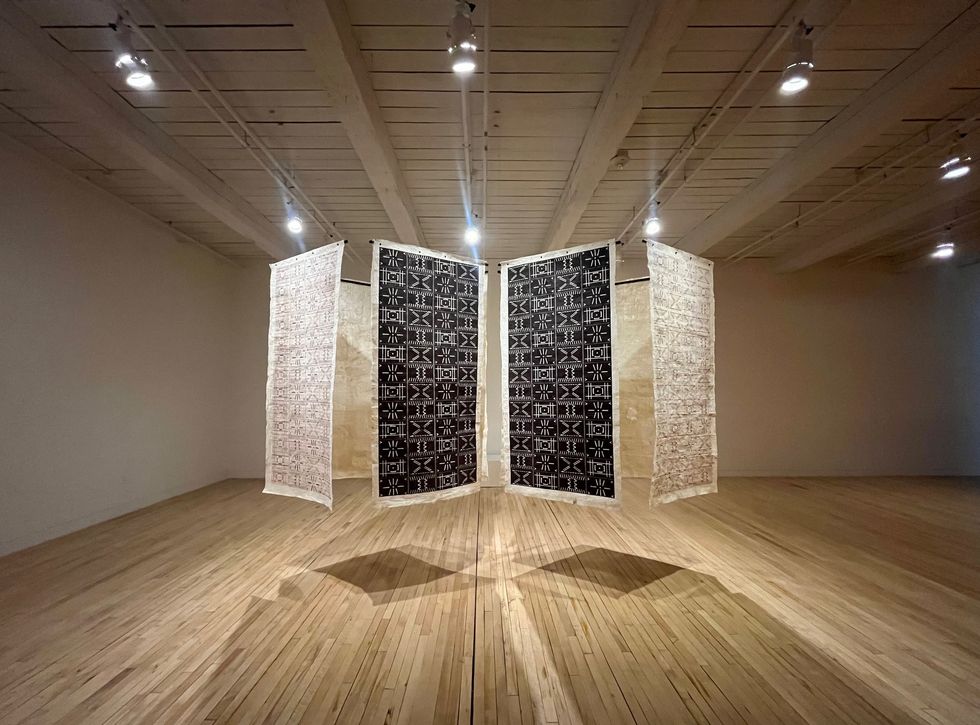
Living art takes center stage in the Berkshires

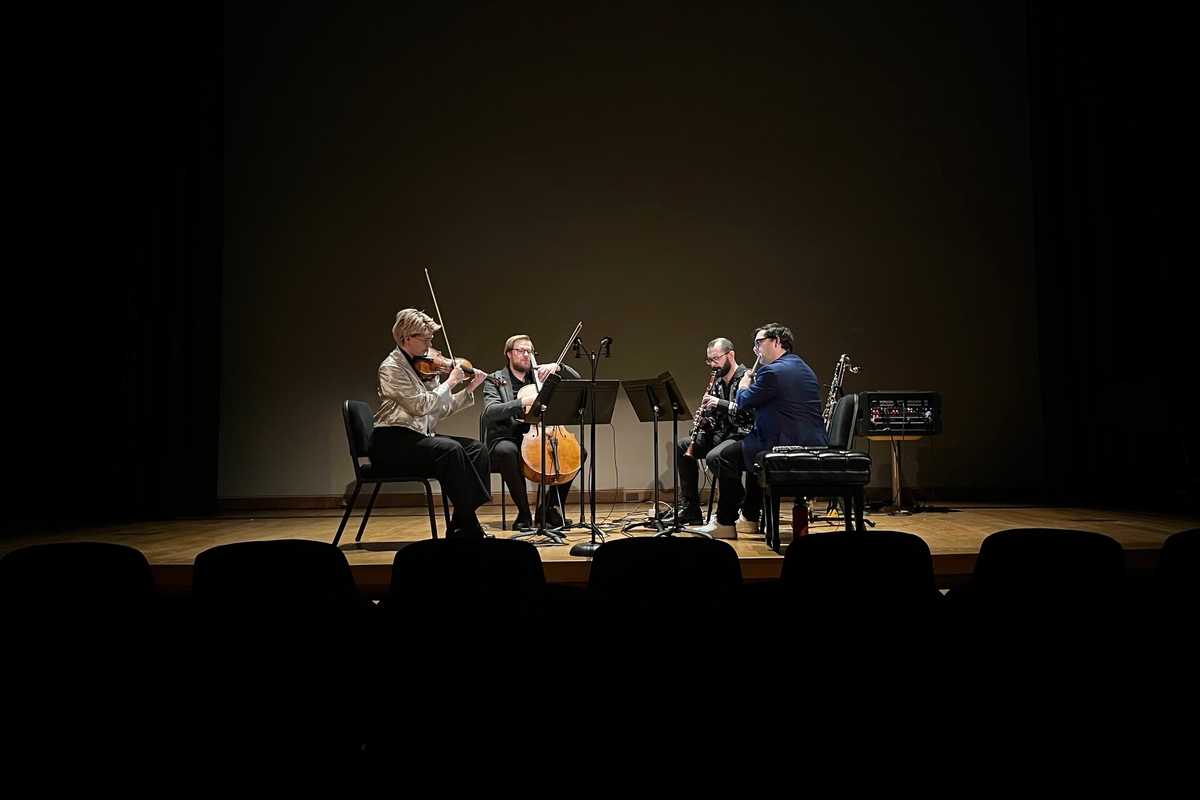
Contemporary chamber musicians, HUB, performing at The Clark.

D.H. Callahan

Northwestern Massachusetts may sometimes feel remote, but last weekend it felt like the center of the contemporary art world.

Within 15 miles of each other, MASS MoCA in North Adams and the Clark Art Institute in Williamstown showcased not only their renowned historic collections, but an impressive range of living artists pushing boundaries in technology, identity and sound.

Keep ReadingShow less
Persistently amplifying women’s voices

Francesca Donner, founder and editor of The Persistent. Subscribe at thepersistent.com.

Aly Morrissey

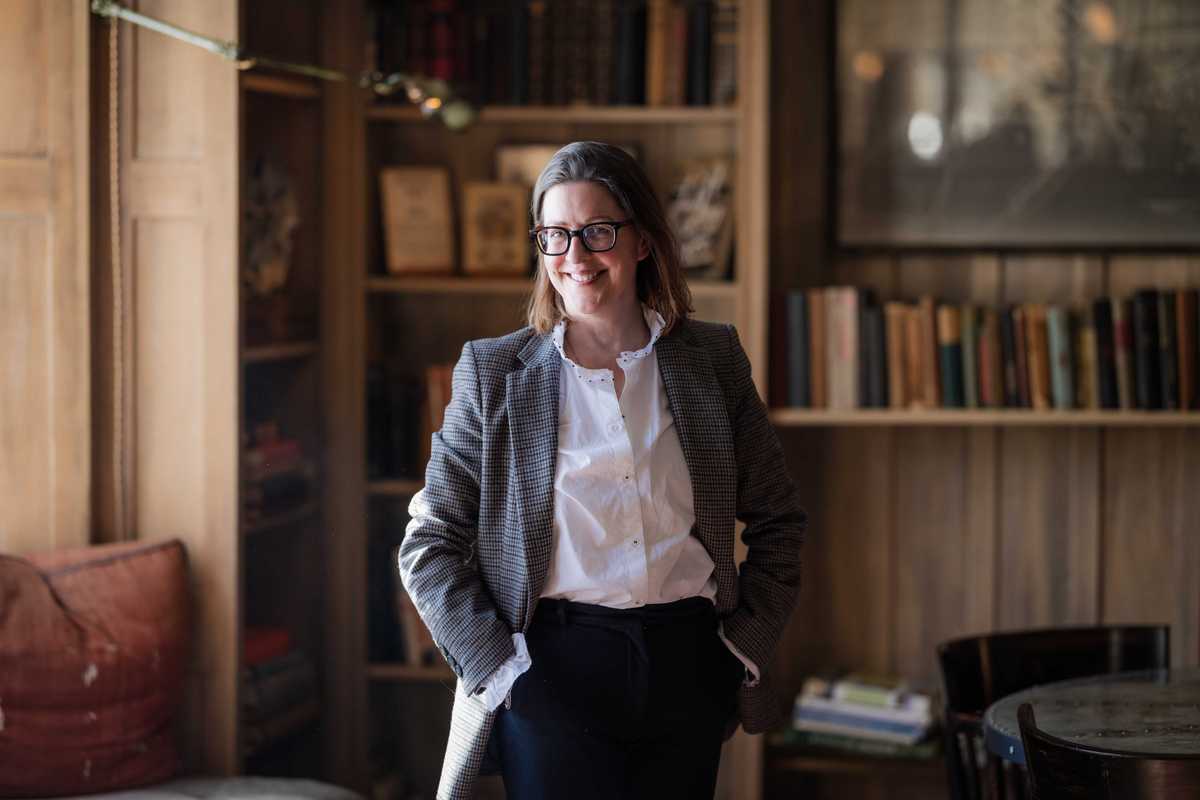
Francesca Donner pours a cup of tea in the cozy library of Troutbeck’s Manor House in Amenia, likely a habit she picked up during her formative years in the United Kingdom. Flanked by old books and a roaring fire, Donner feels at home in the quiet room, where she spends much of her time working as founder, editor and CEO of The Persistent, a journalism platform created to amplify women’s voices.

Although her parents are American and she spent her earliest years in New York City and Litchfield County — even attending Washington Montessori School as a preschooler — Donner moved to England at around five years old and completed most of her education there. Her accent still bears the imprint of what she describes as a traditional English schooling.

Keep ReadingShow less
Jarrett Porter on the enduring power of Schubert’s ‘Winterreise’
Baritone Jarrett Porter to perform Schubert’s “Winterreise”
Tim Gersten

On March 7, Berkshire Opera Festival will bring “Winterreise” to Studio E at Tanglewood’s Linde Center for Music and Learning, with baritone Jarrett Porter and BOF Artistic Director and pianist Brian Garman performing Franz Schubert’s haunting 24-song setting of poems by Wilhelm Müller.

A rejected lover. A frozen landscape. A mind unraveling in real time. Nearly 200 years after its premiere, “Winterreise” remains unnervingly current in its psychological portrait of isolation, heartbreak and existential drift.

Keep ReadingShow less
google preferred source

Want more of our stories on Google? Click here to make us a Preferred Source.
A grand finale for Crescendo’s 22nd season

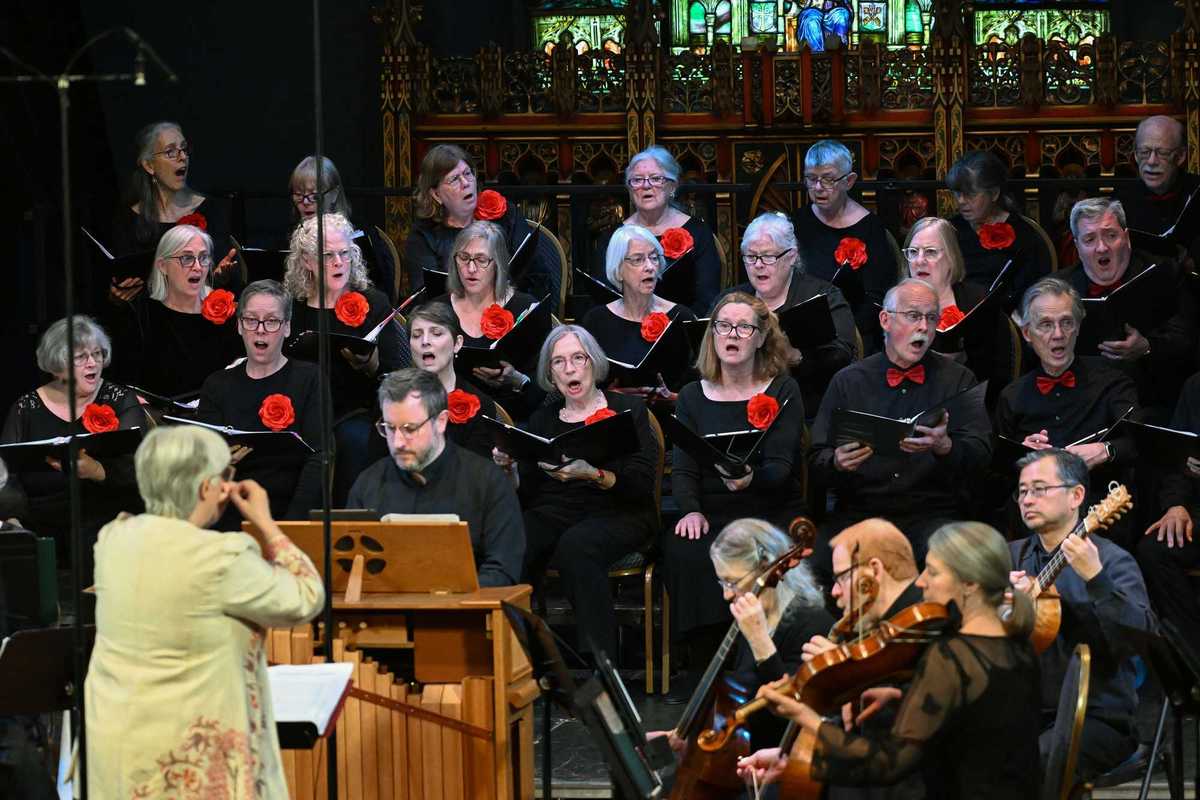
Christine Gevert, artistic director, brings together international and local musicians for a season of rare works.

Stephen Potter

Crescendo, the Lakeville-based nonprofit specializing in early and rarely performed classical music, will close its 22nd season with a slate of spring concerts featuring international performers, local musicians and works by pioneering composers from the Baroque era to the 20th century.

Christine Gevert, the organization’s artistic director, has gathered international vocal and instrumental talent, blending it with local voices to provide Berkshire audiences with rare musical treats.

Keep ReadingShow less

Leopold Week honors land and legacy

Leopold Week honors land and legacy

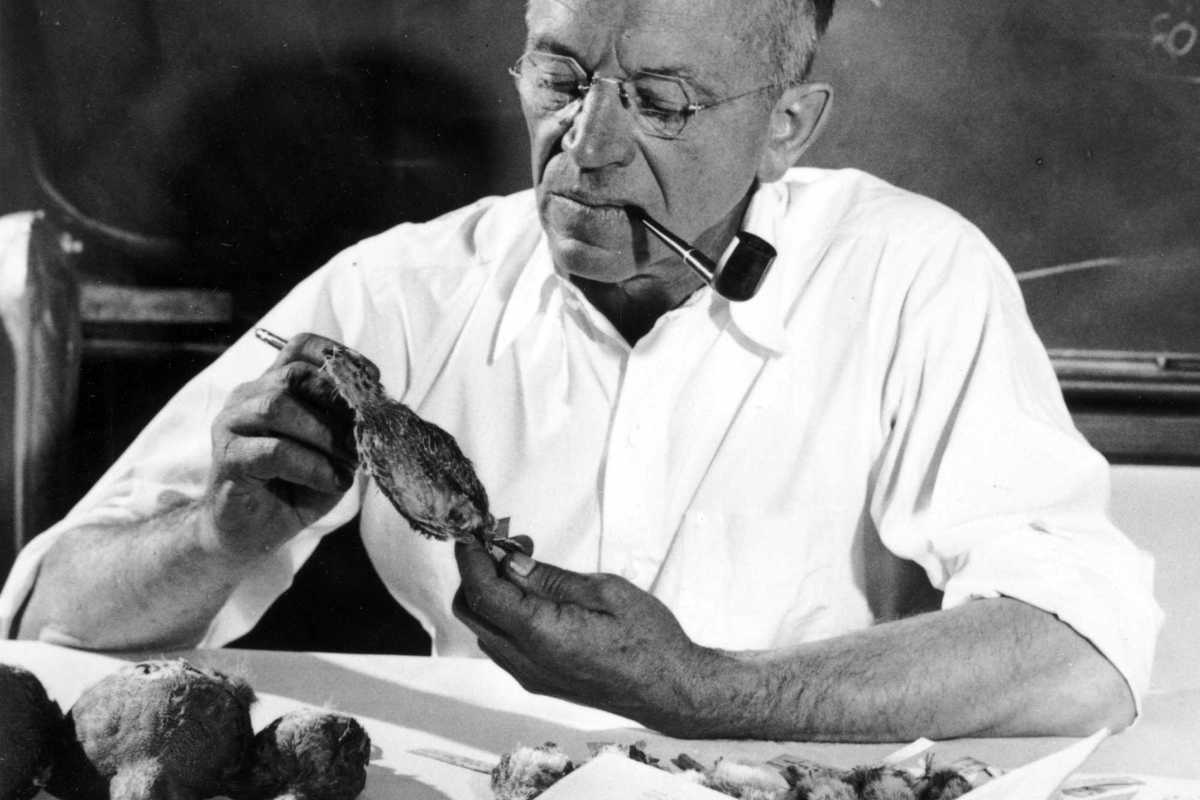
Aldo Leopold in 1942, seated at his desk examining a gray partridge specimen.

Robert C. Oetking

In his 1949 seminal work, “A Sand County Almanac,” Aldo Leopold, regarded by many conservationists as the father of wildlife ecology and modern conservation, wrote, “There are some who can live without wild things and some who cannot.” Leopold was a forester, philosopher, conservationist, educator, writer and outdoor enthusiast.

Originally published by Oxford University Press, “A Sand County Almanac” has sold 2 million copies and been translated into 15 languages. On Sunday, March 8, from 3 to 5 p.m. in the Great Hall of the Norfolk Library, the public is invited to a community reading of selections from the book followed by a moderated discussion with Steve Dunsky, director of “Green Fire,” an Emmy Award-winning documentary film exploring the origins of Leopold’s “land ethic.” Similar reading events take place each year across the country during “Leopold Week” in early March. Planning for this Litchfield County reading began when the Norfolk Library received a grant from the Aldo Leopold Foundation, which provided copies of “A Sand County Almanac” to distribute during the event.

Keep ReadingShow less

Erica Child Prud’homme

Erica Child Prud’homme

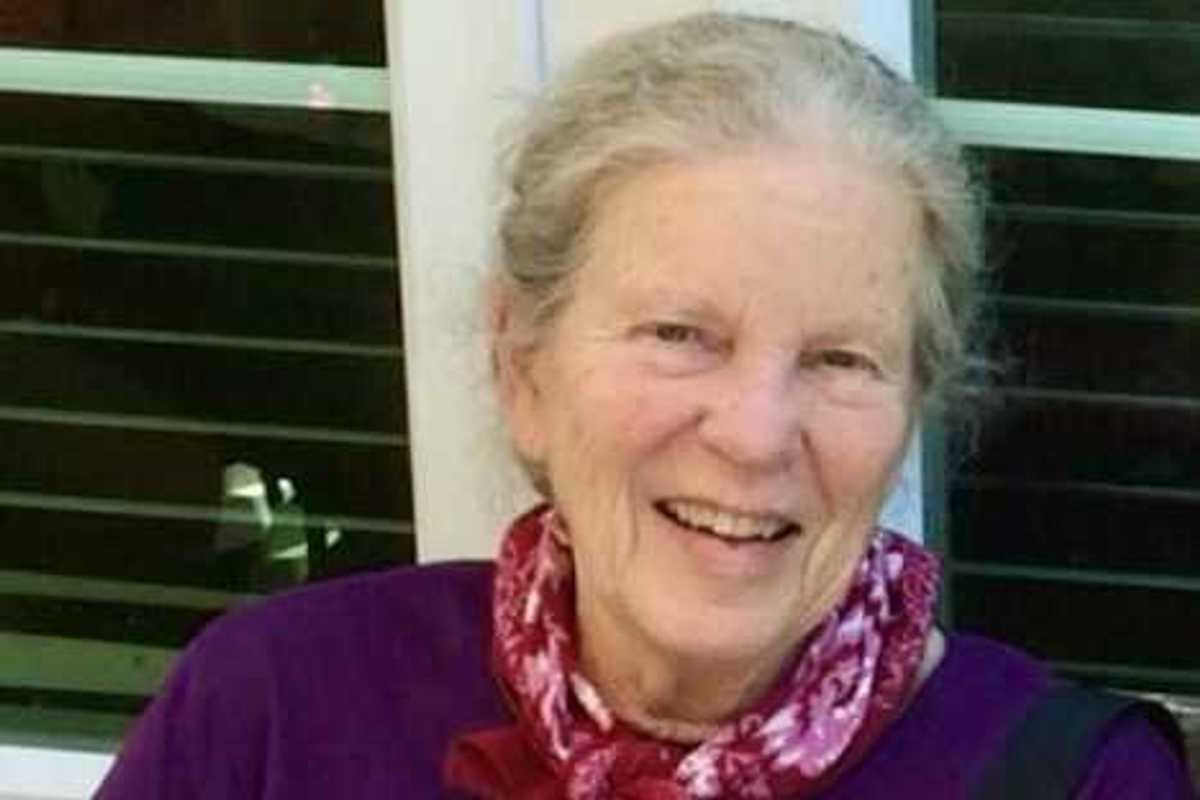
WEST CORNWALL — Erica Child Prud’homme died peacefully in her sleep on Jan. 9, 2026, at home in West Cornwall, Connecticut, at 93.

Erica was born on April 27, 1932, in Doylestown, Pennsylvania, the eldest of three children of Charles and Fredericka Child. With her siblings Rachel and Jonathan, Erica was raised in Lumberville, a town in the creative enclave of Bucks County where she began to sketch and paint as a child.

Keep ReadingShow less
google preferred source

Want more of our stories on Google? Click here to make us a Preferred Source.
google preferred source

Want more of our stories on Google? Click here to make us a Preferred Source.