A national health policy for all? Free medicine will not be free


n the late 1950s, the formal engagement in state socialism by Great Britain had twice been confirmed by the voters. And the socialists had been twice disenfranchised. Great Britain was a mess. Clement Attlee, the clever lawyer-intellectual who embraced the dreams of common ownership, couldn’t quite sell the country on the success of it.

And it wasn’t the extravagance of the socialist program that reared its ugly head to sound the alarm for the needs of order and moderation. Given the hugeness of the socialist enterprise, the monies Attlee demanded in order to finance his programs were, by current standards, modest. Everything about Attlee was modest — "a modest man who has a good deal to be modest about," Churchill said of him.


u u u


Attlee’s parsimonious habits cling to the memory. I had a personal taste of them when lecturing at the University of Wisconsin in 1959. The evening before my own appearance — to plead the cause of Barry Goldwater, whose name was being dangled as fit for the presidency — Attlee had spoken. After his lecture, some of the kids drove him to the airport. On presenting his ticket to New York, he was told by the steward that he would need to supplement the ticket fare by $55.

Why? Attlee asked.

Because that was the price of a first-class ticket. And the flight on which he was ticketed was first-class only.

To the alarm of his student hosts, Attlee demanded to know at what time there was a flight that had tourist-class seats. Answer: at 3 o’clock in the morning. Attlee asked that he be awakened in time for that flight, intending to doze in the waiting room. No expostulation would change his course. There was a wan smile, and Clement Attlee, father of British socialism, went with his overnight case to the waiting room and bade his hosts goodnight. I told the kids that if Goldwater had been there, he’d have come up with the $55 from his own pocket.


u u u


The socialist government was widely considered to be the disaster that Winston Churchill, running in 1951 to replace Attlee as prime minister, insisted it was. But the British socialists made one contribution to modern democratic practices that stuck: free medicine.

It was uproariously popular. I raised the point with Sen. Goldwater before his own appearance in Wisconsin, and he told of his vehement opposition to the program, a version of it having been introduced in a Senate bill by Estes Kefauver and Hubert Humphrey. Goldwater summoned his deepest reserves of gravity and said to me that if enacted, the Kefauver-Humphrey bill would end up costing $5 billion.

I thought the sum indefensibly exaggerated, but last week’s New York Times examined the health-reform measures being advocated in the current season by the leading Democratic contenders for president. The plans were briefly described, and one section was devoted to cost. The estimated annual cost of Sen. Hillary Clinton’s plan is $110 billion. Of Sen. Barack Obama’s, "$50 to $65 billion." Of John Edwards’, "$90 to $120 billion."

Applying the inflation factor ($1 in 1960 had become $16 by 2005), we can fiddle with the economic details but still quickly realize that "free" medicine (which is what the Democrats are essentially talking about) exceeds the cost of such programs as estimated 50 years ago.


u u u


The best analytical breakdown of the public question is this:

(1) The British established, with their ringingly popular National Health system, that politically it is unbeatable. No matter what was done with nationalized steel or other industries, you had to hang onto free medicine.

(2) The politicians on this side of the Atlantic acknowledge that free health care, or its equivalent (there are differences among the Clinton, Obama and Edwards proposals), is an economic luxury that is demanding a primary lodging in the political programs of the major parties. So is it an economic luxury? Yes. And the country can afford an economic luxury, the analysts will tell you.

It will be very hard to allocate the cost. Except that it will be assigned to — the rich. That is an indispensable feature of any redistributionist scheme: figure out a way to conceal the cost and place the burden, to the extent it cannot be hidden, on others than those who are benefiting from the program. It is not surprising that all the candidates surveyed in the New York Times story recommended that the burden of the cost should be assigned to those taxpayers who earn more than $250,000 — yes, the people who benefited from the tax-reduction packages of President Bush.

The adage of Milton Friedman that there is no such thing as a free lunch is undamaged by the circumlocutions of the politicians. Is the challenge to the Republicans simply a matter of parsing the subtle march, by the opposition, toward collectivist policies?


William F. Buckley Jr., founder of the National Review and a former TV host, grew up in Sharon.


Latest News

Living art takes center stage in the Berkshires

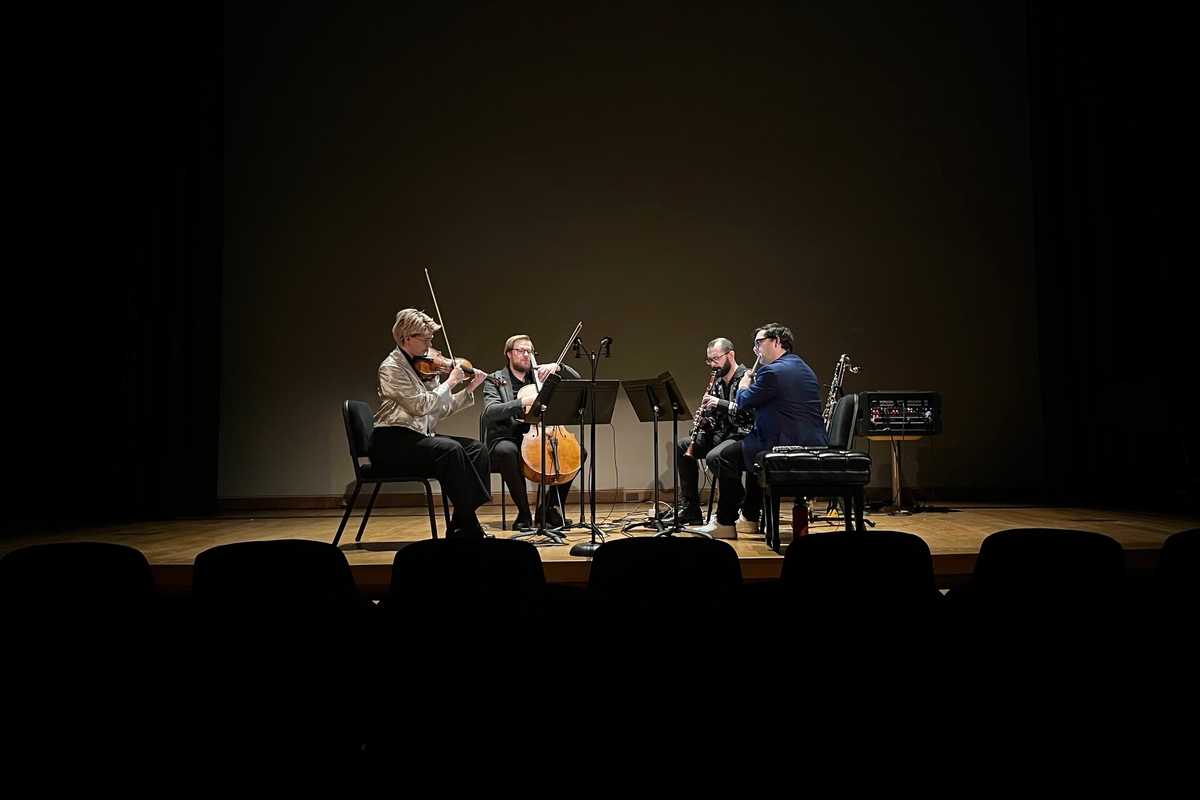
Contemporary chamber musicians, HUB, performing at The Clark.

D.H. Callahan

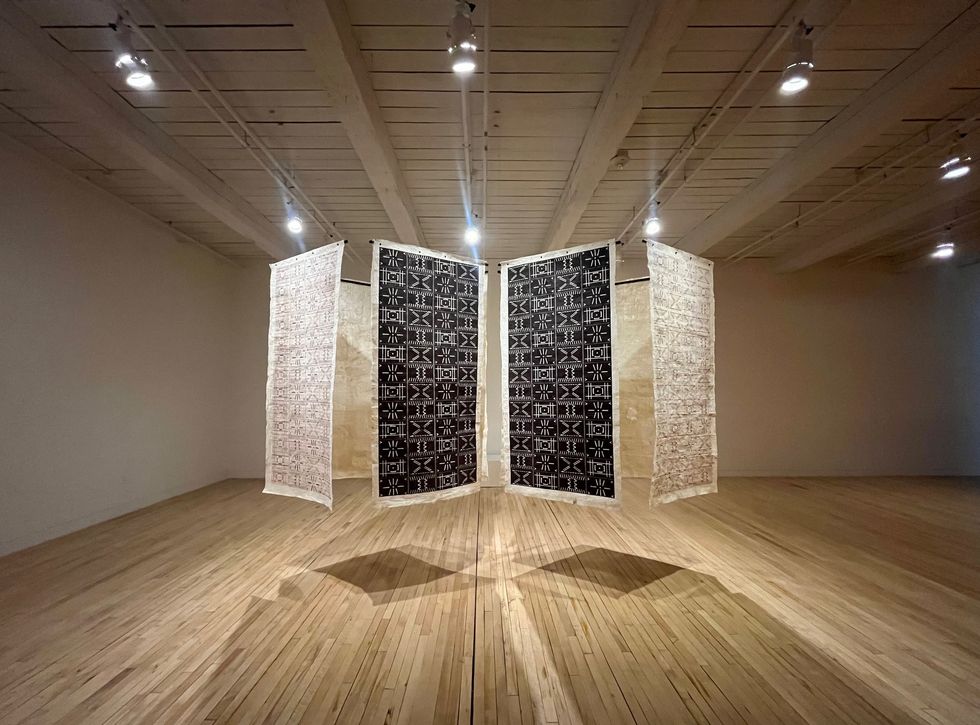
Northwestern Massachusetts may sometimes feel remote, but last weekend it felt like the center of the contemporary art world.

Within 15 miles of each other, MASS MoCA in North Adams and the Clark Art Institute in Williamstown showcased not only their renowned historic collections, but an impressive range of living artists pushing boundaries in technology, identity and sound.

Keep ReadingShow less
Persistently amplifying women’s voices

Francesca Donner, founder and editor of The Persistent. Subscribe at thepersistent.com.

Aly Morrissey

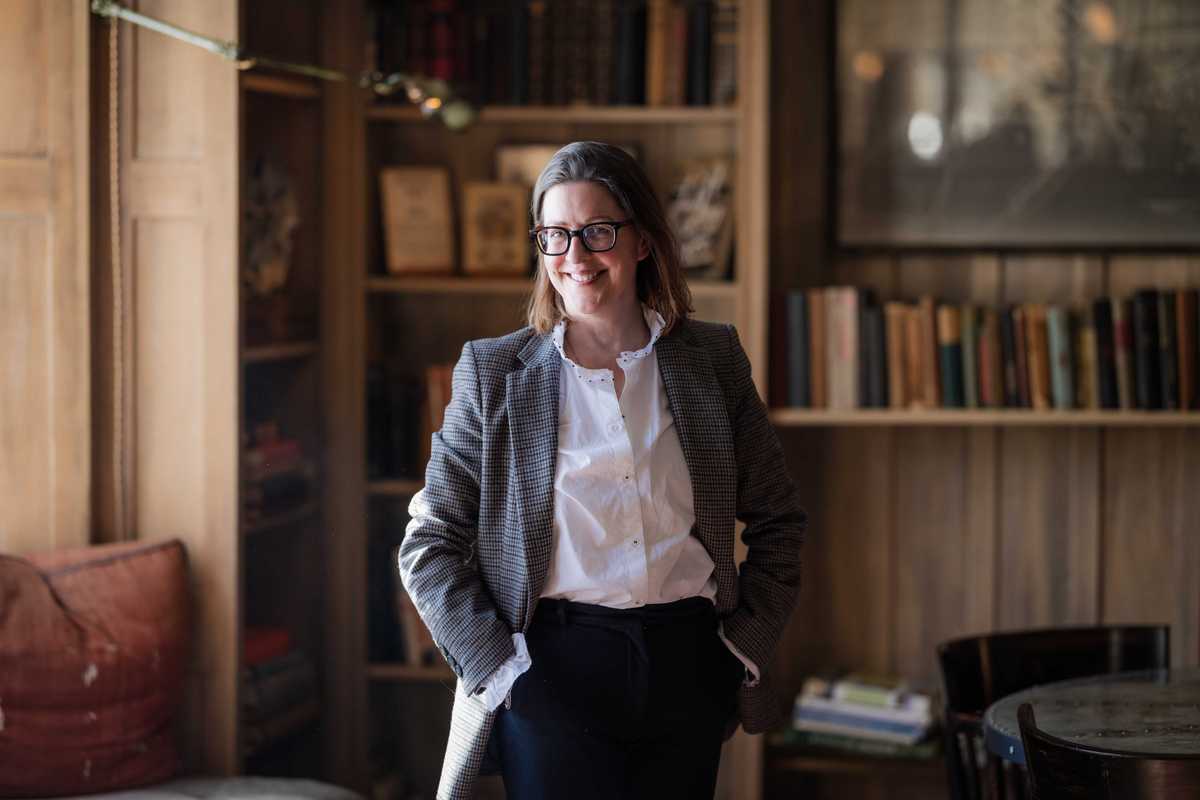
Francesca Donner pours a cup of tea in the cozy library of Troutbeck’s Manor House in Amenia, likely a habit she picked up during her formative years in the United Kingdom. Flanked by old books and a roaring fire, Donner feels at home in the quiet room, where she spends much of her time working as founder, editor and CEO of The Persistent, a journalism platform created to amplify women’s voices.

Although her parents are American and she spent her earliest years in New York City and Litchfield County — even attending Washington Montessori School as a preschooler — Donner moved to England at around five years old and completed most of her education there. Her accent still bears the imprint of what she describes as a traditional English schooling.

Keep ReadingShow less
Jarrett Porter on the enduring power of Schubert’s ‘Winterreise’
Baritone Jarrett Porter to perform Schubert’s “Winterreise”
Tim Gersten

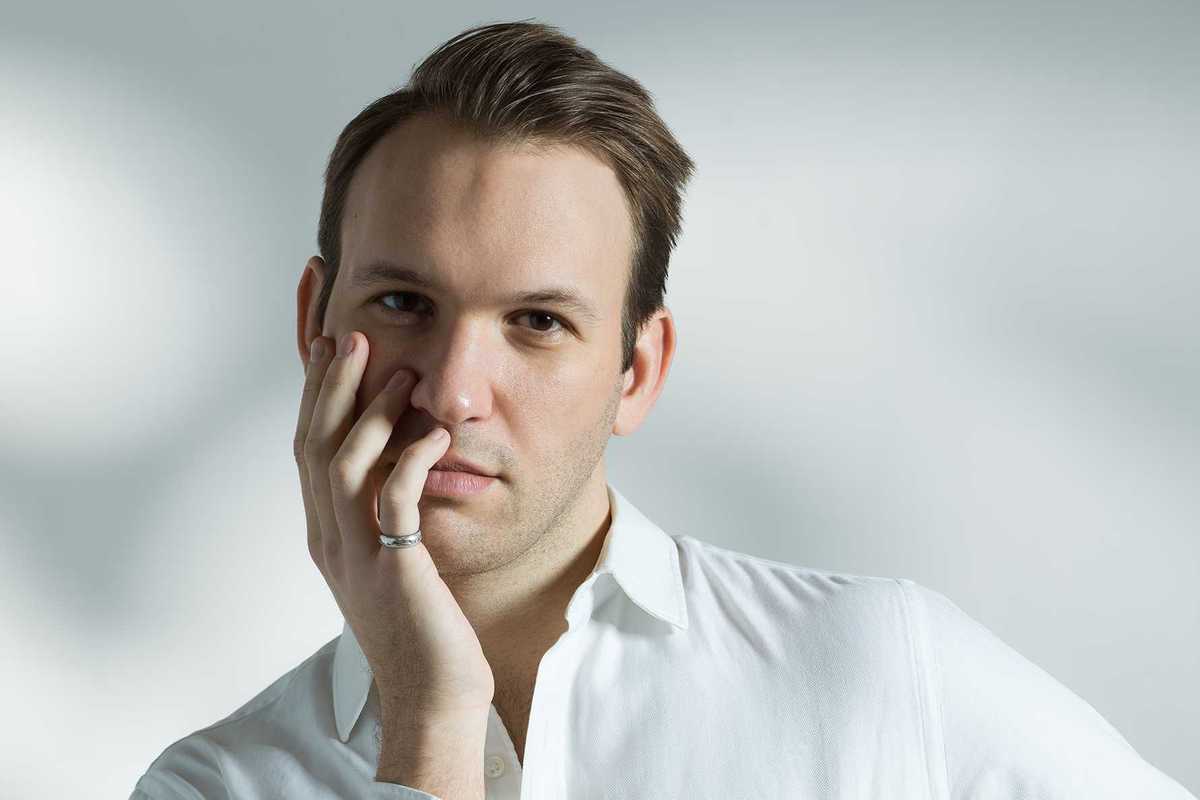
On March 7, Berkshire Opera Festival will bring “Winterreise” to Studio E at Tanglewood’s Linde Center for Music and Learning, with baritone Jarrett Porter and BOF Artistic Director and pianist Brian Garman performing Franz Schubert’s haunting 24-song setting of poems by Wilhelm Müller.

A rejected lover. A frozen landscape. A mind unraveling in real time. Nearly 200 years after its premiere, “Winterreise” remains unnervingly current in its psychological portrait of isolation, heartbreak and existential drift.

Keep ReadingShow less
google preferred source

Want more of our stories on Google? Click here to make us a Preferred Source.
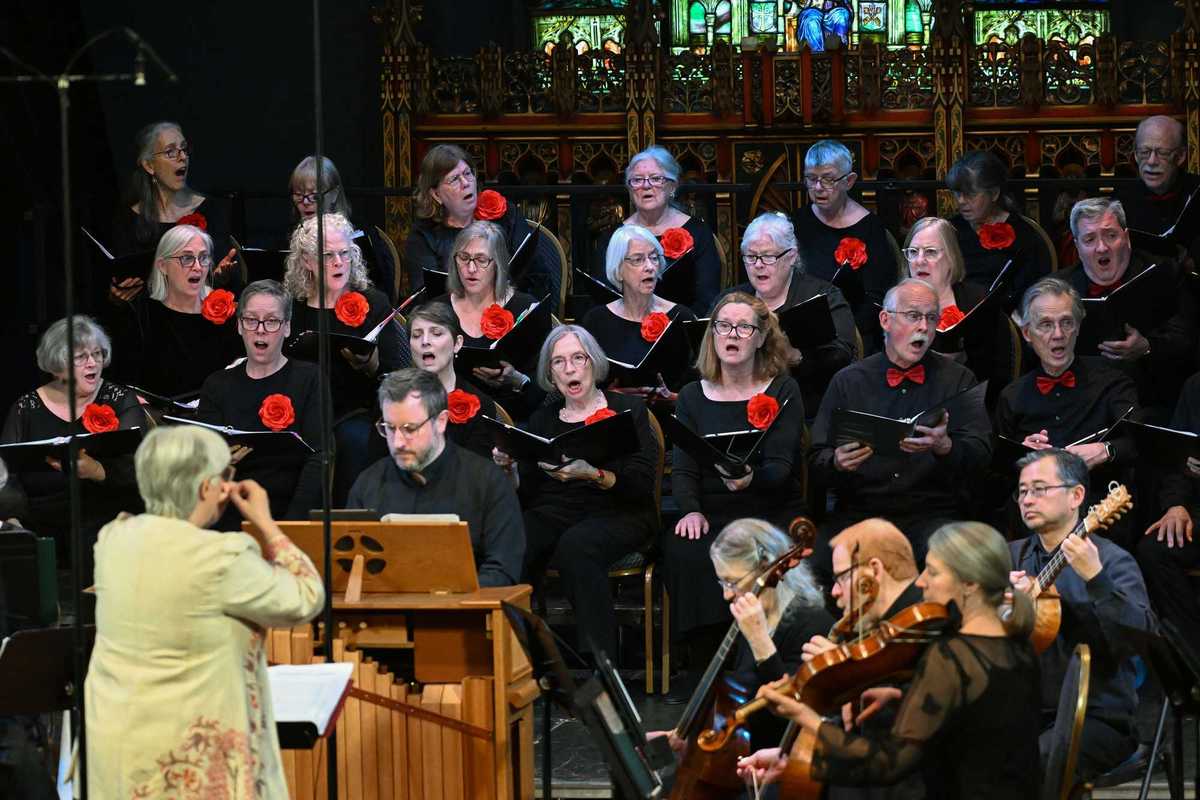
A grand finale for Crescendo’s 22nd season

Christine Gevert, artistic director, brings together international and local musicians for a season of rare works.

Stephen Potter

Crescendo, the Lakeville-based nonprofit specializing in early and rarely performed classical music, will close its 22nd season with a slate of spring concerts featuring international performers, local musicians and works by pioneering composers from the Baroque era to the 20th century.

Christine Gevert, the organization’s artistic director, has gathered international vocal and instrumental talent, blending it with local voices to provide Berkshire audiences with rare musical treats.

Keep ReadingShow less

Leopold Week honors land and legacy

Leopold Week honors land and legacy

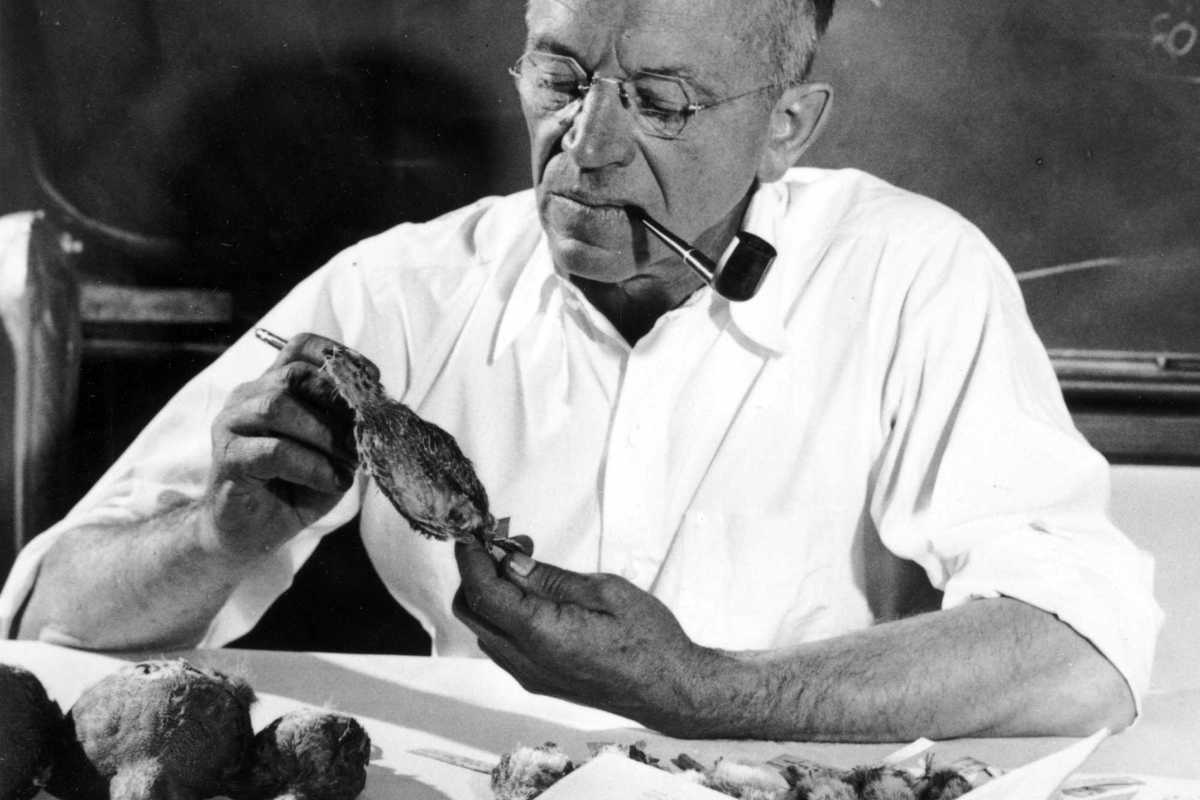
Aldo Leopold in 1942, seated at his desk examining a gray partridge specimen.

Robert C. Oetking

In his 1949 seminal work, “A Sand County Almanac,” Aldo Leopold, regarded by many conservationists as the father of wildlife ecology and modern conservation, wrote, “There are some who can live without wild things and some who cannot.” Leopold was a forester, philosopher, conservationist, educator, writer and outdoor enthusiast.

Originally published by Oxford University Press, “A Sand County Almanac” has sold 2 million copies and been translated into 15 languages. On Sunday, March 8, from 3 to 5 p.m. in the Great Hall of the Norfolk Library, the public is invited to a community reading of selections from the book followed by a moderated discussion with Steve Dunsky, director of “Green Fire,” an Emmy Award-winning documentary film exploring the origins of Leopold’s “land ethic.” Similar reading events take place each year across the country during “Leopold Week” in early March. Planning for this Litchfield County reading began when the Norfolk Library received a grant from the Aldo Leopold Foundation, which provided copies of “A Sand County Almanac” to distribute during the event.

Keep ReadingShow less

Erica Child Prud’homme

Erica Child Prud’homme

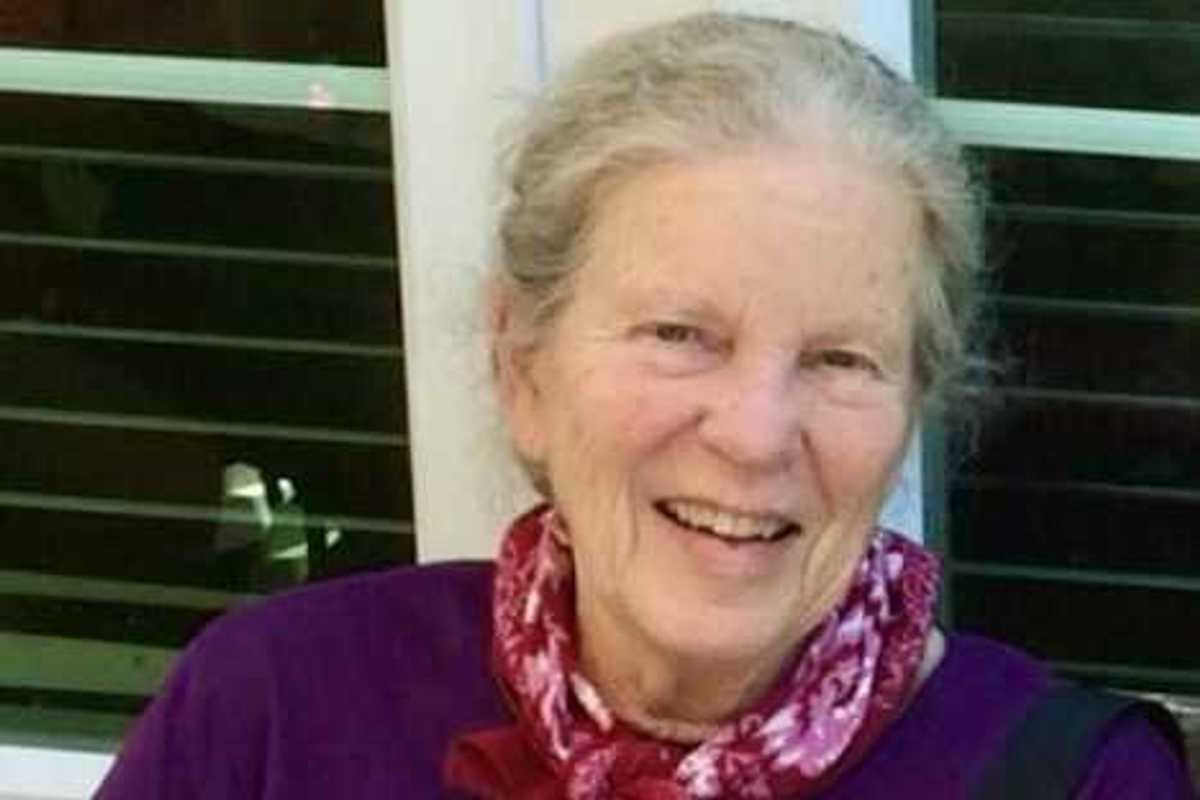
WEST CORNWALL — Erica Child Prud’homme died peacefully in her sleep on Jan. 9, 2026, at home in West Cornwall, Connecticut, at 93.

Erica was born on April 27, 1932, in Doylestown, Pennsylvania, the eldest of three children of Charles and Fredericka Child. With her siblings Rachel and Jonathan, Erica was raised in Lumberville, a town in the creative enclave of Bucks County where she began to sketch and paint as a child.

Keep ReadingShow less
google preferred source

Want more of our stories on Google? Click here to make us a Preferred Source.
google preferred source

Want more of our stories on Google? Click here to make us a Preferred Source.