SHARON – Drizzle and chill couldn’t quell bird enthusiasts Saturday, May 9, for the Sharon Audubon Center’s Birdfest, an all-out avian fete in celebration of World Migratory Bird Day.
The internationally recognized effort is meant to bring awareness to the safety and wellbeing of the billions of migratory birds that return to their summer breeding grounds each spring.
“Many of them have flown thousands of miles,” said Bethany Sheffer, naturalist and volunteer coordinator at the Center, noting that the initiative is meant to make the lives of these weary travelers easier – and more secure – as they either settle here for the season or continue northward.
Migrating birds face many dangers in their long journeys, and many of them are human-caused, such as confusion from light pollution or collisions with built structures like windows or moving vehicles. A 2024 study estimated that a billion birds are killed each year by flying into buildings, contributing to the loss of about 25% of the continent’s bird population – about three billion birds – in the last half century.
Sheffer said the point of the annual observance was not only to raise awareness about the risks birds face during migrations, but how people can help mitigate those dangers.
Kent Land Trust Executive Director Connie Manes, who attended the event, said conservation is a regional project, not one defined by human boundaries. “We may have town lines but our birds don’t pay attention to them,” she said.
The stars of the show, inevitably, were the winged residents housed in the aviaries, located a short walk from the main Center building. As the Center’s volunteers will tell you, there is no shortage of personality at the aviaries.
“Norabo is our turkey vulture and he has his moments,” said Kim Champagne, a veteran volunteer raptor curator at the Center, from within an enclosure as a group of about 20 Birdfest goers watched on. As she spoke, Norabo jumped from perch to perch, spreading his impressive wingspan and sometimes obeying Champagne’s commands, sometimes not.
“It’s an amazing privilege to be in here with these guys so close,” she said after the group moved on to watch the highly sociable duo – an American crow and fish crow named Maverick and Mischief, respectively.
Sheffer hosted a live demonstration with some of the facility’s winged residents who must remain under permanent care, either due to debilitating injury or because they “imprinted” on humans at an early age and associate more closely with our species than their own.
She began with Darnell the wood duck. “He’s very fancy,” she said, and the crowd of about 20 fascinated onlookers agreed, murmuring their appreciation for his vibrant plumage.
Sheffer closed by carrying Mandala, a docile, 20-plus red-tailed hawk known affectionately as Mandy, out into the open air on her gloved hand. Mandy has been at the center for more than a decade, and is in permanent care after having lost an eye when she was struck by a car.
“If they aren’t able to keep both eyes on [their prey], they’re going to have much more limited success out in the wild,” she explained.
Shennan Flannery said volunteering for the Center, as she does, is a great way to connect more deeply to wildlife, even if it doesn’t mean feeding the raptors directly – “that takes a special kind of person.”
Regardless of the specific job, “it’s such a good feeling” to volunteer, she said, “because you know you’re doing good.”
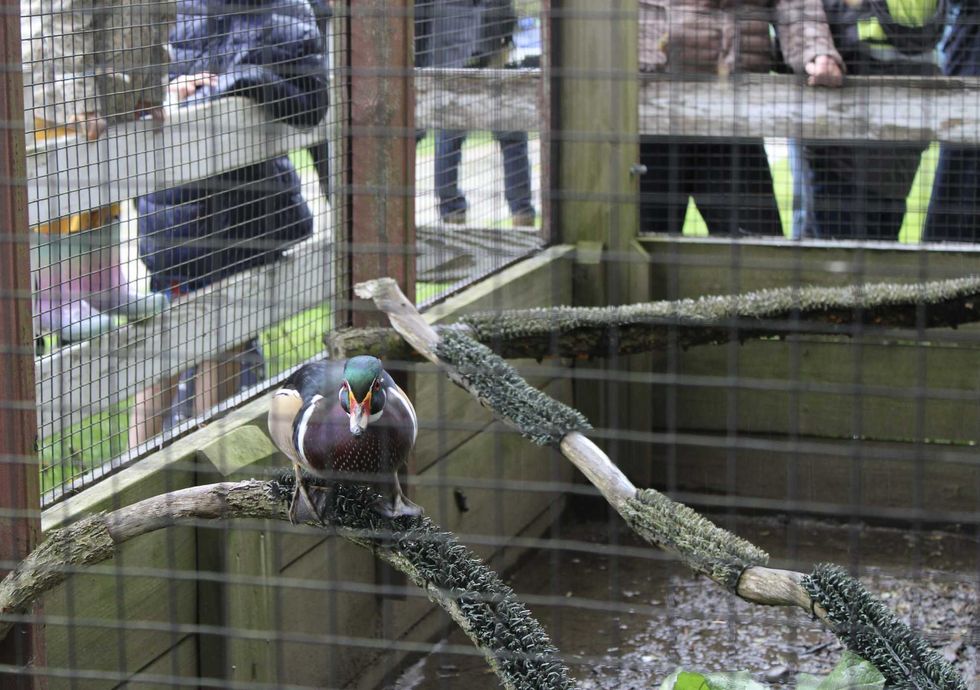 Darnell the wood duck strikes a pose for an adoring audience.Alec Linden
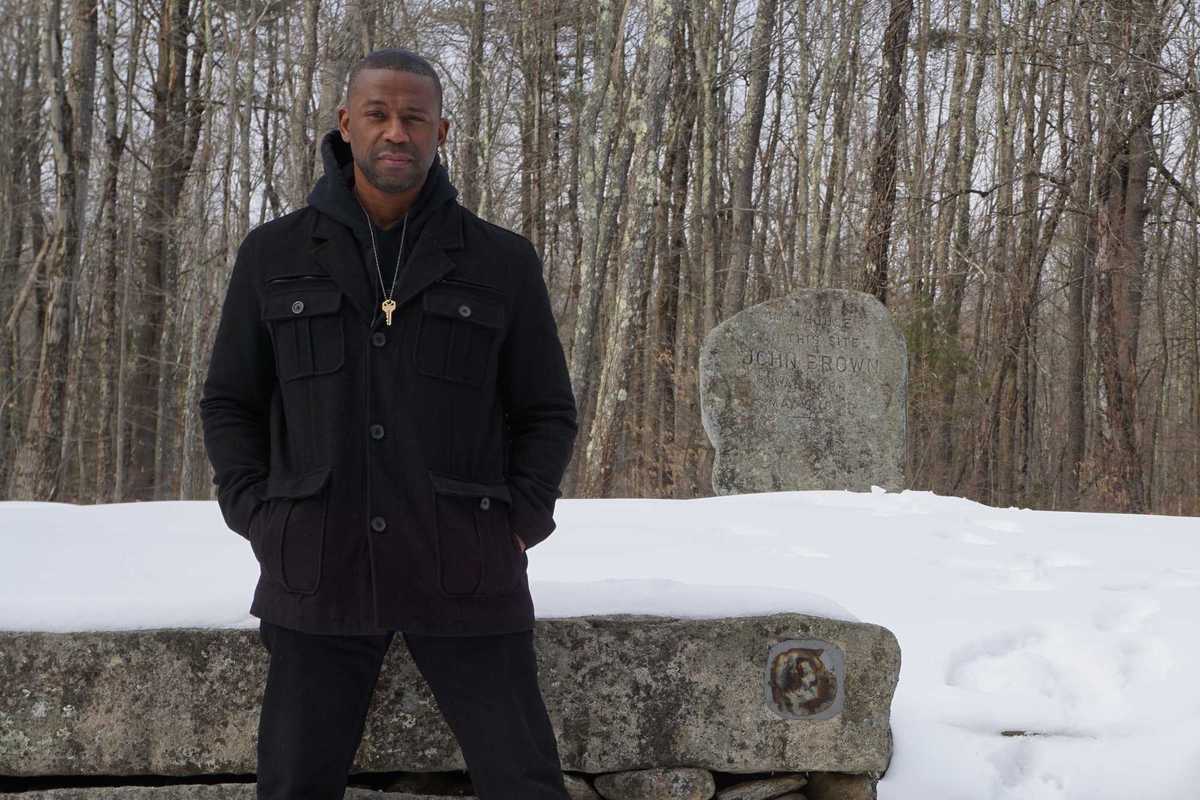
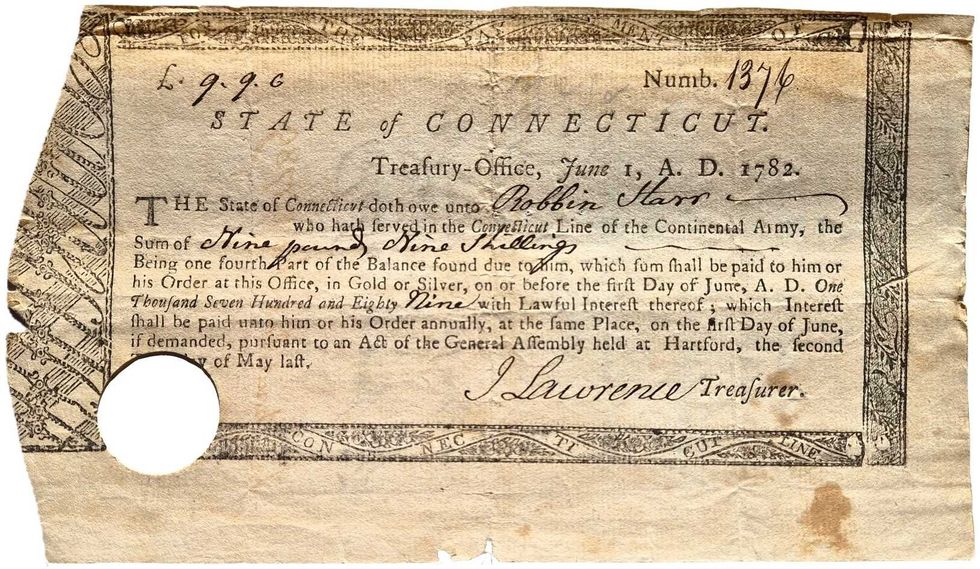 Pay Bill for Robin Starr’s service in the Continental Army.Courtesy the Alex Breanne Corporation
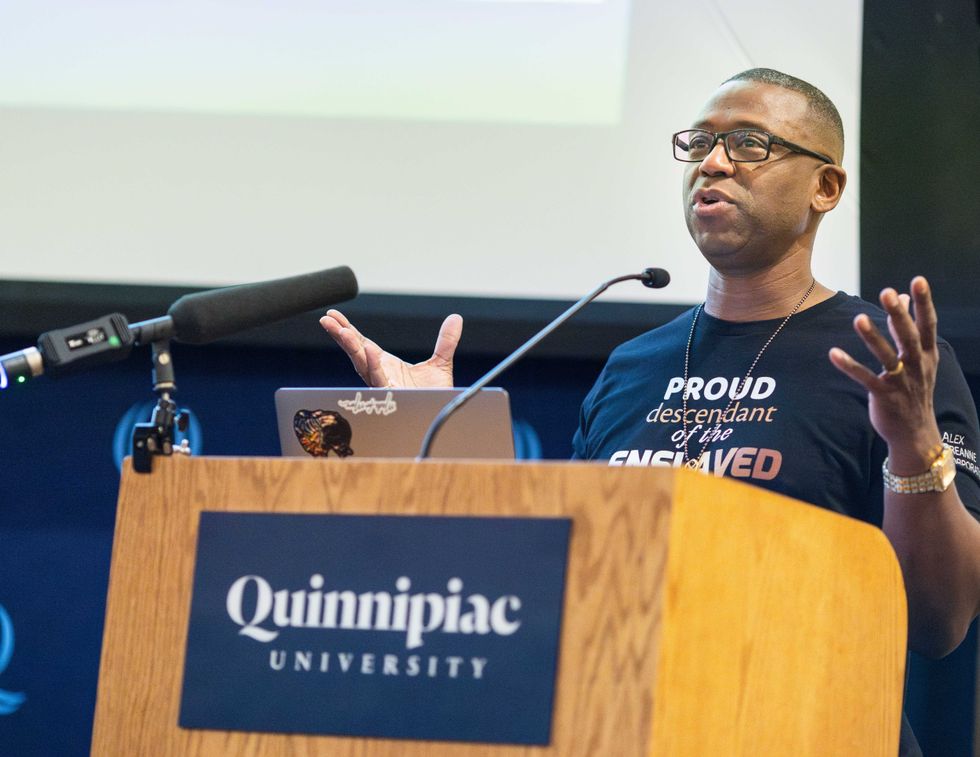 John Mills speaking at Quinnipiac University.Courtesy the Alex Breanne Corporation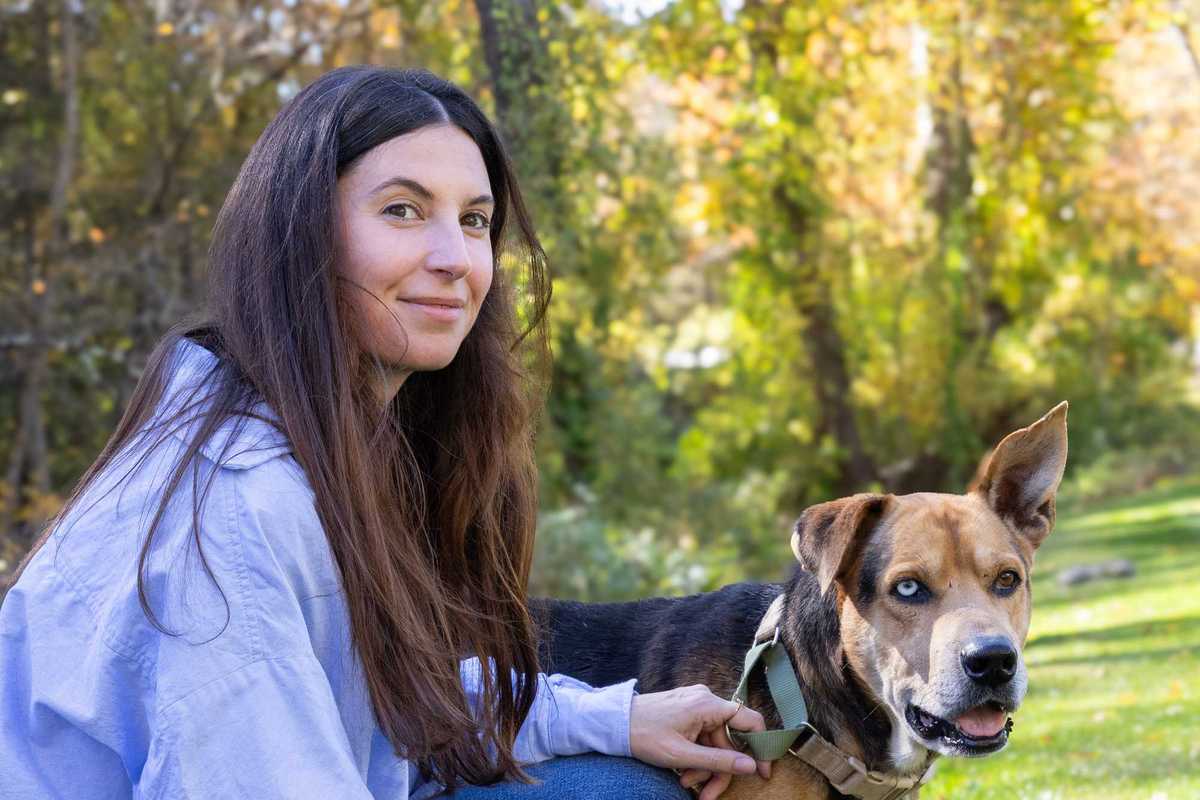
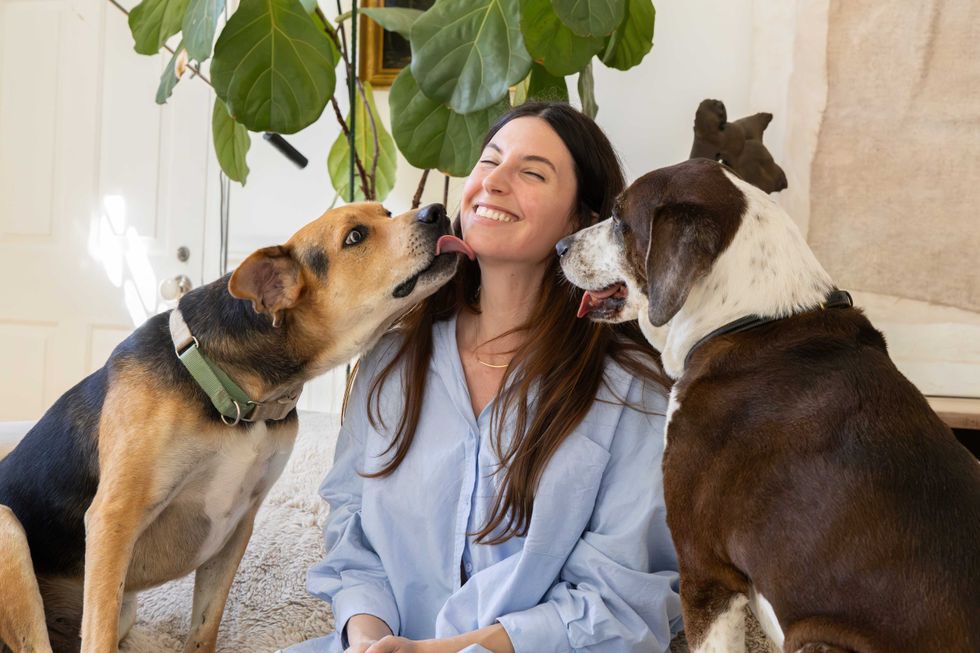 Stephanie Saetta,with her rescue dog George and Blue (left), a shepherd mix awaiting his forever home.Madi Long
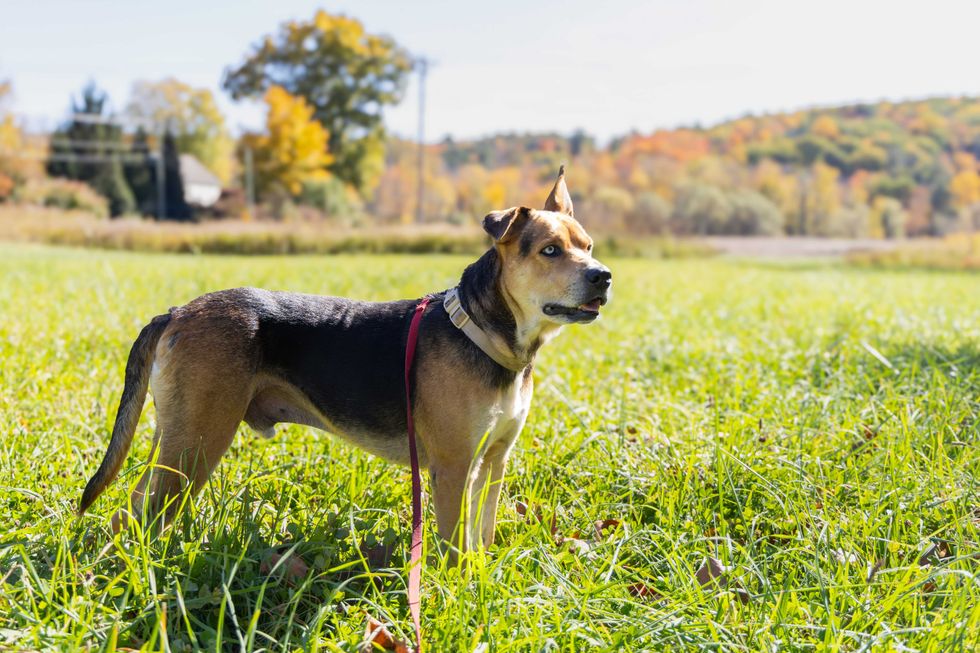 Blue, a 7 year-old Shepard mix, is waiting for his forever home. Madi Long