SHARON – What do you call a pond with no fish that disappears for half the year? Scientists call it a vernal pool, and it is no riddle, but a vital component of the Northwest Corner’s woodland ecosystems.
Much like a riddle, however, these murky, transient ponds harbor secrets below the surface, and with a little prodding, can reveal surprising truths. On Saturday, April 11, the Sharon Land Trust hosted an evening hike in the aim of doing just that and demystifying these misunderstood resources.
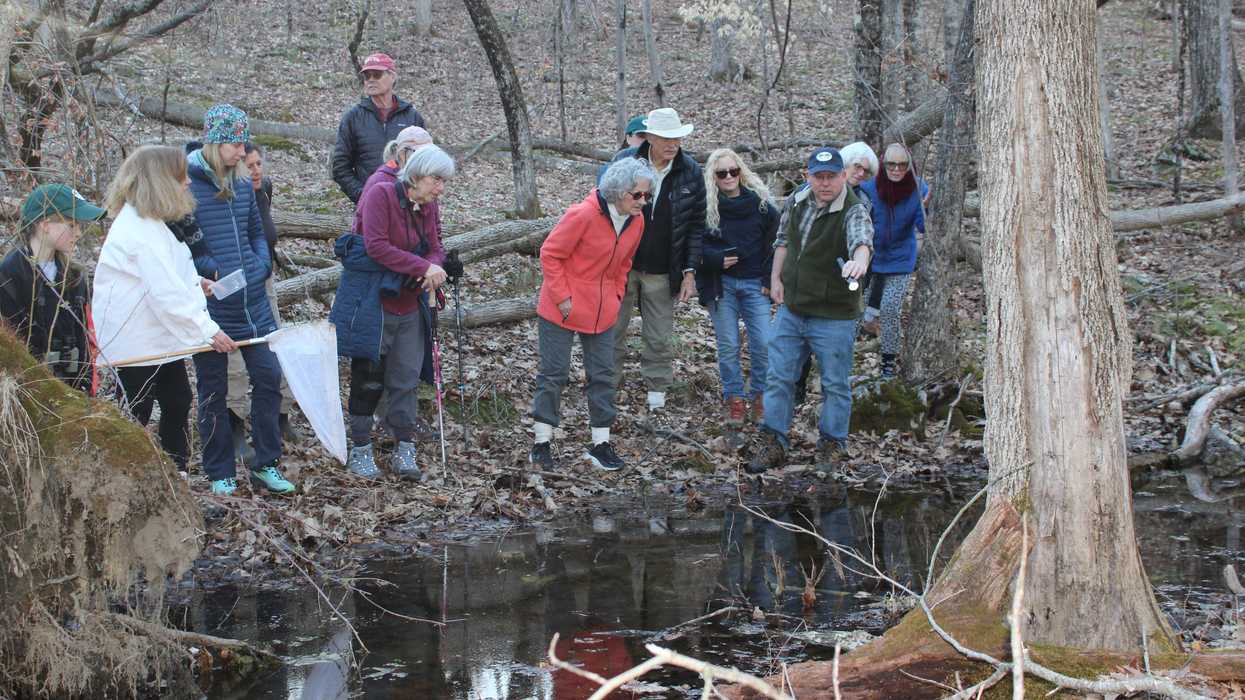
As the sun was setting high on the ridge of Red Mountain, local science teacher Joseph Markow – who guided the excursion alongside landscape professional and sustainability expert Robin Zitter and Sharon Land Trust staff – pointed to a depression full of inky black water.
Without vernal pools, he said, “wood frogs would disappear very quickly.” The wood frog, a small, primarily land-dwelling amphibian, is an example of an “obligate” species, Markow explained – an animal that has adapted to rely on ephemeral wetlands to breed since they are devoid of fish, which eat the eggs and young of amphibians.
As Markow spoke, he gestured towards a lumpy, jelly-like mass half submerged in the murk that resembled a clump of soaked chia seeds: a cluster of wood frog eggs. An undiscerning developer may not notice the signs of life in what otherwise looks like a puddle in the woods, he said. And if the survey is done when the summer heat has dried up the pond, the habitat may be missed entirely.
Zitter sits on Sharon’s Inland Wetlands and Watercourses Commission, which co-hosted Saturday evening’s hike, and said that this is a reason the town needs to codify protections for these delicate resources that so many species, especially amphibians, rely on. She said the IWWC is taking steps to insert those protections into the town’s Plan of Conservation and Development, a ten-year guidance document that is due for an update this year.
 Alec Linden
She pointed out many species that rely on vernal pools actually spend most of their lives in the terrestrial territory surrounding it – known by ecologists as “upland” habitat. It’s not only the ponds themselves that need protection, she explained, but the broader landscape that supports these types of wetlands.
Luckily, the vernal ponds on Red Mountain are in no immediate danger, at least from development. Its ridgeline and expansive, wooded slopes are part of a network of protected forest and agricultural lands. The Sharon Land Trust’s 278-acre Hamlin Preserve, within which Saturday’s hike was held, connects to the Mary Moore Preserve, another Land Trust property, via a trail that traverses easement-conserved land on the Wike Farm.
The hilltop forest was relatively quiet Saturday evening, which Markow attributed to a brisk wind and recent cold. Like humans, frogs prefer to wait for more comfortable conditions before breaking out in springtime song.
On a warmer evening, Markow said the area around the pond would likely be abuzz with a shrill chorus from the spring peepers – tiny tree frogs whose emergence is a classic symbol of the end of a New England winter.
Markow said that close, extensive exposure to the pitchy trill of spring peepers can actually damage hearing. “They’re louder than a rock concert at times,” he said, reaching 90 decibels at close range.
Markow was ready for a subdued night. Before taking the group into the woods, he gave a presentation with a cast of critters he’d plucked from a vernal pool near his house earlier in the day. A microscope setup provided viewers with an up-close view of the tiny and aptly named fingernail clam, which spends its entire lifespan in vernal pools, burying itself in moist mud to survive when the water dries up.
He also demonstrated another uniquely adapted species. “You’ll see a stick just get up and start walking around,” he said while passing around a small sample vial with a wriggling brown mass inside, “and that’s a caddisfly.” The resourceful larvae of these insects use found materials in the vernal pools to create a protective armor around themselves.
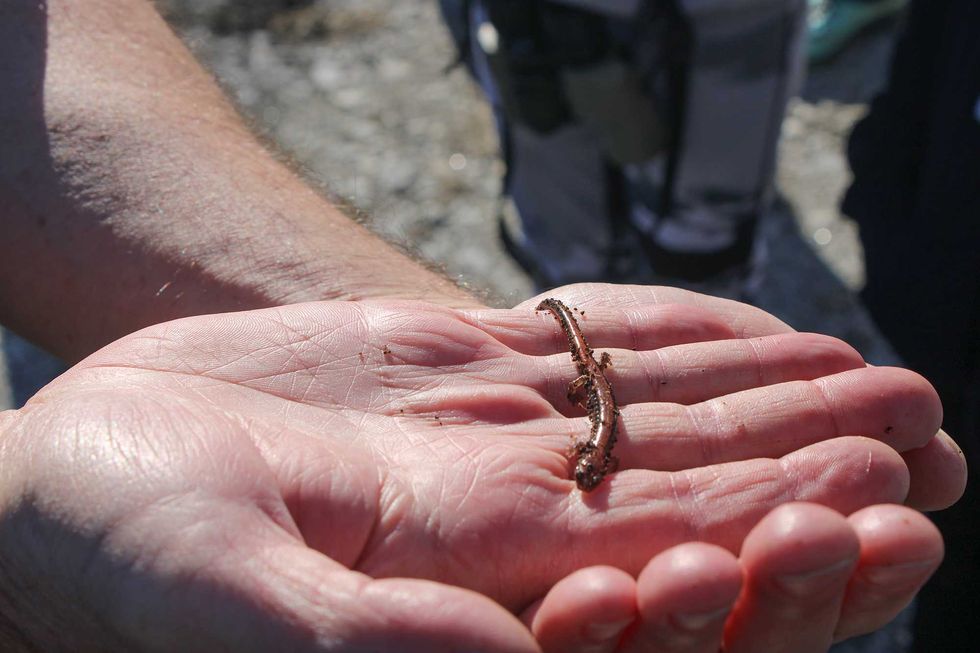
The crowd favorite was a small red-backed salamander that he showed off straight from the palm of his hand. “It’s cool enough today that they are pretty calm,” he said, just before the amphibian started to wriggle with purpose. “It’s waking up in your hand!” came a shout from the crowd.




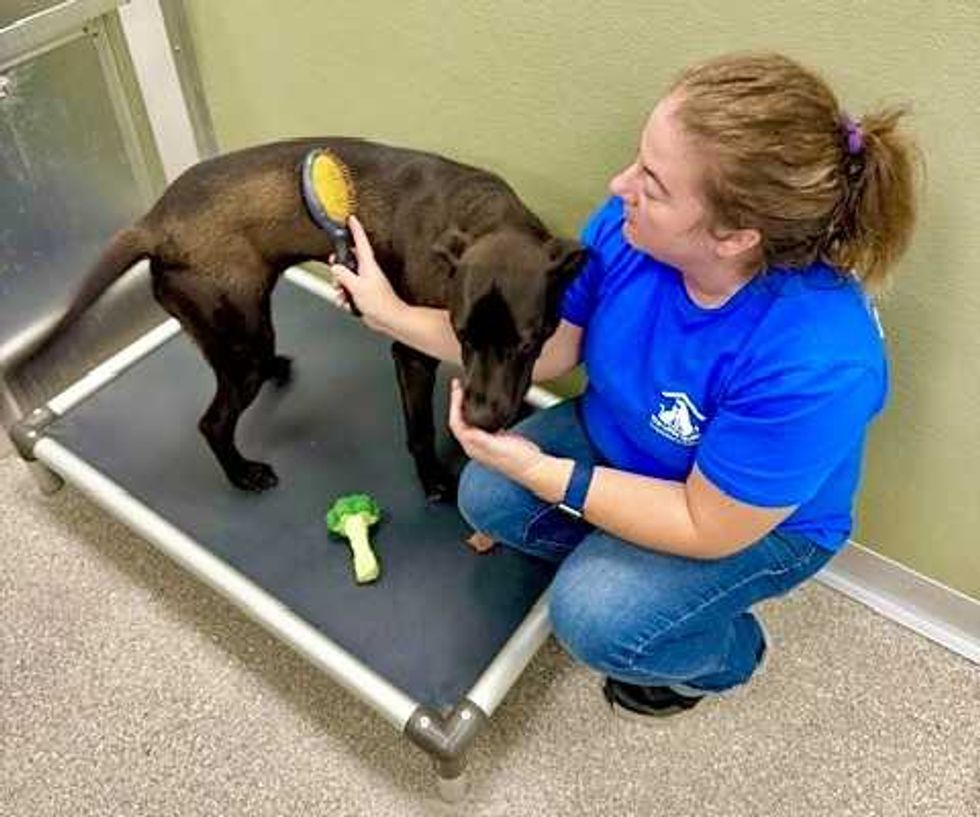 Tiffany Lemelin, shelter manager, brushing Marsala upon arrival.Provided
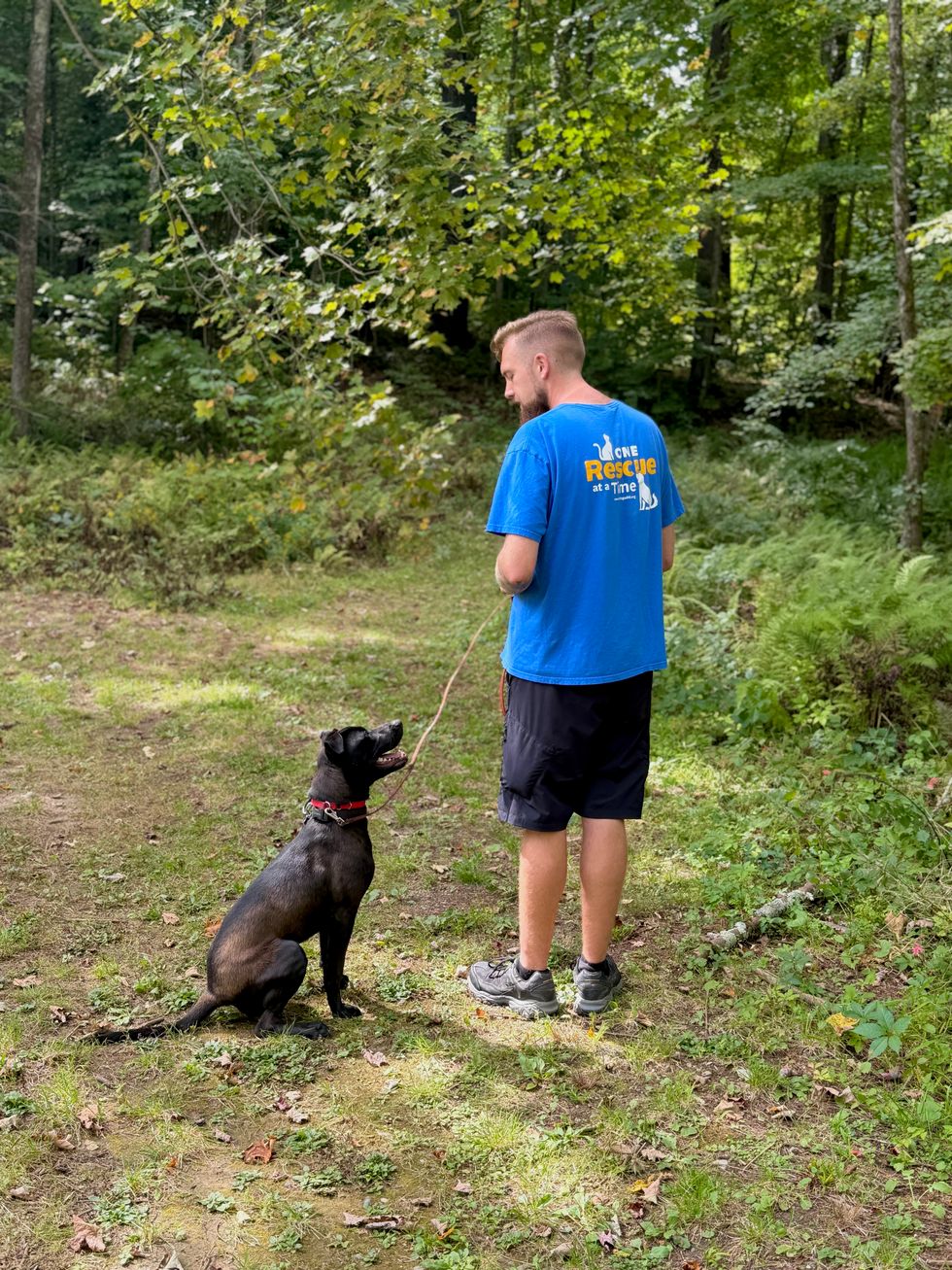 Michael DeBarba, certified dog trainer working with Marsala.Jennifer Almquist
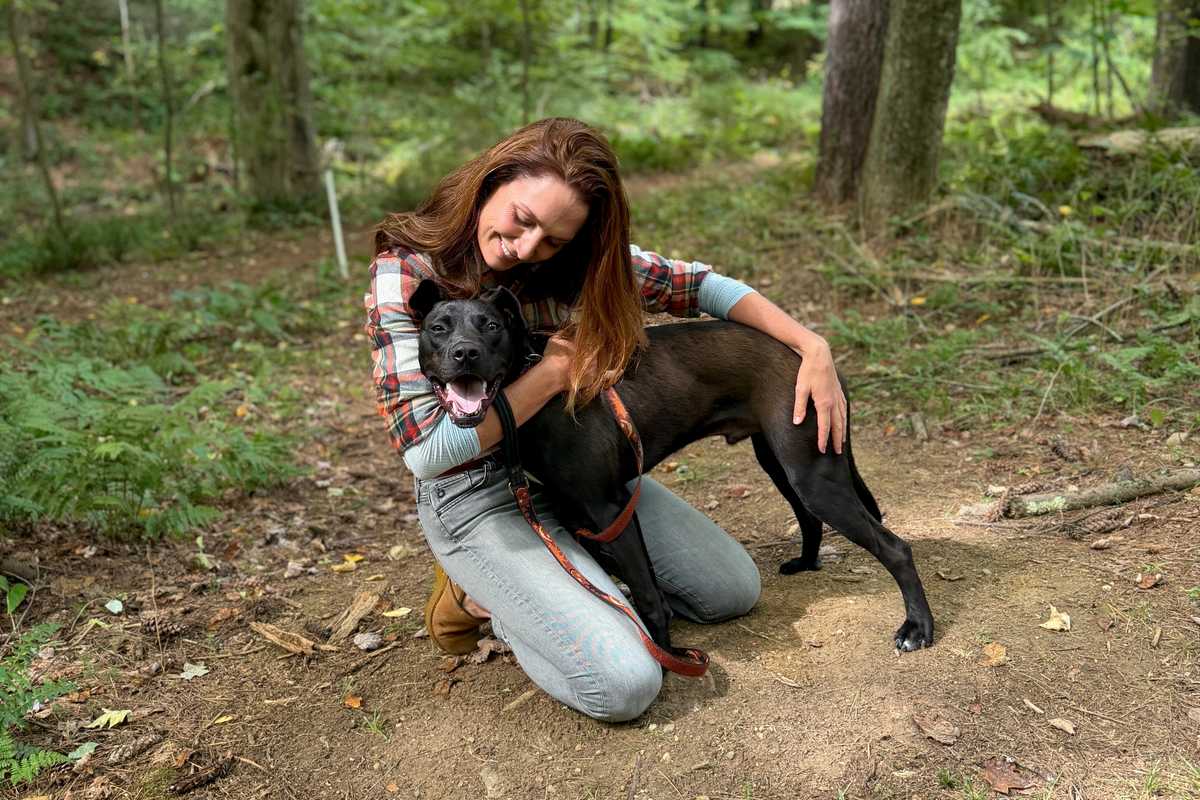 Marsala wins a heart.Jennifer Almquist

 Sadie, center, a Carolina dog, plays with her friend Negra, a terrier mix. Bella Linda, the small poodle, has since been adopted.L. Tomaino
 Wesley, a young, exuberant mix, is looking for an active home.L. Tomaino
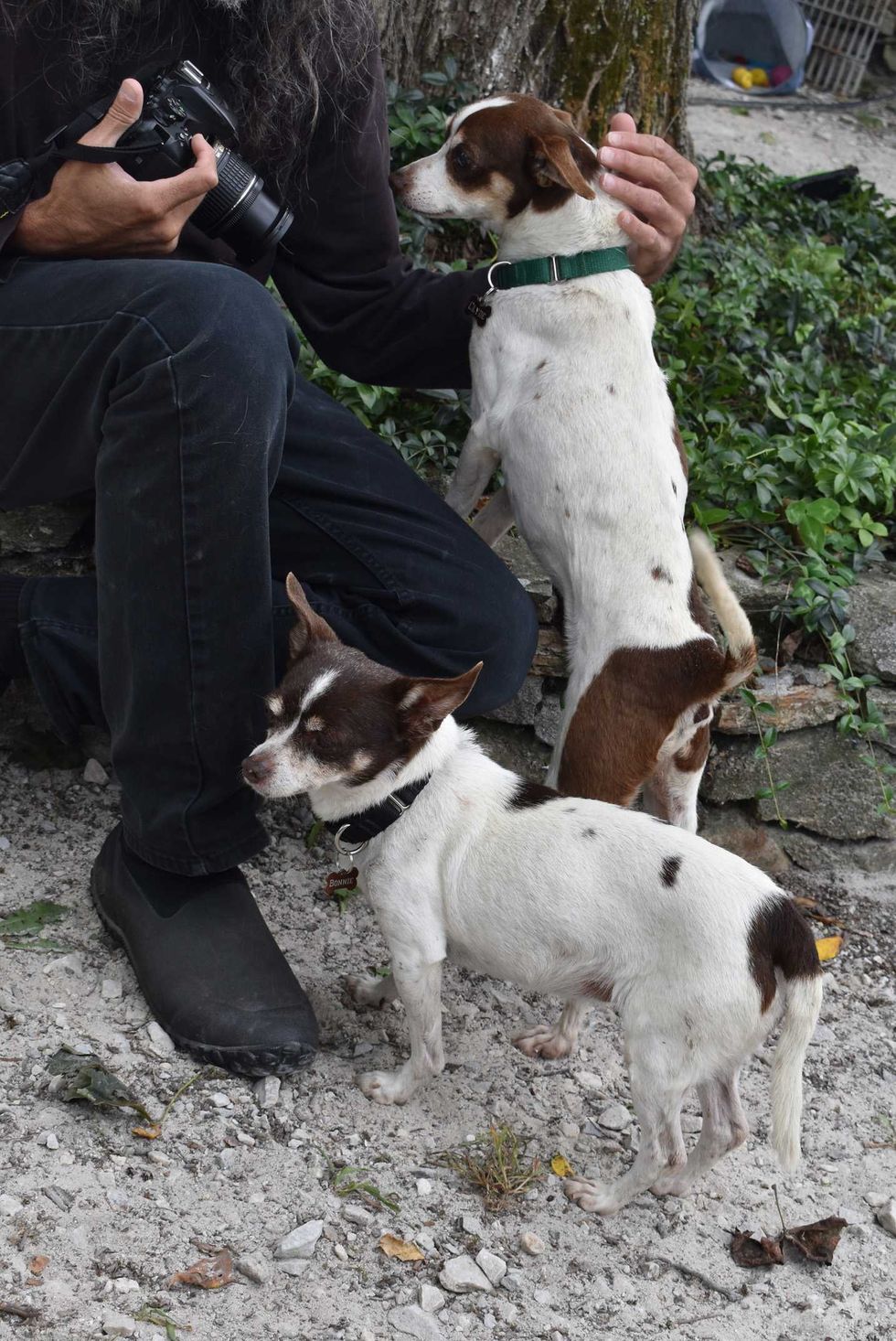 Bonnie and Clyde, an affectionate terrier pair.L. Tomaino

 Provided