New electronics make new types of trash to dispose of

Dear EarthTalk: What can we do to solve the e-waste problem caused by so many of us tossing our cell phones out and getting new ones every two years?

Sandy Bartram

Beverly Hills, Calif.


As more and more of the world develops — and smartphones become ubiquitous — electronic waste (AKA “e-waste”) is a bigger problem than ever. 

Around the world, people generate some 50 million tons of e-waste every year, much of which ends up improperly disposed of in landfills where toxins common in electronics like lead, mercury and cadmium can leach out and contaminate surrounding soils and groundwater. Much of the remaining e-waste gets shipped off to developing countries happy to profit from taking others’ trash despite the environmental consequences, or even worse, just dumped illegally into the ocean.

But thanks to consumer pressure to do the right thing, most major electronics manufacturers have started to pay attention to the problem and take action to reduce the flow of e-waste. 

Apple, for instance, long targeted by Greenpeace and others for lack of concern about the environmental and health impacts of its sourcing and production processes, has made great strides in the last five years in recovering customers’ old products and reusing the constituent parts in new products. 

In 2015 alone, the company collected some 90 million pounds of Apple-branded e-waste, recovering upwards of 61 million pounds of material, including steel, plastics, glass, aluminum, copper, cobalt, zinc, lead, nickel, silver, tin and gold, to re-incorporate into new products. Environmental advocates who love their iPhones can sleep easier knowing that lead, mercury, beryllium, arsenic, PVC, phthalates and brominated flame retardants (BFRs) are no longer welcome in or will soon be phased out of Apple’s supply chain.

But most of us upgrade our smartphones every two years, so that means that even today’s greener iPhones still contribute to the e-waste problem. That’s where Europe’s Fairphone comes to the rescue. By incorporating long-lasting design and fair-traded materials, ensuring good working conditions and making products that are fully recyclable, easy-to-fix and reusable, Fairphone hopes to revolutionize the smartphone market with its eco-conscious products.

As the electronics industry matures and moves toward more sustainable components, that combined with better design can also help reduce the steady stream of e-waste. 

For instance, researchers at Lawrence Livermore National Laboratory have come up with a way to extend the life and boost the productivity of lithium ion batteries — the standard power source in today’s electronics — by treating their electrodes with hydrogen. Such a development could be huge for preventing e-waste, given that most of us toss our old phones within two years when the battery inside starts to deteriorate and underperform.

Choosing carefully when it comes to selecting your next smartphone and recycling your old one for free at BestBuy or through its manufacturer are important first steps in becoming part of the solution to the growing problem of e-waste. Becoming an advocate by encouraging others to do the same is another way to greatly expand your positive impact. 

The non-profit e-Stewards program teachies people how to deal with used electronics — and individuals can pledge to become one of the program’s Envoys to help spread the word about the importance of reducing e-waste.

Latest News

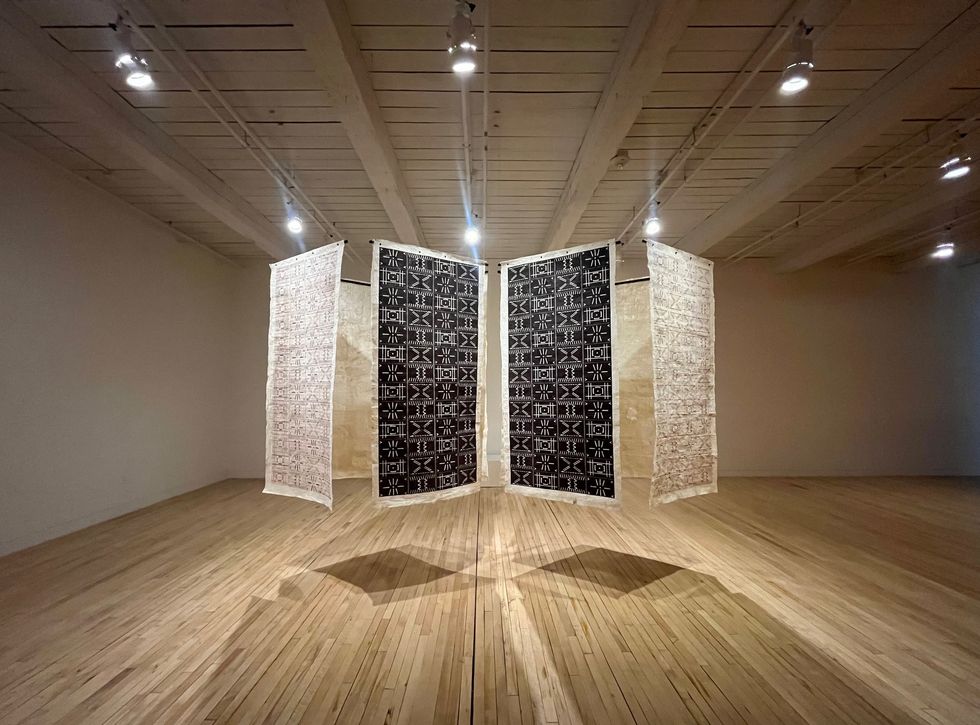
Living art takes center stage in the Berkshires

Contemporary chamber musicians, HUB, performing at The Clark.

D.H. Callahan

Northwestern Massachusetts may sometimes feel remote, but last weekend it felt like the center of the contemporary art world.

Within 15 miles of each other, MASS MoCA in North Adams and the Clark Art Institute in Williamstown showcased not only their renowned historic collections, but an impressive range of living artists pushing boundaries in technology, identity and sound.

Keep ReadingShow less
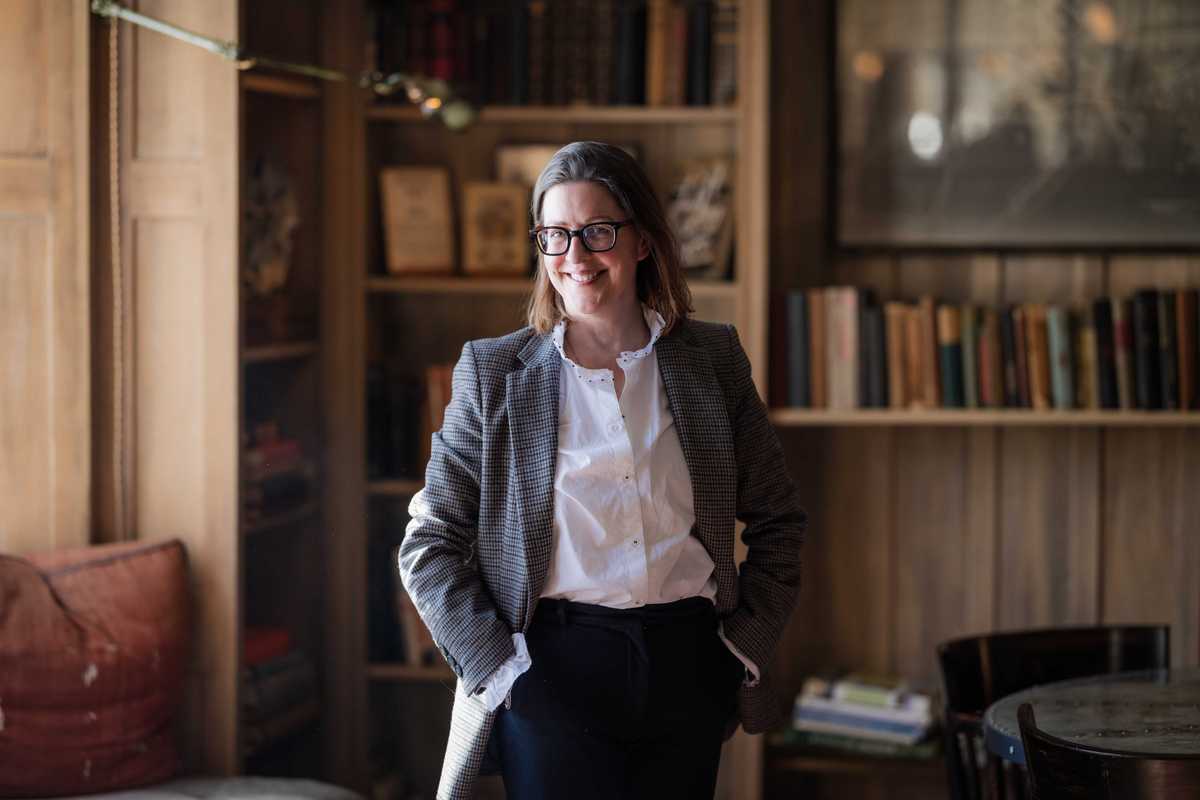
Persistently amplifying women’s voices

Francesca Donner, founder and editor of The Persistent. Subscribe at thepersistent.com.

Aly Morrissey

Francesca Donner pours a cup of tea in the cozy library of Troutbeck’s Manor House in Amenia, likely a habit she picked up during her formative years in the United Kingdom. Flanked by old books and a roaring fire, Donner feels at home in the quiet room, where she spends much of her time working as founder, editor and CEO of The Persistent, a journalism platform created to amplify women’s voices.

Although her parents are American and she spent her earliest years in New York City and Litchfield County — even attending Washington Montessori School as a preschooler — Donner moved to England at around five years old and completed most of her education there. Her accent still bears the imprint of what she describes as a traditional English schooling.

Keep ReadingShow less
Jarrett Porter on the enduring power of Schubert’s ‘Winterreise’
Baritone Jarrett Porter to perform Schubert’s “Winterreise”
Tim Gersten

On March 7, Berkshire Opera Festival will bring “Winterreise” to Studio E at Tanglewood’s Linde Center for Music and Learning, with baritone Jarrett Porter and BOF Artistic Director and pianist Brian Garman performing Franz Schubert’s haunting 24-song setting of poems by Wilhelm Müller.

A rejected lover. A frozen landscape. A mind unraveling in real time. Nearly 200 years after its premiere, “Winterreise” remains unnervingly current in its psychological portrait of isolation, heartbreak and existential drift.

Keep ReadingShow less
google preferred source

Want more of our stories on Google? Click here to make us a Preferred Source.

A grand finale for Crescendo’s 22nd season

Christine Gevert, artistic director, brings together international and local musicians for a season of rare works.

Stephen Potter

Crescendo, the Lakeville-based nonprofit specializing in early and rarely performed classical music, will close its 22nd season with a slate of spring concerts featuring international performers, local musicians and works by pioneering composers from the Baroque era to the 20th century.

Christine Gevert, the organization’s artistic director, has gathered international vocal and instrumental talent, blending it with local voices to provide Berkshire audiences with rare musical treats.

Keep ReadingShow less

Leopold Week honors land and legacy

Leopold Week honors land and legacy

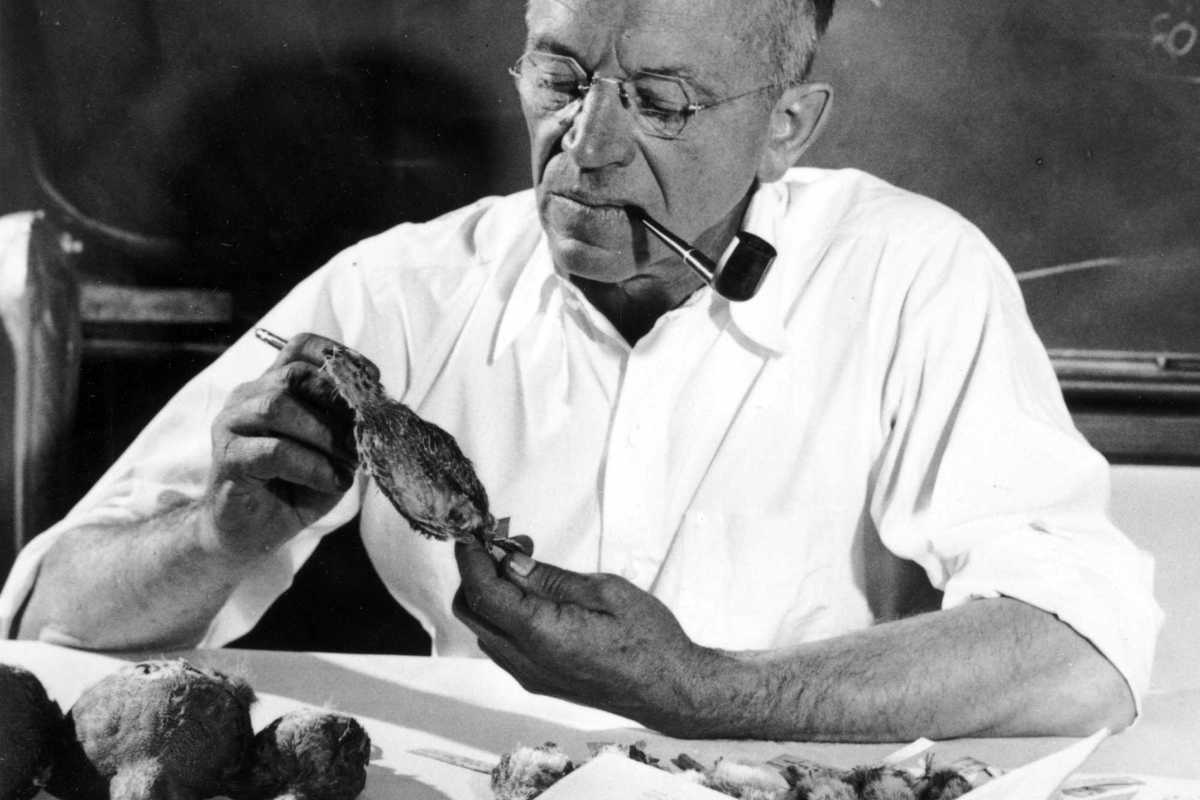
Aldo Leopold in 1942, seated at his desk examining a gray partridge specimen.

Robert C. Oetking

In his 1949 seminal work, “A Sand County Almanac,” Aldo Leopold, regarded by many conservationists as the father of wildlife ecology and modern conservation, wrote, “There are some who can live without wild things and some who cannot.” Leopold was a forester, philosopher, conservationist, educator, writer and outdoor enthusiast.

Originally published by Oxford University Press, “A Sand County Almanac” has sold 2 million copies and been translated into 15 languages. On Sunday, March 8, from 3 to 5 p.m. in the Great Hall of the Norfolk Library, the public is invited to a community reading of selections from the book followed by a moderated discussion with Steve Dunsky, director of “Green Fire,” an Emmy Award-winning documentary film exploring the origins of Leopold’s “land ethic.” Similar reading events take place each year across the country during “Leopold Week” in early March. Planning for this Litchfield County reading began when the Norfolk Library received a grant from the Aldo Leopold Foundation, which provided copies of “A Sand County Almanac” to distribute during the event.

Keep ReadingShow less

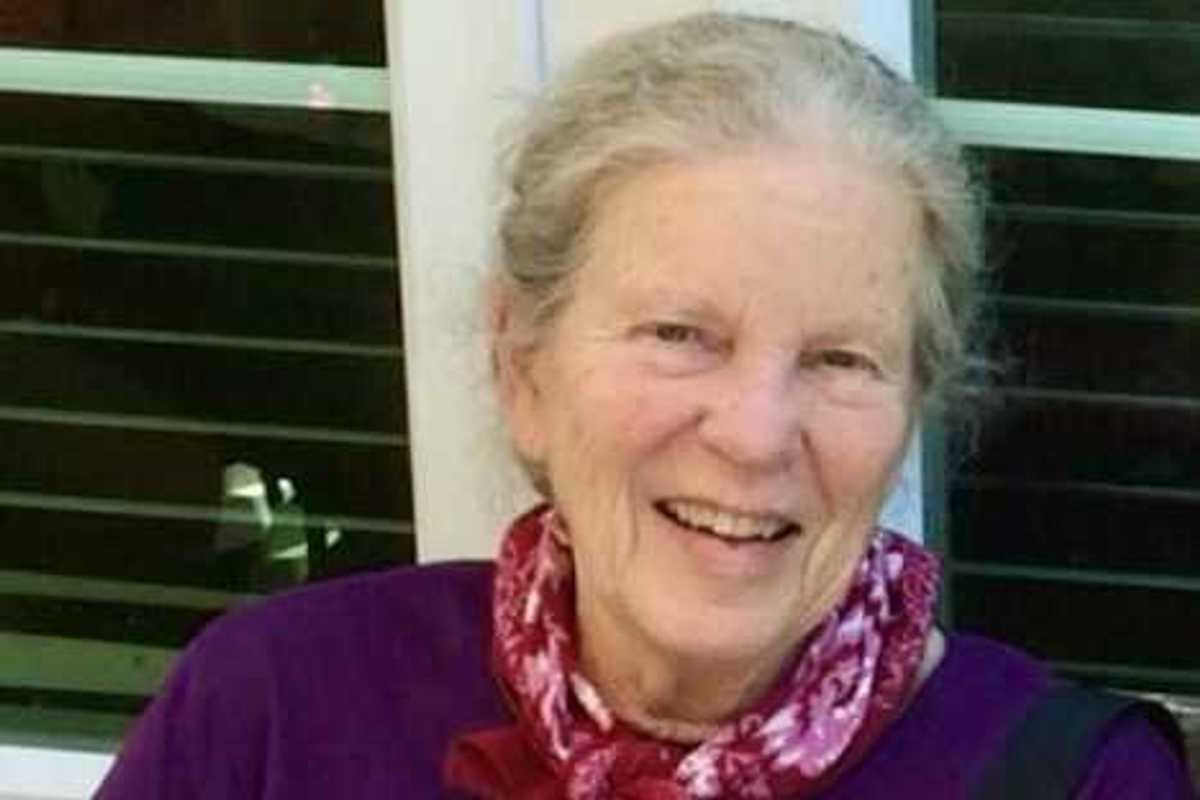
Erica Child Prud’homme

Erica Child Prud’homme

WEST CORNWALL — Erica Child Prud’homme died peacefully in her sleep on Jan. 9, 2026, at home in West Cornwall, Connecticut, at 93.

Erica was born on April 27, 1932, in Doylestown, Pennsylvania, the eldest of three children of Charles and Fredericka Child. With her siblings Rachel and Jonathan, Erica was raised in Lumberville, a town in the creative enclave of Bucks County where she began to sketch and paint as a child.

Keep ReadingShow less
google preferred source

Want more of our stories on Google? Click here to make us a Preferred Source.
google preferred source

Want more of our stories on Google? Click here to make us a Preferred Source.