WASHINGTON — On Jan. 1, the latest in a series of electronic waste laws in New York state became effective, requiring residents to properly recycle electronics covered by the Electronic Equipment Recycling and Reuse Act. While the New York state law puts sole responsibility on manufacturers to handle the collection and recycling of e-waste, the town of Washington Transfer Station is in the process of becoming a registered e-waste collection site. Until registered, however, the Transfer Station cannot accept, or even store, any electronic equipment.There are no fees for registering or for the pick up of the e-waste collected at the Transfer Station. In fact, Jim Brownell, Transfer Station attendant, expects the town to be paid by the hauler he has contacted, for the material collected. Fees already in place at the Transfer Station, for leaving a computer, $5, and a television, $10, are not expected to increase either. The purchase of a small container is required.“We are registering to become an Electronic Equipment Recycling Collection site for the convenience of our residents and also because if we don’t — it will end up on the side of the road.” Brownell said. In fact, that is exactly what happened recently, when an old television was dumped at the foot of Milewood Road, he added.Under the new law, residents are required to recycle electronic waste by dropping it off at a registered e-waste collection site or by returning it to an e-waste manufacturer, or risk being fined $100 each time they fail to do so.The Transfer Station expects to be registered as a collection site and have attendants trained in accepting, bagging and wrapping e-waste by the end of February. Until such time, they have a list of other Electronic Waste Collection Sites in Dutchess County, including some Staples stores and other towns, but advise calling ahead, as some sites may not accept particular types of equipment. Alternatively, hold on to electronics like computers and TVs until the end of February, when they can be brought to the Transfer Station. The proper disposal and reuse of e-waste has become more and more critical. According to the EPA, nationwide, our electronic waste is growing two to three times faster than any other waste stream. As technological advances continue to improve electronics and lower prices, electronic equipment is more readily discarded and replaces computers and other items more readily. Coupled with the fact that electronic equipment often contains lead, mercury and cadmium, the growing amount of e-waste poses increasing health and environmental threats. Without a federal mandate on e-waste, it’s up to individual states to take the lead. New York and 24 other states now have electronics recycling laws, and New York has the distinction of having the most comprehensive e-waste recycling law in the nation, according to the Electronics Recycling Coordination Clearinghouse or ERCC. Information, including a full list of the electronic equipment covered by the recycling law, can be found online at https://www.dec.ny.gov/chemical/66872.html.
Latest News
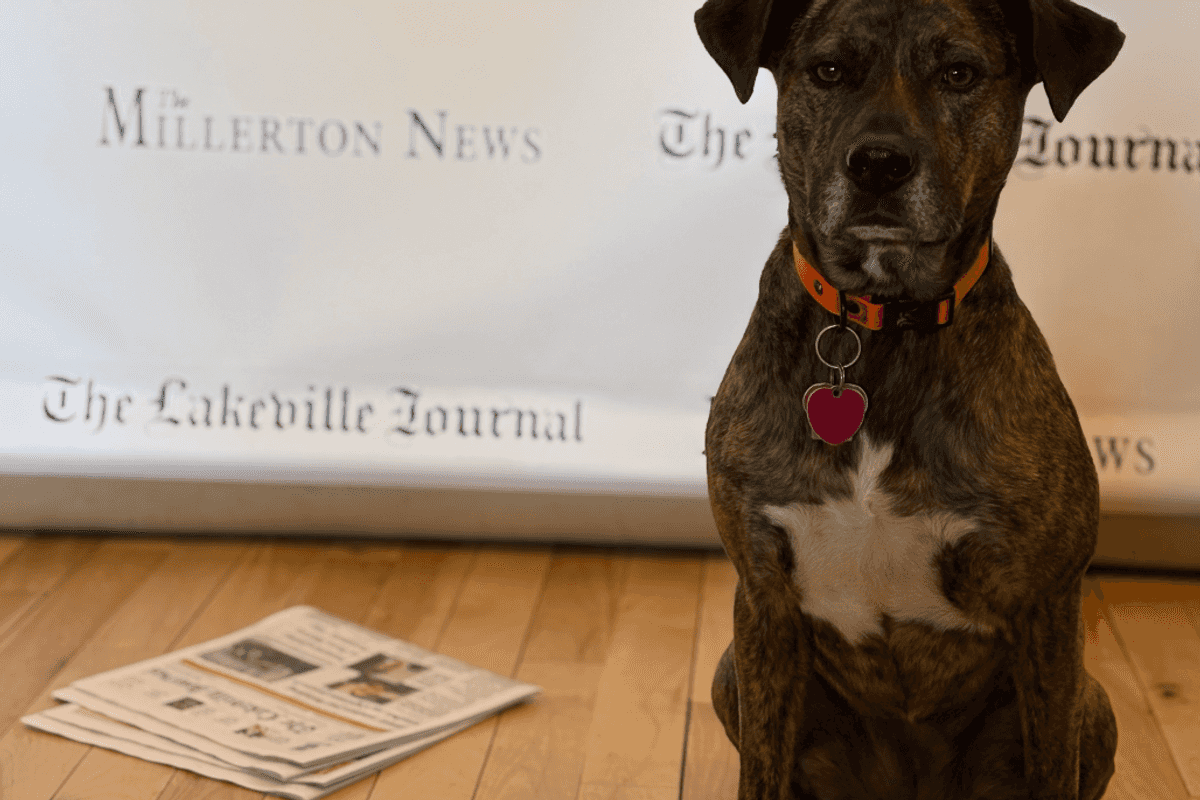
Georgie, the resident office dog at The Lakeville Journal and The Millerton News.
They're our walking buddies, couch companions, adventure partners and, of course, our favorite subjects to photograph.
We invited our community to introduce us to the pets who fill their lives with love. We're excited to share some of the adorable faces, funny personalities and furry friends that make our lives so special.
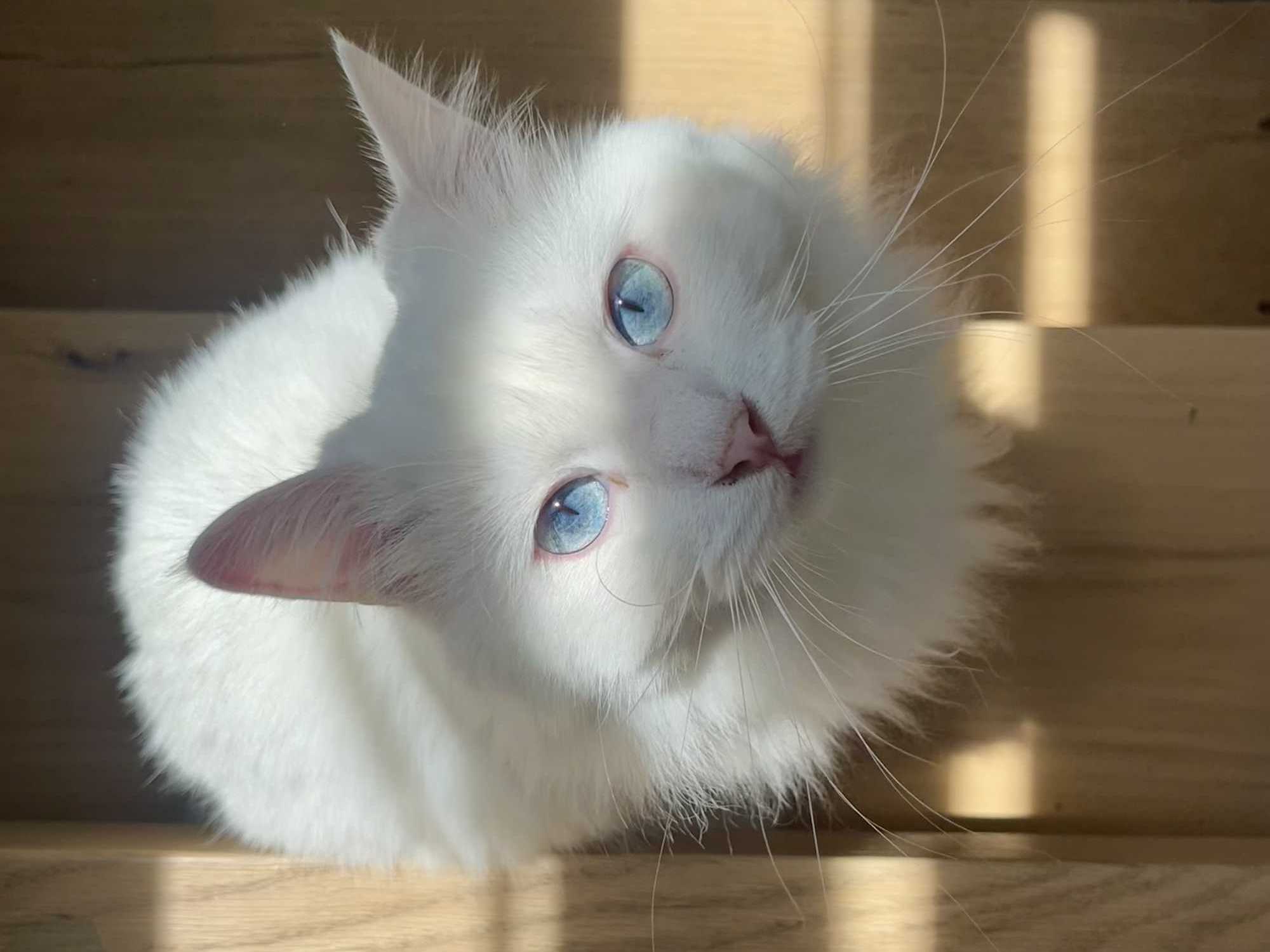
"Took" - Turkish Angora loved by Emily Peterson
Emily Peterson
Took, is a one-year-old Turkish Angora cat who lives in Falls Village. Fun fact: Took was named after the Hobbit Peregrin "Pippin" Took, from Lord of the Rings!
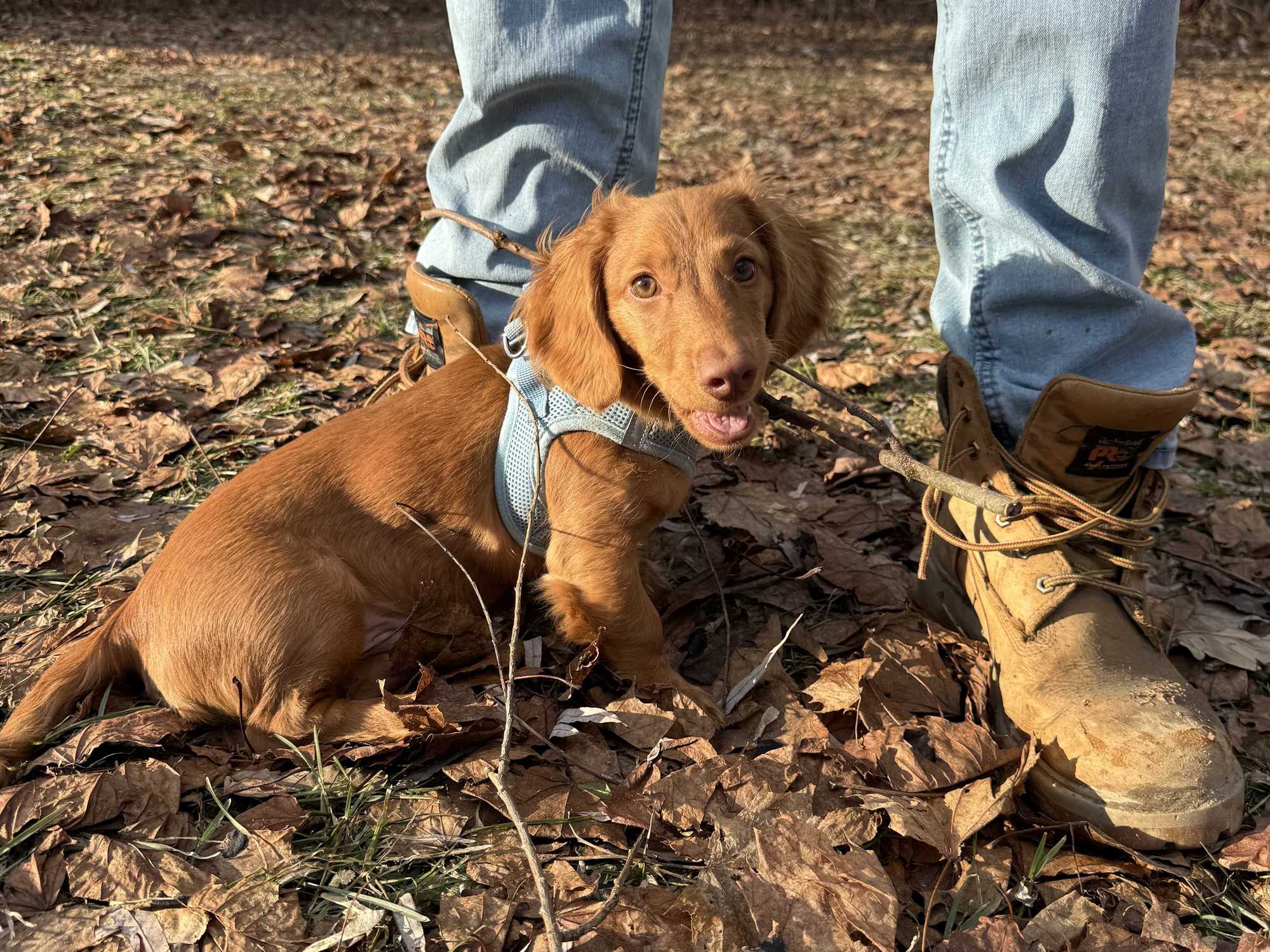
"Coop" - Dachshund loved by Karlee Mcghee
Karlee Mcghee
This is Coop, a cream/copper colored dachshund. He is a year old on October 11, and he lives in Sharon, CT. His favorite part about fall is chasing the leaves when they blow in the wind.
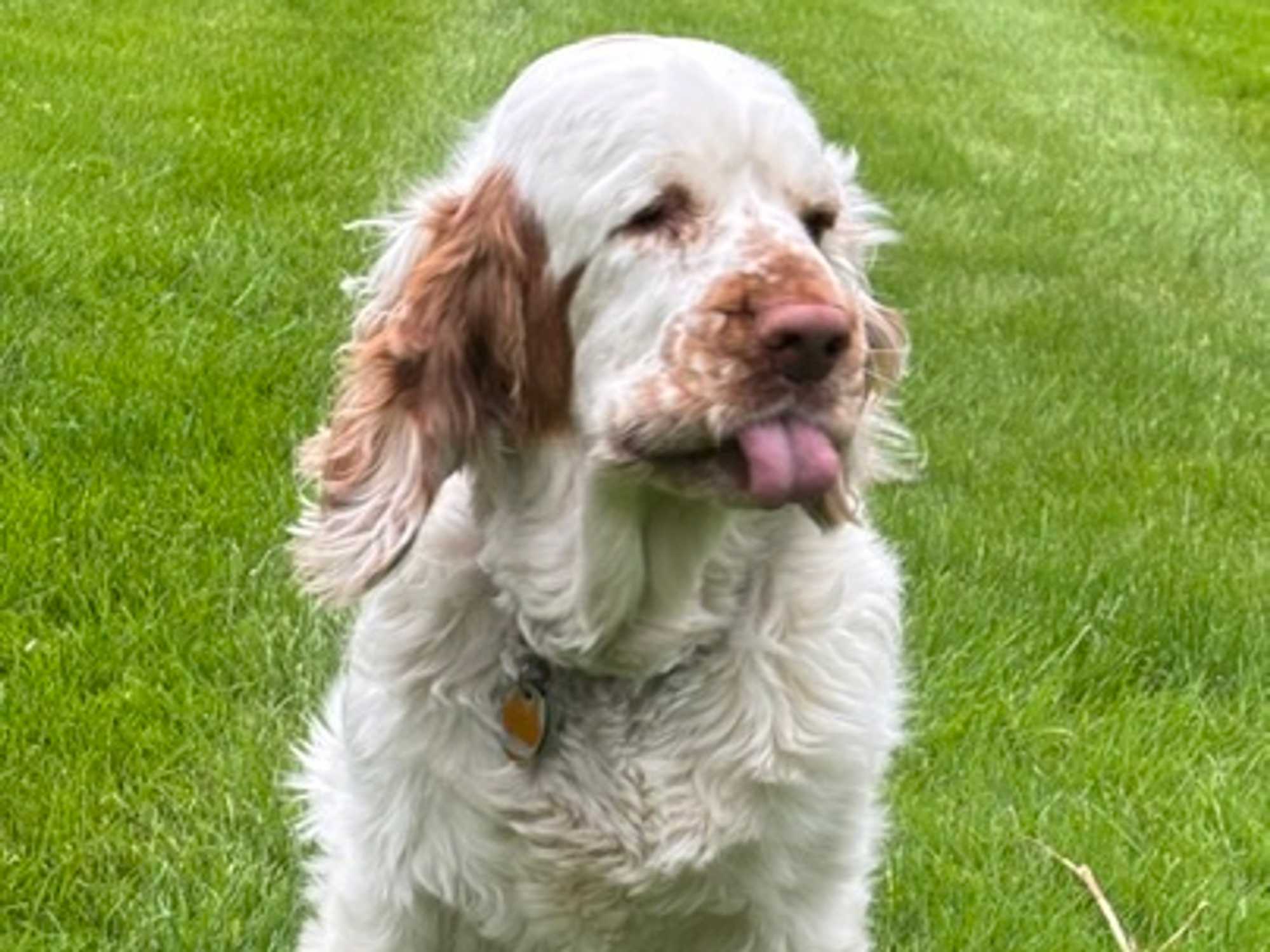
"Murray" - Clumber Spaniel loved by the Goldring Family
Daniel Goldring
This is Murray, a 5.5 year old Clumber Spaniel who is 60lbs of fun! He lives in Lakeville and can often be seen hiking Dark Hollow Road. Fun fact: he sits on the bench looking out the front window just to make sure we always come home. Works every time!
"Beni" - "Super Mutt" loved by Roxanne and Scott Bok

Roxanne Bok
Beignet “Beni” came to Roxanne and her husband, Scott, 2 years ago at 6 years of age. She is 8 different breeds, including “super mutt” - which is an actual category - but seems to identify as mostly terrier. She was originally rescued from a shelter in Louisiana, spent some time in foster with a FL veterinarian before coming to them. They had a rough first few months as she was fear-aggressive, especially regarding other dogs, but is still gaining confidence and trust. She is crazy for the woods and loves nothing better than digging for chipmunks in holes. They love her deeply and have learned the rich rewards of adopting. "Beni" lives in Salisbury, CT.
"Henry" - Jack Russell Terrier loved by Mimi Harson
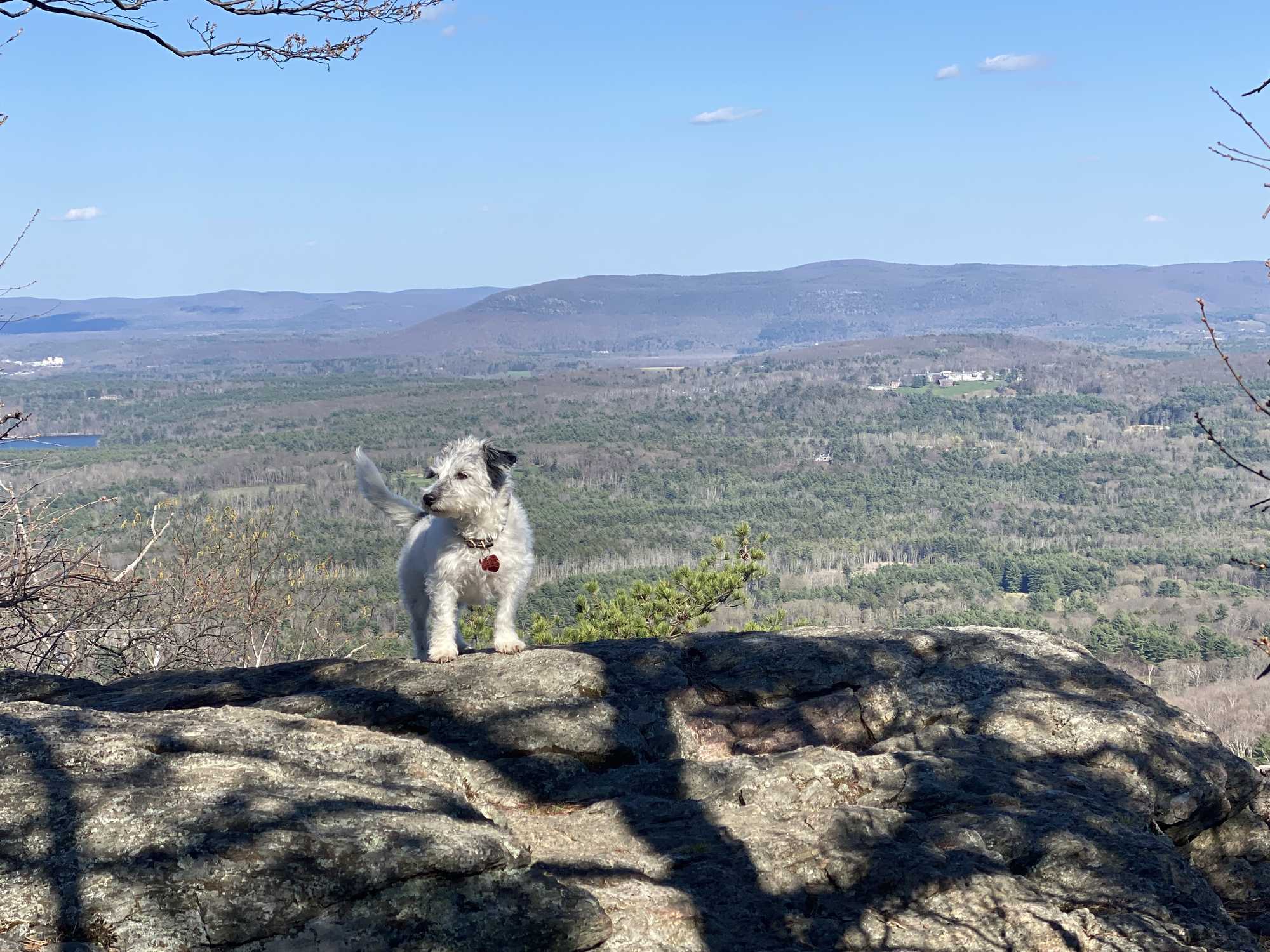
Mimi Harson
This is Henry, nickname Barky Sparky. He is a 14.5 yr old, 14lb, Jack Russell Terrier and loves to hike Lions Head with his mom.
"Charlie" - Standard Poodle loved by Gwen Greene
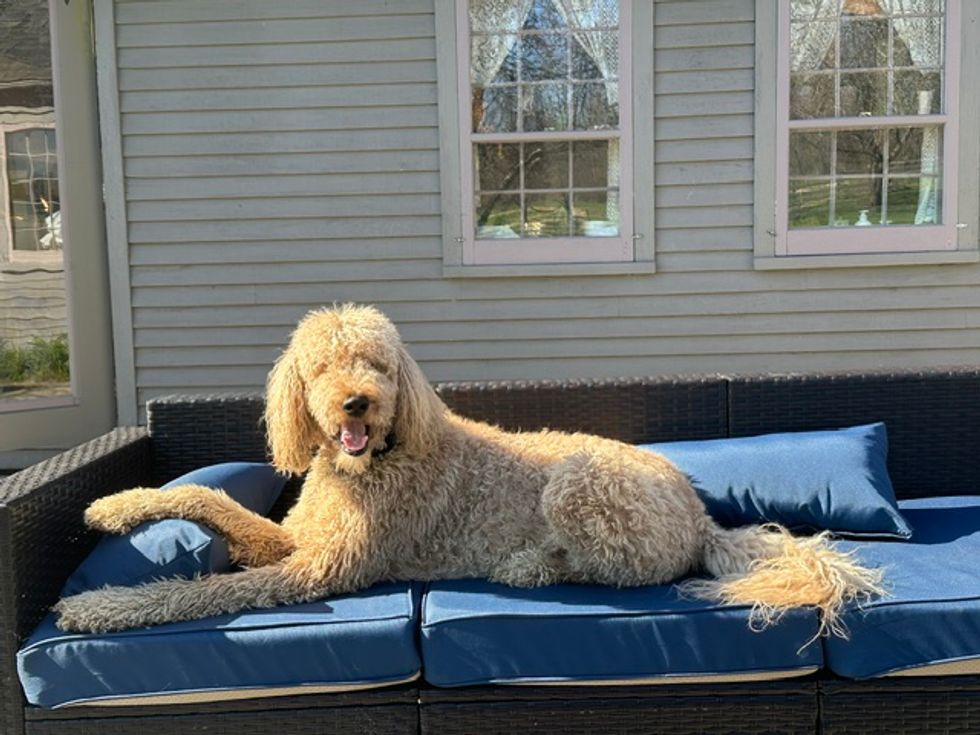
Gwen Greene
Charlie is a Standard Poodle born on January 20, 2021. He's a charmer and loves having his photos taken.
"Bella" - Portuguese Water Dog loved by Megan Jensen Sher
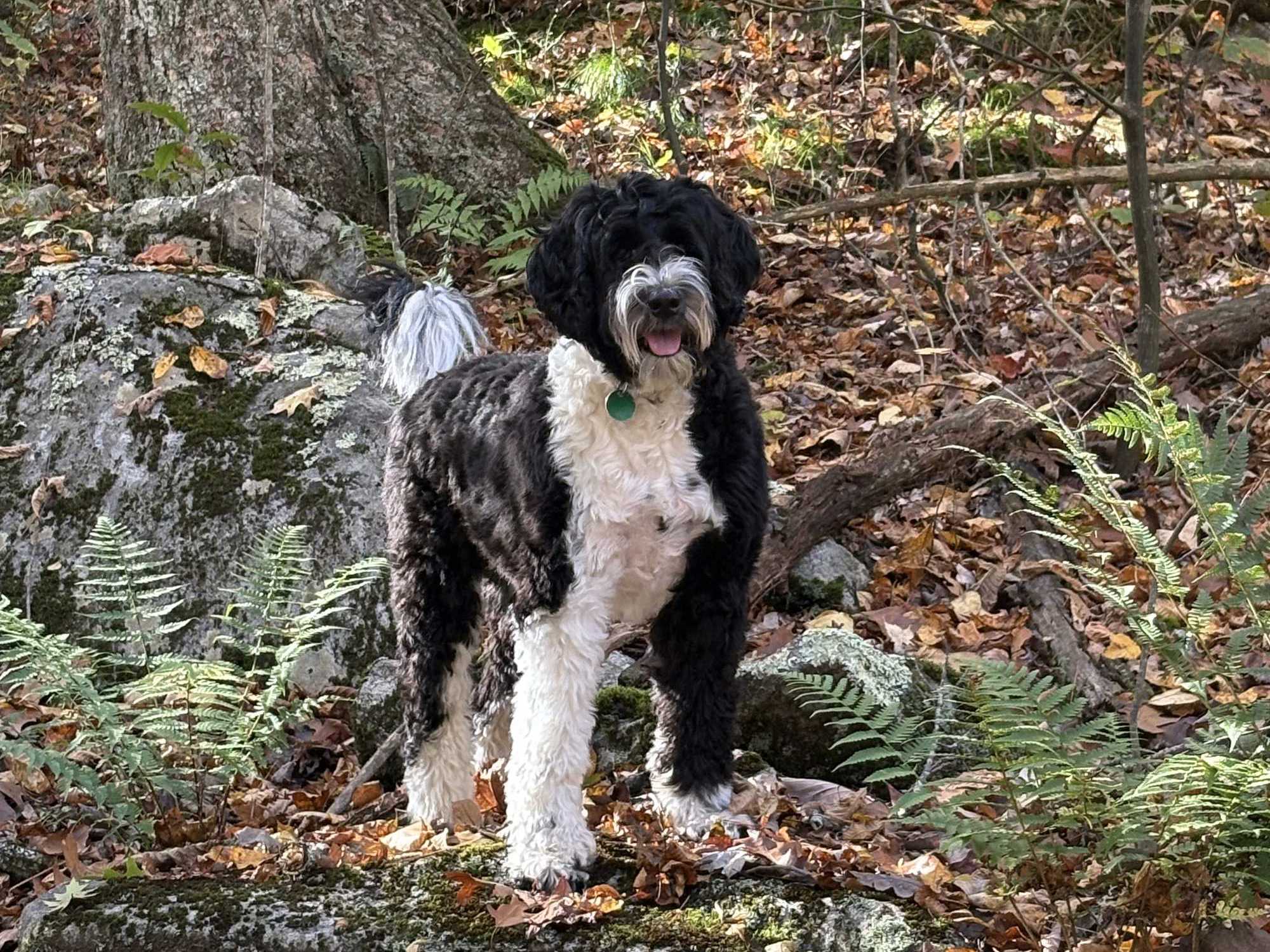
Megan Jensen Sher
Bella is a Portuguese Water Dog who lives in Falls Village. She came to Megan as a rescue from Texas last year.
"Maisie" - Lab mix loved by Alexandra Missett
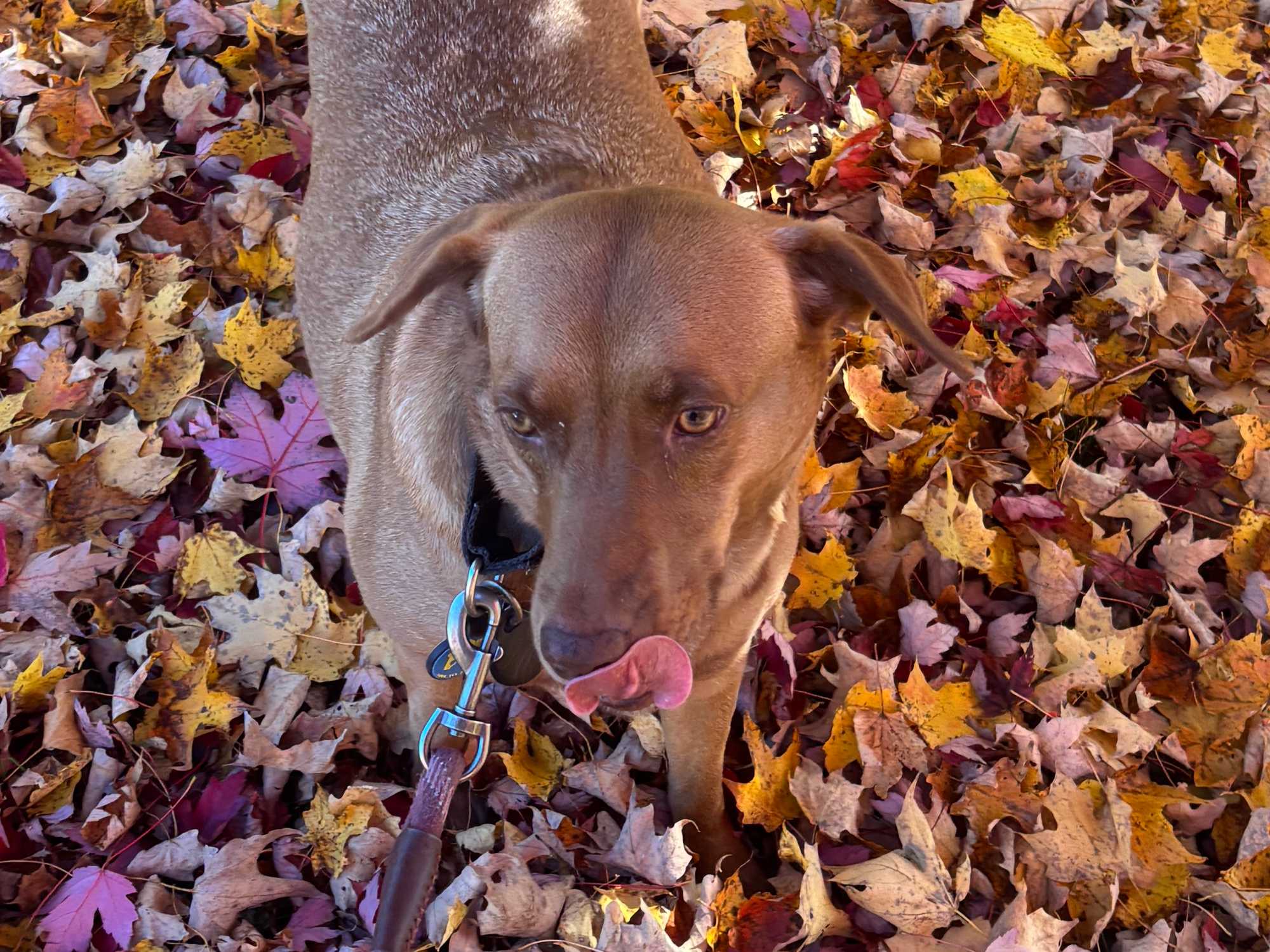
Alexandra Missett
Maisie is a lab mix from Millerton. Fun Fact: Maisie loves the snow, but hates the rain.
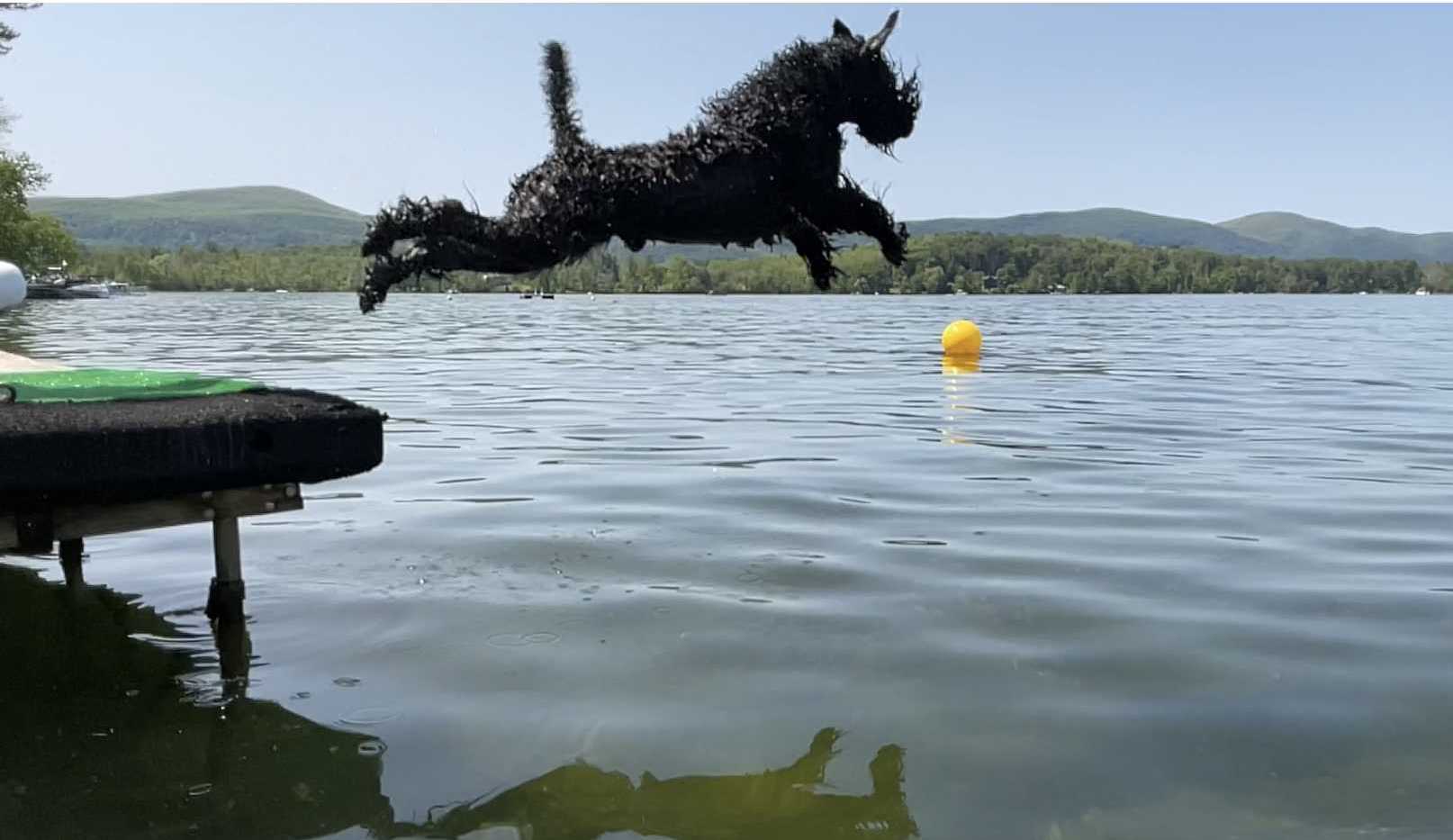
"Thorin" - Kerry Blue Terrier loved by Elizabeth Demetriades
Elizabeth Demetriades
Thorin is a Champion Kerry Blue Terrier who LOVES Twin Lakes where he practices for his Dock Diving Competitions! Fun Fact: Thorin has earned an AKC DJ Dock Junior Title!
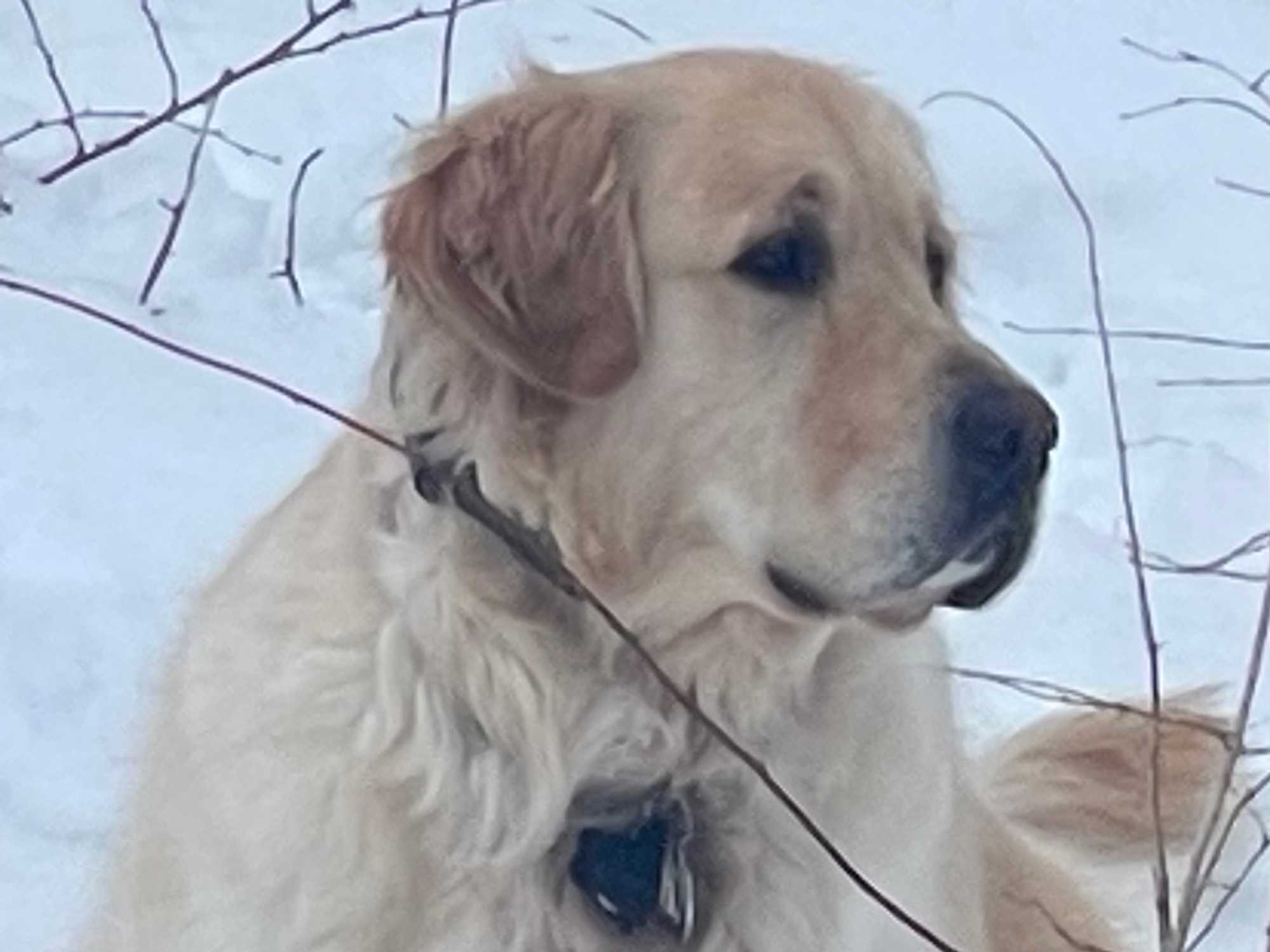
"Ralphie" - English Cream Golden Retriever loved by Colleen Kopec
Colleen Kopec
Ralphie Kopec is a 3 year old English Cream Golden Retriever. He's described as the smartest Golden ever!
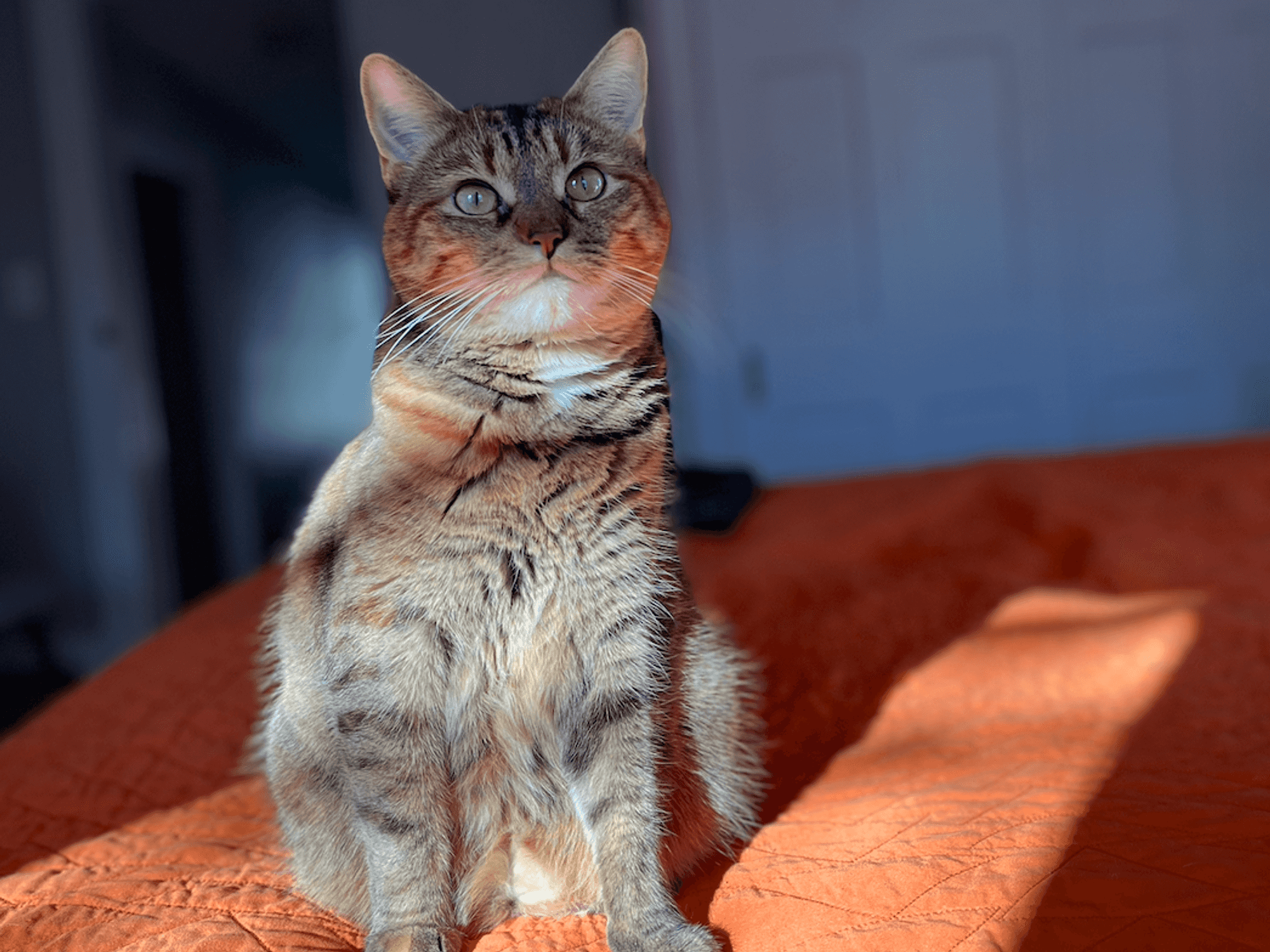
"Tiny" - Loved by Melissa Ferrick
Melissa Ferrick
Tiny is 5 years old and loves to be pet so much. She lives in Millerton, NY.
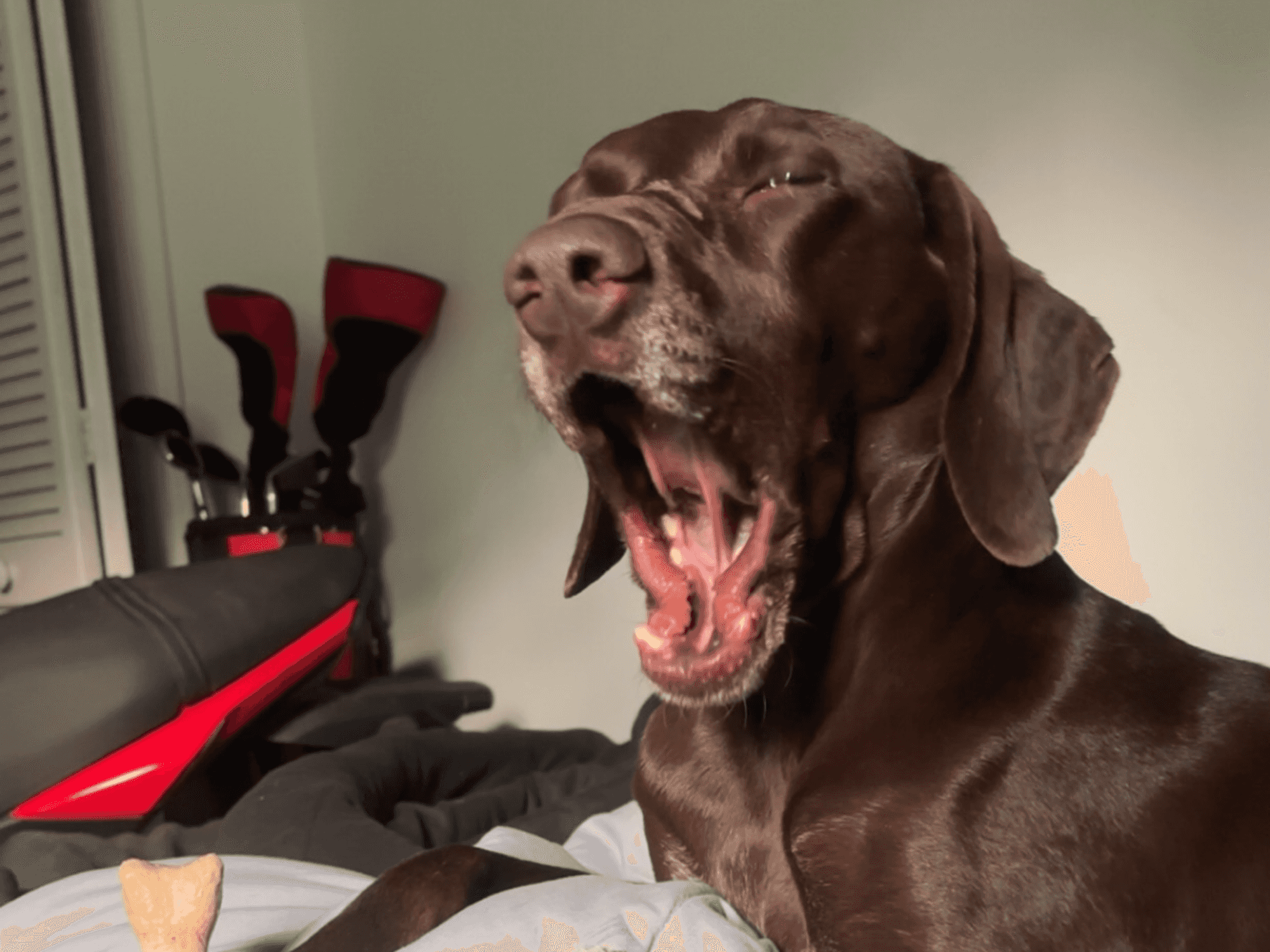
"Trixie" - German Short Haired Pointer loved by Andrew Lacasse
| Andrew Lacasse |
Trixie is a 5 year old German short haired pointer. She lives in Millerton, New York. She's extremely vocal she has no problem expressing what’s on her mind. She loves going for rides in the truck no matter what we are doing from tractor supply runs to plowing snow in the winter.
"Charlie" - Goldendoodle loved by Czarinna Andres and Family
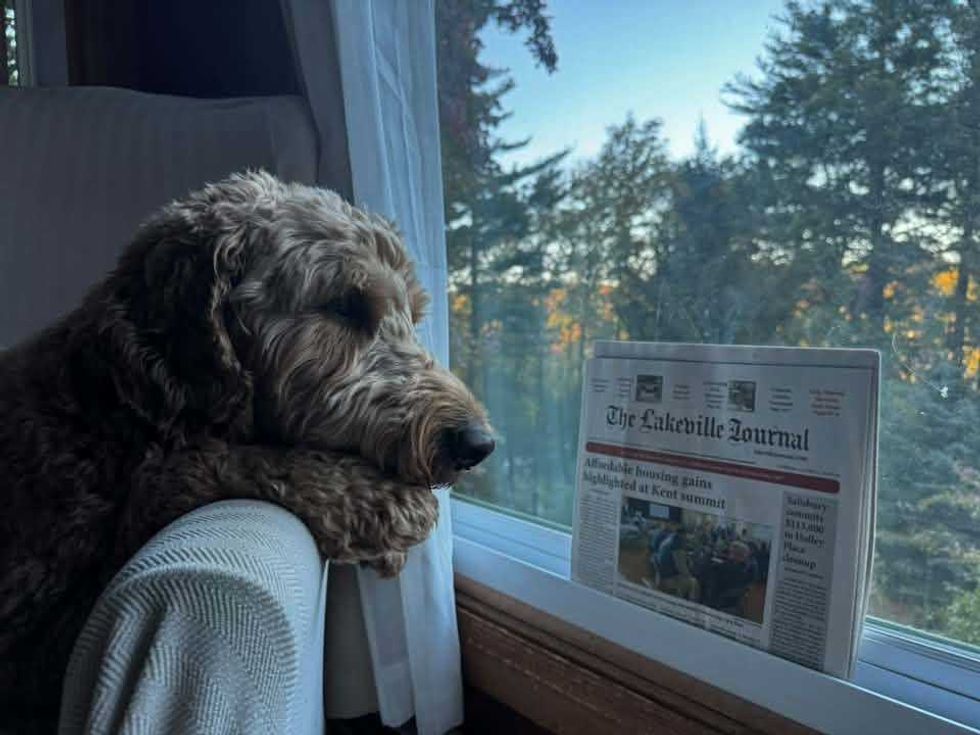
Czarinna Andres
Charlie, the Goldendoodle, reads the Lakeville Journal from his favorite spot in Harwinton!
"Roger" - Sphynx cat loved by D.H. Callahan
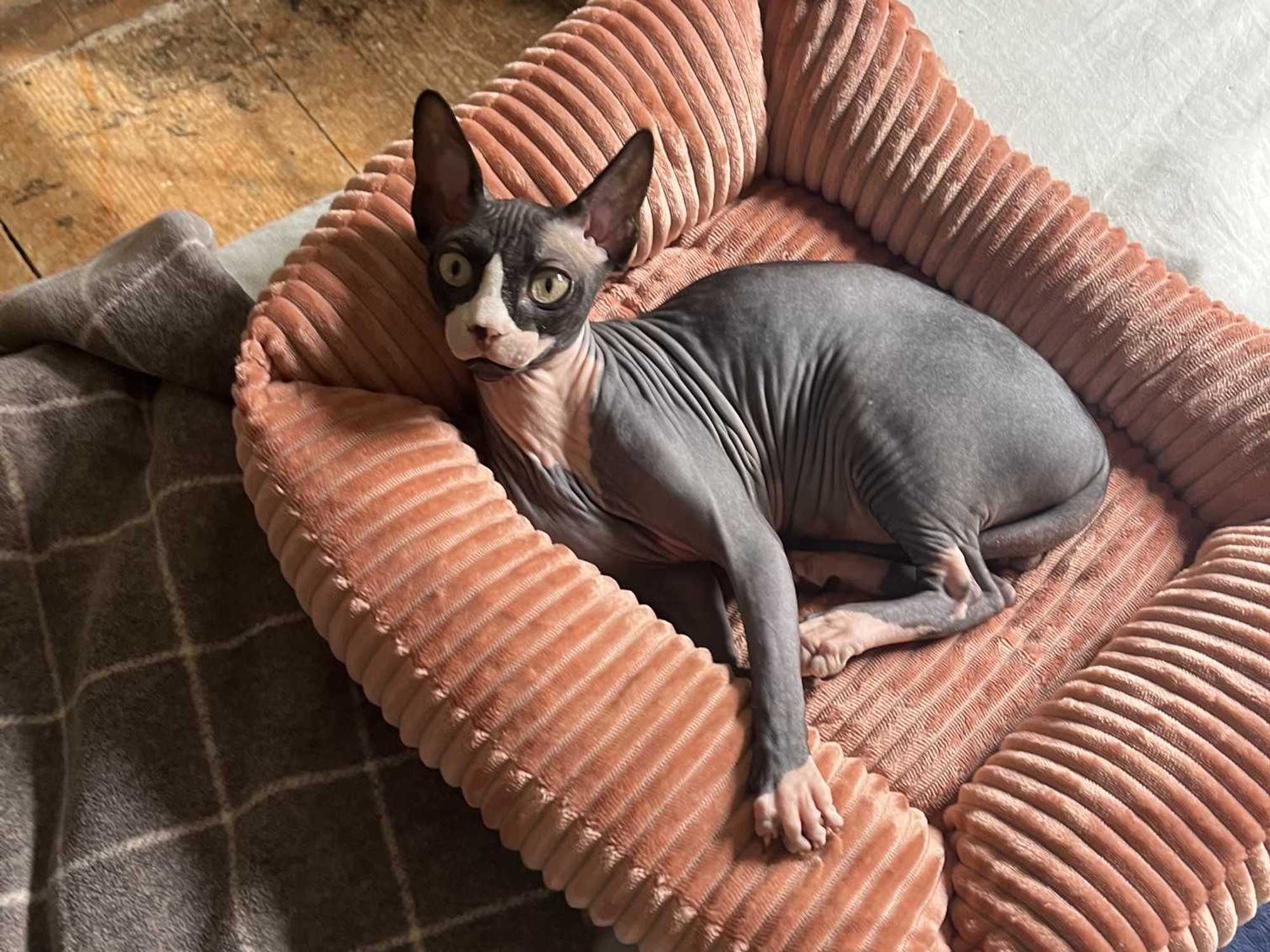
D.H. Callahan
Roger is a Sphynx cat that lives in Cornwall, CT.
"Susie Lucy Sharon Stone" - Loved by Melissa Ferrick
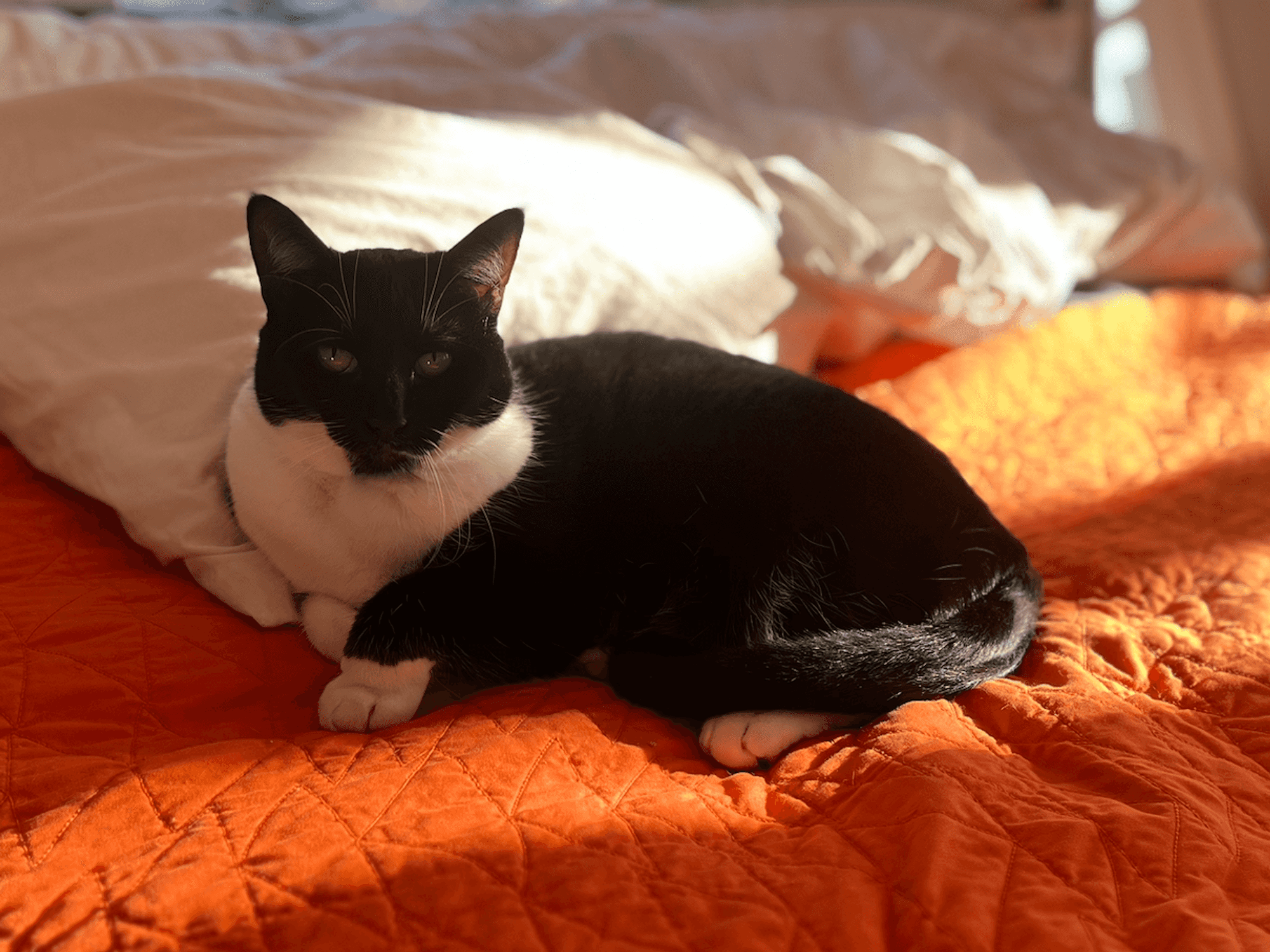
Melissa Ferrick
Susie Lucy Sharon Stone was a street cat and can be a bit clumsy but loves a window seat in the sun. She lives in Millerton.

Want more of our stories on Google? Click here to make us a Preferred Source.