On Friday, July 17 at 8 p.m. in the Koussevitzky Music Shed at Tanglewood, two of the greatest American voices of their generation, soprano Renée Fleming and baritone Thomas Hampson, join Music Director Andris Nelsons and the Boston Symphony Orchestra in a performance of excerpts from John Adams’ groundbreaking opera “Nixon in China.” The piece, performed earlier this year in Boston and at Carnegie Hall in New York City, is a highlight of a program that also includes “Meditations on Grace” (2024) by BSO Composer Chair Carlos Simon, and the melodic and technically demanding Violin Concerto by Samuel Barber.
Fleming is internationally celebrated for her vocal and dramatic artistry, as well as for her advocacy for the powerful impact of the creative arts in health. Hampson has long been recognized as one of the most innovative musicians of our time and has received countless international honors for his singular artistry and cultural leadership. Both performed in “Nixon in China” earlier this year at the Paris Opera under the baton of Kent Nagano.
Adams’ “Three Scenes from Nixon in China” is a suite taken from the opera and prepared especially for the BSO performances with Fleming and Hampson in the roles of Pat and Richard Nixon. The suite includes Act I, Scene I, in which the Nixons arrive in Beijing; Pat Nixon’s “This is prophetic” aria from Act II, Scene I; and Nixon’s speech followed by a chorus of toasts and cheers (“Gam bei!”) in Act I, Scene III.
The full opera premiered in 1987 and has become one of the most celebrated works of contemporary American music. As The New Yorker wrote, “Not since ‘Porgy and Bess’ has an American opera won such universal acclaim as ‘Nixon in China.’”
The libretto is based on Nixon’s groundbreaking February 1972 visit to reestablish diplomatic ties with the People’s Republic of China. The production was controversial at the time: an opera about a recent American president whose resignation was still vivid in the country’s memory. Created by a first-time opera composer, a poet new to opera (Alice Goodman) and a young avant-garde director (Peter Sellars), the piece defied expectations of what a contemporary opera could be.
Yet “Nixon in China” has proved to be something far more than a provocation; it has been hailed as helping to revitalize American opera. It uses realistic scenarios based on recent historical events to make direct statements about big social questions, especially the status of women in history and society. It is also credited with helping to create the subgenre of the “headline opera,” works that refract the mythology of recent real-life events and personalities through the lens of operatic music, words and staging.
Adams’ score is a dazzling fusion of rhythmic vitality and luminous choral textures with the psychological intricacy of character drama. It reflects the composer’s ongoing search, as he has put it, to find “the sacred in the everyday.” The result is a distinctive kind of music theater that transforms historical and contemporary narratives into modern parables in order to explore the tension between public facade and private reckoning, and between human motive and moral choice.
This Tanglewood concert promises to be a highlight of the summer’s music season. It is part of the BSO’s E Pluribus Unum festival, a multiyear celebration that shines a spotlight on American music to explore the country’s history and ideals and to raise critical questions on topics that shape our collective experience.
For more information and to purchase tickets, visit bso.org.
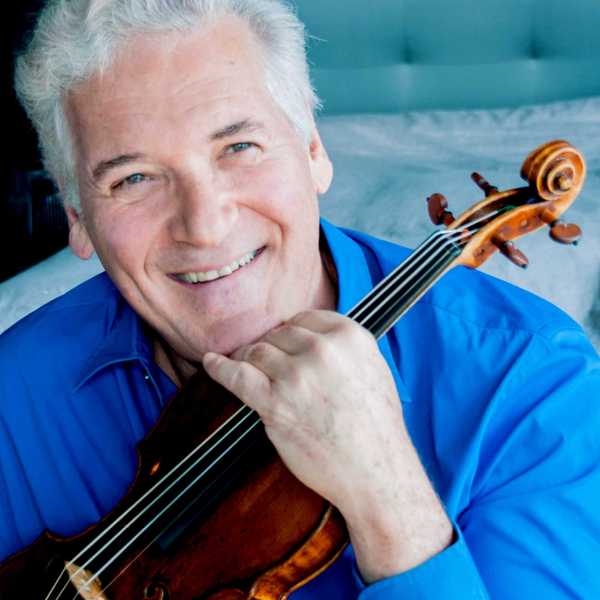

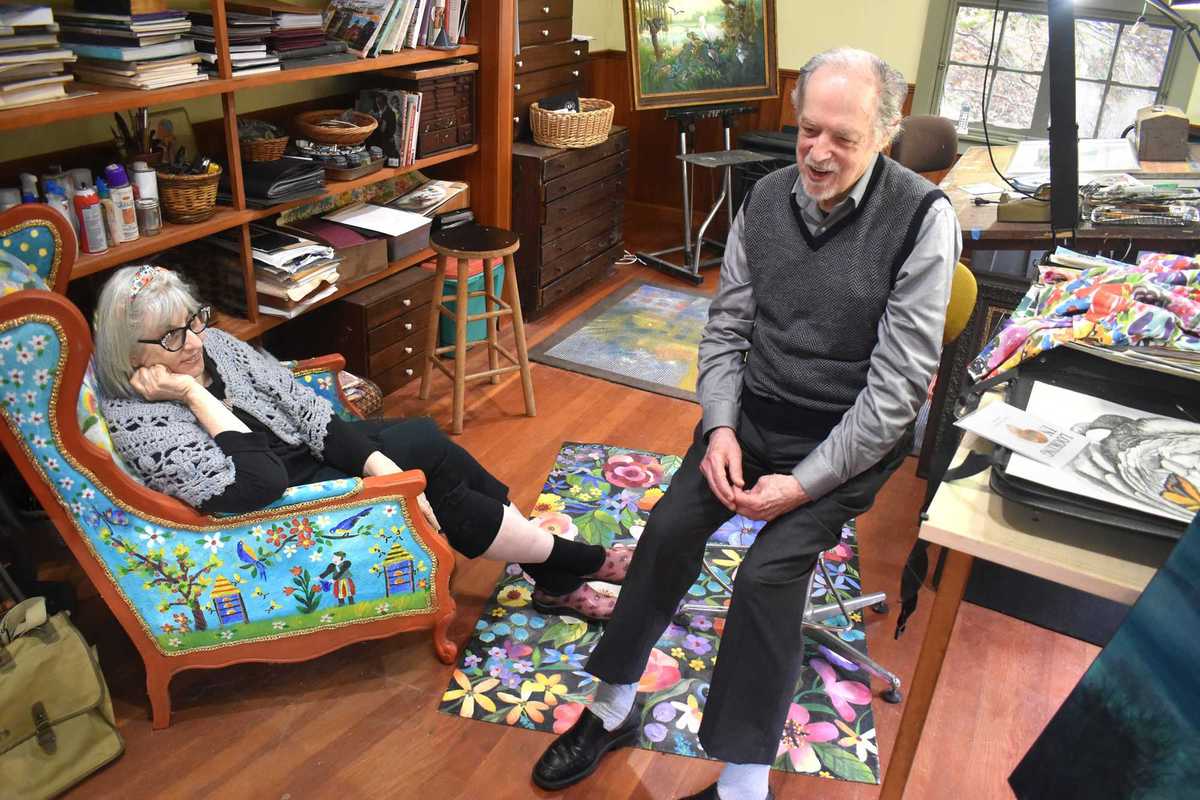
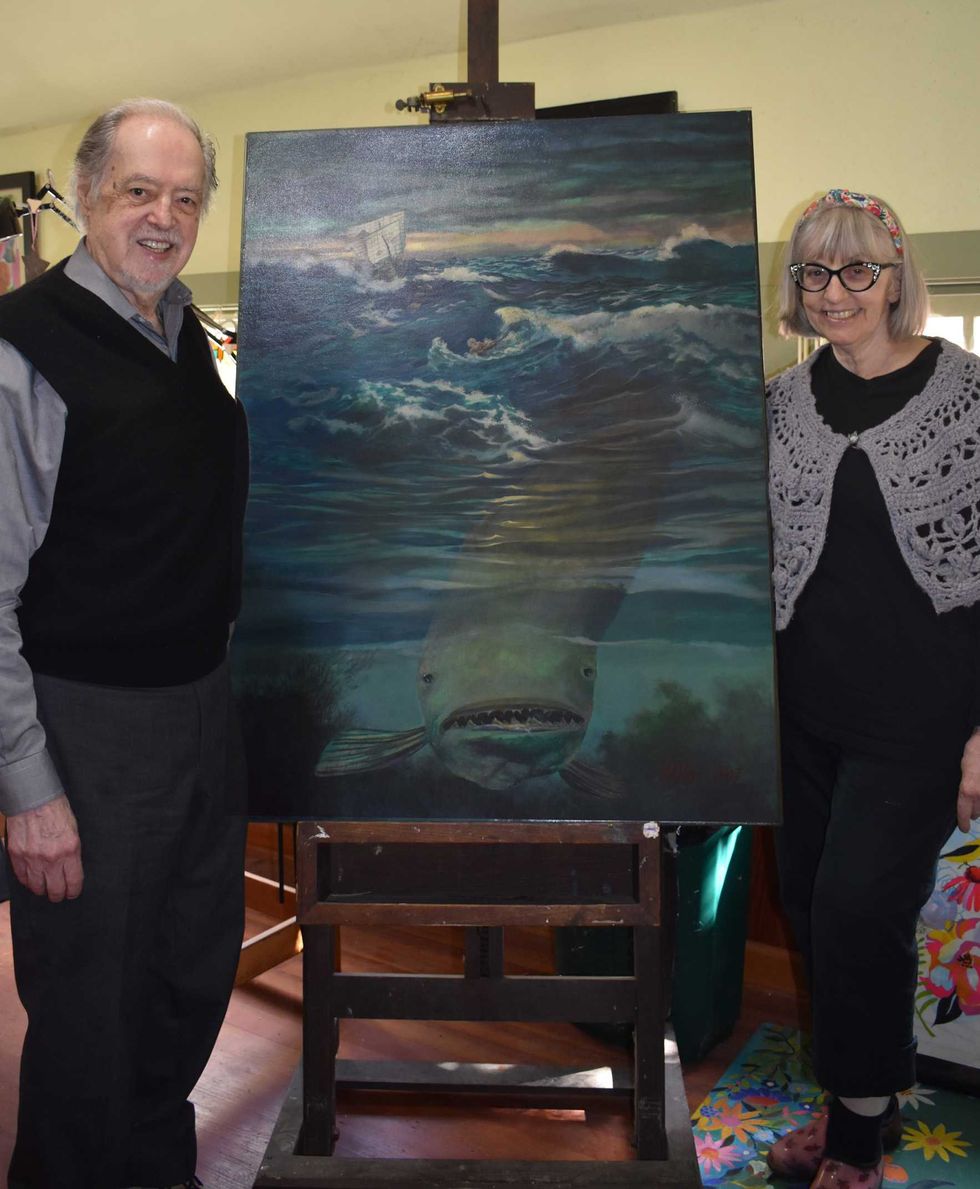 Justine and Victor Valla in their studio with a painting of Victor’s,”Jonah and the Whale.” Robin Roraback

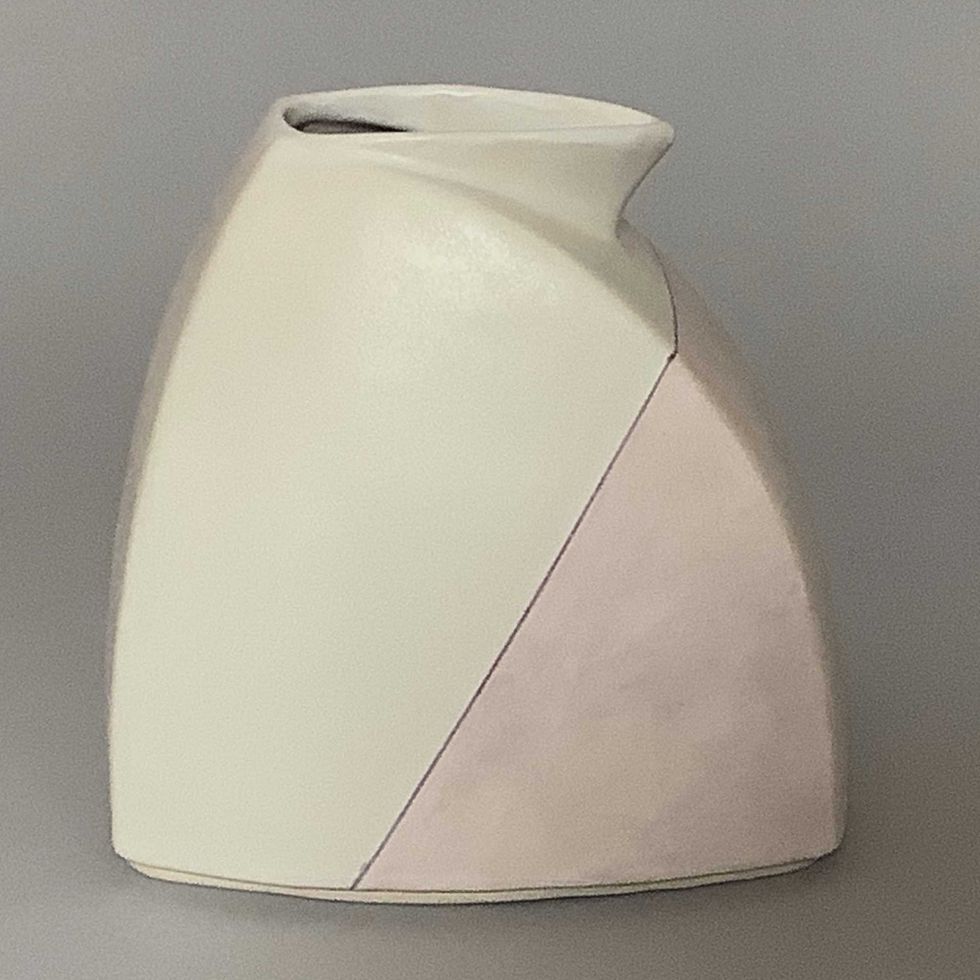 A ceramic vase by Kathleen Heidemann.Provided
 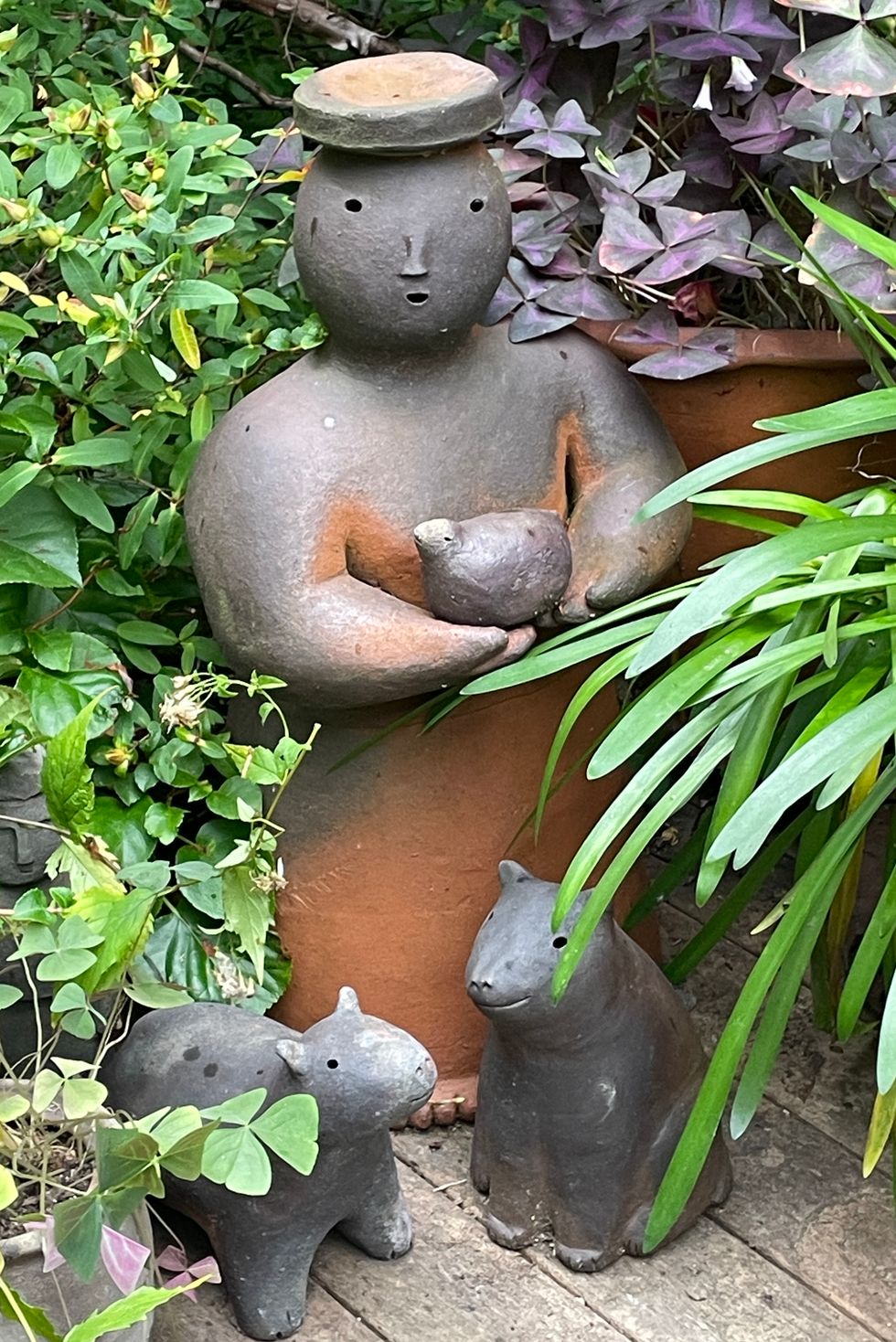 Joy Brown’s delightful ceramic sculptures.Provided