Nothing sheepish about the price of wool

We humans have been using wool for thousands of years. It was the primary clothing material of the Middle Ages. But even today, new uses for wool are cropping up, driving prices to record highs.

The primary use for wool continues to be in clothing production. The newest demand for this natural material is coming from sports’ companies such as Nike, Puma and Adidas that are weaving it into sneakers. It appears that a new generation of consumers prefer natural over synthetic fibers. They want to know where their products come from and where they are going. 

Even old codgers like me are not immune to this trend. Six months ago, I purchased my first pair of wool shoes. Not only are they the most comfortable shoes I have ever worn, but the wool is both warm in the winter and cool in the summer. A client reminded me that weavers are also using increasing amounts of wool in their products.

And there are plenty of other uses for wool. Wool is the top choice for high-quality carpets, for example. You’ll also likely find it in the padding underneath that rug as well. Furniture components, such as seat upholstery, stuffing and covers are also made from wool. Blinds, curtains, cushions, even wallpapers, are often made of wool, as are blankets and wool-filled duvets.

Wool is also coming into vogue in places like China. The growing affluence of its people and its manufacturing prowess make China an increasingly important market for wool. Australia is the world’s largest supplier of apparel wool (90 percent market share). China consumes about 78 percent of their exports, but there are about 100 countries worldwide with at least some wool production. New Zealand, Uruguay, the U.S. and China all contributed to the 1,161 million kilograms of wool produced in 2017, according to the International Wool Textile organization. That is a 70-year low. 

The bad news is that wool is expensive to use and that situation won’t be changing any time soon. In Australia, wool production has been stable since 2010 and is forecast to grow by a mere 4 percent this year to about 446,000 metric tons. Why?

Well, lamb chops are part of the reason. Sheep production has been increasingly focused on meat production, rather than wool. Refocusing production to produce more wool and less meat is a multi-year process and cannot be accomplished over the short-term. The decision to switch may have more to do with demand here in the U.S. than anywhere else.

Increased demand for wool in the United States represents the largest growth opportunity for Australia’s wool products. An estimated 70 million sheep were shorn in the Down Under last year. For that to increase, the Aussies want to see our consumption of wool on a per capita basis increase. Today, we consume a mere 300 grams (11 ounces) per year. That compares with about one kilogram of consumption in China, Europe and Canada. 

I’m betting consumption will increase, but as it does, so will the price of wool, at least for the next year or two. So my advice is to buy those sneakers or that sweater now, because it is just going to get more expensive in the future.


Bill Schmick is registered as an investment advisor representative with Berkshire Money Management. Bill’s forecasts and opinions are purely his own. None of the information presented here should be construed as an endorsement of BMM or a solicitation to become a client of BMM.  Direct inquires to Bill at 1-888-232-6072 (toll free) or e-mail him at Bill@afewdollarsmore.com.


Latest News

Living art takes center stage in the Berkshires

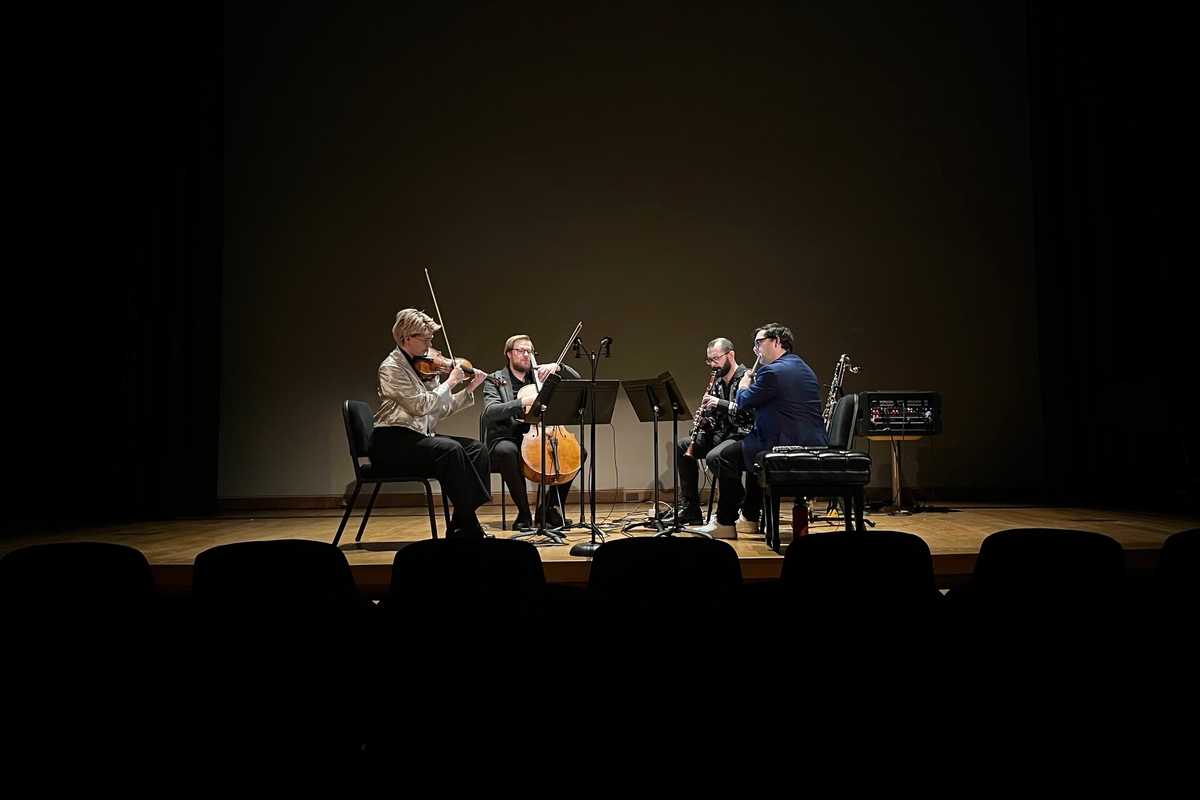
Contemporary chamber musicians, HUB, performing at The Clark.

D.H. Callahan

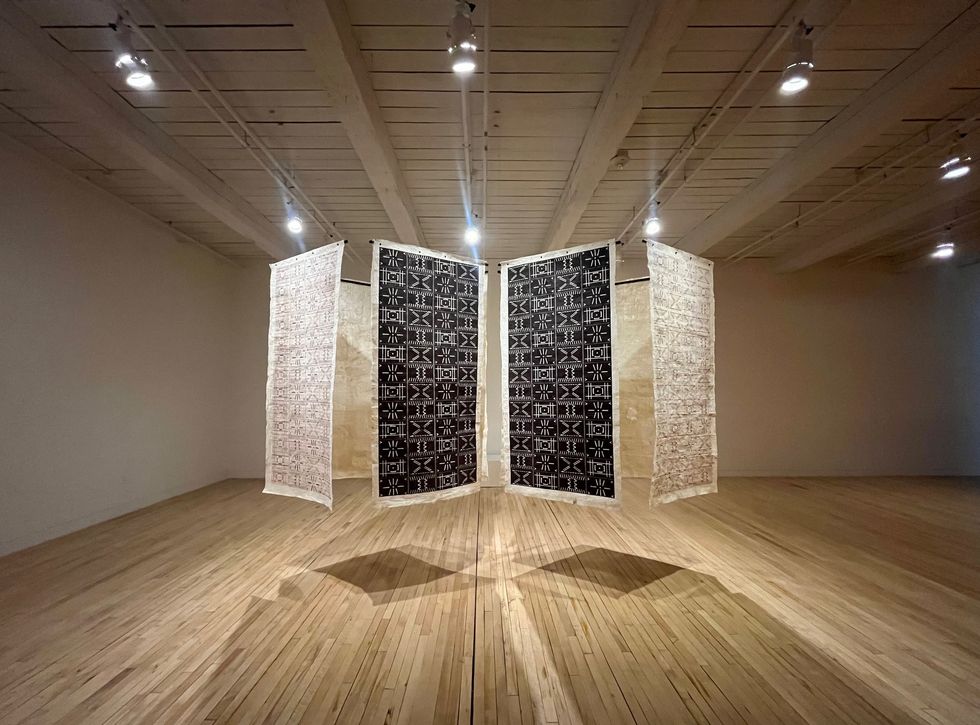
Northwestern Massachusetts may sometimes feel remote, but last weekend it felt like the center of the contemporary art world.

Within 15 miles of each other, MASS MoCA in North Adams and the Clark Art Institute in Williamstown showcased not only their renowned historic collections, but an impressive range of living artists pushing boundaries in technology, identity and sound.

Keep ReadingShow less
Persistently amplifying women’s voices

Francesca Donner, founder and editor of The Persistent. Subscribe at thepersistent.com.

Aly Morrissey

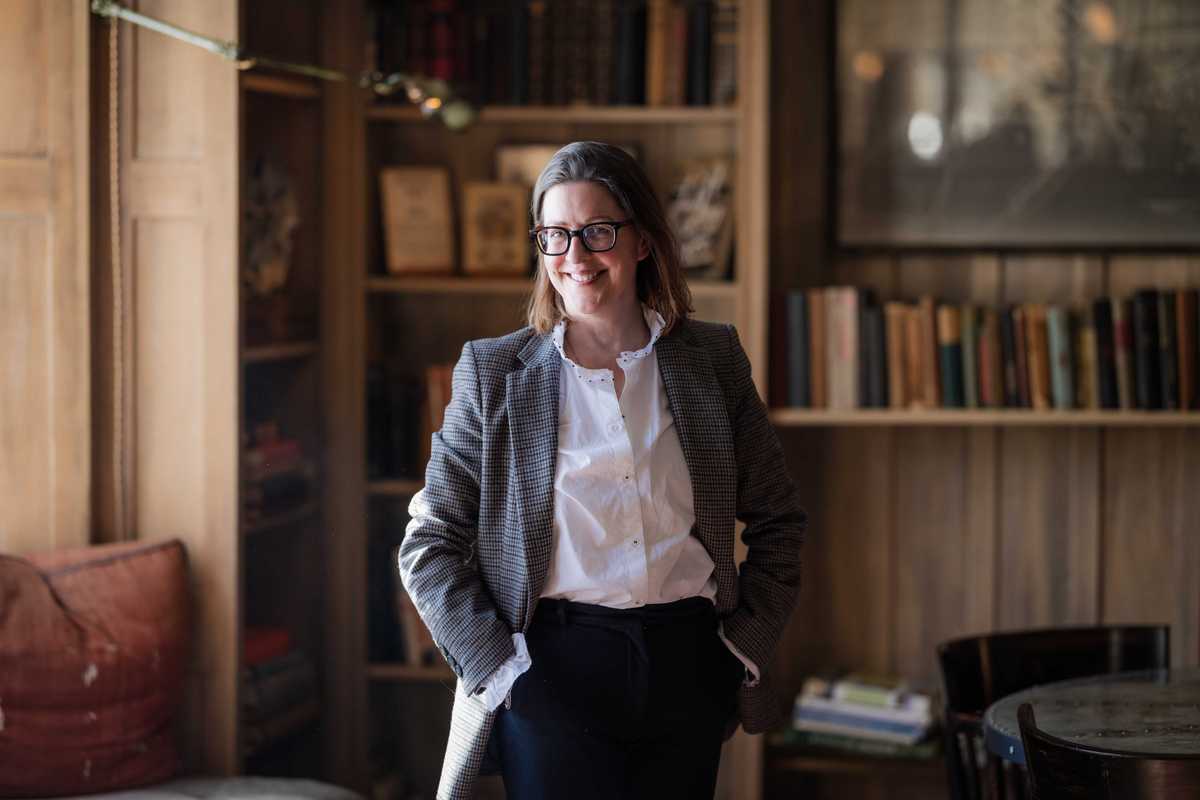
Francesca Donner pours a cup of tea in the cozy library of Troutbeck’s Manor House in Amenia, likely a habit she picked up during her formative years in the United Kingdom. Flanked by old books and a roaring fire, Donner feels at home in the quiet room, where she spends much of her time working as founder, editor and CEO of The Persistent, a journalism platform created to amplify women’s voices.

Although her parents are American and she spent her earliest years in New York City and Litchfield County — even attending Washington Montessori School as a preschooler — Donner moved to England at around five years old and completed most of her education there. Her accent still bears the imprint of what she describes as a traditional English schooling.

Keep ReadingShow less
Jarrett Porter on the enduring power of Schubert’s ‘Winterreise’
Baritone Jarrett Porter to perform Schubert’s “Winterreise”
Tim Gersten

On March 7, Berkshire Opera Festival will bring “Winterreise” to Studio E at Tanglewood’s Linde Center for Music and Learning, with baritone Jarrett Porter and BOF Artistic Director and pianist Brian Garman performing Franz Schubert’s haunting 24-song setting of poems by Wilhelm Müller.

A rejected lover. A frozen landscape. A mind unraveling in real time. Nearly 200 years after its premiere, “Winterreise” remains unnervingly current in its psychological portrait of isolation, heartbreak and existential drift.

Keep ReadingShow less
google preferred source

Want more of our stories on Google? Click here to make us a Preferred Source.
A grand finale for Crescendo’s 22nd season

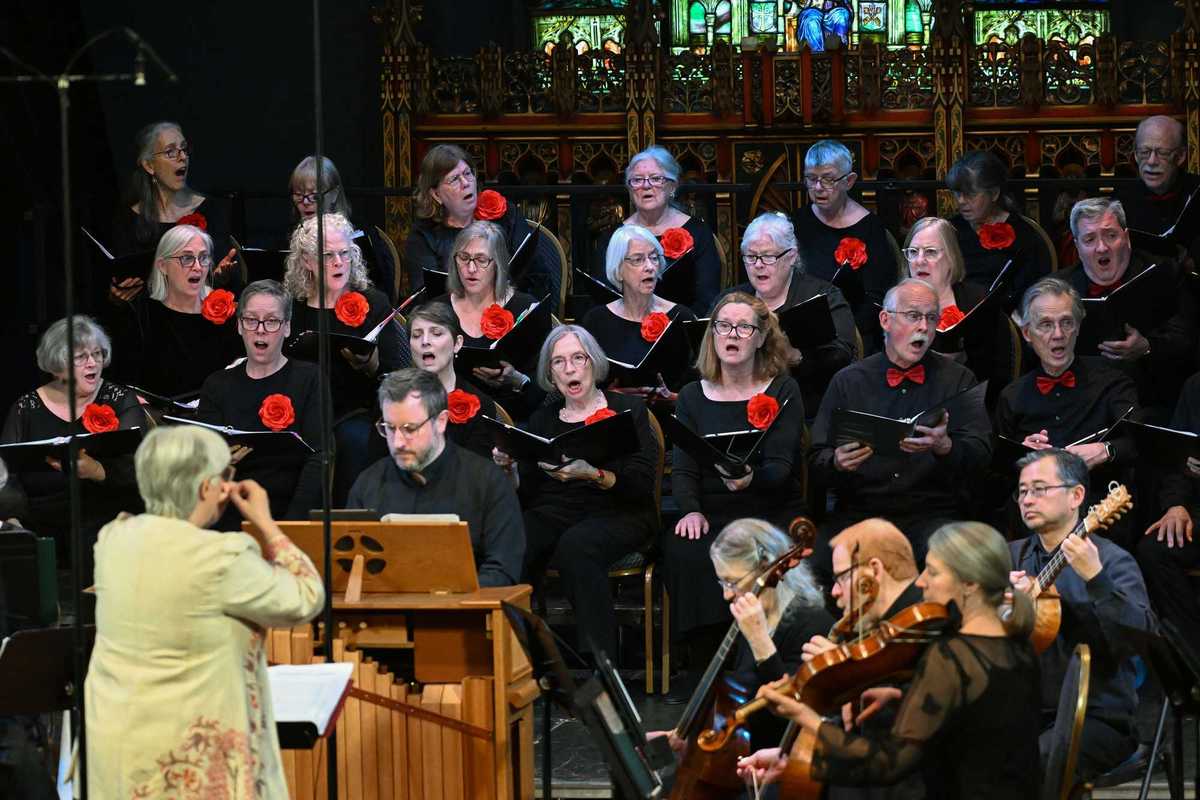
Christine Gevert, artistic director, brings together international and local musicians for a season of rare works.

Stephen Potter

Crescendo, the Lakeville-based nonprofit specializing in early and rarely performed classical music, will close its 22nd season with a slate of spring concerts featuring international performers, local musicians and works by pioneering composers from the Baroque era to the 20th century.

Christine Gevert, the organization’s artistic director, has gathered international vocal and instrumental talent, blending it with local voices to provide Berkshire audiences with rare musical treats.

Keep ReadingShow less

Leopold Week honors land and legacy

Leopold Week honors land and legacy

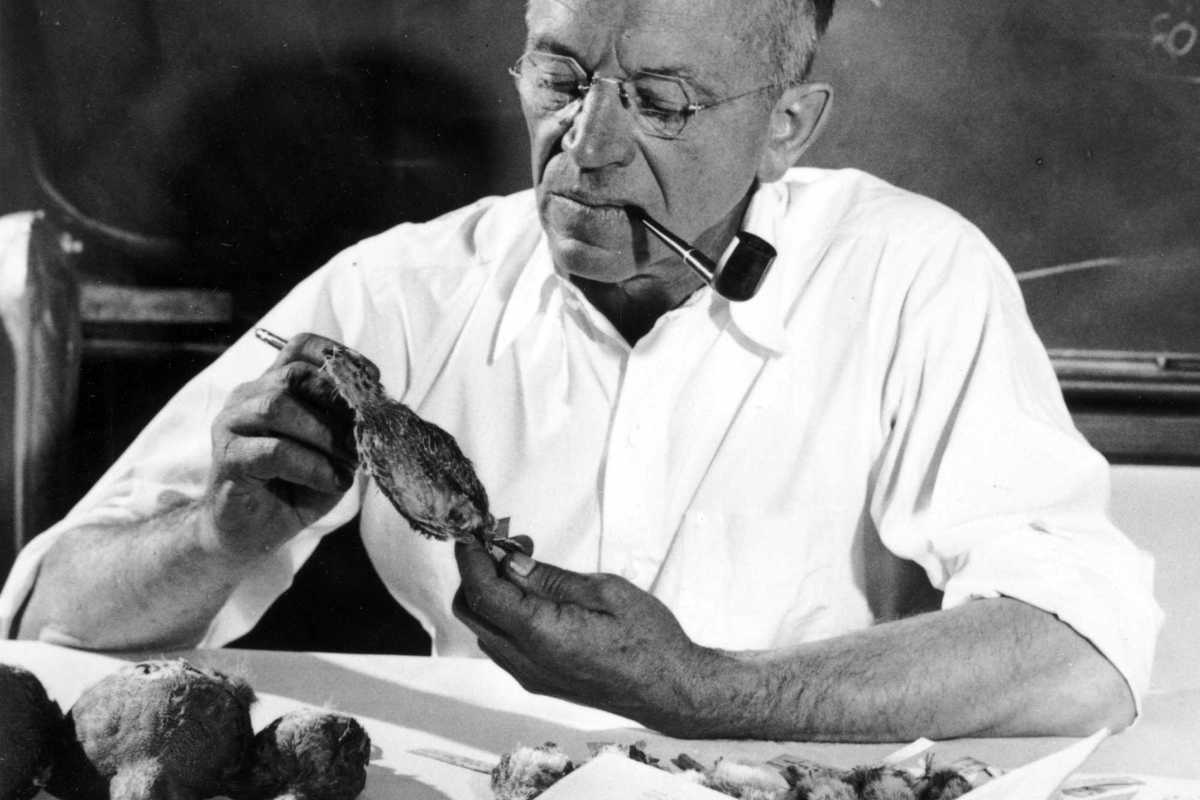
Aldo Leopold in 1942, seated at his desk examining a gray partridge specimen.

Robert C. Oetking

In his 1949 seminal work, “A Sand County Almanac,” Aldo Leopold, regarded by many conservationists as the father of wildlife ecology and modern conservation, wrote, “There are some who can live without wild things and some who cannot.” Leopold was a forester, philosopher, conservationist, educator, writer and outdoor enthusiast.

Originally published by Oxford University Press, “A Sand County Almanac” has sold 2 million copies and been translated into 15 languages. On Sunday, March 8, from 3 to 5 p.m. in the Great Hall of the Norfolk Library, the public is invited to a community reading of selections from the book followed by a moderated discussion with Steve Dunsky, director of “Green Fire,” an Emmy Award-winning documentary film exploring the origins of Leopold’s “land ethic.” Similar reading events take place each year across the country during “Leopold Week” in early March. Planning for this Litchfield County reading began when the Norfolk Library received a grant from the Aldo Leopold Foundation, which provided copies of “A Sand County Almanac” to distribute during the event.

Keep ReadingShow less

Erica Child Prud’homme

Erica Child Prud’homme

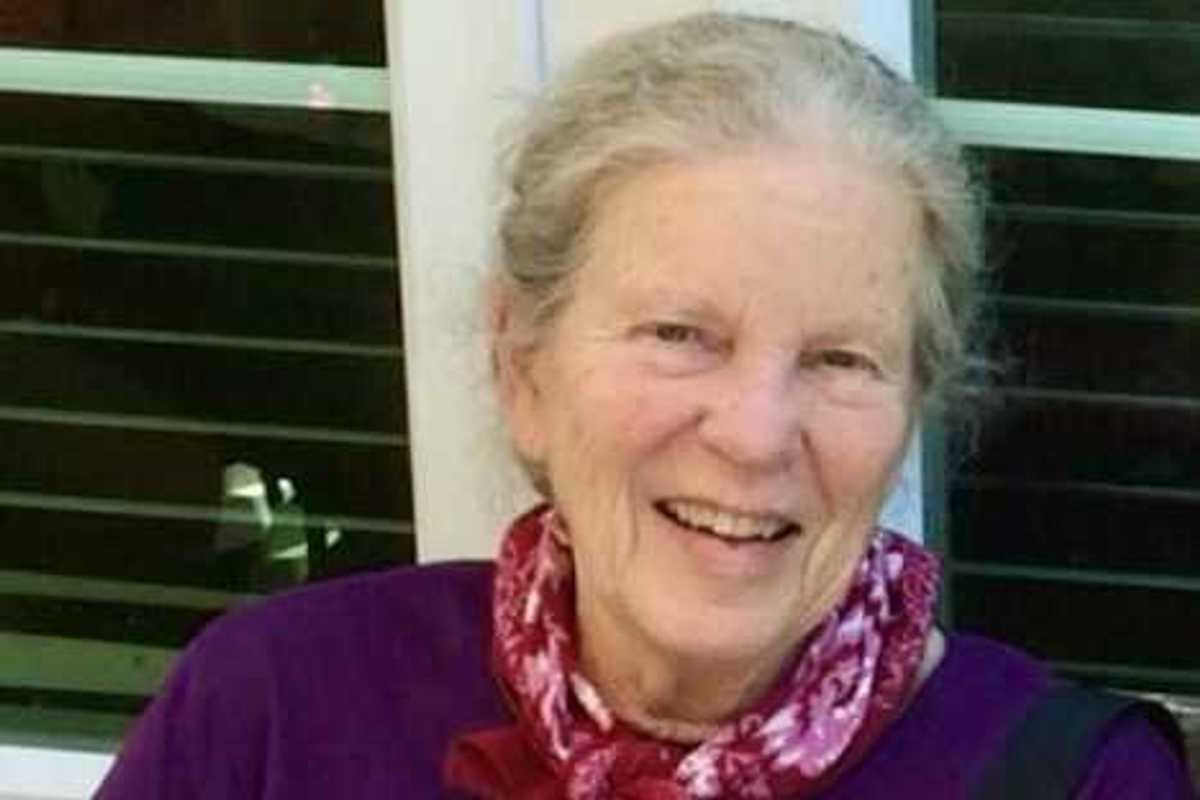
WEST CORNWALL — Erica Child Prud’homme died peacefully in her sleep on Jan. 9, 2026, at home in West Cornwall, Connecticut, at 93.

Erica was born on April 27, 1932, in Doylestown, Pennsylvania, the eldest of three children of Charles and Fredericka Child. With her siblings Rachel and Jonathan, Erica was raised in Lumberville, a town in the creative enclave of Bucks County where she began to sketch and paint as a child.

Keep ReadingShow less
google preferred source

Want more of our stories on Google? Click here to make us a Preferred Source.
google preferred source

Want more of our stories on Google? Click here to make us a Preferred Source.