I probably should not tell you this, but as a student of physics in high school, I was terrible. The due date for our senior projects was looming when I informed my father that I had done nothing and could think of nothing to do. He sputtered, expressed his opinion of my sloth, then began to contemplate, I believe, what a zero might do to my application to Williams College.
With much reluctance and many more sputters, he described the old egg-in-the-bottle trick. So it was that I appeared in my physics classroom with a milk bottle, a peeled hard-boiled egg, and some matches. Lo, the egg was sucked into the bottle, I got a B on the project, and my classmates, who had done some serious work on their projects, had me to laugh at for months to come. Make that years.
Now flash ahead to the present day class in pre-engineering at Housatonic Valley Regional High School. Yes, pre-engineering. Sort of applied physics. And try to picture this former physics student sitting in and trying to understand it all. Here is what I think I saw.
u u u
There were eight students and their teacher, Mr. Weisman. At the beginning of the period, with a slight signal from him, they went to work at their stations. They were engaged in a year-long project to build a machine that would test the tensile strength of various materials. The individual students were in three teams: one to build the frame, one to refine the instrumentation that would measure force and distance, and one to design and build the needed clamps.
They were developing design skills and learning manufacturing techniques, doing rigorous calculations, anticipating safety concerns, suggesting revisions, and soon will devise testing procedures and analyze performance data. I learned that a machine such as they are building is standard equipment in the engineering classroom and that purchasing one would cost in the neighborhood of $15,000. This one will be built for about $800 and will be turned over to the science department in June. Later to appear as standard equipment in the proposed science and technology center. We hope.
u u u
I may not know much about physics, but I do know teaching and learning. Here are some observations. The teacher acts as a guide. The assignments on the board give overall direction to the learning process. In addition to the hands-on work in class, there are reading assignments and the promise of an upcoming unit on applying Excel to their work.
During class sessions the teacher moves from student to student offering advice and suggestions. He is the manager in the shop, and they are his high-level workers.
I ask one student if the teacher knows what he, the student, is doing. The response: "He knows, but I am pretty much working on my own." I watch the students working together in their teams. They are focused on the task. There is no teenage goofiness. This is serious business. As I talk with the teacher about a problem that has arisen with the software being used for measuring, a student right at my elbow ignores us completely.
He is working on the frame. These students are being given an opportunity to DO engineering while learning about what engineering careers — and preparation for them — involve. A number of them have realized that engineering is for them and some have gotten into college programs already.
We have come a long way since I was allowed to get away with that egg-in-the-bottle trick.
Jack Mahoney was a high school teacher for 21 years and a high school principal for 12 years. He is an education consultant who has made a study of schooling in the United States.
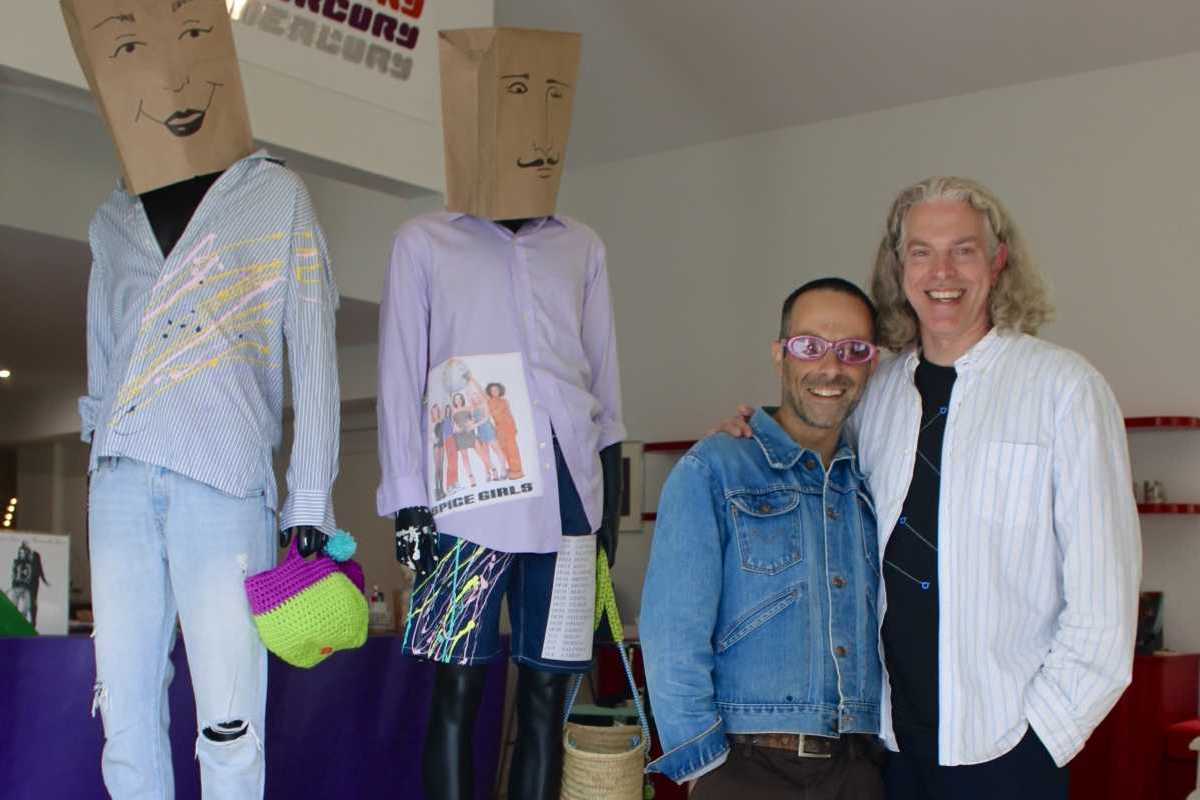
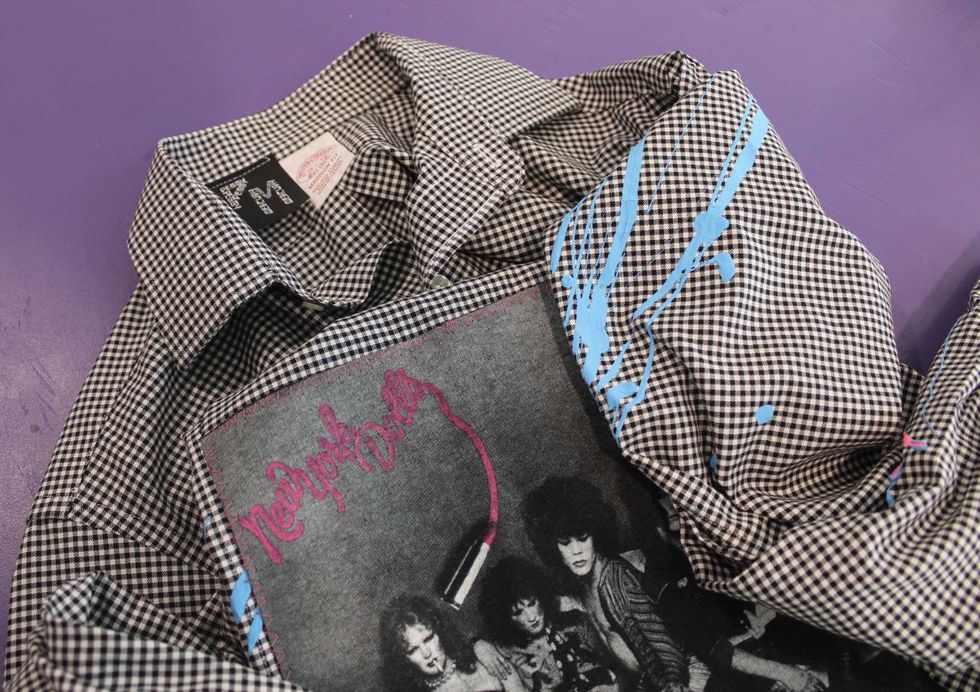 Classic styles, bold colors, and creative concerts make up the “Imaginary Concerts” line at Peggy Mercury.Provided
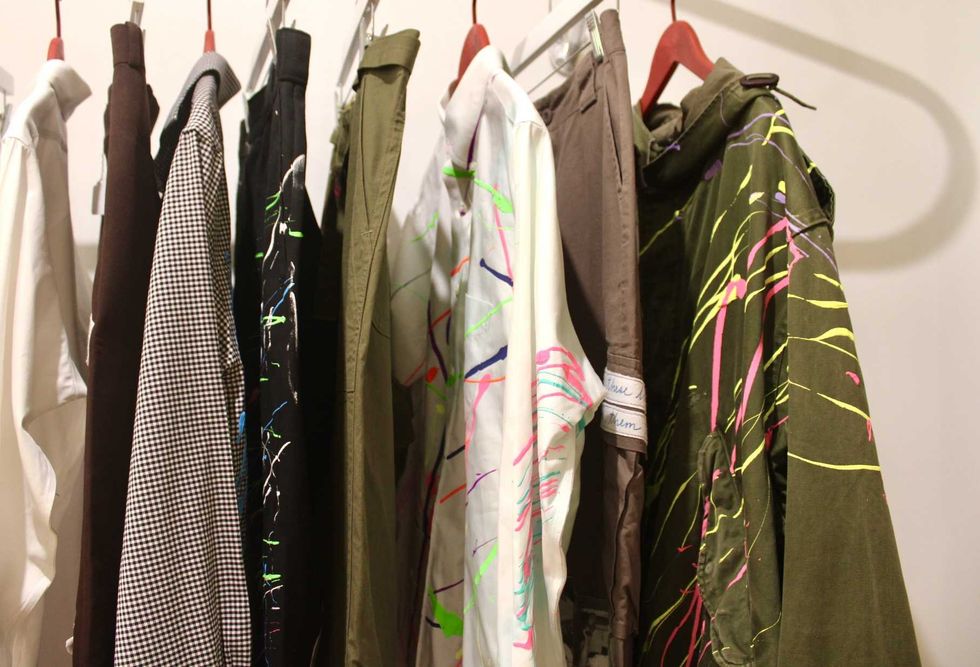 Shirts from Peggy Mercury’s first fashion line, “Imaginary Concerts,” hang on display.Provided