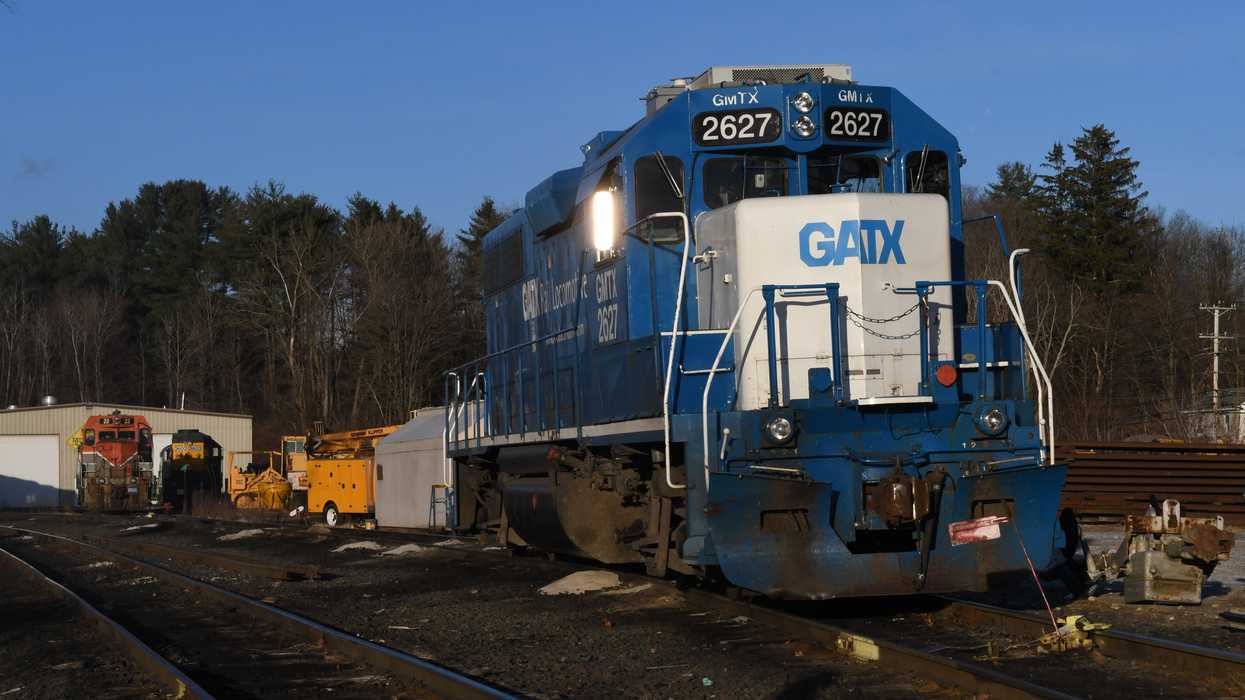
CORNWALL — Local officials say the 2026 vegetation control plan submitted by the Housatonic Railroad Company fails to comply with a 2024 state law requiring greater transparency about herbicide use along railroad tracks.
The 16-page plan, distributed in February to Northwest Corner towns through which the railroad operates, outlines the chemicals HRRC intends to use to control vegetation along its right-of-way. Roundup appears first on the list. The company anticipates beginning herbicide applications after March 1, 2026, depending on weather and other factors.
Cornwall officials reviewed the plan during a Feb. 17 Board of Selectmen meeting.
Bruce Bennet, Cornwall’s tree warden and a member of the Housatonic Herbicide Working Group, said several of the proposed chemicals are not licensed for use in wetlands.
The plan does not identify environmentally sensitive areas along the rail line, which is required under Connecticut General Statutes Section 22a-66a(j).
“The only way to do that is to be able to produce a map showing those, which was a requirement of the legislative regulation, and they did not do that,” said Bennet. “They are not following the law.”
The regulation stipulates railroads must develop an annual operational plan that includes maps locating their rights-of-way and identifying sensitive areas not readily visible in the field, such as wetlands, waterways and wells.
Bennet said the working group produced maps and offered them to HRRC, but they were rejected.
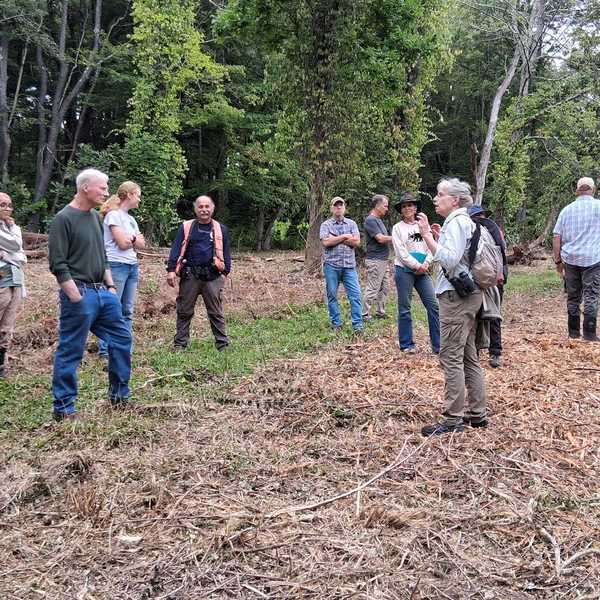
Anna Timell, chair of the Cornwall Planning and Zoning Commission and a member of the working group, said concerns about herbicide use date back more than a decade. In 2015, she said, 24 white pine trees were killed along the railroad corridor after herbicide application.
Concerns intensified when residents realized how close spraying had occurred to bodies of water. The 2024 legislation was intended to address those concerns.
“I suspect the issue for them is that our geography is such that there’s water everywhere and it presents a real dilemma,” Timell said. “A lot more costly.”
Bennet noted there is a 45-day comment period to respond to HRRC’s plan. He urged Cornwall and other towns along the rail line — including Falls Village, Kent, New Milford, North Canaan and Salisbury — to express concern.
“The lack of maps makes this plan deficient,” First Selectman Gordon Ridgway said. He said a response letter will be sent to HRRC, and he plans to coordinate with leaders in the other towns.
The Housatonic Railroad Company did not respond to a request for comment.





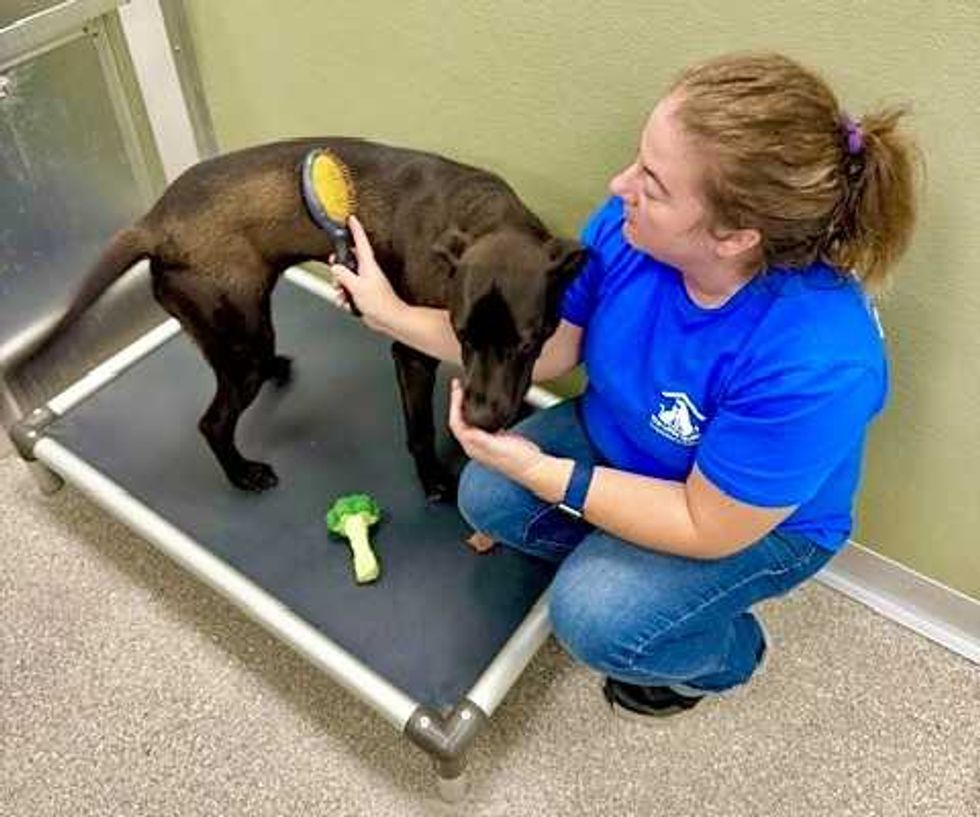 Tiffany Lemelin, shelter manager, brushing Marsala upon arrival.Provided
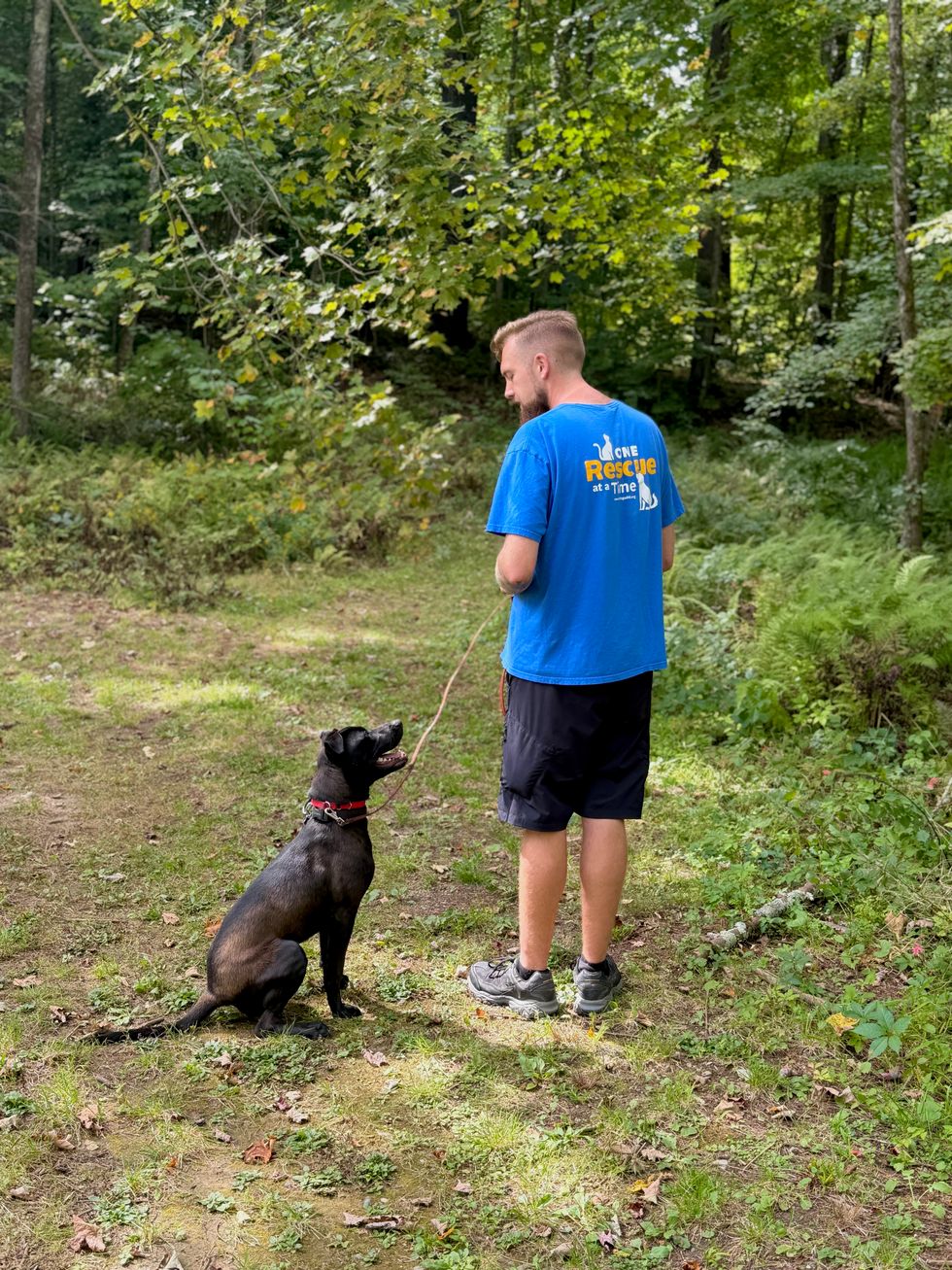 Michael DeBarba, certified dog trainer working with Marsala.Jennifer Almquist
 Marsala wins a heart.Jennifer Almquist

 Sadie, center, a Carolina dog, plays with her friend Negra, a terrier mix. Bella Linda, the small poodle, has since been adopted.L. Tomaino
 Wesley, a young, exuberant mix, is looking for an active home.L. Tomaino
 Bonnie and Clyde, an affectionate terrier pair.L. Tomaino
 Provided