One less worry: CO in schools

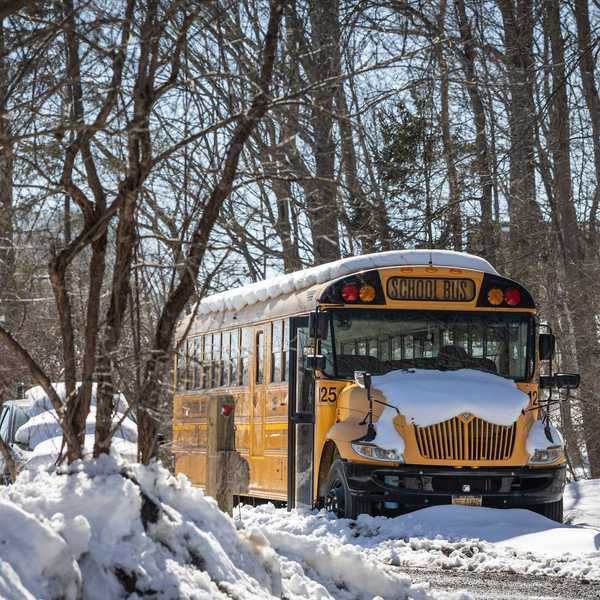
A near-tragic carbon monoxide (CO) leak in an Atlanta, Ga., school in November affected dozens of students and adults; the roots of the tragedy most likely lie in the failure of the school to have a carbon monoxide detector. Only two states in the country require schools to have the safety equipment; fortunately, Connecticut is one of them, with the equipment required at both public and private schools. The other state is Maryland.That doesn’t necessarily mean every school in those two states has them. A check with schools in Region One found all but one had them installed — and most had done it prior to the law that went into effect July 2011, and required installation by the following January.At North Canaan Elementary School (NCES), Principal Rosemary Keilty explained that CO detectors are not needed there because the boiler is very well vented, situated in a sunken room with a window wall. It is not adjacent to any classrooms.Keilty described involved oversight of state-required air testing. It includes radon and asbestos. The frequency of testing for radon depends on previously discovered levels. NCES currently needs to test every five years, the longest term allowed. Keilty said the sealing of the basement a few years ago made the difference.NCES has also had problems in the past couple of decades with its boilers, air handlers; and a recently completed steam-to-hot water heating system conversion.“We now have a very sophisticated heating and air-handling system, and we contract with a technical control group that monitors and makes adjustments as needed to the system,” Keilty said.At Sharon Center, Salisbury Central, Kent Center, Cornwall Consolidated, Lee H. Kellogg (Falls Village) and Housatonic Valley Regional High School, principals and head custodians confirmed CO detectors are installed near boiler plants. Monthly testing and regularly maintenance, such as changing batteries, is done and documented in compliance with state fire code. The response to an activated CO detector would be the same as to a fire alarm, with the school evacuated and emergency services dispatched.Kellogg School Head Custodian Bill Beebe brought up some good points, as both a building maintenance provider and a firefighter. In new school construction, CO detectors are hard-wired installations. But in existing schools, battery-operated models are acceptable. It is not an expensive proposition. “They are all pretty much the same. We have the same sort of CO detector you would buy for your home,” Beebe said. When it comes to home CO detectors, Beebe said it is important to read the directions and know how they work. Various models have different beeps for low levels of gas, high levels and low battery. Knowing which is which, and when to call 911, is important. Beebe added that residents should never hesitate to call for help if they suspect a CO problem.CO detectors are important because the gas is odorless. It produces symptoms that mimic a stomach bug or the flu. Intermittent and/or low levels are dangerous but can go undetected without the warning devices.Region One School District Business Manager Sam Herrick arranges air-quality testing through his office and confirmed the district’s schools are in compliance.

Latest News

Living art takes center stage in the Berkshires

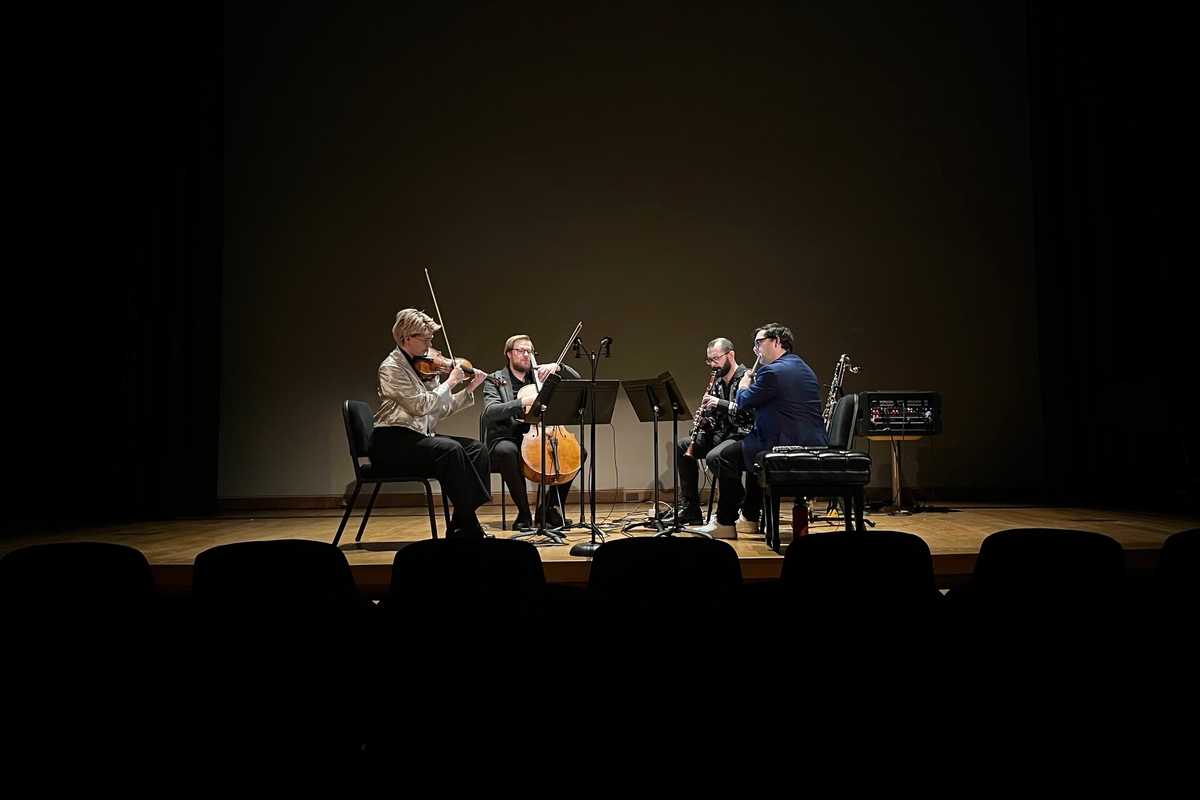
Contemporary chamber musicians, HUB, performing at The Clark.

D.H. Callahan

Northwestern Massachusetts may sometimes feel remote, but last weekend it felt like the center of the contemporary art world.

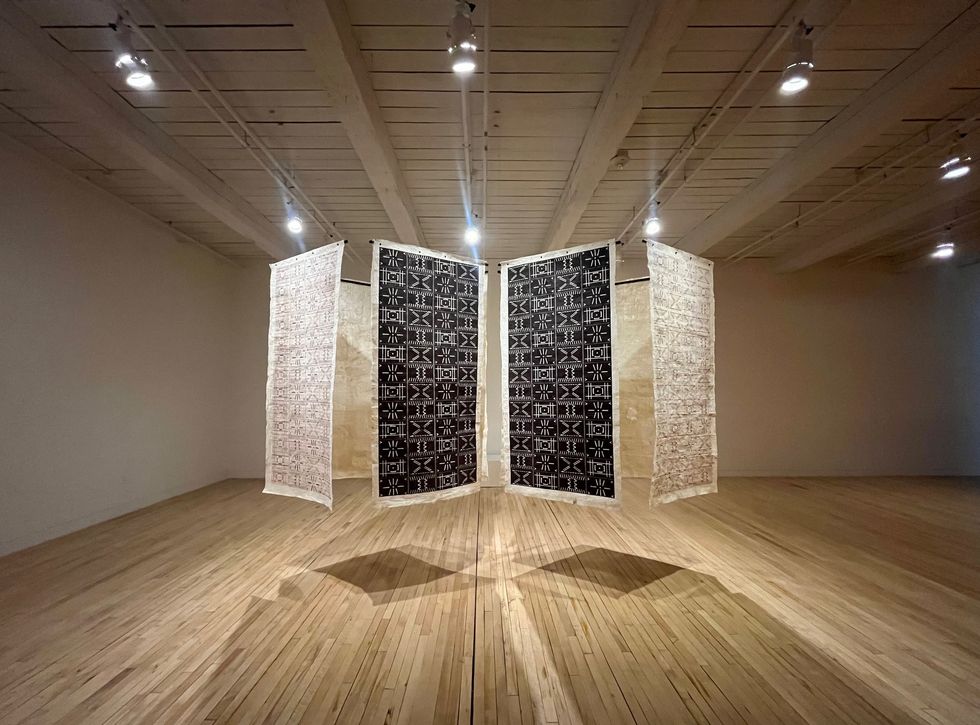
Within 15 miles of each other, MASS MoCA in North Adams and the Clark Art Institute in Williamstown showcased not only their renowned historic collections, but an impressive range of living artists pushing boundaries in technology, identity and sound.

Keep ReadingShow less
Persistently amplifying women’s voices

Francesca Donner, founder and editor of The Persistent. Subscribe at thepersistent.com.

Aly Morrissey

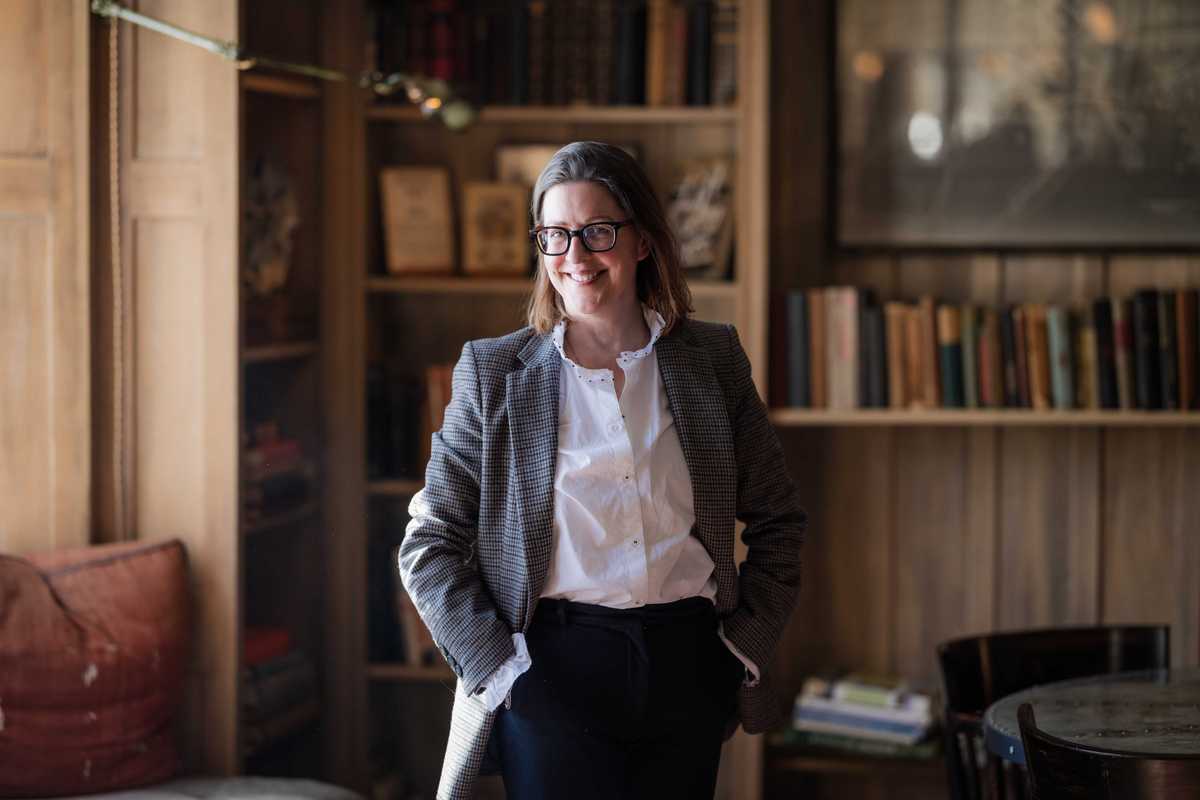
Francesca Donner pours a cup of tea in the cozy library of Troutbeck’s Manor House in Amenia, likely a habit she picked up during her formative years in the United Kingdom. Flanked by old books and a roaring fire, Donner feels at home in the quiet room, where she spends much of her time working as founder, editor and CEO of The Persistent, a journalism platform created to amplify women’s voices.

Although her parents are American and she spent her earliest years in New York City and Litchfield County — even attending Washington Montessori School as a preschooler — Donner moved to England at around five years old and completed most of her education there. Her accent still bears the imprint of what she describes as a traditional English schooling.

Keep ReadingShow less
Jarrett Porter on the enduring power of Schubert’s ‘Winterreise’
Baritone Jarrett Porter to perform Schubert’s “Winterreise”
Tim Gersten

On March 7, Berkshire Opera Festival will bring “Winterreise” to Studio E at Tanglewood’s Linde Center for Music and Learning, with baritone Jarrett Porter and BOF Artistic Director and pianist Brian Garman performing Franz Schubert’s haunting 24-song setting of poems by Wilhelm Müller.

A rejected lover. A frozen landscape. A mind unraveling in real time. Nearly 200 years after its premiere, “Winterreise” remains unnervingly current in its psychological portrait of isolation, heartbreak and existential drift.

Keep ReadingShow less
google preferred source

Want more of our stories on Google? Click here to make us a Preferred Source.
A grand finale for Crescendo’s 22nd season

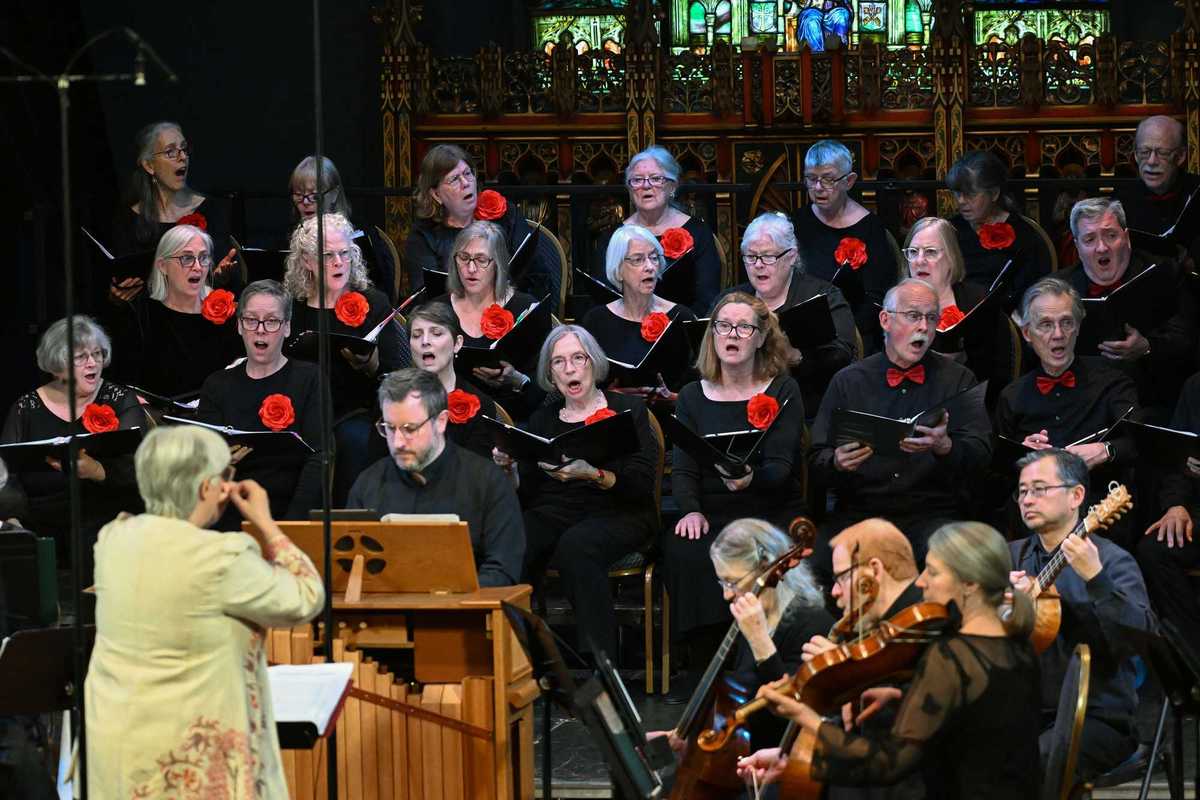
Christine Gevert, artistic director, brings together international and local musicians for a season of rare works.

Stephen Potter

Crescendo, the Lakeville-based nonprofit specializing in early and rarely performed classical music, will close its 22nd season with a slate of spring concerts featuring international performers, local musicians and works by pioneering composers from the Baroque era to the 20th century.

Christine Gevert, the organization’s artistic director, has gathered international vocal and instrumental talent, blending it with local voices to provide Berkshire audiences with rare musical treats.

Keep ReadingShow less

Leopold Week honors land and legacy

Leopold Week honors land and legacy

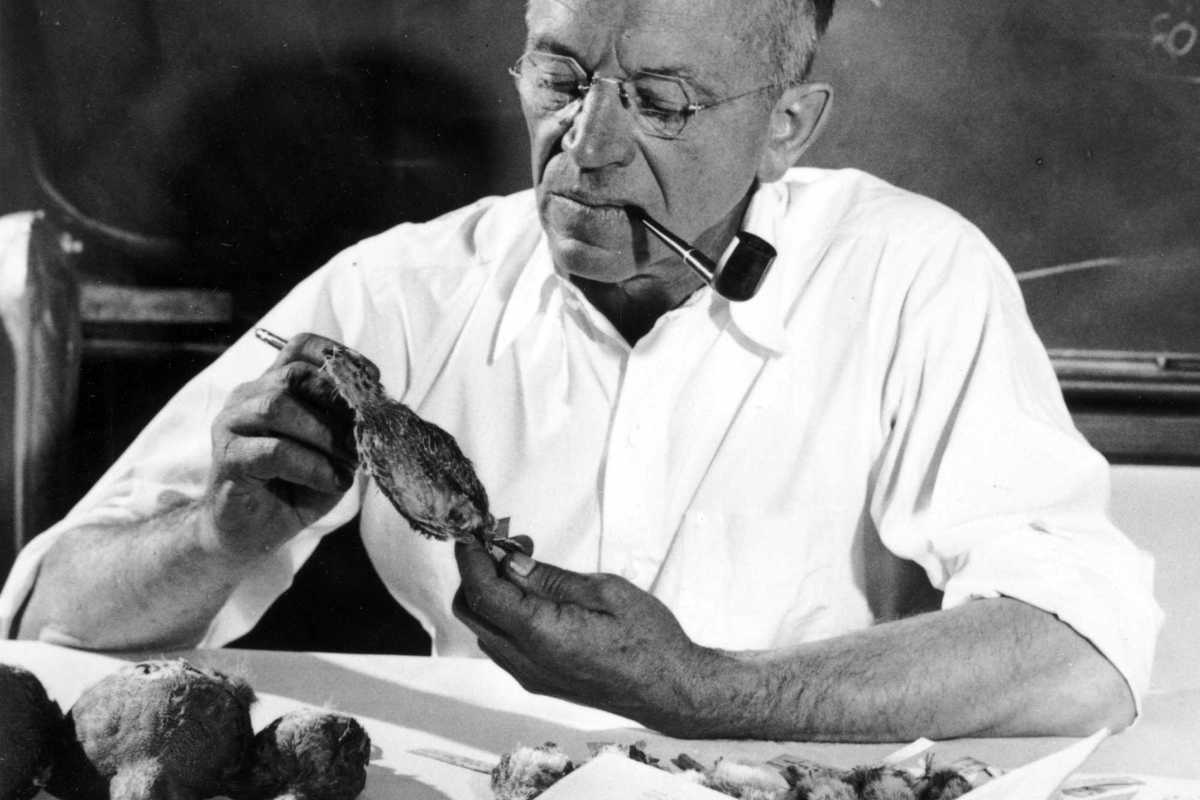
Aldo Leopold in 1942, seated at his desk examining a gray partridge specimen.

Robert C. Oetking

In his 1949 seminal work, “A Sand County Almanac,” Aldo Leopold, regarded by many conservationists as the father of wildlife ecology and modern conservation, wrote, “There are some who can live without wild things and some who cannot.” Leopold was a forester, philosopher, conservationist, educator, writer and outdoor enthusiast.

Originally published by Oxford University Press, “A Sand County Almanac” has sold 2 million copies and been translated into 15 languages. On Sunday, March 8, from 3 to 5 p.m. in the Great Hall of the Norfolk Library, the public is invited to a community reading of selections from the book followed by a moderated discussion with Steve Dunsky, director of “Green Fire,” an Emmy Award-winning documentary film exploring the origins of Leopold’s “land ethic.” Similar reading events take place each year across the country during “Leopold Week” in early March. Planning for this Litchfield County reading began when the Norfolk Library received a grant from the Aldo Leopold Foundation, which provided copies of “A Sand County Almanac” to distribute during the event.

Keep ReadingShow less

Erica Child Prud’homme

Erica Child Prud’homme

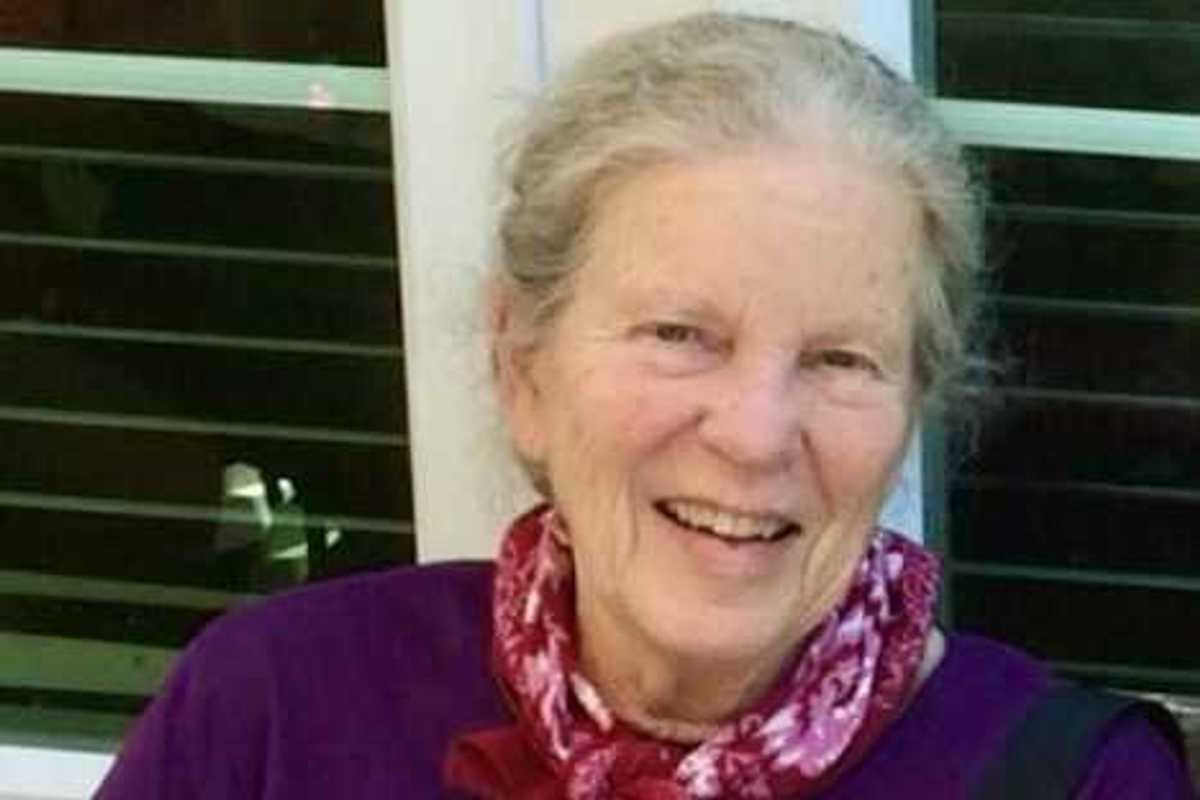
WEST CORNWALL — Erica Child Prud’homme died peacefully in her sleep on Jan. 9, 2026, at home in West Cornwall, Connecticut, at 93.

Erica was born on April 27, 1932, in Doylestown, Pennsylvania, the eldest of three children of Charles and Fredericka Child. With her siblings Rachel and Jonathan, Erica was raised in Lumberville, a town in the creative enclave of Bucks County where she began to sketch and paint as a child.

Keep ReadingShow less
google preferred source

Want more of our stories on Google? Click here to make us a Preferred Source.
google preferred source

Want more of our stories on Google? Click here to make us a Preferred Source.