So Paul Bunyan is getting old, and he comes back to the Northwest Corner, the scene of one of his earliest clearcuts, and he sees all its second growth forest. He sighs and thinks, “Me ’n my big old axe and my very old back...we just can’t cut it any more.â€
So he decides to trade in his blue ox, Babe, for a wood chipper, one that takes everything: trees, landscapes, the works. And he wants the best, one that’s silent. Then he can slowly and slyly feed a parcel of land here and an old landscape there into his big silent chipper, a little at a time, so he doesn’t get any town to unite in anger against what he is doing to the land. Divide and conquer.
And where can he get the best chipper? China? Good guess, but they make the best land chippers where they speak a language that is even harder to learn than Chinese. They make the best land chippers in our own planning and zoning commissions — the very commissions that are trying so hard to unravel endless onion peels of planning logic so, ironically, they can preserve the lands and the landscapes.
u u u
Just like our P&Zs, and P&Zs across the country, most people in the Northwest Corner want to preserve the landscape. Then why is it that all our towns are zoned for large lot residential sprawl?
Also, many people here, like many in the rest of the country, believe that we need to reduce auto use not only to stop being held hostage by hostile oil regimes that appear to hate us, but also to stop global warming. Then why is it that all our towns are zoned to be chopped up into hilly seas of sprawled homes — each of which, according to the Institute of Transportation Engineers, will generate about 10 car trips per day? How does it happen that our zoning requires new homes to be built where people can happily watch their bird feeders, and unhappily watch other new homes go up in their view, but where, to do almost anything else, they have to get in a car?
One reason we can’t improve our zoning is that so few people in the business community see how it restricts their businesses. Land chipper zoning shrinks housing growth in towns where almost all the businesses are ones that serve households.
How? By requiring that virtually all new housing must replace old landscapes with sprawled homes. Our land chipper zoning is the reason why so many people wince at every new home (unless it’s theirs). Many landowners, both those who grew up here and weren’t priced out, and those who moved here, vote against new houses and for land preservation. They vote with their zoning rights to build houses. They vote for land preservation by keeping their rights to build houses off the market.
u u u
If the business community joined with the environmental community, the land could be preserved, and more houses could be built, and the local economy could grow. “TDRs†represent a planning technique that has been around for a long time but has only recently gotten the kinks worked out. TDR stands for transfer of development rights. Landowners sell their rights to build houses, which are then relocated in high-density villages like our old villages, but keep their land unchanged. The new villages are located so they are hidden in the landscape, and have a minimal impact on the land.
The land and the landscapes would suffer about one-tenth as much change. People could stop being nervous about what their neighbors, or even their neighbors’ children, might do. Some towns near us that have tried TDRs are Chesterfield, N. J., Red Hook, N.Y., and North Kingston, R.I. Chesterfield is a small-town TDR effort that has been so successful that the New Jersey state Legislature passed a new planning law based on its success. The efforts in Red Hook and North Kingston are newer but incorporate many of the lessons from Chesterfield and the 200 other programs across the United States.
u u u
Paul Bunyan was a heroic icon when the economic challenge was conquering the wilderness. Today’s iconic heroes are people who can turn environmental challenges into business opportunities. TDRs can turn an environmental disaster, our land chipper zoning, into economic growth.
It is hard to imagine business and environmental groups happily playing ring-around-the-economic-rosy with one another. But the bedrock of our local economy is the land and the landscape. It is what makes people want to live here, especially wealthy people whose homes create many jobs, demand few public services, and make our property taxes among the lowest in the state.
Changing our land chipper zoning to protect the land won’t be easy. But if our zoning isn’t changed, the land will be. TDRs offer environmental groups and the business community a common ground, a way to change zoning that will not only protect the land, but also bring housing growth and a better, more varied local economy.
Patrick Hare is a planner and vice-chair of the Cornwall Planning and Zoning Commission. He can be reached at hareplanning@yahoo.com. The views expressed are his own.

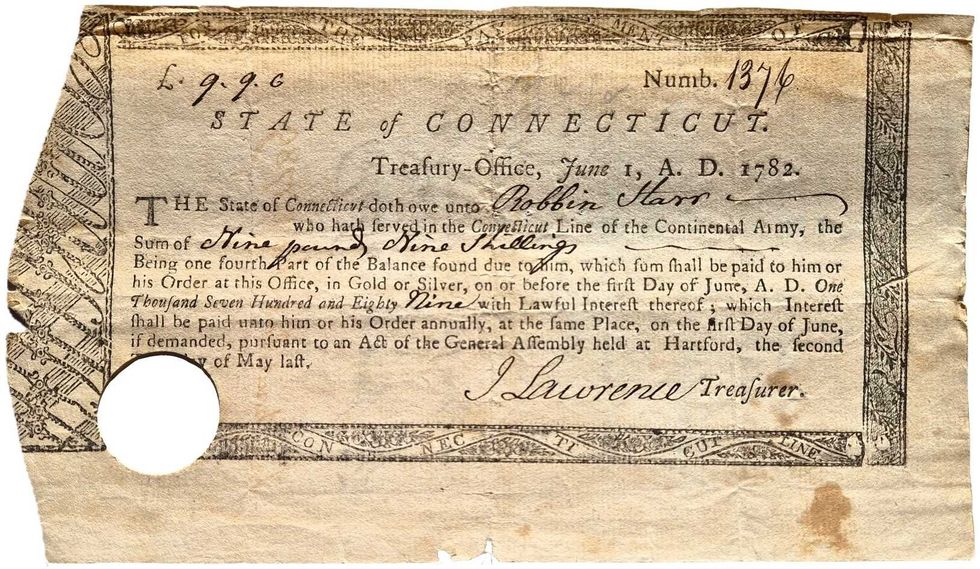 Pay Bill for Robin Starr’s service in the Continental Army.Courtesy the Alex Breanne Corporation
 John Mills speaking at Quinnipiac University.Courtesy the Alex Breanne Corporation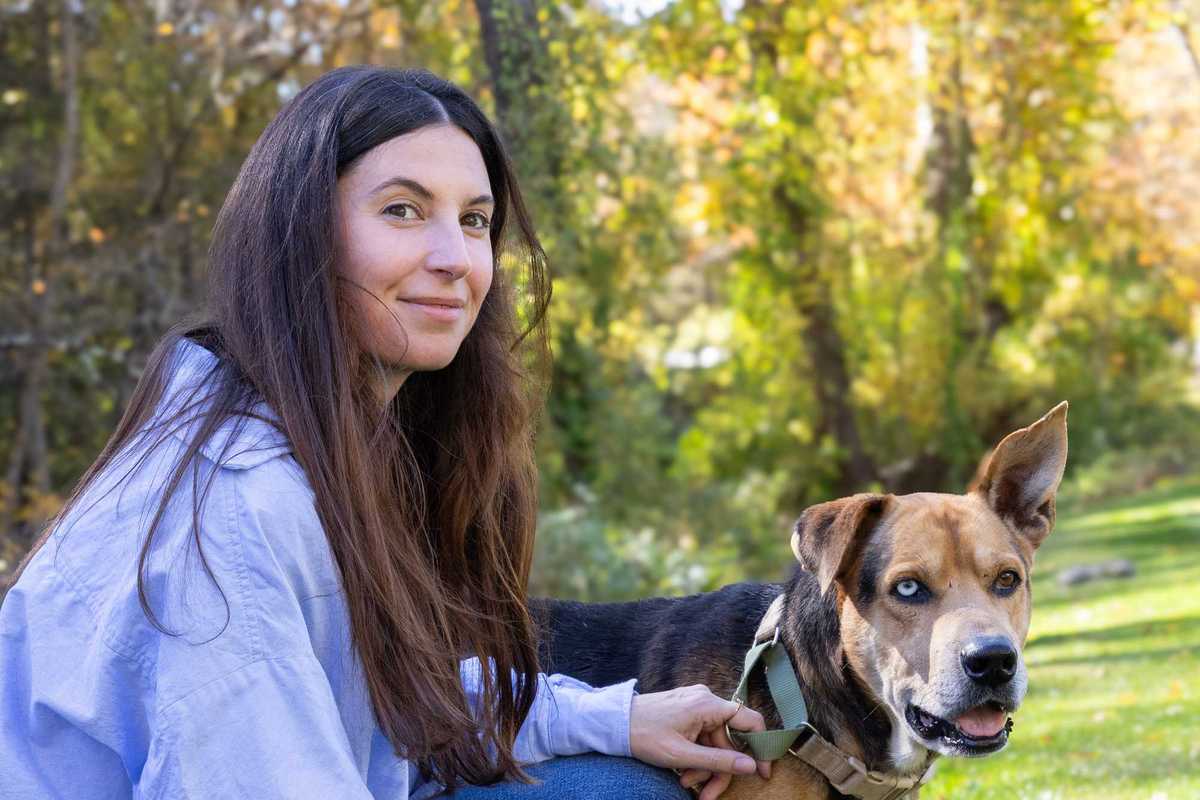
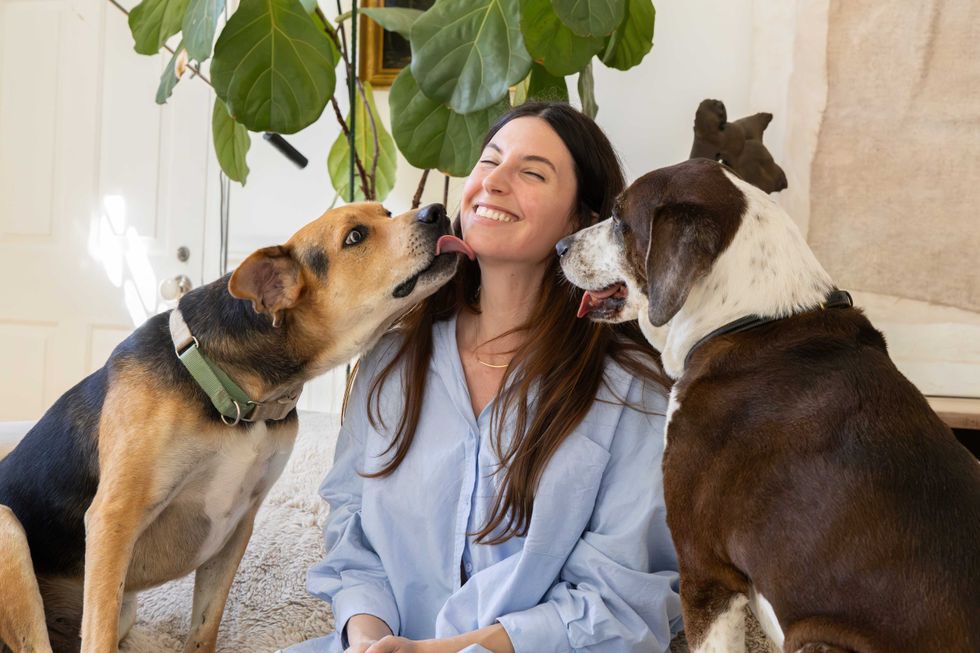 Stephanie Saetta,with her rescue dog George and Blue (left), a shepherd mix awaiting his forever home.Madi Long
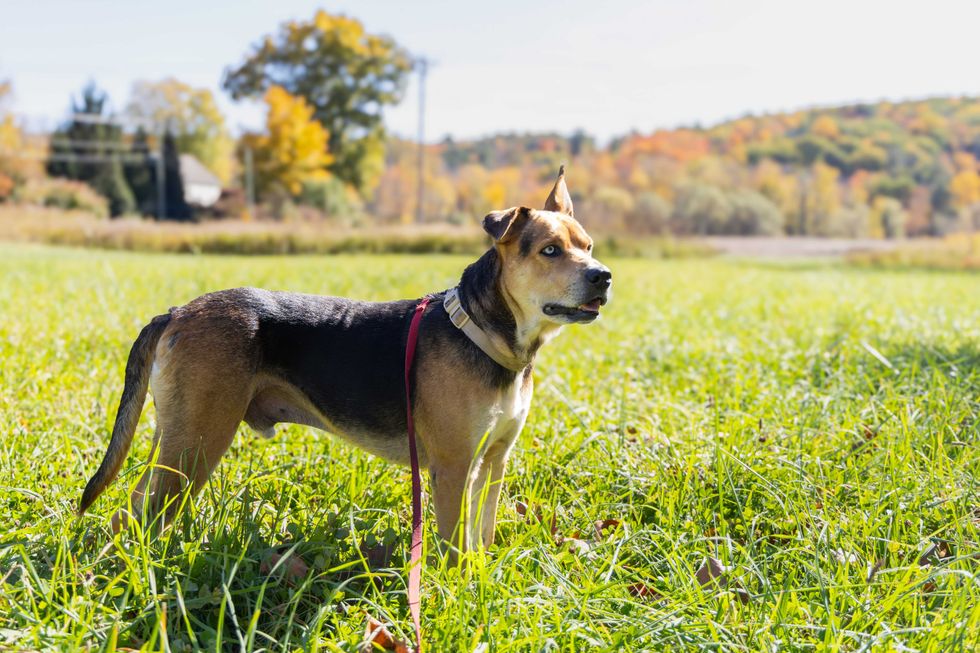 Blue, a 7 year-old Shepard mix, is waiting for his forever home. Madi Long