Predictable: The behavior of world leaders from era to era

Eighty years ago, on Sept.1, 1939, World War II began with a bang, an unprovoked Nazi German invasion of Poland, a blitzkrieg that produced shock and awe and featured such uneven combat as German Panzer tanks routing Polish horse cavalry. 

The onset of World War II was a momentous event, yet today in America little note is taken of it. Young Americans wonder what it has to do with their lives, and why they should bother studying it. 

The standard reason for studying history is the adage, attributed to George Santayana, that those who do not remember history are condemned to repeating its mistakes. But I believe that few mistakes have been avoided through knowing history, and I suspect that teenagers think so too.  A better reason is that human behavior does not change from era to era, and so to understand our own lives and our current leaders we absolutely have to examine the past, with its plethora of examples of that behavior.   

During the onset of World War II, the leaders of the major combatants behaved very badly indeed. 

The easy-to-identify bad actors are Hitler and Stalin, two men who, if anyone does, deserve the label of evil, responsible for killing tens of millions each. 

When Hitler was ready to invade Poland, he did not want to have to fight Stalin’s troops to do so. But Stalin and Communism had been the worst and most steadfast enemies of Hitler and Nazism since the mid-1920s — how could Hitler make an alliance with Stalin now?  Because Stalin also wanted to do something and not have to fight Hitler’s troops to do it — re-assemble the Czarist Empire of Nicholas II that had lasted until World War I. On Aug. 23, 1939, when the public part of the Nazi-Soviet pact was announced — the part kept secret was the deal about who could control what territory — it was as though the trigger of Hitler’s gun had been pulled.  Eight days later, German troops invaded Poland.

The leaders of Great Britain and France, Neville Chamberlain and Edouard Daladier, while surely not evil men, also behaved pretty badly just then. Both countries had ironclad pacts with Poland pledging them to defend that country if it was attacked.  Two things to note about that.

First, the combined British and French armies, navies, and air forces were the largest army, largest navy, and largest air force in the world.  Second, the British and French leaders knew that Hitler was going to attack Poland, for he had been shouting all year of taking back its German-speaking area known as the Danzig Corridor. And every time he had shaken that rattle, a rattlesnake strike had followed: prior to “remilitarizing the Rhineland” in 1936, prior to taking possession of German-speaking Austria in 1937, and prior to annexing the German-speaking part of Czechoslovakia known as the Sudetenland in 1938.

When Poland was invaded, France and Great Britain were reasonably well mobilized and they declared war — but declaring war is very different from full-scale waging of war.  And that, they did not do.  Chamberlain and Daladier had appeased Hitler at Munich, and were still flummoxed by Hitler’s machinations. The proof is that while they had overseen their countries’ very extensive plans for defending their own territories, they had not done much to prepare to defend Poland’s. 

Some French troops, stationed in the Maginot Line, on France’s side of the border with Germany, advanced into Germany a few miles — but then stopped. Incredible! 

The British-led air forces bombed ports and supply depots, but did not specifically strafe German advance columns, nor direct their fury on Berlin so as to force Hitler to defend his own country rather than invade another. They did not bomb Berlin because the Brits feared reciprocal raids on London, possibly with poison gas. British ships steamed to blockade Germany in the North Sea, and French to block the Mediterranean so supplies could not get to Germany through Italy, but this took some time. 

The archives reveal that within the first week of the war, the French army stopped trying to halt the invasion of Poland, and that the British government — although fortified by the addition of war hawk Winston Churchill — ceased bombing when Soviet troops entered Poland on Sept. 17, 1939. 

Do promises among democratic nations ever have any chance of being kept? Are leaders always gutless when confronted with monstrous events? Is the fear of retaliation so great as to deter proper action? 

In studying the awful onset of the greatest war mankind has ever experienced, there is much in the way of examples to grasp to help us think about our world and our leaders today.  


Tom Shachtman is the author of more than a dozen American and world histories and of documentaries seen on all the major networks. He lives in Salisbury.

Latest News

Living art takes center stage in the Berkshires

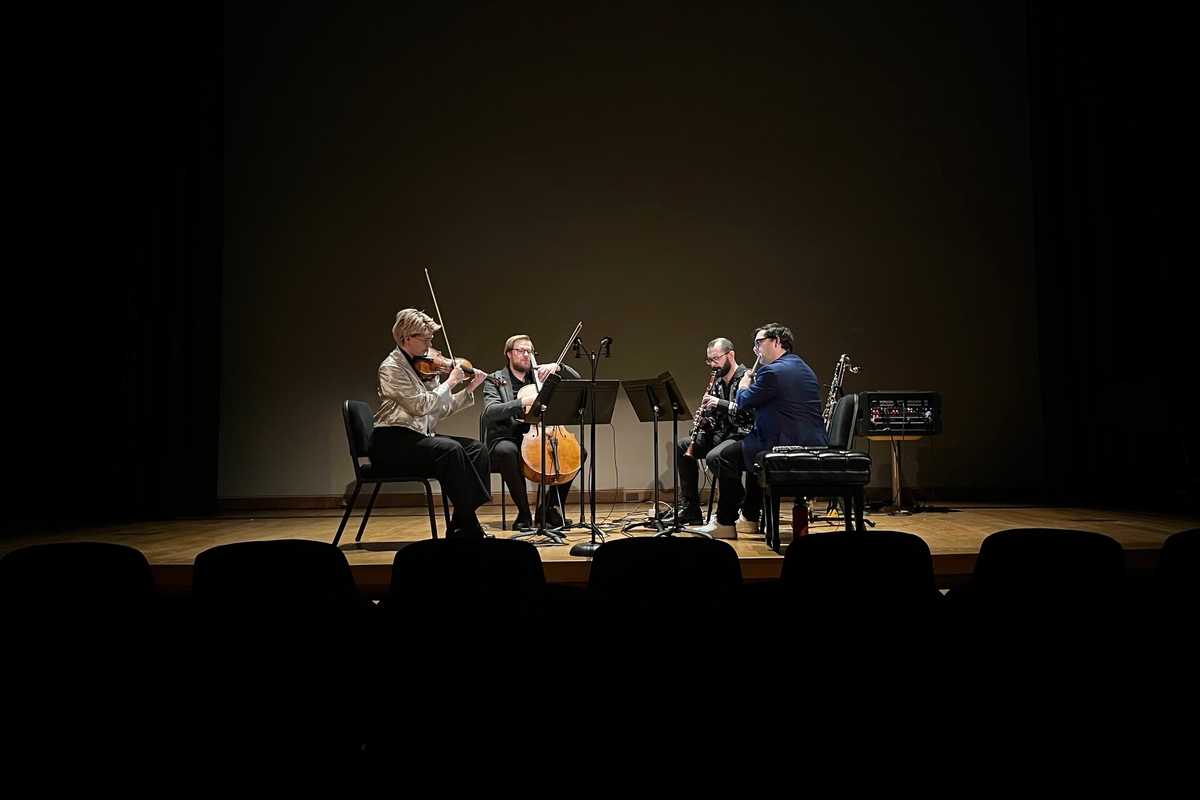
Contemporary chamber musicians, HUB, performing at The Clark.

D.H. Callahan

Northwestern Massachusetts may sometimes feel remote, but last weekend it felt like the center of the contemporary art world.

Within 15 miles of each other, MASS MoCA in North Adams and the Clark Art Institute in Williamstown showcased not only their renowned historic collections, but an impressive range of living artists pushing boundaries in technology, identity and sound.

Keep ReadingShow less
Persistently amplifying women’s voices

Francesca Donner, founder and editor of The Persistent. Subscribe at thepersistent.com.

Aly Morrissey

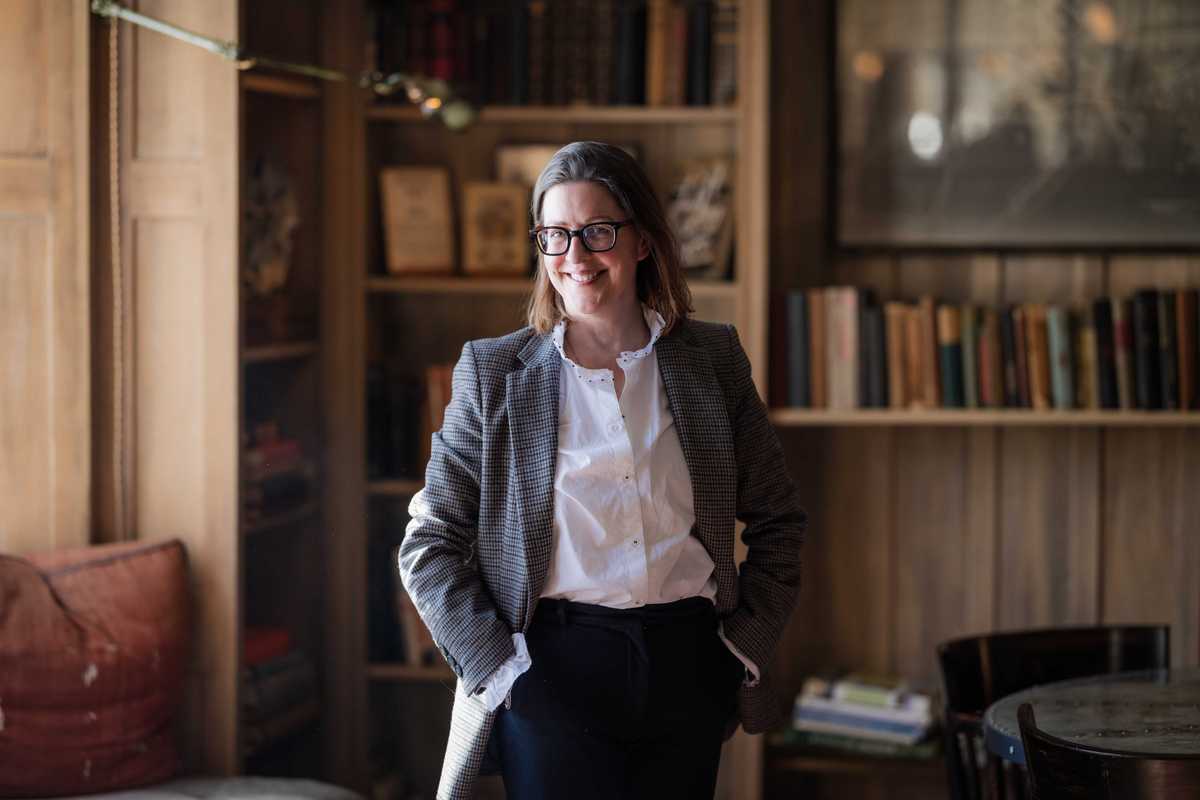
Francesca Donner pours a cup of tea in the cozy library of Troutbeck’s Manor House in Amenia, likely a habit she picked up during her formative years in the United Kingdom. Flanked by old books and a roaring fire, Donner feels at home in the quiet room, where she spends much of her time working as founder, editor and CEO of The Persistent, a journalism platform created to amplify women’s voices.

Although her parents are American and she spent her earliest years in New York City and Litchfield County — even attending Washington Montessori School as a preschooler — Donner moved to England at around five years old and completed most of her education there. Her accent still bears the imprint of what she describes as a traditional English schooling.

Keep ReadingShow less
Jarrett Porter on the enduring power of Schubert’s ‘Winterreise’
Baritone Jarrett Porter to perform Schubert’s “Winterreise”
Tim Gersten

On March 7, Berkshire Opera Festival will bring “Winterreise” to Studio E at Tanglewood’s Linde Center for Music and Learning, with baritone Jarrett Porter and BOF Artistic Director and pianist Brian Garman performing Franz Schubert’s haunting 24-song setting of poems by Wilhelm Müller.

A rejected lover. A frozen landscape. A mind unraveling in real time. Nearly 200 years after its premiere, “Winterreise” remains unnervingly current in its psychological portrait of isolation, heartbreak and existential drift.

Keep ReadingShow less
google preferred source

Want more of our stories on Google? Click here to make us a Preferred Source.
A grand finale for Crescendo’s 22nd season

Christine Gevert, artistic director, brings together international and local musicians for a season of rare works.

Stephen Potter

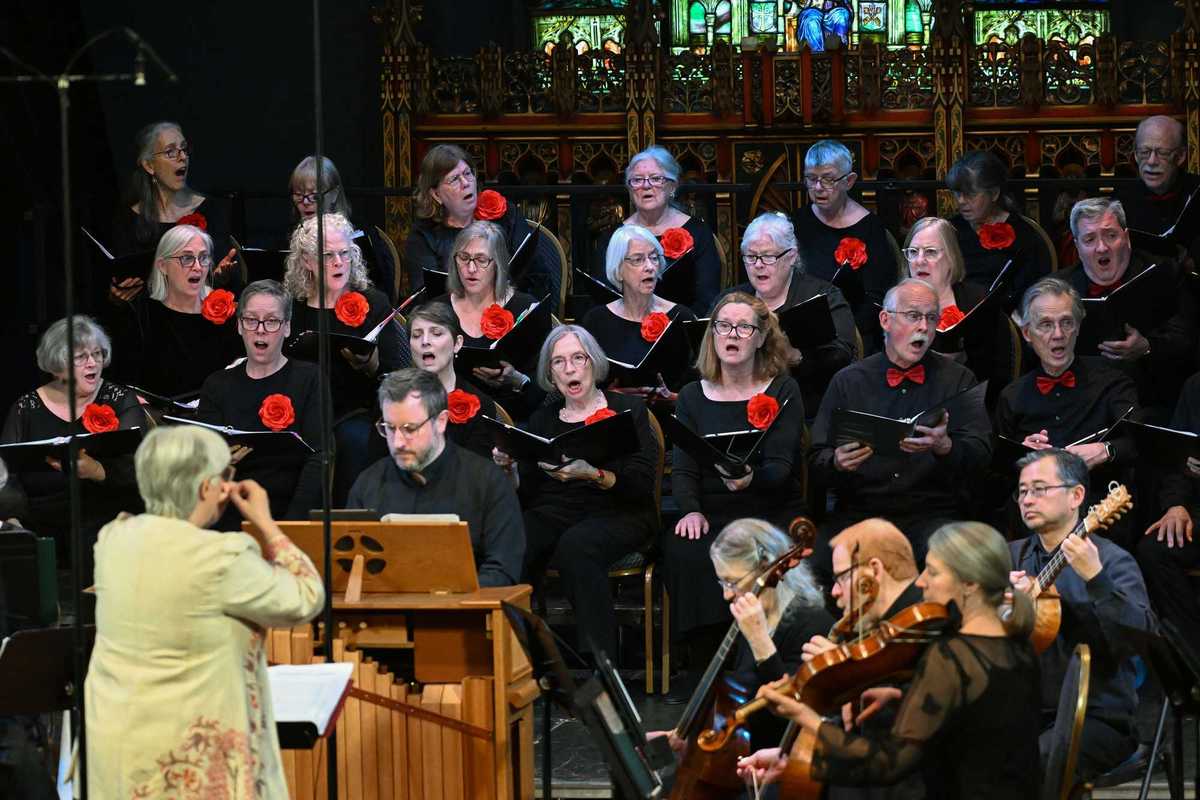
Crescendo, the Lakeville-based nonprofit specializing in early and rarely performed classical music, will close its 22nd season with a slate of spring concerts featuring international performers, local musicians and works by pioneering composers from the Baroque era to the 20th century.

Christine Gevert, the organization’s artistic director, has gathered international vocal and instrumental talent, blending it with local voices to provide Berkshire audiences with rare musical treats.

Keep ReadingShow less

Leopold Week honors land and legacy

Leopold Week honors land and legacy

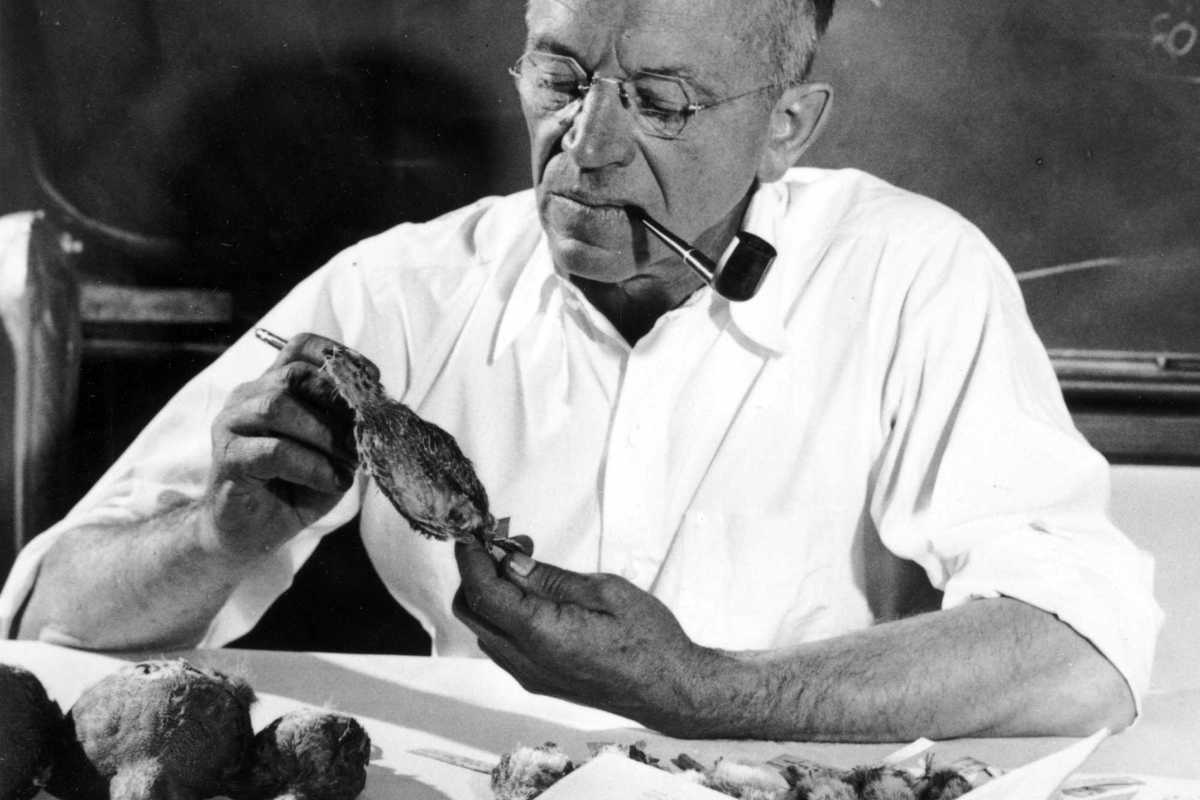
Aldo Leopold in 1942, seated at his desk examining a gray partridge specimen.

Robert C. Oetking

In his 1949 seminal work, “A Sand County Almanac,” Aldo Leopold, regarded by many conservationists as the father of wildlife ecology and modern conservation, wrote, “There are some who can live without wild things and some who cannot.” Leopold was a forester, philosopher, conservationist, educator, writer and outdoor enthusiast.

Originally published by Oxford University Press, “A Sand County Almanac” has sold 2 million copies and been translated into 15 languages. On Sunday, March 8, from 3 to 5 p.m. in the Great Hall of the Norfolk Library, the public is invited to a community reading of selections from the book followed by a moderated discussion with Steve Dunsky, director of “Green Fire,” an Emmy Award-winning documentary film exploring the origins of Leopold’s “land ethic.” Similar reading events take place each year across the country during “Leopold Week” in early March. Planning for this Litchfield County reading began when the Norfolk Library received a grant from the Aldo Leopold Foundation, which provided copies of “A Sand County Almanac” to distribute during the event.

Keep ReadingShow less

Erica Child Prud’homme

Erica Child Prud’homme

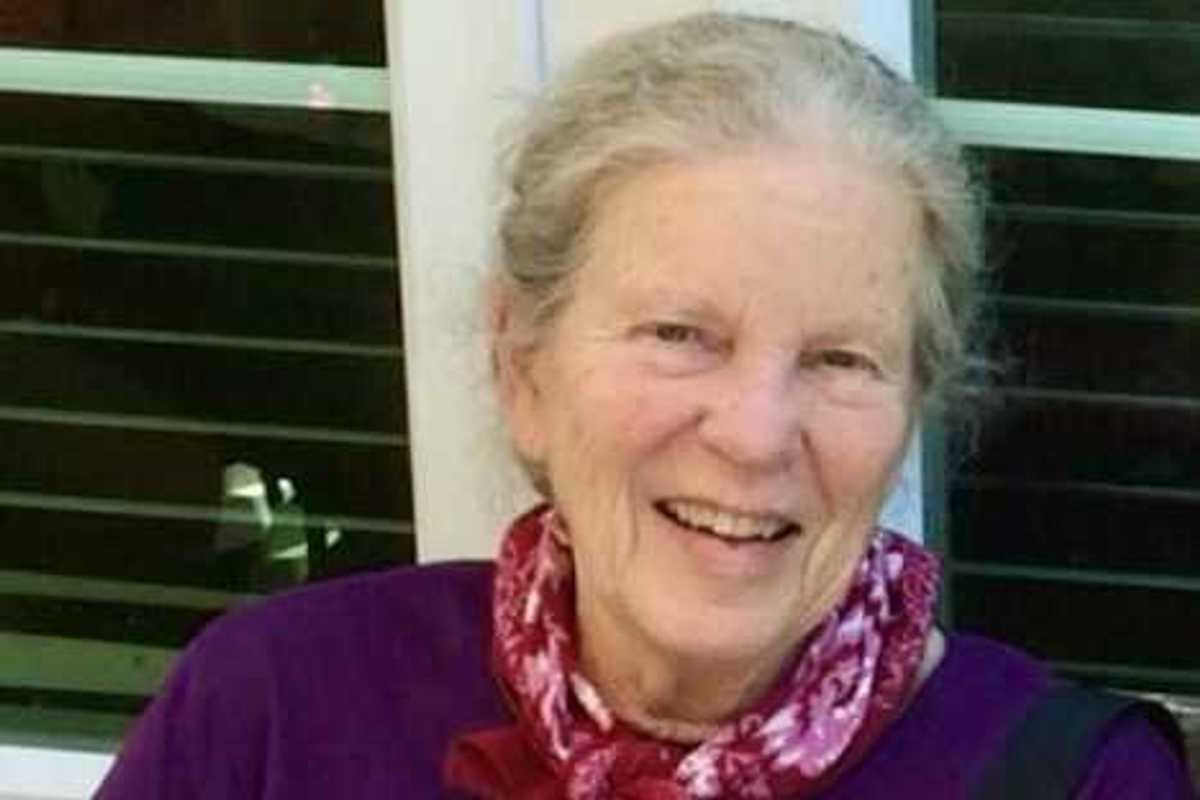
WEST CORNWALL — Erica Child Prud’homme died peacefully in her sleep on Jan. 9, 2026, at home in West Cornwall, Connecticut, at 93.

Erica was born on April 27, 1932, in Doylestown, Pennsylvania, the eldest of three children of Charles and Fredericka Child. With her siblings Rachel and Jonathan, Erica was raised in Lumberville, a town in the creative enclave of Bucks County where she began to sketch and paint as a child.

Keep ReadingShow less
google preferred source

Want more of our stories on Google? Click here to make us a Preferred Source.
google preferred source

Want more of our stories on Google? Click here to make us a Preferred Source.