NORTH CANAAN — With the moratorium on cannabis licenses due to sunset in February, the Planning and Zoning Commission (P&Z) has been working diligently to regulate recreational marijuana in town.
Voters narrowly approved the sale of cannabis in North Canaan by referendum in November 2023. Since then, P&Z has held four meetings to discuss options on how to implement regulations for the various license types.
At a special meeting in Town Hall Monday, Jan. 22, Chairman Tim Abbott presented a draft designed to “regulate the location and operation of licensed adult-use cannabis” operations.
Under the proposed regulations, eight of the nine cannabis license types recognized in Connecticut would be permitted, with limitations, in three district types. A special permit would be required for all establishments.
Cannabis delivery service, cannabis food and beverage manufacturing, cannabis micro-cultivator, cannabis product manufacturer, and cannabis transporter licenses could be applied for in Industrial Zones.
All of the Industrial Zone license types will be limited to a maximum of one establishment per category.
Cannabis dispensary, cannabis hybrid retailer, and cannabis retailer licenses could be applied for in the Commercial Zone and Central Business District.
A maximum of one dispensary license and one hybrid retailer or retailer license will be granted. If a dispensary (medical sales only) becomes a hybrid retailer (medical and retail sales), no additional cannabis retailer licenses can be approved in town.
The draft showed all license types were buffered with setbacks: no cannabis establishment may be located within 1,000 feet of a public or private school nor within 500 feet of any charitable institution, church, convent, hospital, licensed child care center, licensed dependency treatment center, military installation, playground, public library, public park, public recreation trail, recreation center or facility, or veterans’ home.
On-site consumption of cannabis or any cannabis product was prohibited in all licensed establishments. P&Z also set limits on the hours of operation for each license type. The one license type not permitted under the drafted regulations was cannabis cultivator (large-scale growing operation).
Commission member Mike O’Connor stated that any special permit coming before P&Z can have stipulations applied at the board’s discretion.
Discussion among the commission members ensued about further limiting the size of micro-cultivators. The drafted regulations would allow for a micro-cultivator to start at a minimum of 2,000 square feet and a maximum of 10,000 square feet. Through petition to the state, a micro-cultivator has the potential to expand to 15,000 square feet under the proposed regulations.
Some members felt the size should be capped at 10,000 square feet in North Canaan. Abbott suggested tabling the discussion to get feedback on the economic upside of taxing a larger micro-cultivator compared to a smaller operation.
An updated draft will be reviewed at the next regular meeting Monday, Feb. 12. After reviewing the new draft, a decision will be made on whether the regulations are ready to be enacted or if the moratorium on cannabis licenses needs to be extended.


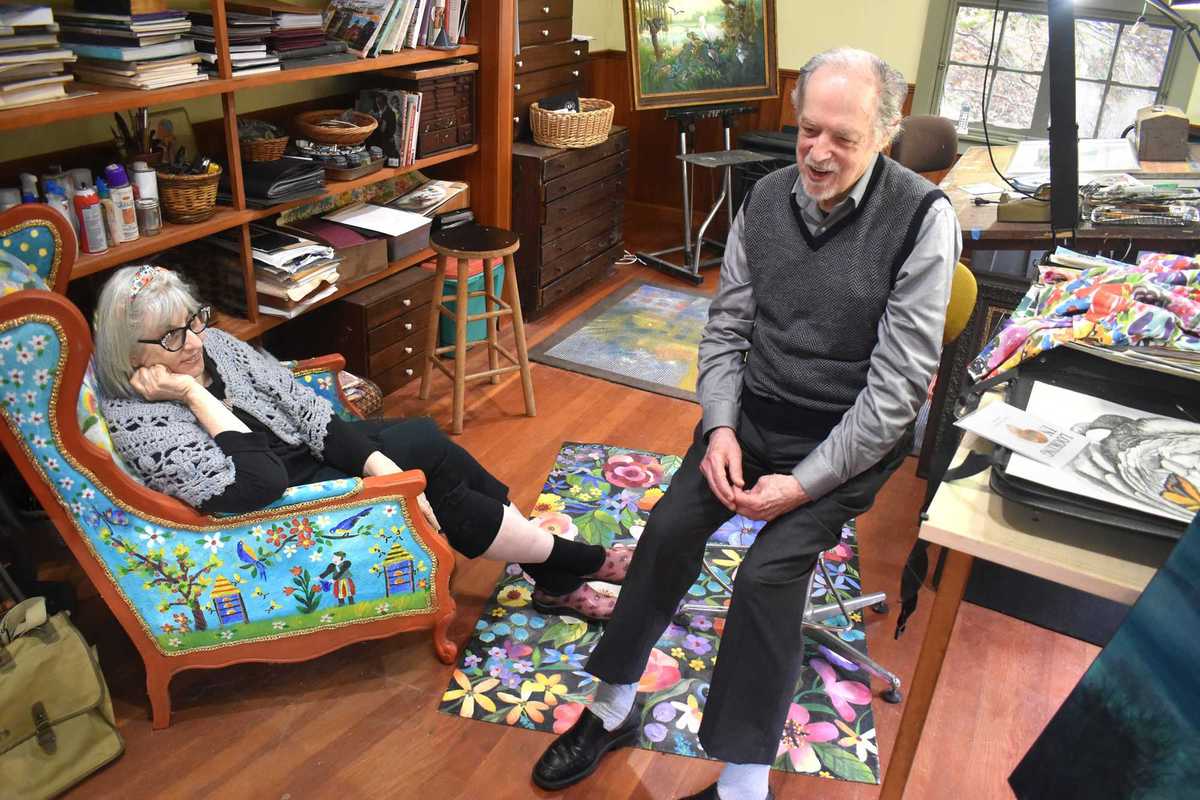
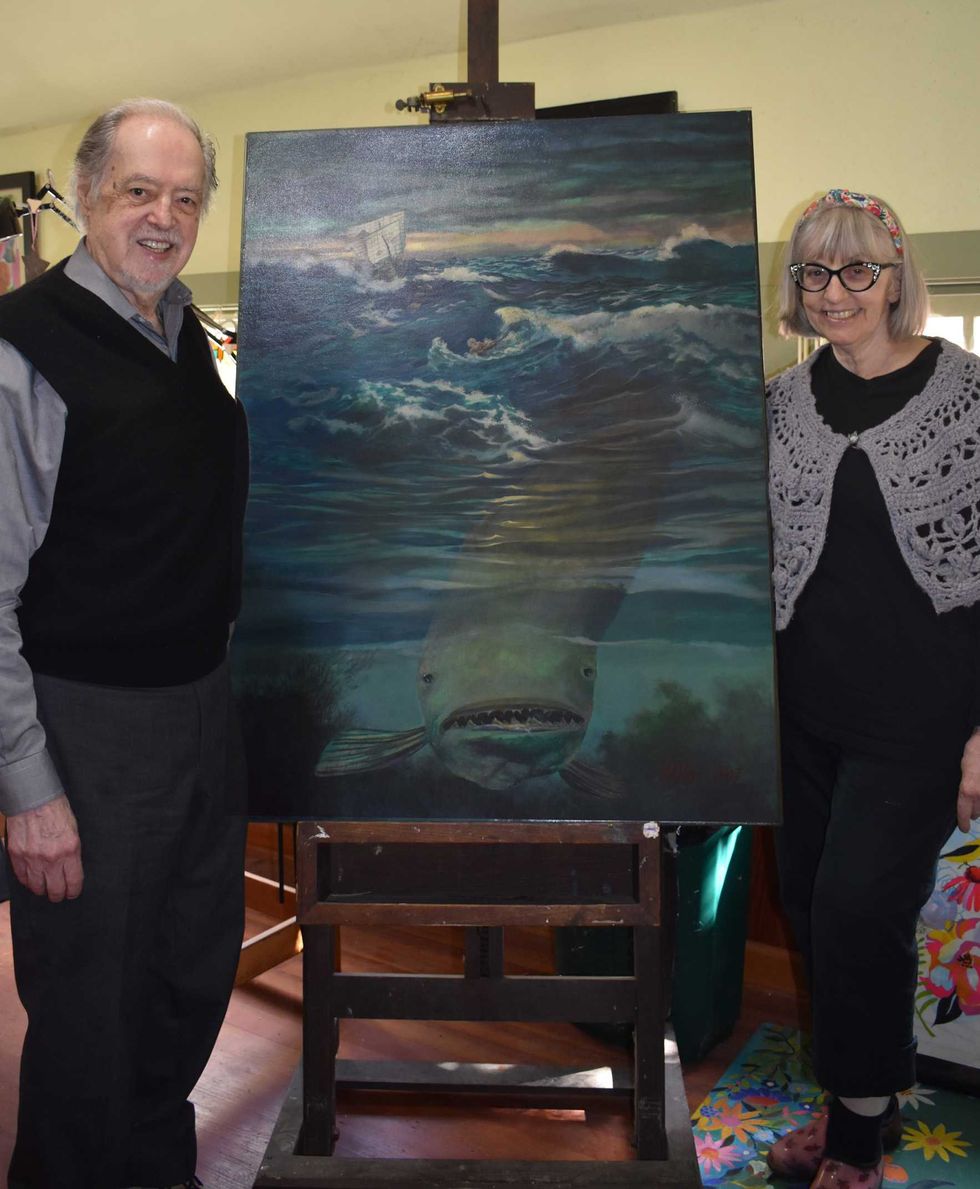 Justine and Victor Valla in their studio with a painting of Victor’s,”Jonah and the Whale.” Robin Roraback

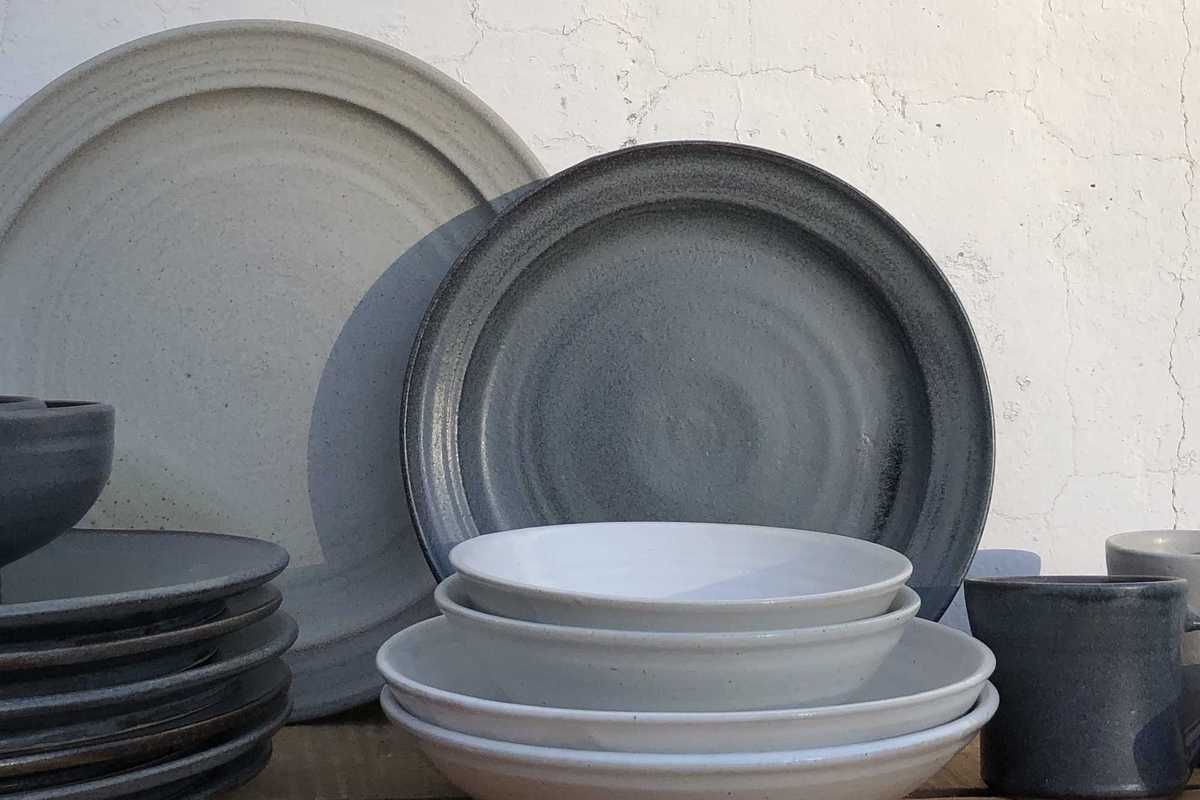
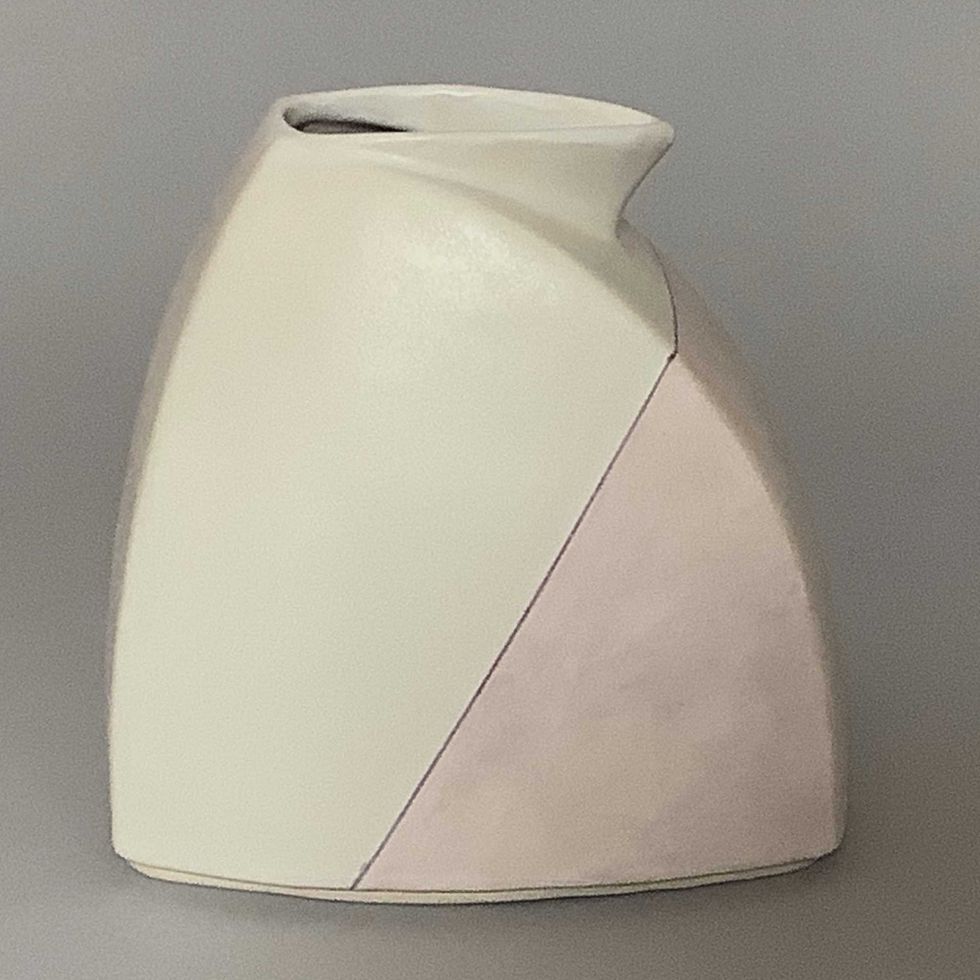 A ceramic vase by Kathleen Heidemann.Provided
  Joy Brown’s delightful ceramic sculptures.Provided