Reaching the Limit with Comic Book Movies

Warning: This review is full of spoilers for movies old and new.

The folks making comic book movies these days are running into an inflation problem. They all want to make their movie bigger and better than the previous one. This means that, dramatically speaking, the stakes have been getting higher and higher and, visually speaking, the special effects have been getting more and more eye-popping and mind-boggling.

Unfortunately, there is an upper limit on both.

“Superman,” made in 1978 starring Christopher Reeve, is generally regarded as the first comic book movie to “get it right,” as it were. In it, Lex Luthor triggers a massive earthquake in California, but Superman undoes most of the damage.

In “Superman 2,” (1980), General Zod and his fellow escapees try to take over the world. They don’t want to destroy it, they want to rule it.

The conflict in “Spider-Man” (2002) is personal. The bad guy just wants to kill Spidey. Nothing more.

But things took a bizarre turn that year with “The Sum of All Fears,” based not on a comic book, but rather on a Tom Clancy novel. In it, young Jack Ryan (Ben Affleck) prevents World War III. What he doesn’t prevent, though, is a nuclear bomb wiping out Baltimore. I remember leaving the theater thinking, “A nuke wiped out an American city and I’m supposed to think this is a happy ending?”

In 2012’s “The Avengers,” the title heroes prevent an alien attack, but part of midtown Manhattan suffers huge collateral damage. Throughout the Marvel universe — movies and TV shows — that event is treated like 9/11, with memorials and solemn anniversary ceremonies. The sense is, “It was bad, but we got through it.”

A year later, in “Man of Steel,” Zod is back, but this time he wants to destroy the world, not rule it. Superman stops him, but the collateral damage pretty much wipes out Metropolis. Assuming an equivalence with New York City, that’s 5 to 10 million people dead. You’ll forgive me if I have a problem with that.

In last year’s “Avengers: Age of Ultron,” Ultron wants to destroy the world. The Avengers stop him, but an entire Eastern European city is trashed.


‘x-men’ is numbing

Which brings us to the latest mega-release, “X-Men: Apocalypse.” In it, a millennia-old mutant is awakened, and he tries to (ho-hum) destroy the world. Yes, it’s been done twice in the last three years, but there’s nowhere else to go. Stakes-inflation has reached its limit.

The only way to up the ante is to have the bad guy come closer to succeeding. Our heroes stop him, but not before every major city on the world is laid waste and tens or maybe hundreds of millions of people are killed. 

Our heroes should have tried a little harder.

Call me old fashioned, but I believe that in any kind of adventure movie, the hero or heroes should succeed. When the closing credits come up, you should be thinking, “Yay! They did it!” not, “So … civilization’s pretty much over then, huh?”

Similarly, effects-inflation has reached its limit, too. In 1978, “Superman” was advertised with the tag line, “You’ll believe a man can fly.” Back then, decades before CGI, that was enough.

Now, though, after Norse gods and giant robots and cities being lifted into the air, filmmakers have no stops left to pull out. The visuals in “Apocalypse” are spectacular, but also overwhelming and, ultimately, numbing. As a 12-year-old of my acquaintance said three-quarters of the way through, “There’re all these effects, but it’s kinda boring.

I’m sure there are lots of people, me included, who will go to the latest X-Men movie no matter what the reviews say. There are others you couldn’t drag into the theater with a winch. But if you’re on the fence, save your $11. “X-Men: Apocalypse” is a large, loud, long — very long — but ultimately empty spectacle.

Latest News

Living art takes center stage in the Berkshires

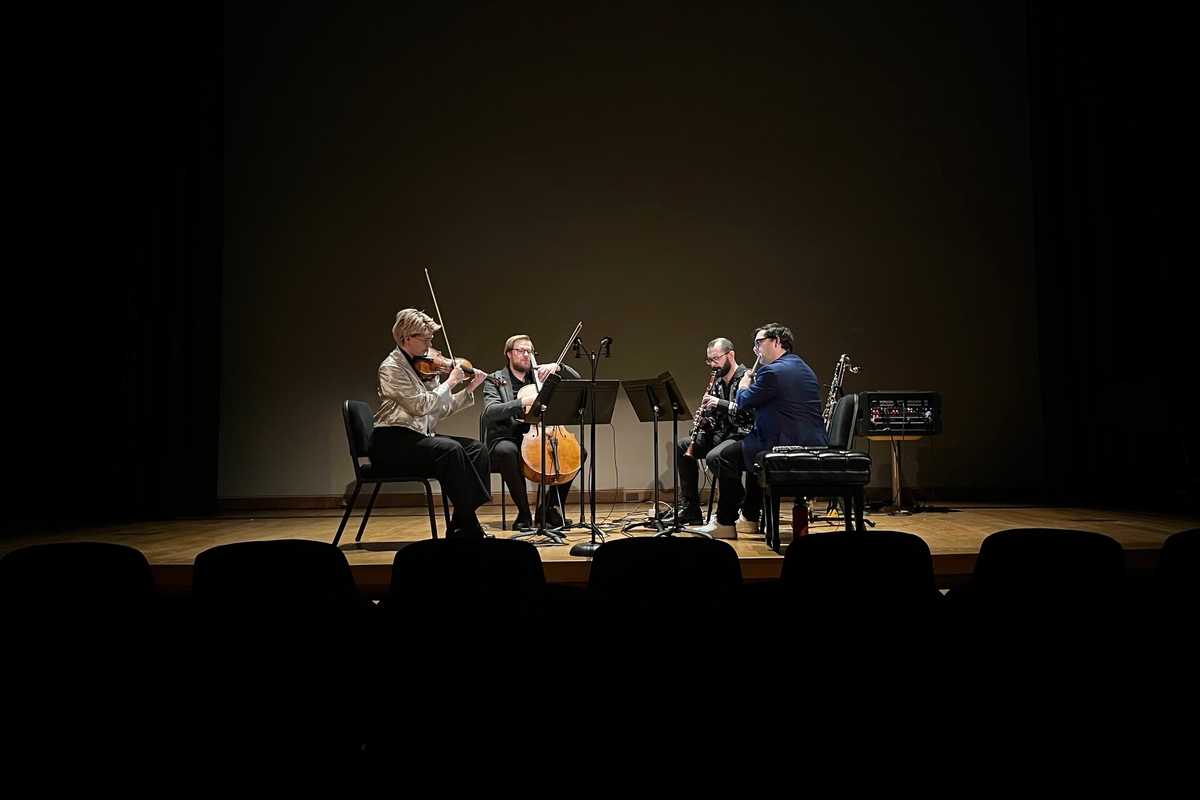
Contemporary chamber musicians, HUB, performing at The Clark.

D.H. Callahan

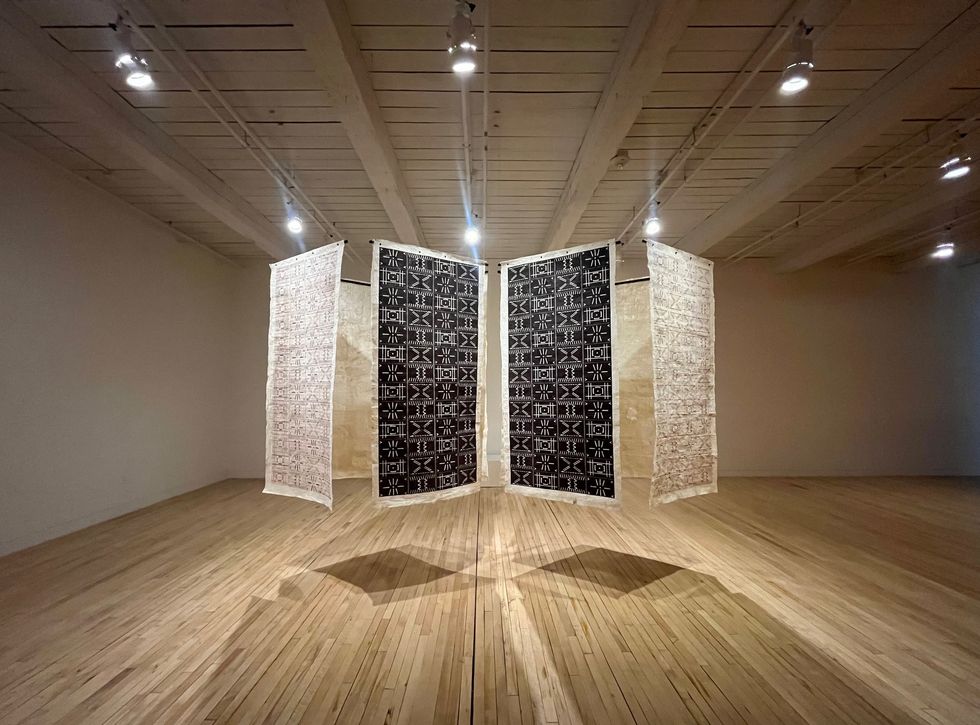
Northwestern Massachusetts may sometimes feel remote, but last weekend it felt like the center of the contemporary art world.

Within 15 miles of each other, MASS MoCA in North Adams and the Clark Art Institute in Williamstown showcased not only their renowned historic collections, but an impressive range of living artists pushing boundaries in technology, identity and sound.

Keep ReadingShow less
Persistently amplifying women’s voices

Francesca Donner, founder and editor of The Persistent. Subscribe at thepersistent.com.

Aly Morrissey

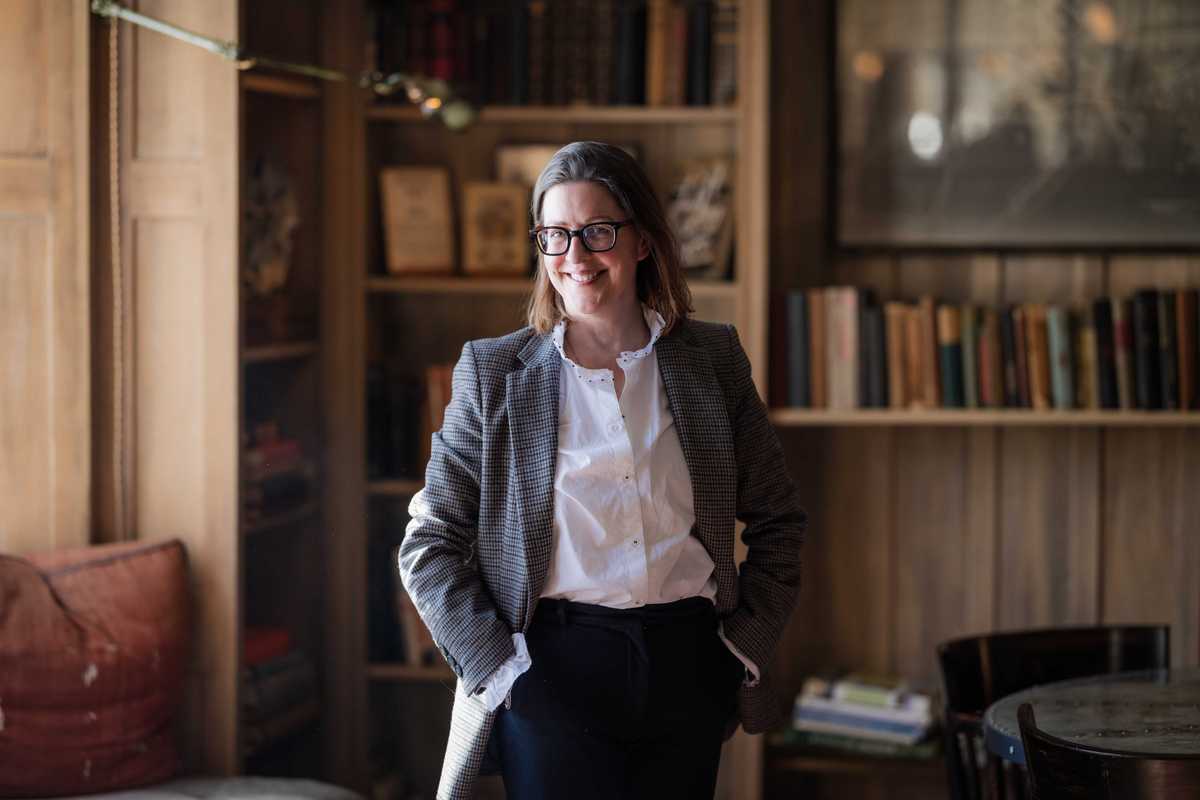
Francesca Donner pours a cup of tea in the cozy library of Troutbeck’s Manor House in Amenia, likely a habit she picked up during her formative years in the United Kingdom. Flanked by old books and a roaring fire, Donner feels at home in the quiet room, where she spends much of her time working as founder, editor and CEO of The Persistent, a journalism platform created to amplify women’s voices.

Although her parents are American and she spent her earliest years in New York City and Litchfield County — even attending Washington Montessori School as a preschooler — Donner moved to England at around five years old and completed most of her education there. Her accent still bears the imprint of what she describes as a traditional English schooling.

Keep ReadingShow less
Jarrett Porter on the enduring power of Schubert’s ‘Winterreise’
Baritone Jarrett Porter to perform Schubert’s “Winterreise”
Tim Gersten

On March 7, Berkshire Opera Festival will bring “Winterreise” to Studio E at Tanglewood’s Linde Center for Music and Learning, with baritone Jarrett Porter and BOF Artistic Director and pianist Brian Garman performing Franz Schubert’s haunting 24-song setting of poems by Wilhelm Müller.

A rejected lover. A frozen landscape. A mind unraveling in real time. Nearly 200 years after its premiere, “Winterreise” remains unnervingly current in its psychological portrait of isolation, heartbreak and existential drift.

Keep ReadingShow less
google preferred source

Want more of our stories on Google? Click here to make us a Preferred Source.
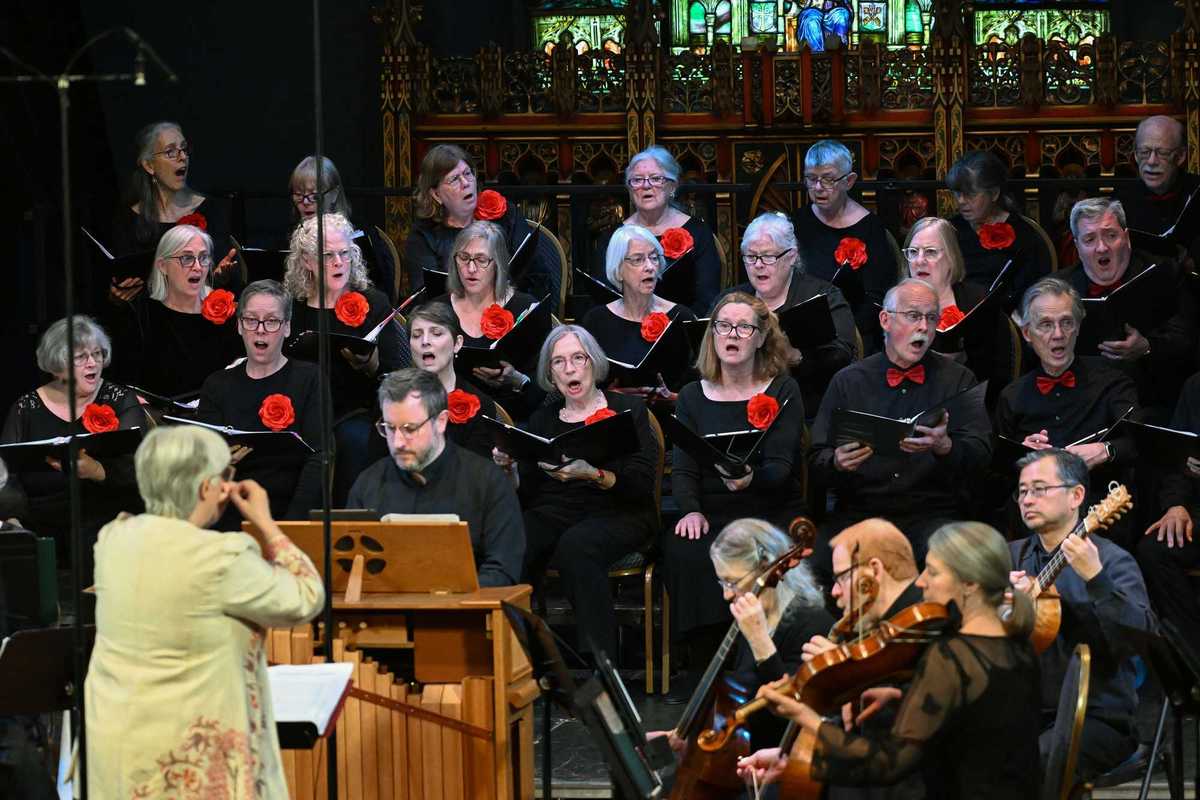
A grand finale for Crescendo’s 22nd season

Christine Gevert, artistic director, brings together international and local musicians for a season of rare works.

Stephen Potter

Crescendo, the Lakeville-based nonprofit specializing in early and rarely performed classical music, will close its 22nd season with a slate of spring concerts featuring international performers, local musicians and works by pioneering composers from the Baroque era to the 20th century.

Christine Gevert, the organization’s artistic director, has gathered international vocal and instrumental talent, blending it with local voices to provide Berkshire audiences with rare musical treats.

Keep ReadingShow less

Leopold Week honors land and legacy

Leopold Week honors land and legacy

Aldo Leopold in 1942, seated at his desk examining a gray partridge specimen.

Robert C. Oetking

In his 1949 seminal work, “A Sand County Almanac,” Aldo Leopold, regarded by many conservationists as the father of wildlife ecology and modern conservation, wrote, “There are some who can live without wild things and some who cannot.” Leopold was a forester, philosopher, conservationist, educator, writer and outdoor enthusiast.

Originally published by Oxford University Press, “A Sand County Almanac” has sold 2 million copies and been translated into 15 languages. On Sunday, March 8, from 3 to 5 p.m. in the Great Hall of the Norfolk Library, the public is invited to a community reading of selections from the book followed by a moderated discussion with Steve Dunsky, director of “Green Fire,” an Emmy Award-winning documentary film exploring the origins of Leopold’s “land ethic.” Similar reading events take place each year across the country during “Leopold Week” in early March. Planning for this Litchfield County reading began when the Norfolk Library received a grant from the Aldo Leopold Foundation, which provided copies of “A Sand County Almanac” to distribute during the event.

Keep ReadingShow less

Erica Child Prud’homme

Erica Child Prud’homme

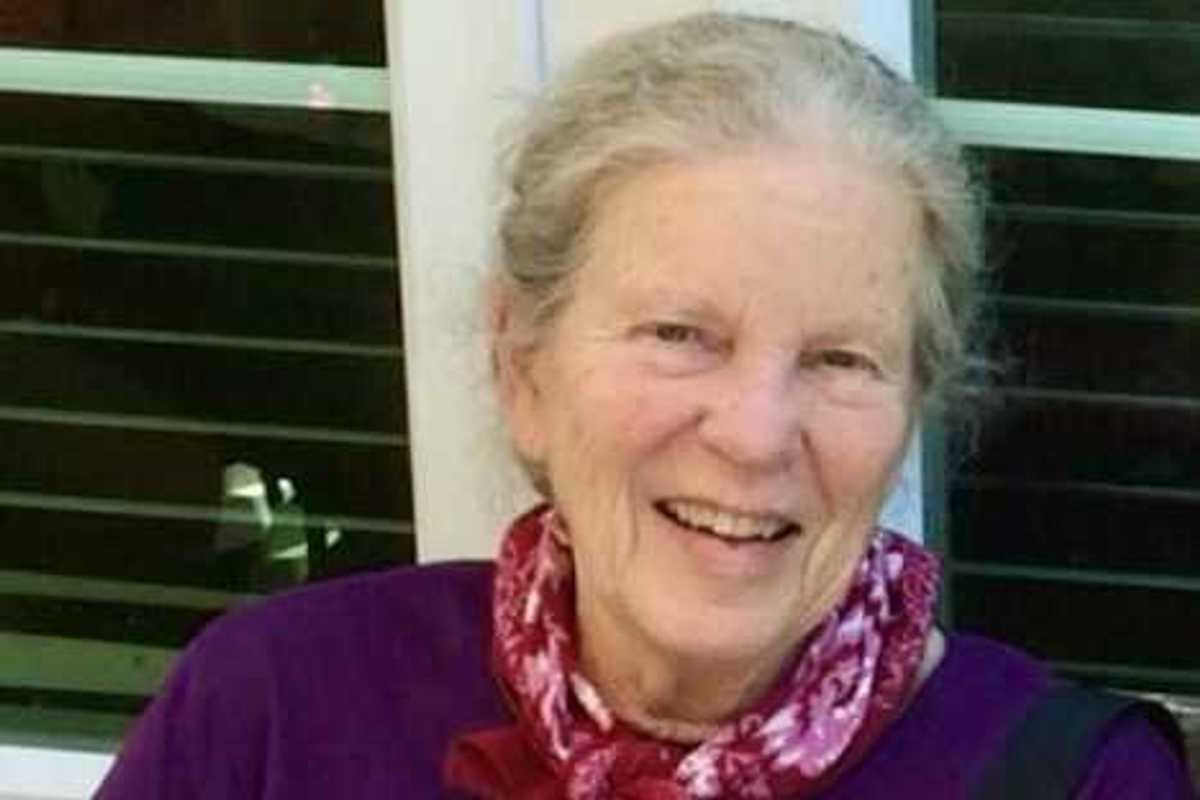
WEST CORNWALL — Erica Child Prud’homme died peacefully in her sleep on Jan. 9, 2026, at home in West Cornwall, Connecticut, at 93.

Erica was born on April 27, 1932, in Doylestown, Pennsylvania, the eldest of three children of Charles and Fredericka Child. With her siblings Rachel and Jonathan, Erica was raised in Lumberville, a town in the creative enclave of Bucks County where she began to sketch and paint as a child.

Keep ReadingShow less
google preferred source

Want more of our stories on Google? Click here to make us a Preferred Source.

google preferred source

Want more of our stories on Google? Click here to make us a Preferred Source.